Roof Systems in Downey, CA
Commercial roof systems in Downey, CA: TPO, PVC, EPDM, modified bitumen and silicone coatings compared on what your existing roof can support and what a complete installation includes.
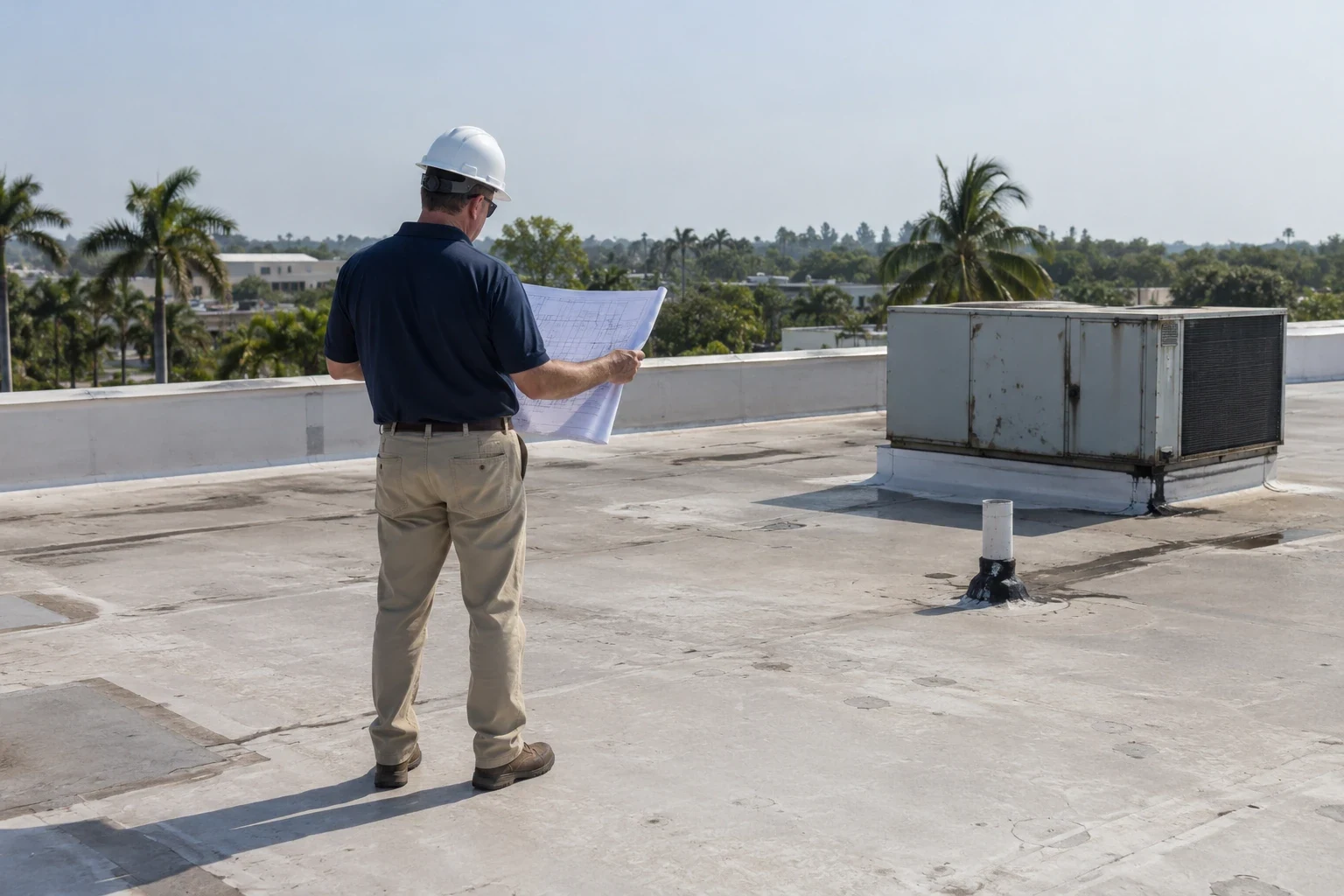
The name of a roofing material does not tell you which one your building needs. What is on the roof now, how it drains, what is underneath and how it meets walls and equipment all shape the choice. We inspect Downey, CA commercial roofs before recommending a system. You get the tear-off, prep work and flashing details explained along with the material price. A low price per square foot can leave out the work that makes the roof actually finish. Compare systems once that work is on the table.
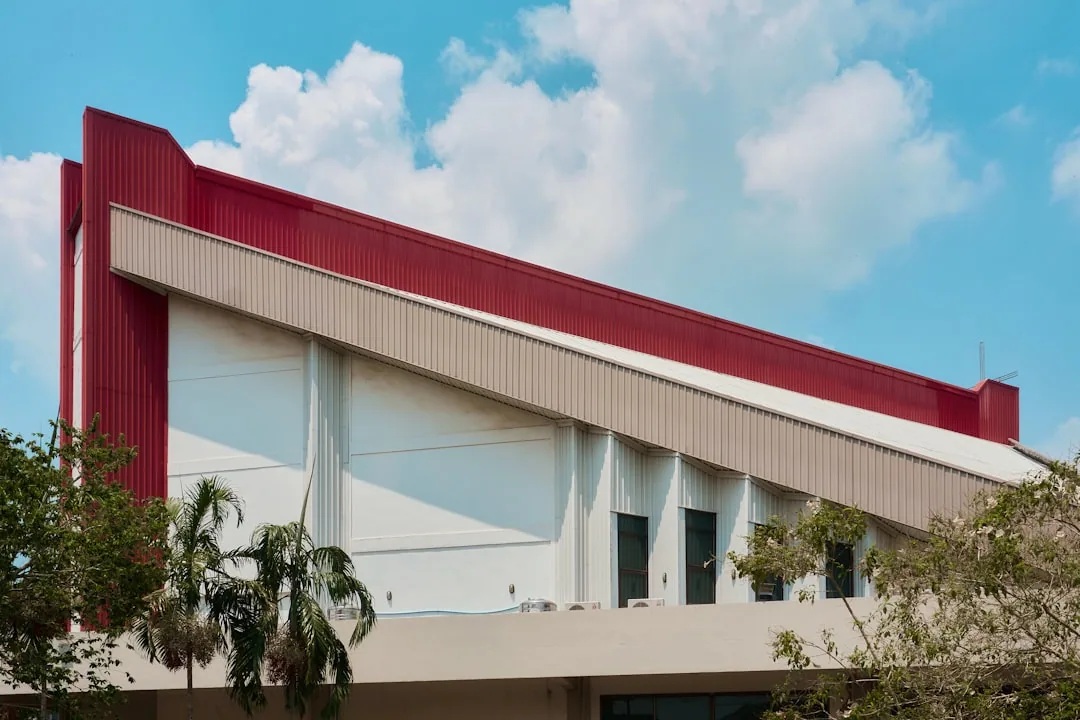
Choosing a roof system starts with the existing assembly, building use, drainage, transitions and project requirements. We identify the membrane or metal construction where it can be verified, then explain compatible repair, recover or replacement options. System pages describe material differences, but the final scope depends on the roof examined and the details needed to complete the work. Keep product selection tied to preparation, attachment, flashing and long-term maintenance requirements.
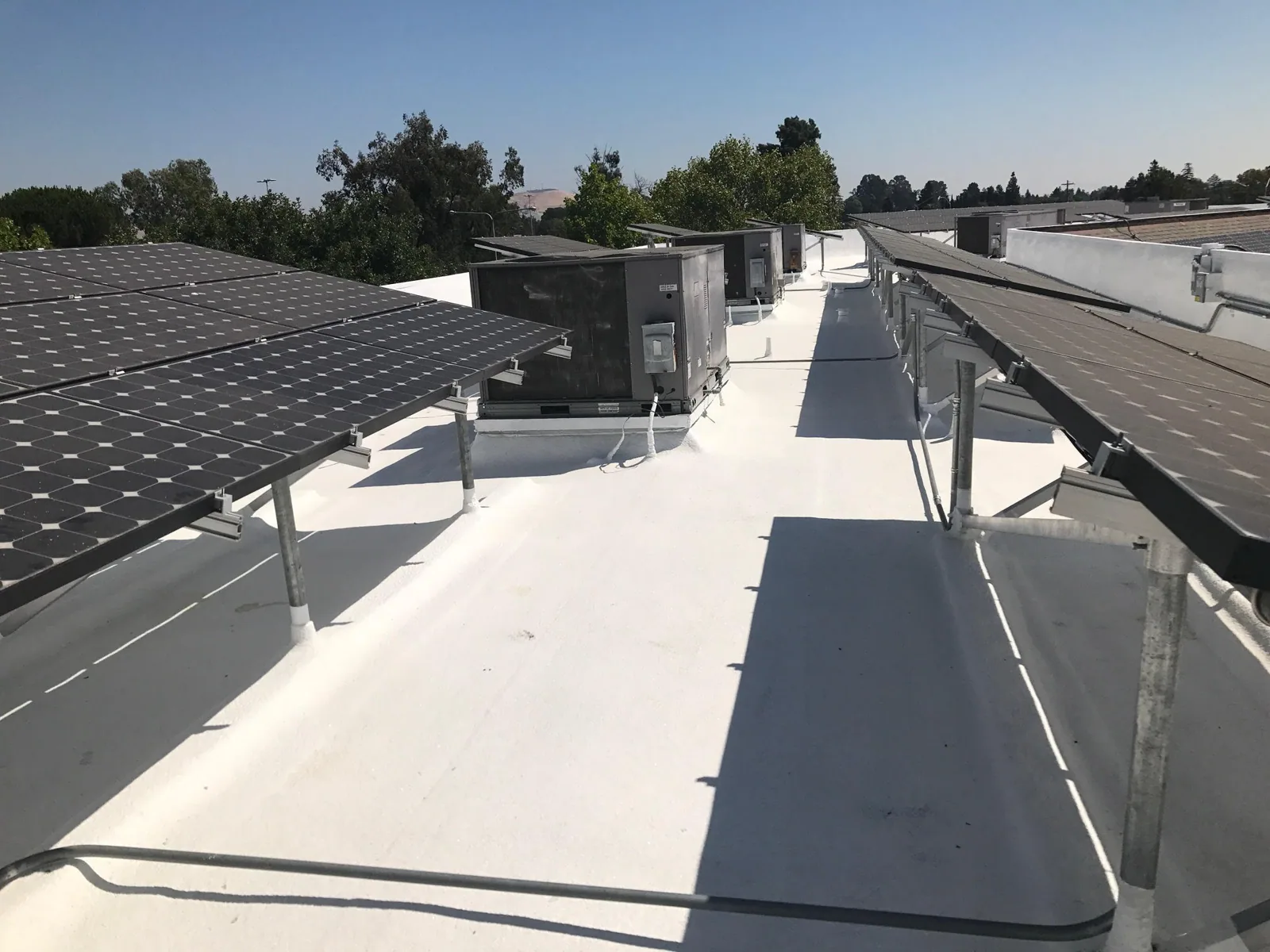
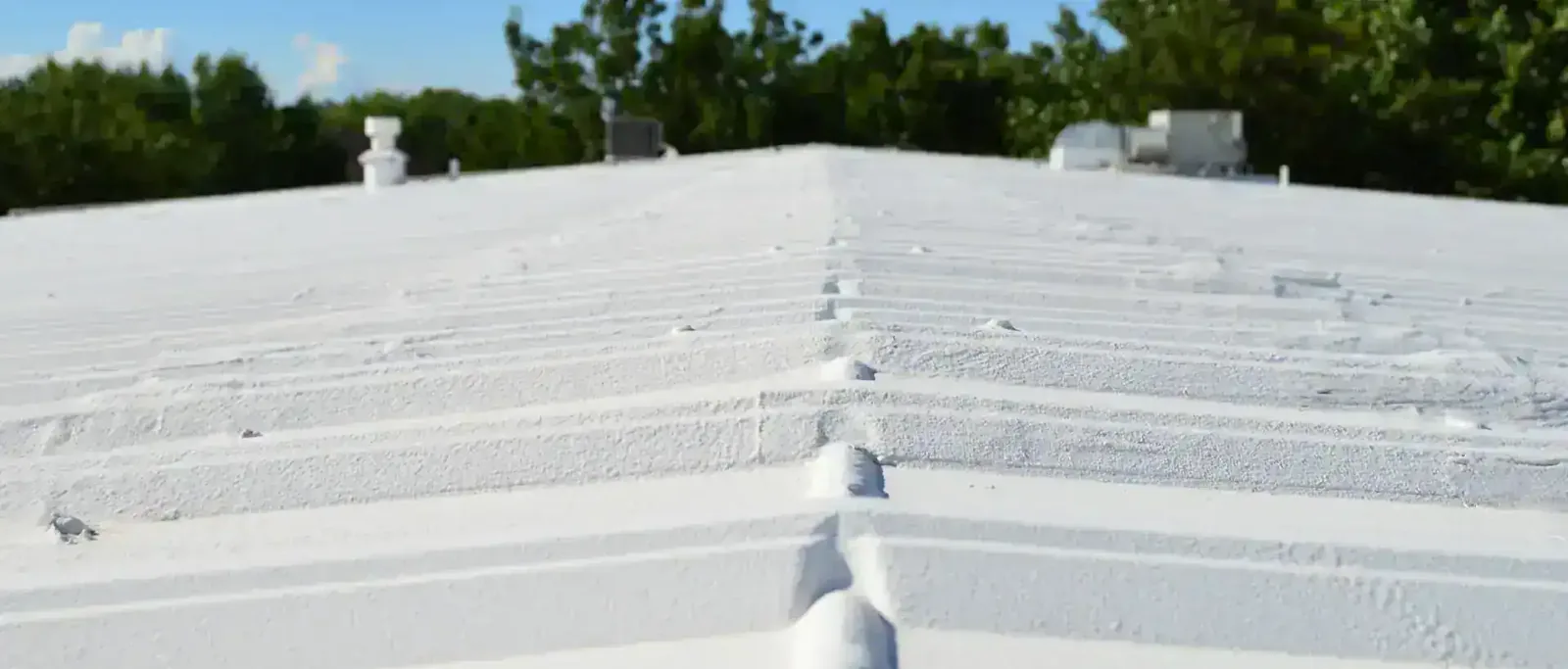
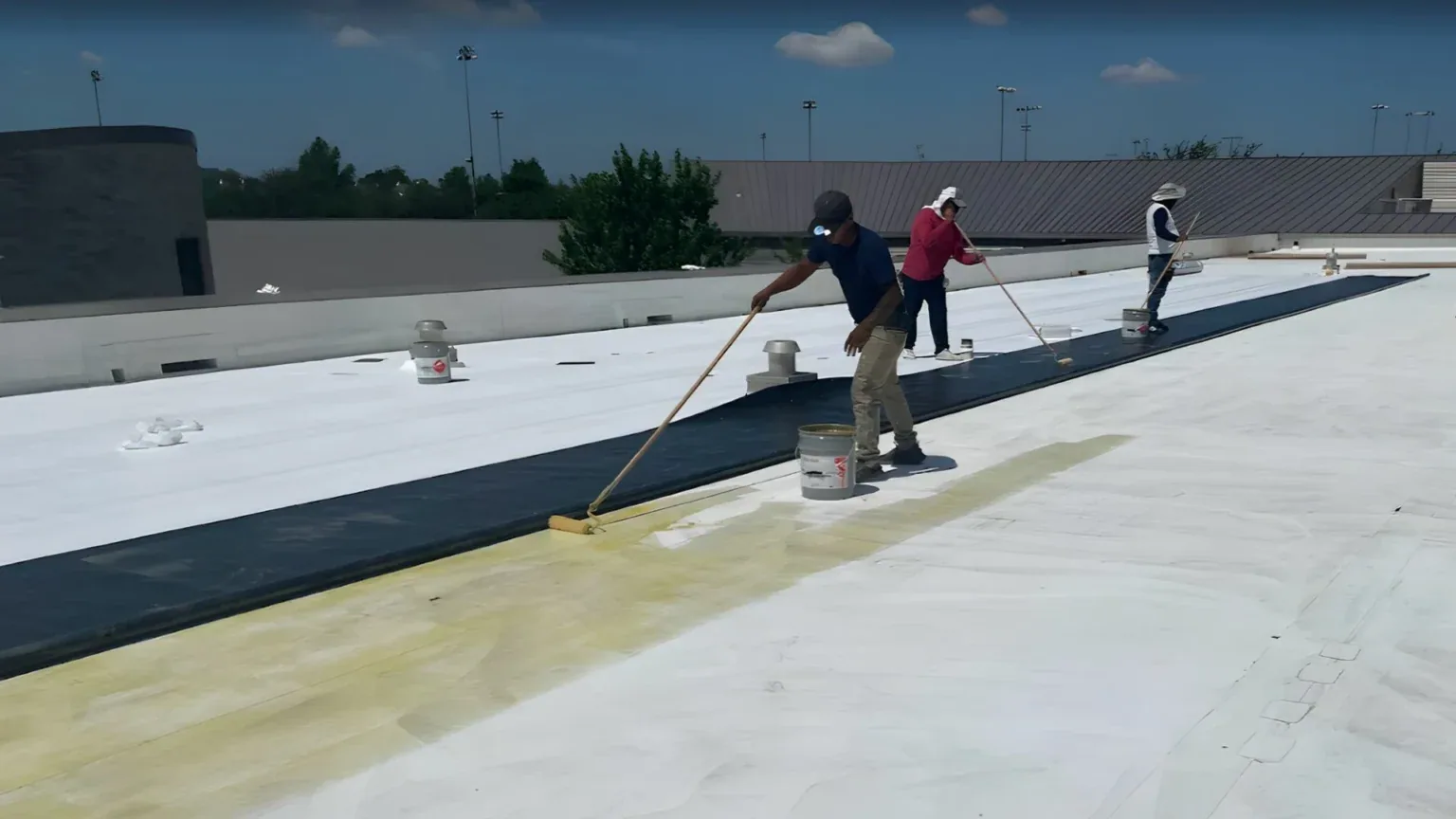
What each system needs underneath
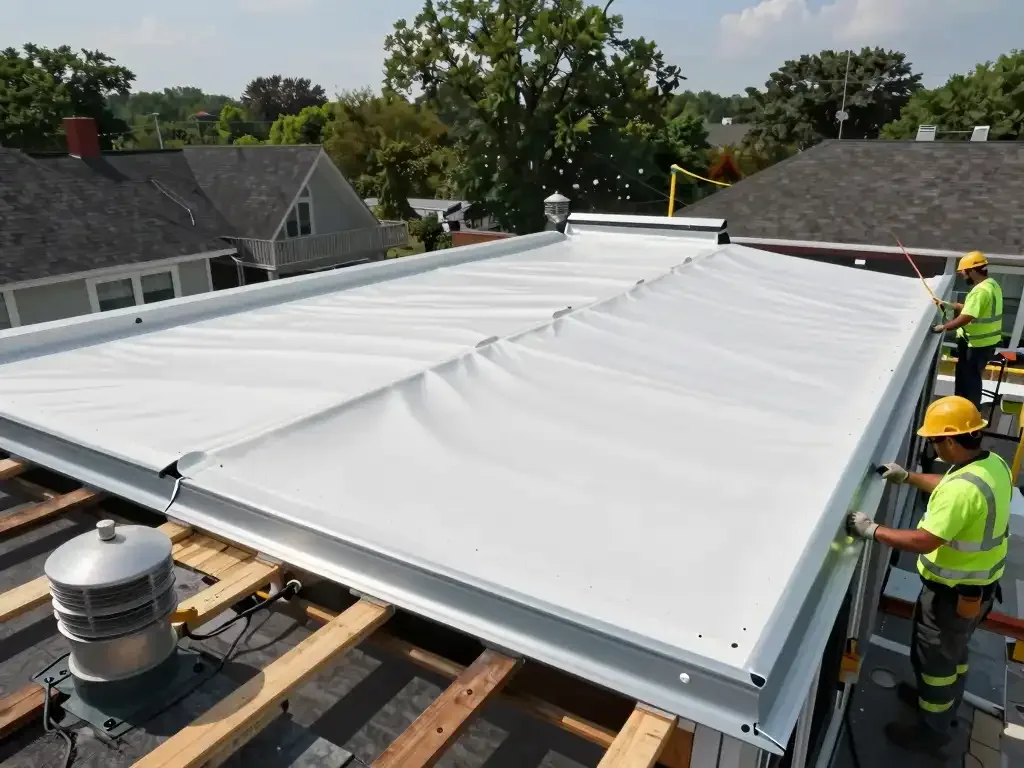
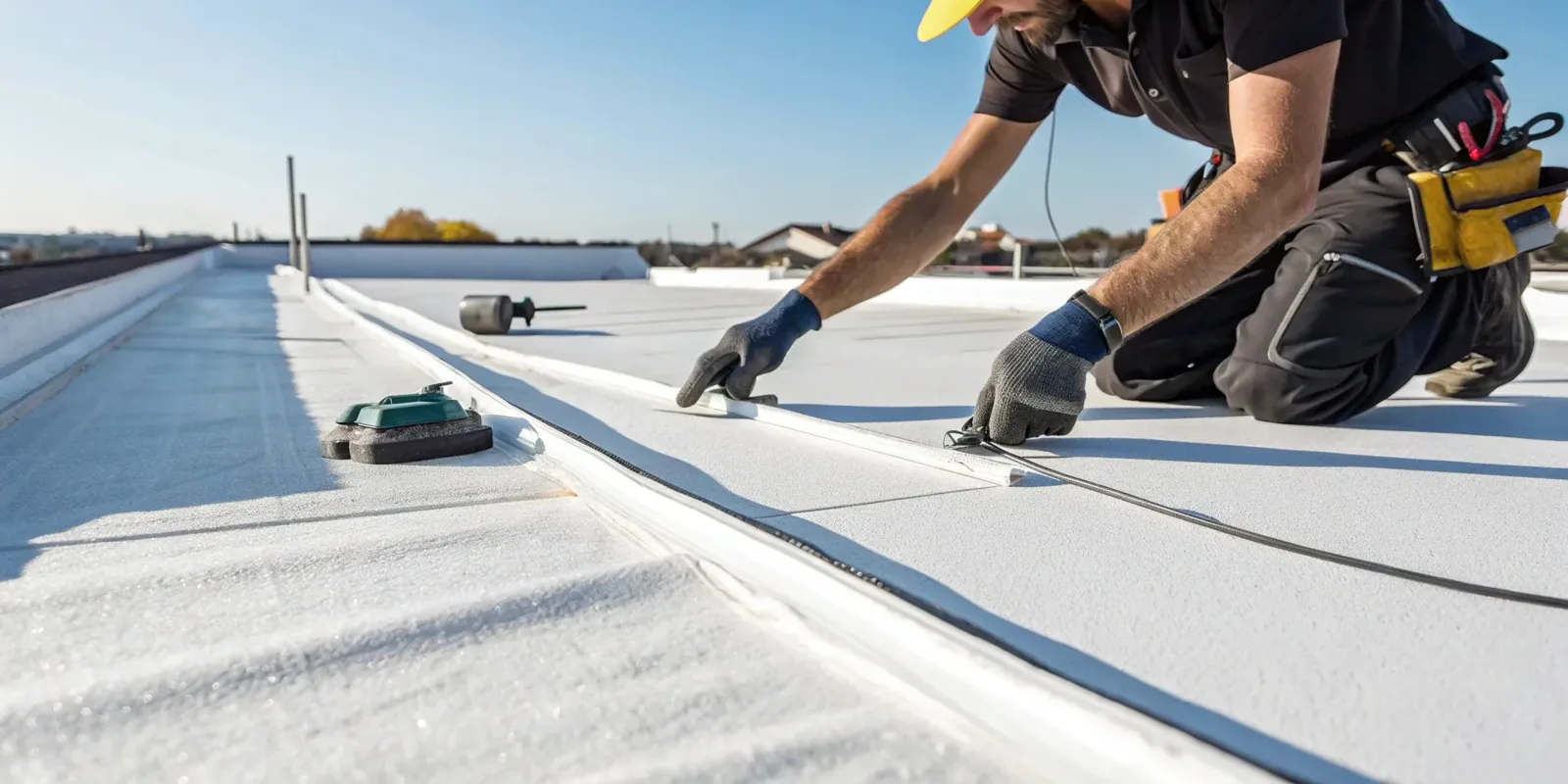
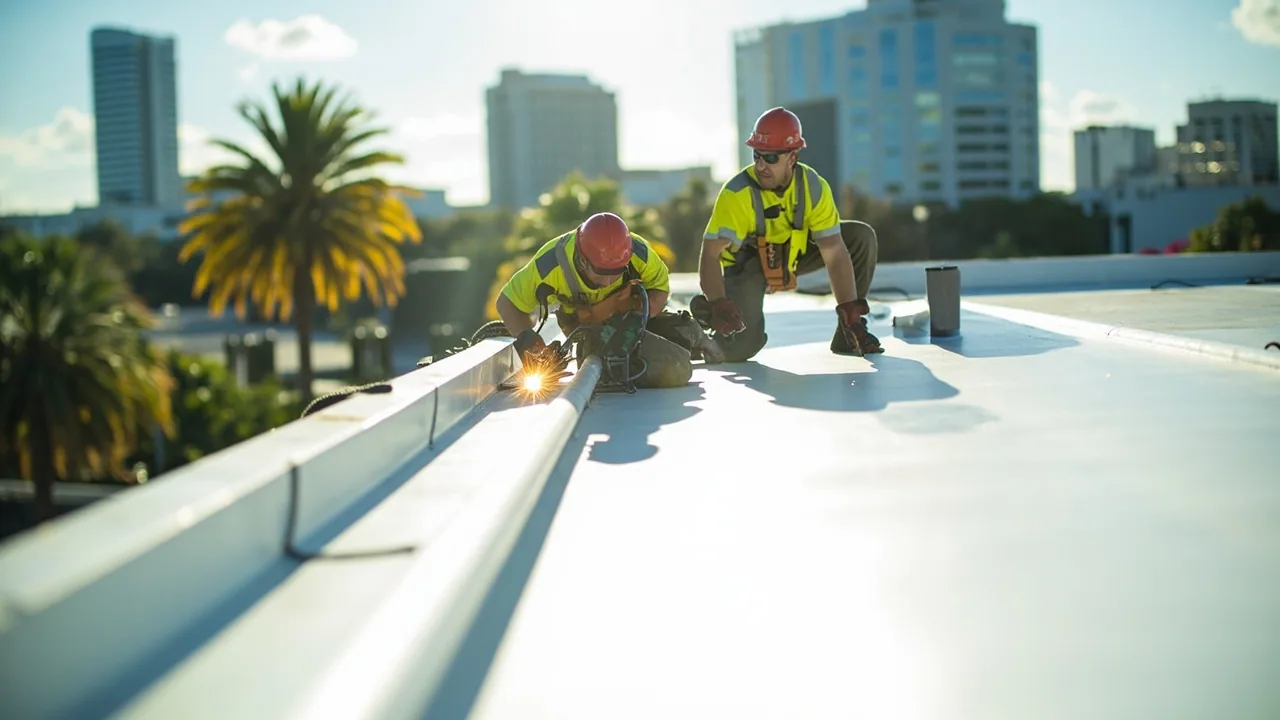
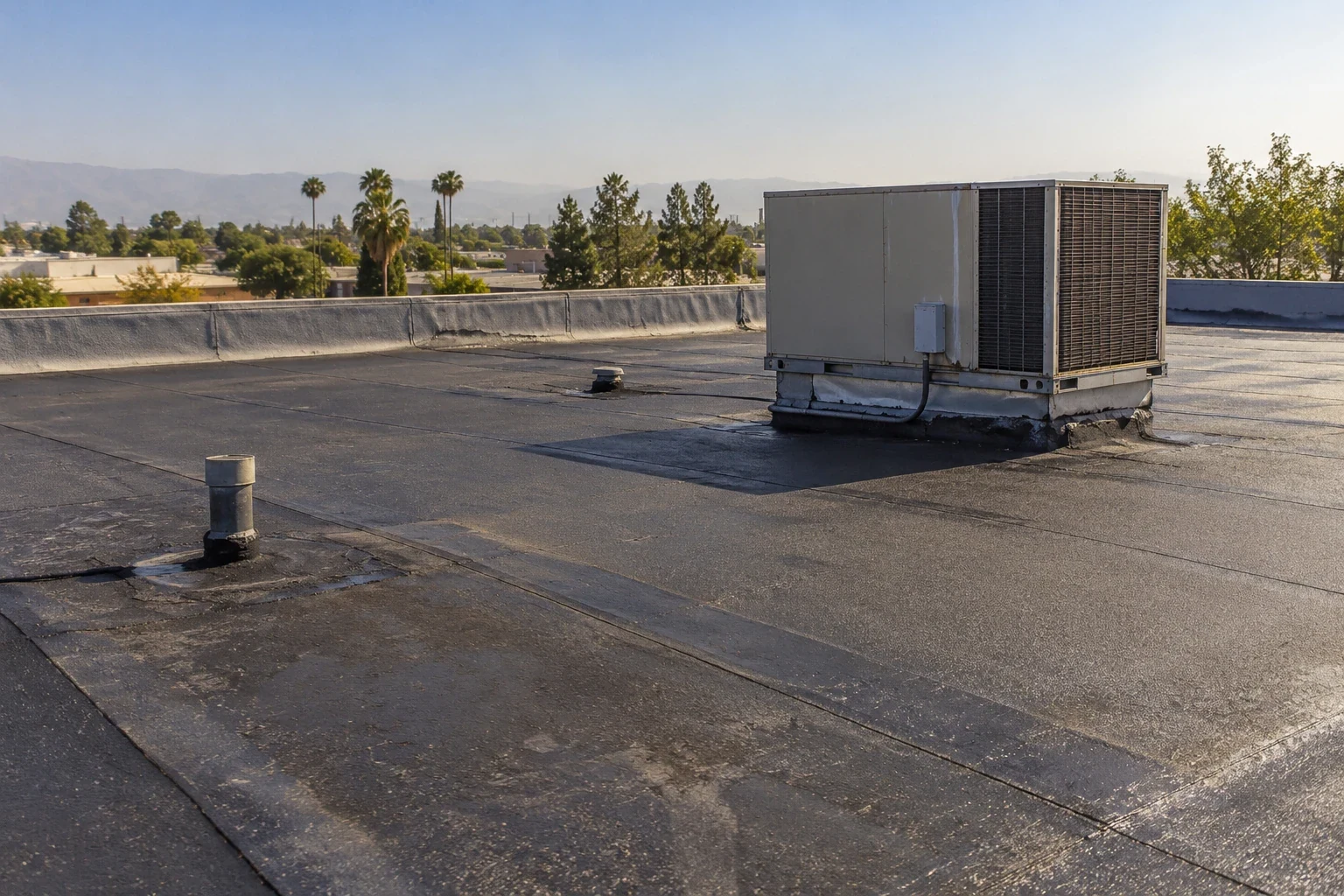
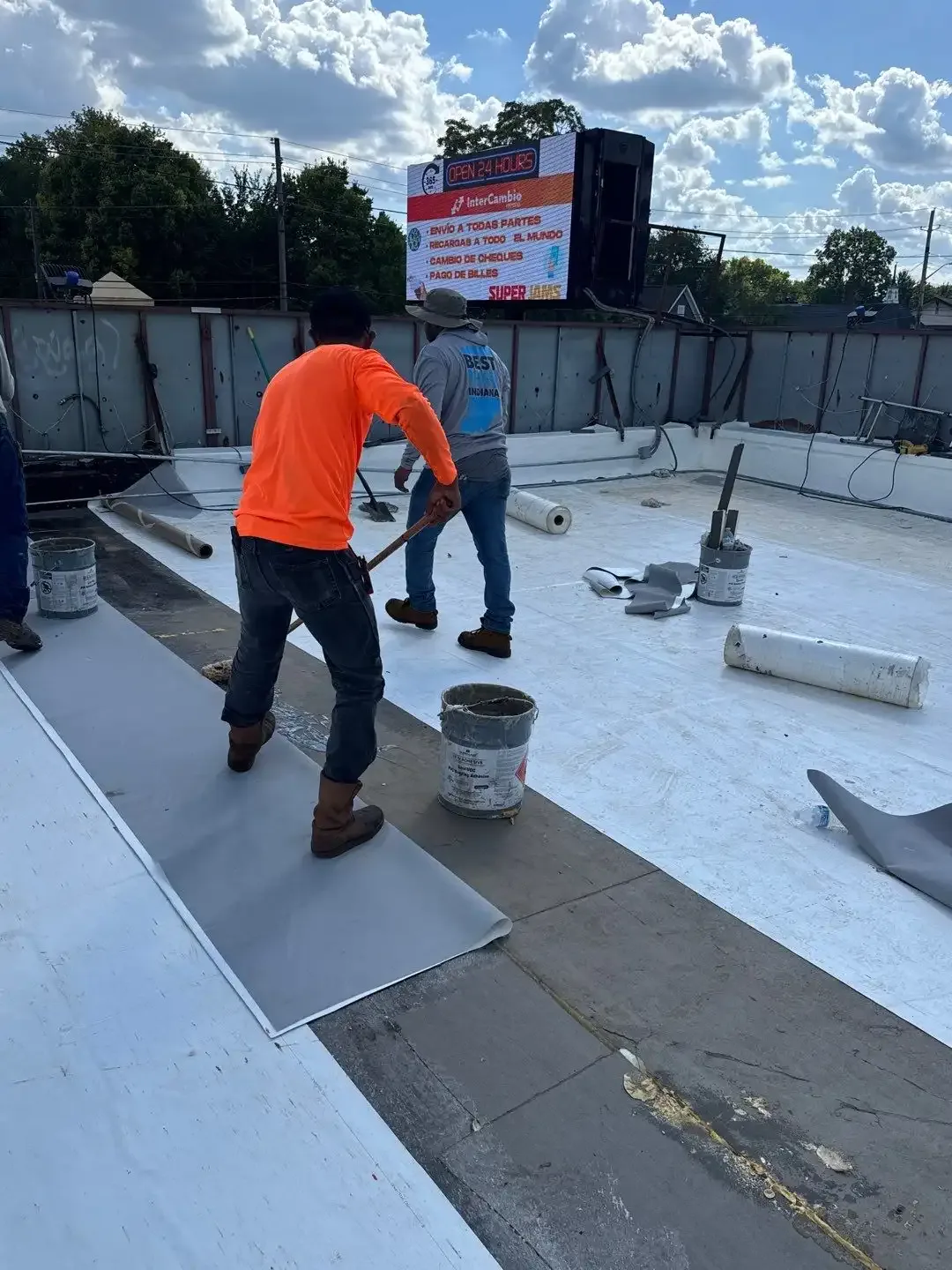
TPO roofing is heat-welded and needs a clean, compatible surface to bond to. PVC roofing is also welded but has its own materials and details, and it handles grease and chemicals better. Neither one fixes a rotted wall backing or a soft deck. We check what each detail will tie into before setting quantities.
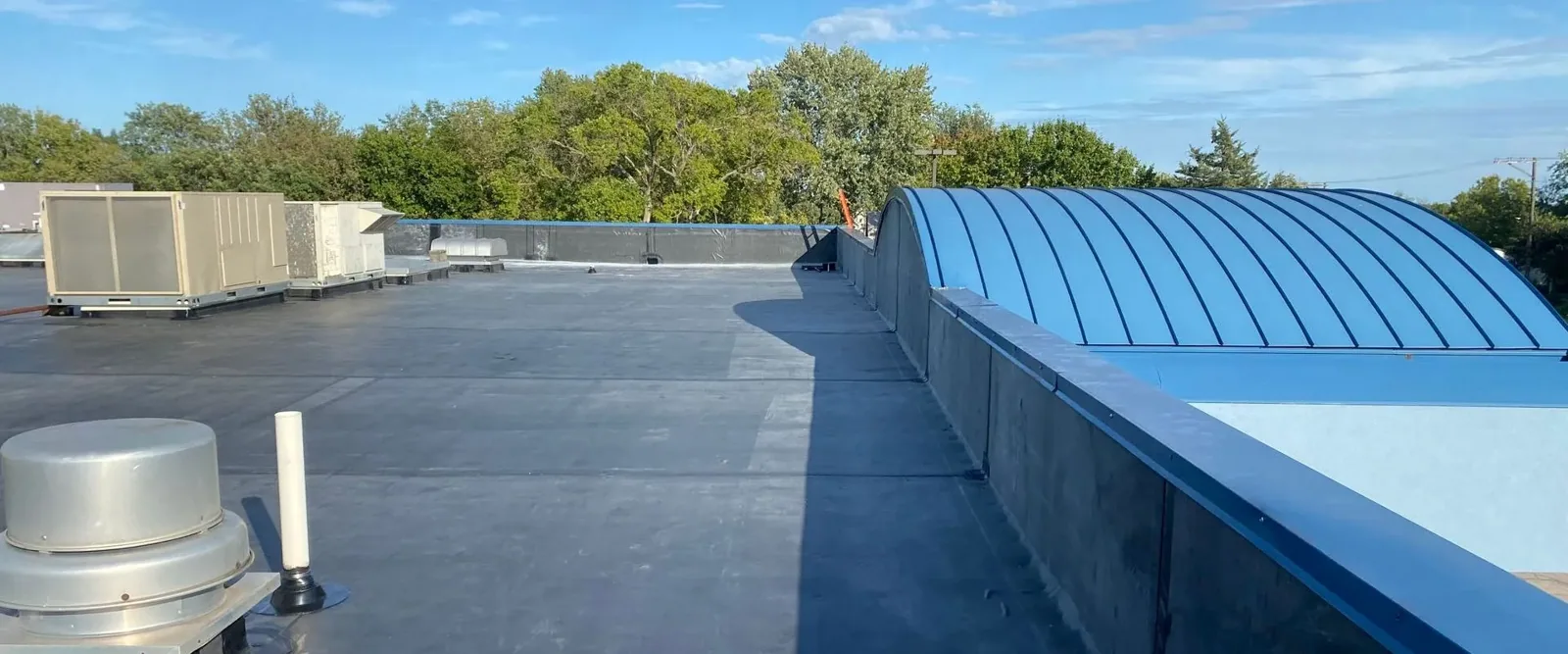
EPDM roofing is a rubber membrane with taped or glued seams and its own repair methods. Modified bitumen roofing is torched, mopped or adhered in layers and needs a different crew setup. If the work changes the roof design, such as adding insulation or moving drains, an engineer or designer may need to review it. We list work by other trades next to the roofing price instead of assuming one product handles every detail.
Silicone roof coatings only make sense on a roof that is still sound and mostly dry. A coating will not fix rotted backing or failed flashing. We inspect the membrane and details first, and explain where a coating is a good fit and where more testing is needed before recommending it.
Tear off or keep the existing roof
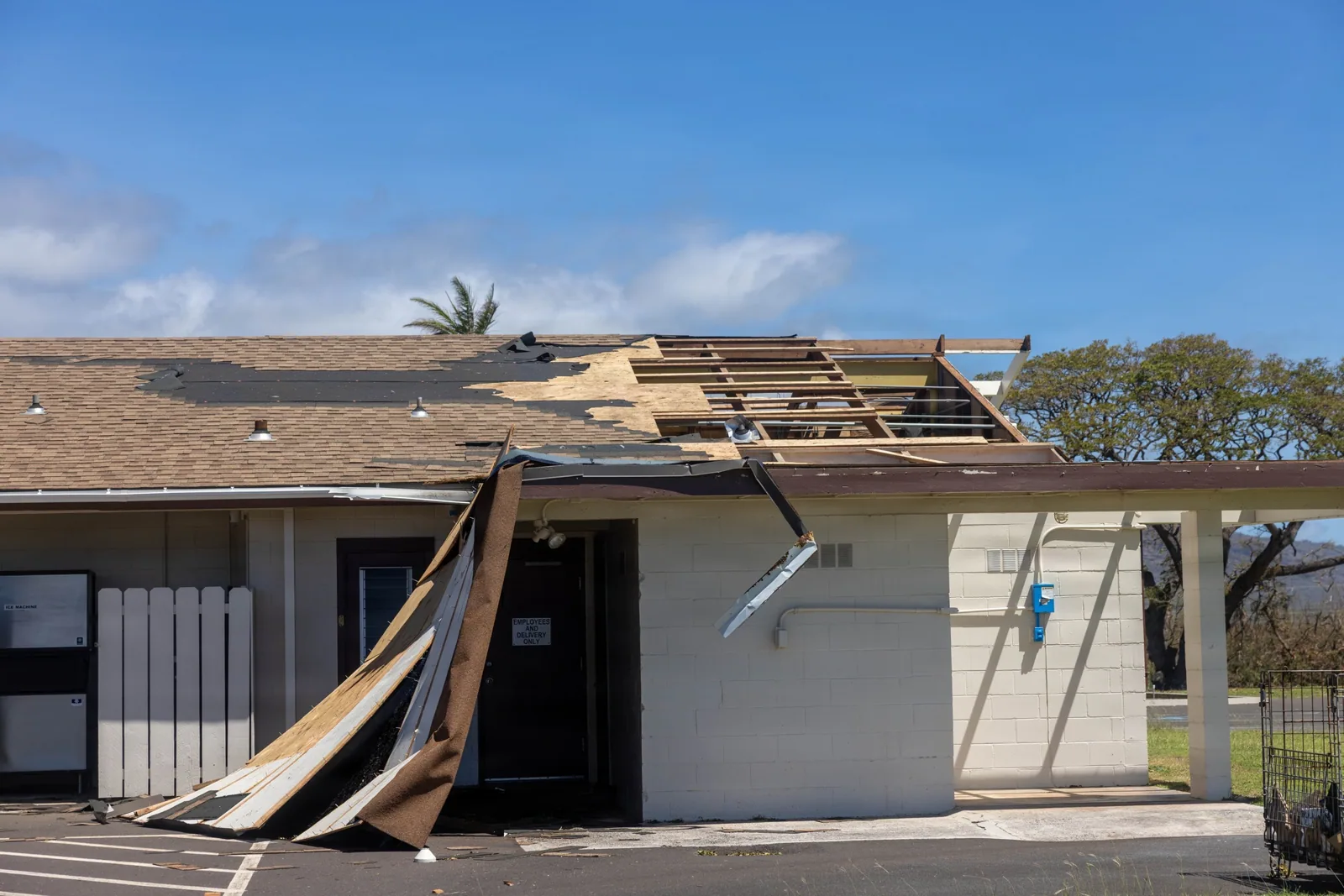
Whether the old roof can stay often comes down to whether the insulation is wet. An infrared moisture survey shows likely wet areas, which we confirm with core cuts. Test cuts are patched as part of the job. A scan alone does not prove the whole roof is dry.
Each option has a different impact on the building below. The building staff decide how affected areas are protected, and we include that protection in our price. Keeping the existing roof still requires flashing and edge prep. Tearing it off means hauling away the old roof and rebuilding the insulation and details, not just disposal.
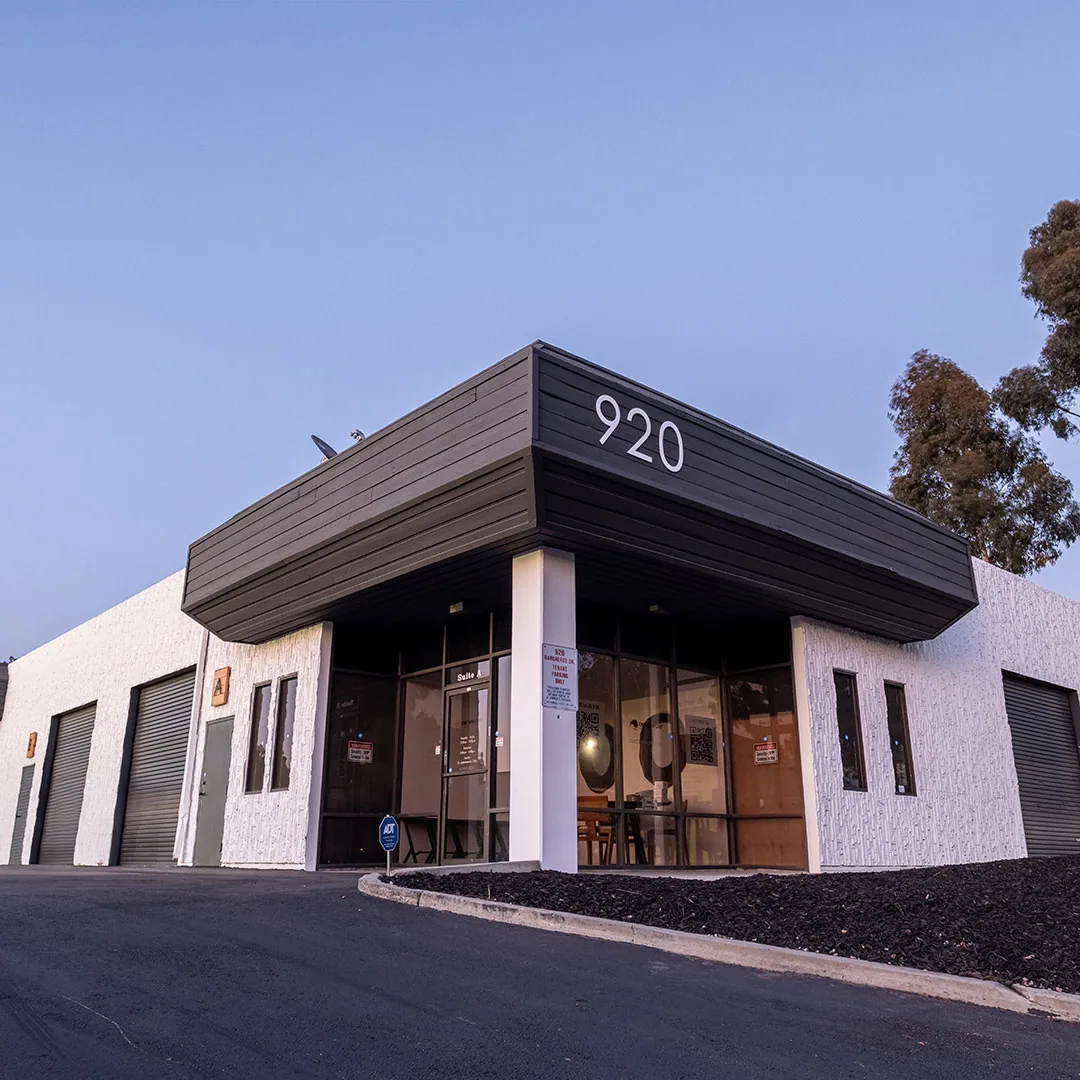
For roofs near the I-5/I-605 interchange, send the building address and any roof records. We photograph the deck and details before they are covered. At close-out, you get a record of the system installed and any open items for other trades, which helps with future repairs.
Compare finished assemblies, not just field material
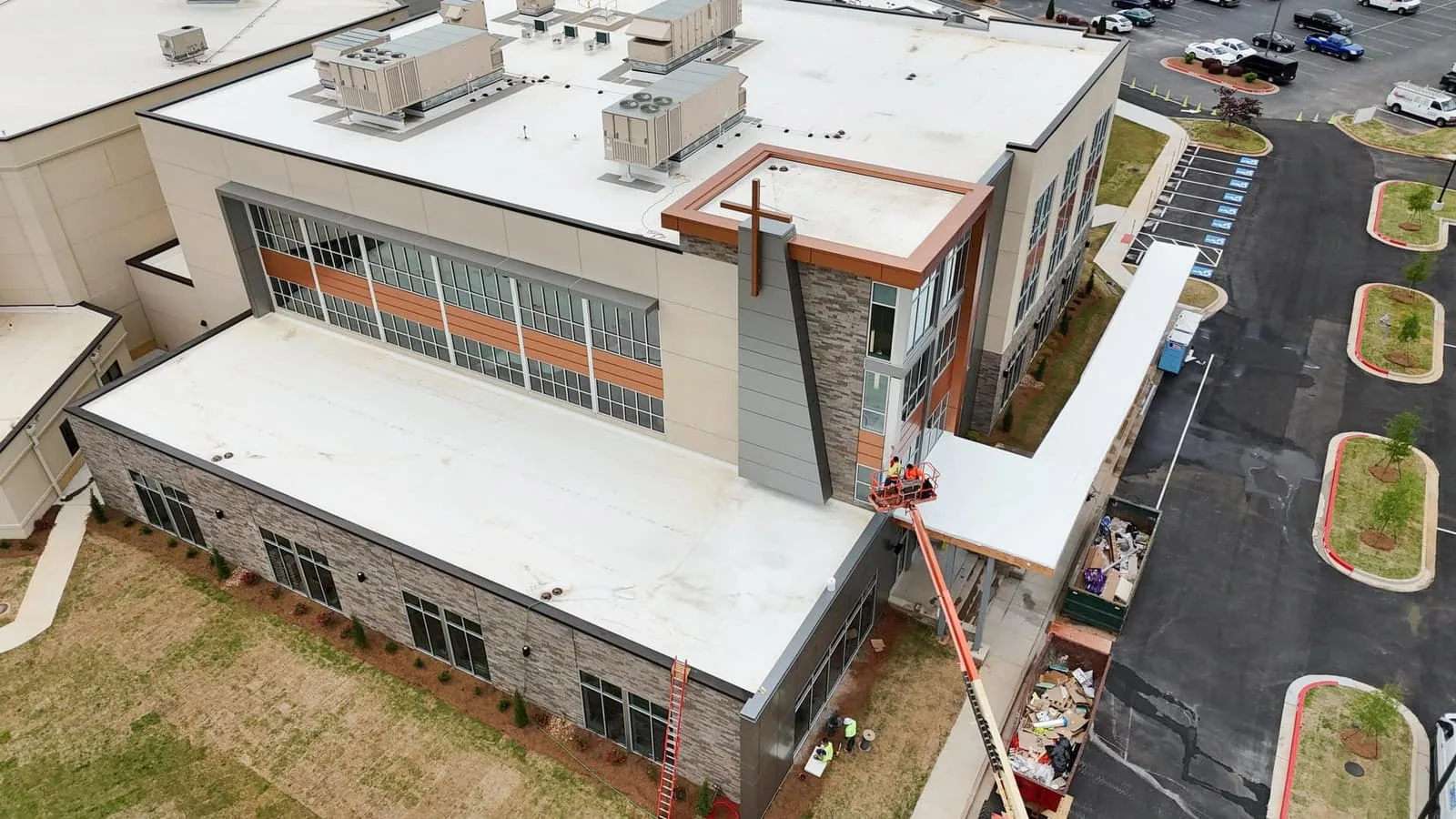
A system price should include solid backing, attachment and finished edges and flashings. A membrane sheet alone does not seal a wall, drain or equipment curb. We point out where those details differ between options and keep hidden conditions separate until confirmed. That way you compare finished roofs, not material labels.
Plan the layer sequence around the existing roof
Adding insulation raises the roof, which can affect drains and equipment curbs. Tearing off can reveal backing problems that change which system makes sense. We check those spots before ordering material, and include patching test cuts and access for the flashing work. A cheaper price is not comparable if the other option includes the work needed to finish.
Commercial Roofing Questions
What should support choosing one roof system over another?
What the building needs to make each option work: the condition of the deck and insulation, the flashing and edge details, any tear-off, and protection of the spaces below. The material name alone does not tell you which option will give you a complete, watertight roof.
When does coating need more investigation before approval?
Before approving a coating, the membrane and insulation have to be checked. If the insulation may be wet, test it. A coating will not fix wet insulation or failed flashing, and we include patching any test cuts in the price.
What makes two roof-system prices comparable?
Both should cover the same tear-off, the same prep work and the same finished details at walls, drains and edges. Look at what attachment, backing and accessories each one includes.
When should an existing layer stay in the scope?
Only when testing shows it is dry and sound and the new system is approved to go over it. Areas that have not been tested stay listed as open questions until they are checked.
Compare roof systems on the full job
Send us the building address and any roof records you have. We will inspect the roof and explain which systems fit, what prep work they need and what each one costs.