Home / Commercial Roofing Services
Commercial Roof Leak Repair in Downey, CA
Commercial roof leak repair in Downey, CA. We trace the leak to its source, stop the water, and price the permanent repair separately from emergency protection.
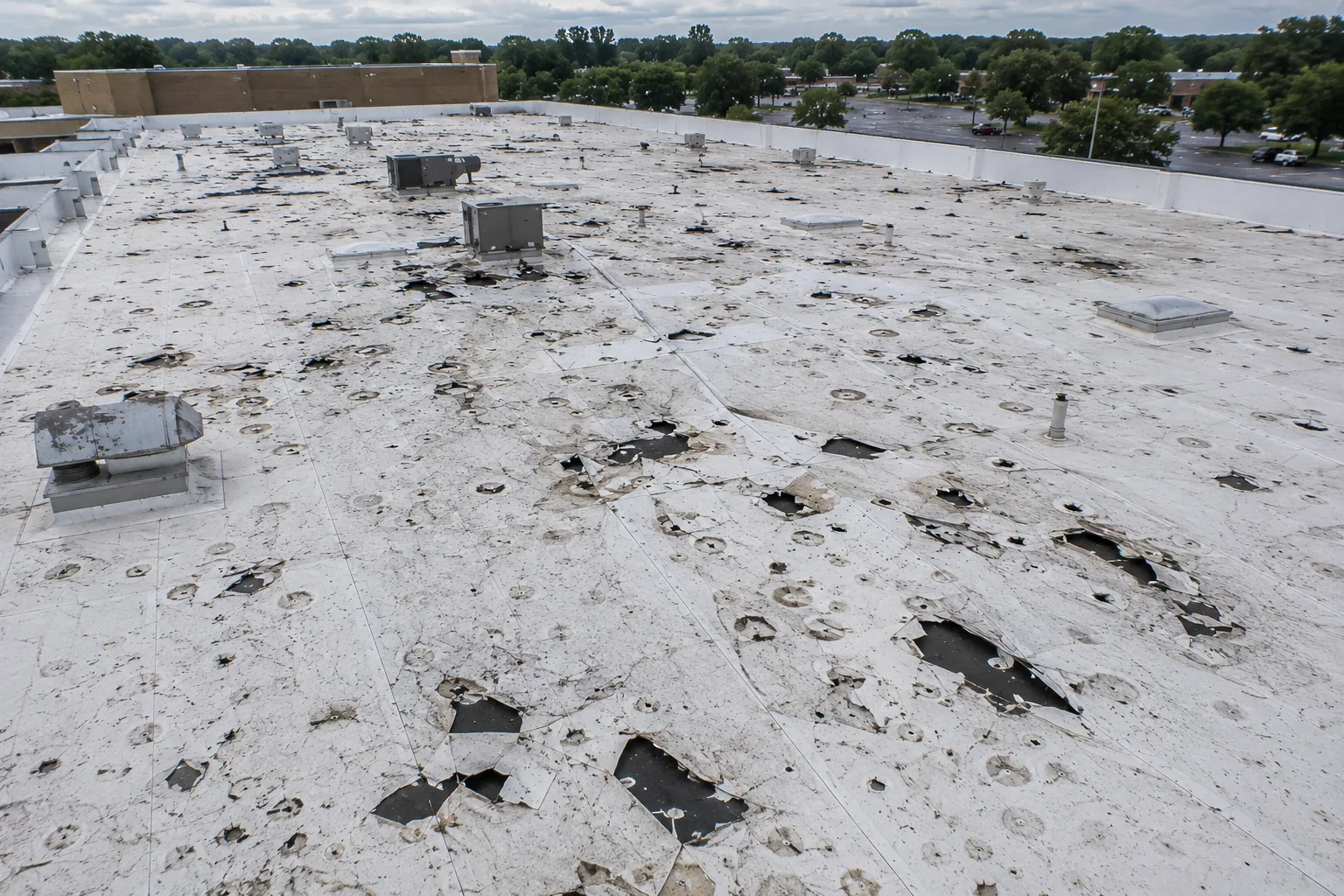
If the same leak keeps coming back, the problem is usually that nobody found where the water actually gets in. Another patch on top does not change that. Commercial roof leak repair in Downey, CA starts with matching what tenants see inside to what we find on the roof. We inspect the area above and around the leak, and we keep what we suspect separate from what we can actually see is open or damaged. The permanent repair is based on those findings and on what the existing roof materials require.
Begin with the time and weather conditions tied to the interior report, then compare them with the roof area above and uphill from the stain. Note whether the problem follows rain, irrigation, or equipment operation. That pattern can narrow the inspection, but it does not prove the source. Check each likely seam, penetration, wall transition, and drain before selecting a repair, and keep any unconfirmed path distinct from an opening the crew actually finds.
It helps to tell us about past repairs and when the leak shows up. We note those details by date and location without jumping to a cause. The property manager can then approve the leak investigation and any temporary protection first, and decide on the permanent fix once the source is confirmed.
Price leak tracing and the permanent repair separately
A leak call should say what the investigation covers. We start from the room or roof area where the leak was reported and any photos or notes from staff. We inspect the roof and flashings in that area and tell the manager which spots we could not reach or need a different test to check.
The permanent repair gets its own assessment. Depending on what we find, it could be a seam repair, replacing wet insulation underneath, or fixing a curb or flashing. Each of those shows up as its own line instead of one general "leak repair" charge, so the manager knows what the first visit can and cannot tell them.
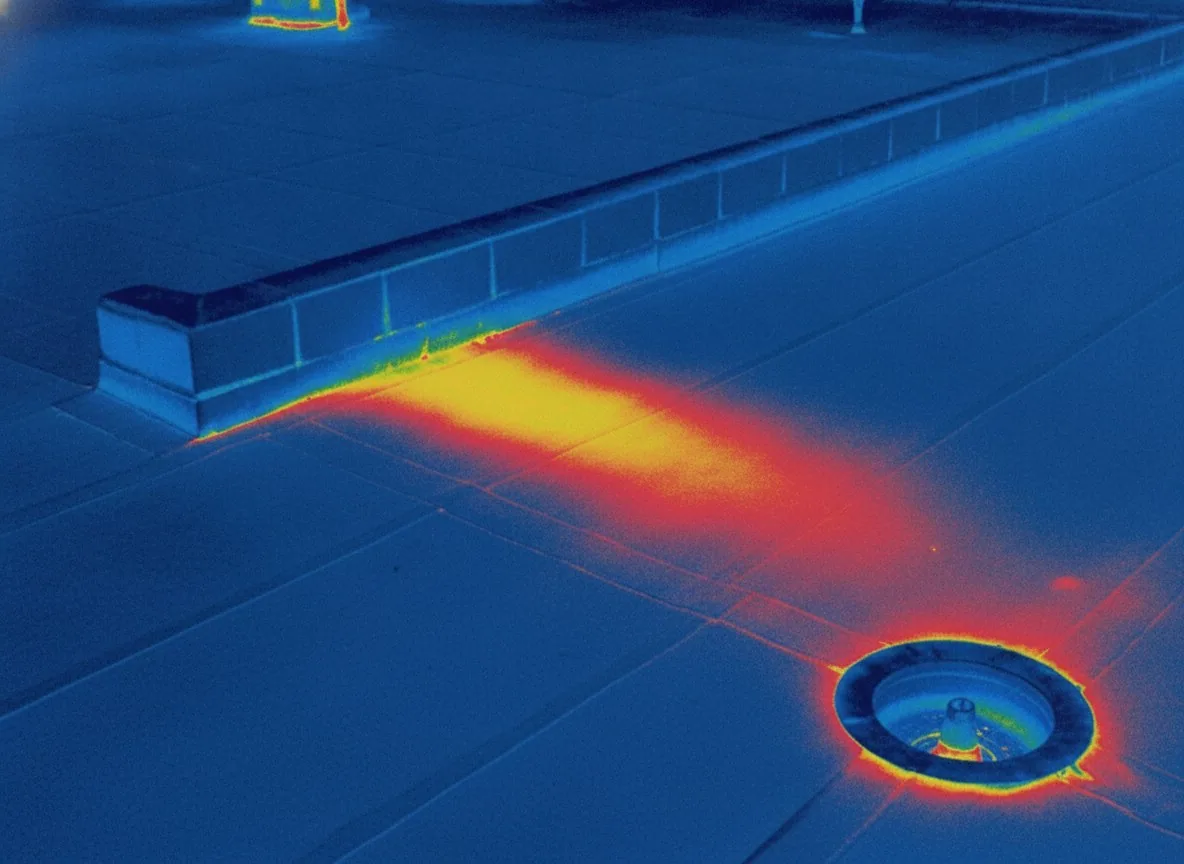
An infrared moisture survey can help where the leak is hard to trace. A wet area on the scan still has to be confirmed with core cuts, and a wet patch of insulation is not the same as finding the hole that let water in. We say what further checking is needed before removal quantities are final. That way the estimate ties each repair to real evidence, and anything still being investigated is clearly marked as such.
Inspect the details before choosing repair materials
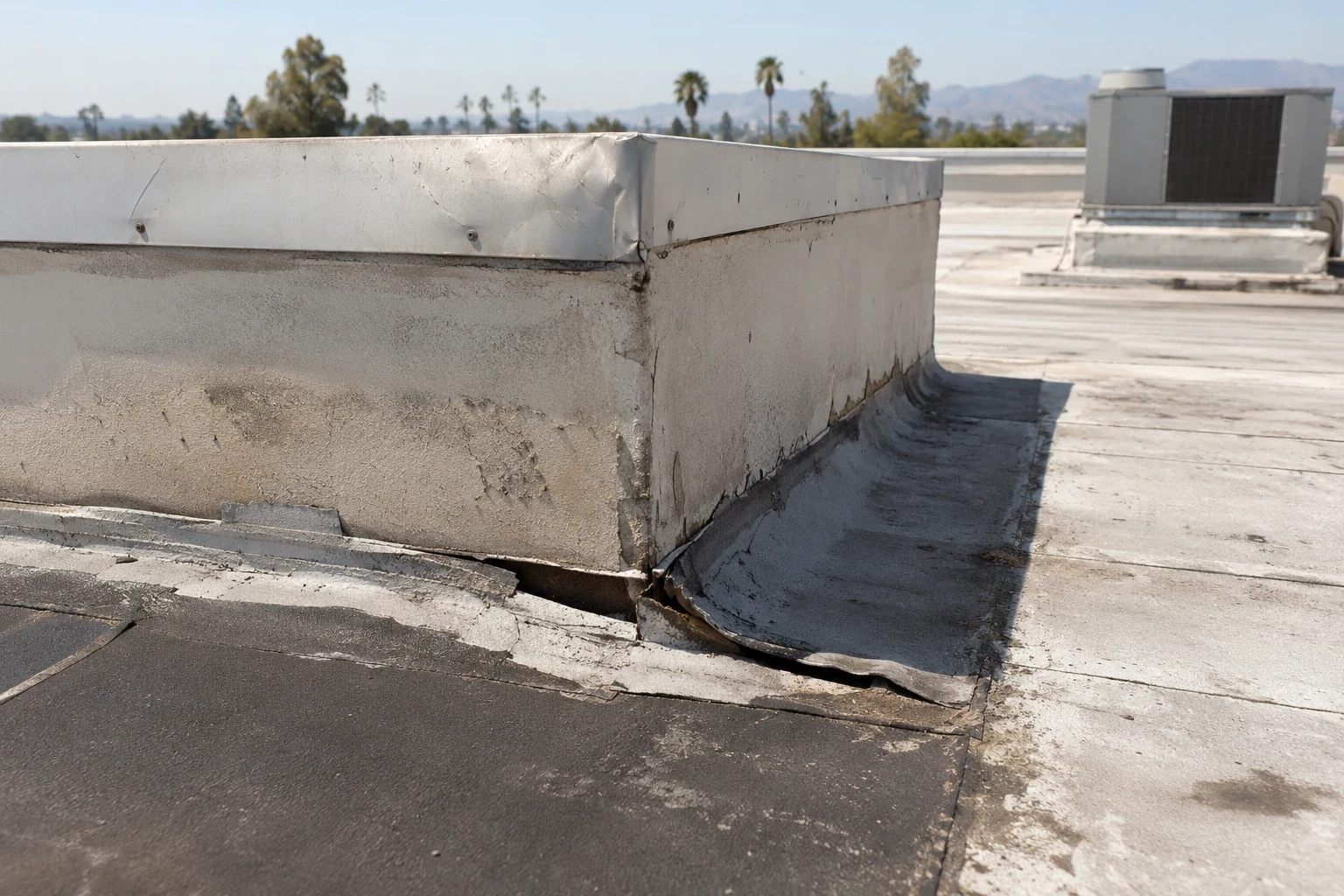
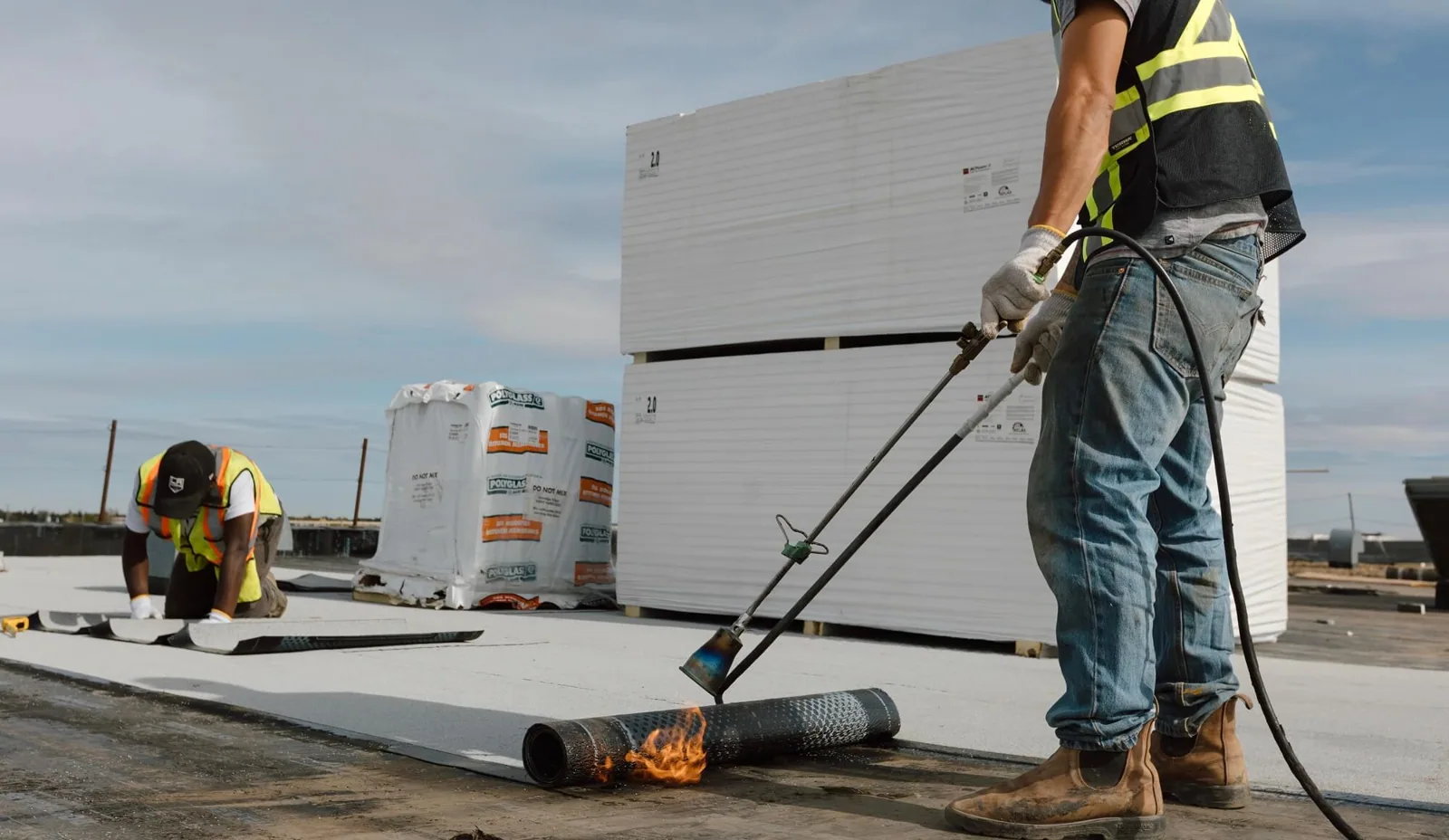
We look at the membrane and flashings around the leak area and identify the existing roof and any earlier patches or coatings, since those affect what will bond. Seams, flashings, curbs and pipe boots near the leak all get checked. If an old patch material cannot be identified, we figure that out before relying on it.
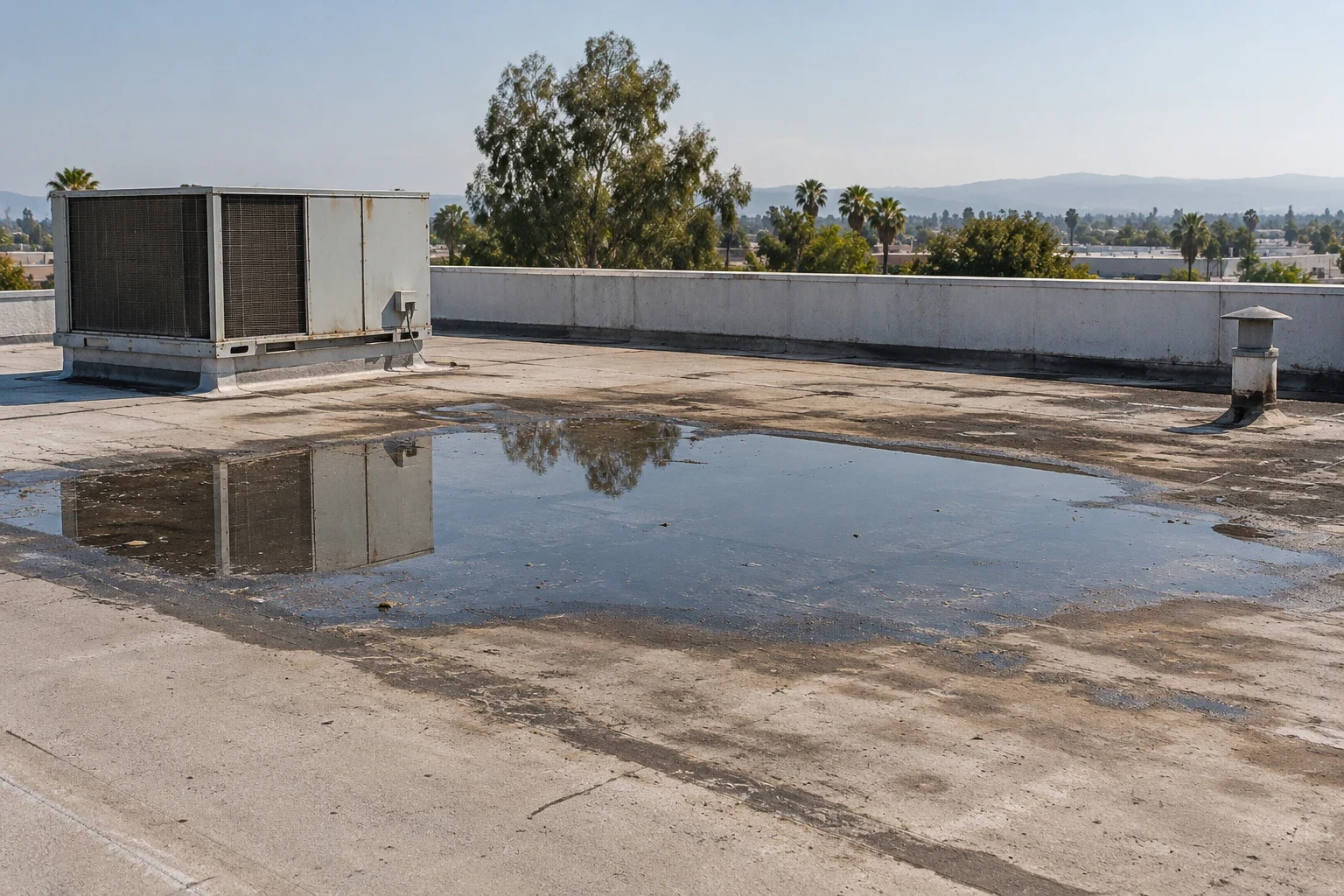
A flashing repair includes the prep and any rotted wood or loose backing behind the flashing. When ponding water is part of the problem, fixing the low spot is a separate job with its own assessment. One repair does not solve both.
We explain how the new materials will tie into the existing roof at each edge. If we cannot reach part of a flashing yet, we say what needs to happen before we can inspect or rebuild it. Confirmed defects are recorded separately from suspected leak paths, so the property manager gets a clear repair plan where the findings support one and an honest next step where they do not.
Separate emergency protection from the finished repair
An active leak may need temporary protection right away. We check roof access and the condition of the area before choosing a measure, such as a temporary patch, a tarp or diverting water. We describe exactly what we covered and what it does not fix. The manager approves that specific work and should not assume the damage underneath has been repaired.
An emergency roof repair is priced and approved separately from the permanent fix. We note where temporary materials were placed so they can be removed or checked later. The permanent repair is based on what we find at the flashing and under the membrane, including removing anything too damaged to keep.
If opening the roof shows more damage, we explain the extra work and get approval before going ahead. The open area stays protected while that is decided. Structural questions go to the right professional. The original findings and the newly found damage stay separate in our notes, so the manager can see what was approved and why the job grew.
Coordinate with the HVAC contractor at equipment leaks
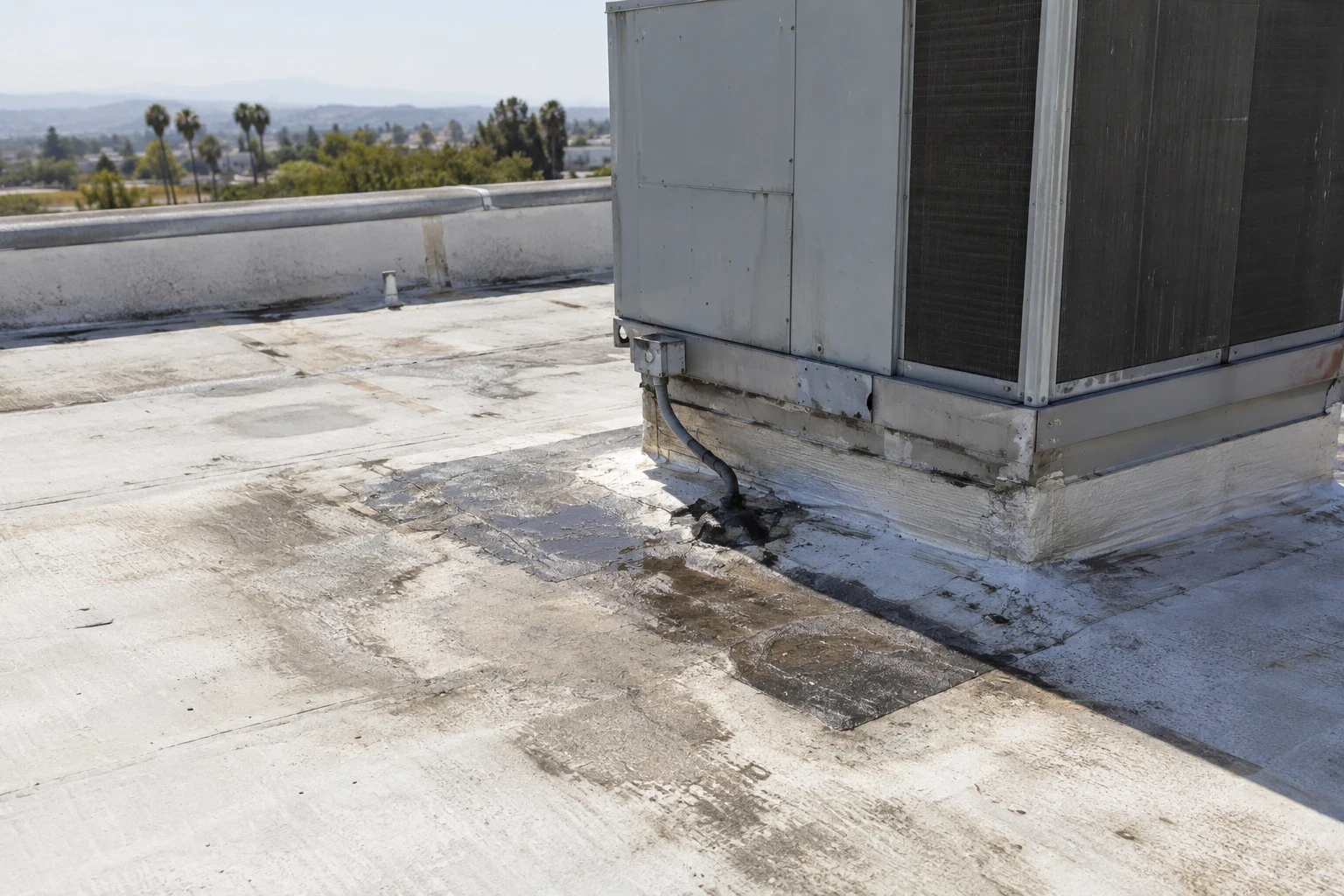
A leak near a rooftop unit often sits under parts of the unit we cannot reach. We inspect the roof side and note where the unit blocks the flashing. Sometimes the HVAC contractor needs to remove a panel, disconnect a line or lift the unit before we can rebuild the curb flashing properly. Roofers should not be taking apart someone else's equipment.
We mark that step and the roof repair it allows. We confirm who the equipment contact is and set up timing with the property manager. If the work has to be split over two visits, we include the extra setup and keep the area protected in between. A curb still waiting on the HVAC contractor stays separate from finished roofing nearby.
A commercial roof repair based on the leak findings keeps that open item listed. Finishing the roof around the unit does not mean the curb flashing is done. The manager knows exactly where and what is left before scheduling the next visit, and our crew comes back with the right materials once the equipment is out of the way.
Keep a record of the cause and the repair
After the source is corrected, record the roof detail and the nearby conditions reviewed. A useful closeout notes the patch or flashing installed, the surface prepared, and any wet insulation or deck exposed during the repair. If the opening did not reach the suspected path, say what remains to inspect rather than treating the visit as a confirmed resolution. In Downey, most Los Angeles-area rainfall arrives from November through April after long dry summer months. Before the rainy stretch, check whether the corrected seam sheds water toward a working drain and whether nearby ponding could expose a separate leak path. The same seasonal pattern matters for commercial roofs in Norwalk and Commerce: clear drains and inspect seams before the concentrated winter rain begins.
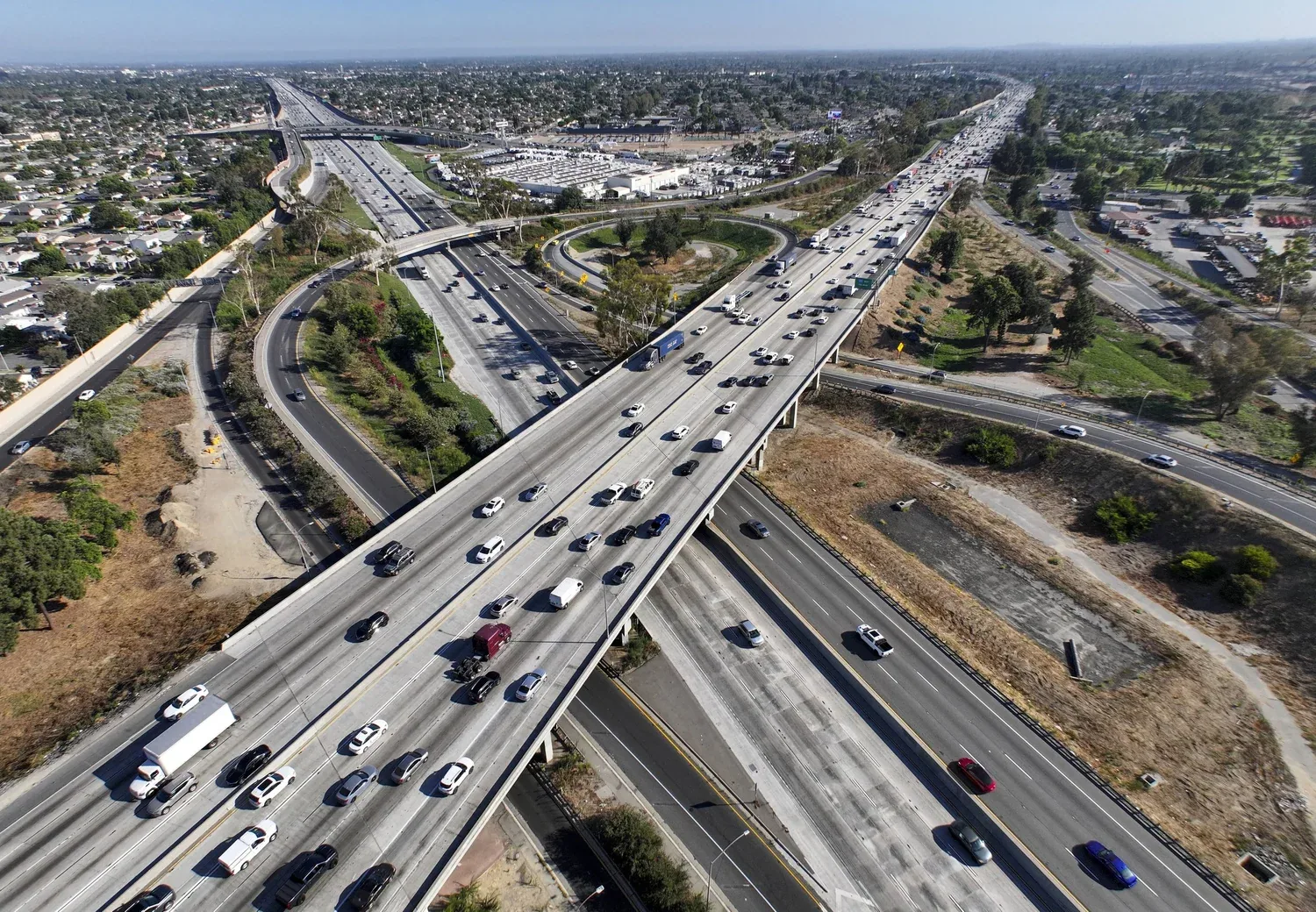
For leaks at buildings near the I-5/I-605 interchange, we match the reported leak to the roof section above it and the drain that serves it. A hospital roof leak comes with its own rules for access, infection control and working hours, which we set up with the facility. Knowing it is a hospital does not tell us which flashings we can reach.
We record the materials used, any backing we replaced and where each repair is, with photos and test results alongside. Approved changes are noted with the extra quantities. Areas we could not reach and HVAC work still pending are listed separately. The manager ends up with a clear repair history showing what was fixed and what still needs attention.
Commercial Roofing Questions
What should I tell you about a leak that keeps coming back?
When it leaks, where it shows up inside, what weather was involved and what repairs were done before. We keep what was reported separate from what we actually confirm on the roof, and we check old patches before relying on them.
How is temporary leak protection approved?
We describe the temporary fix, where it goes and what it does not cover, and you approve it before we start. The permanent repair is priced separately once we know what is damaged underneath.
What work falls outside the roofing crew's repair?
Moving or opening rooftop equipment belongs to the HVAC contractor, and structural concerns go to an engineer. We list those items next to the roof repair they affect and wait until they are done before calling the repair finished.
What records do I get after a leak repair?
The cause we found, the materials and backing we replaced, locations and photos, any test results, approved changes to the scope, and a list of anything still open. That gives the next contractor a clear starting point.
Get your roof leak traced and fixed
Send us the address, where the leak shows up and any past repair information. We will inspect the roof and explain the leak tracing, any temporary protection and the permanent repair our findings support.