Home / Commercial Roofing Services
Commercial Roof Repair in Downey, CA
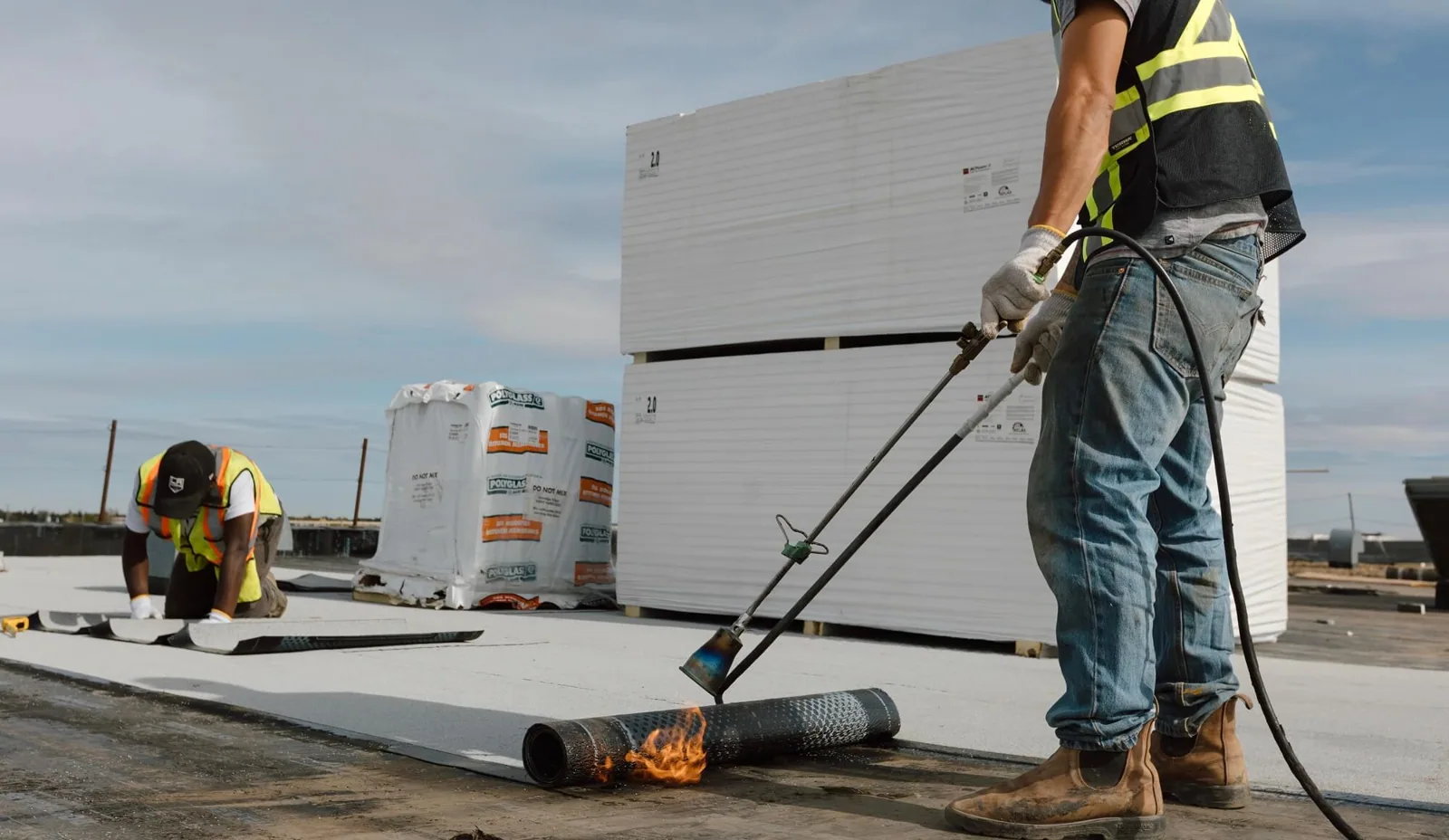
Commercial roof repair in Downey, CA. We find the failed seam, flashing or puncture, fix the backing behind it and price any equipment work up front.
A small hole in a roof can still turn into a sizable bill once you add access, rotted backing and equipment that has to be moved. Commercial roof repair in Downey, CA should list those costs right next to the visible problem. We find every defect we can reach before proposing a permanent fix. The property manager gets repair locations and a clear note of anything still unknown. A single line for "materials" cannot describe all the flashing and seams the crew actually has to rebuild.
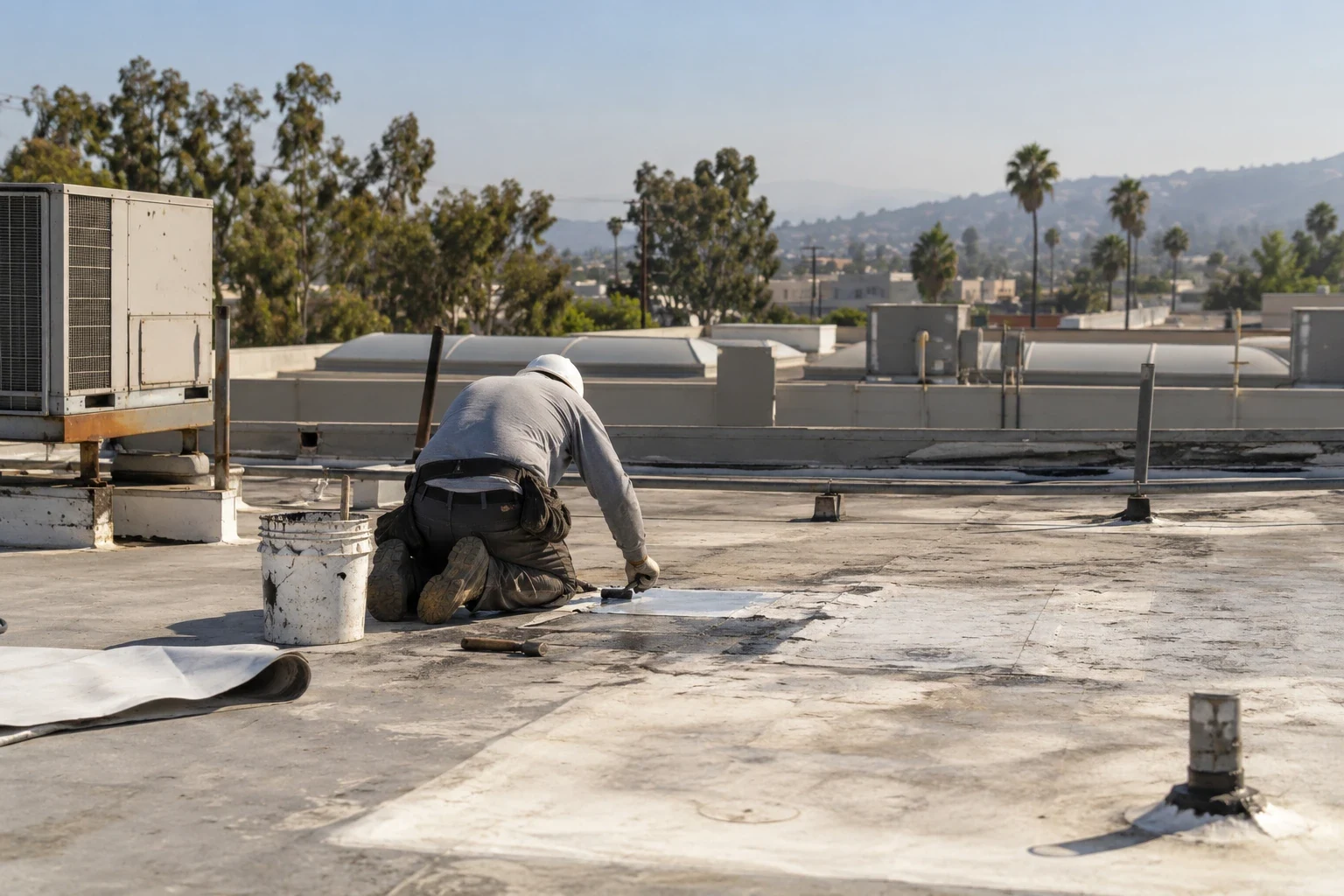
A repair should end at sound material, not at the edge of the visible stain. Trace the affected seam or flashing far enough to find firm, compatible roofing, then remove loose or failed material without enlarging the opening unnecessarily. Check the surface that will receive the new patch and identify any insulation or deck repair exposed during preparation. The finished scope should name the repaired detail, the adjoining surface prepared for adhesion, and any nearby defect left for separate work. That boundary makes future inspection and maintenance more useful.
A good estimate names the defect and the fix, then lists the prep and anything another trade must do first. That lets the manager approve the full job while open questions stay visible.
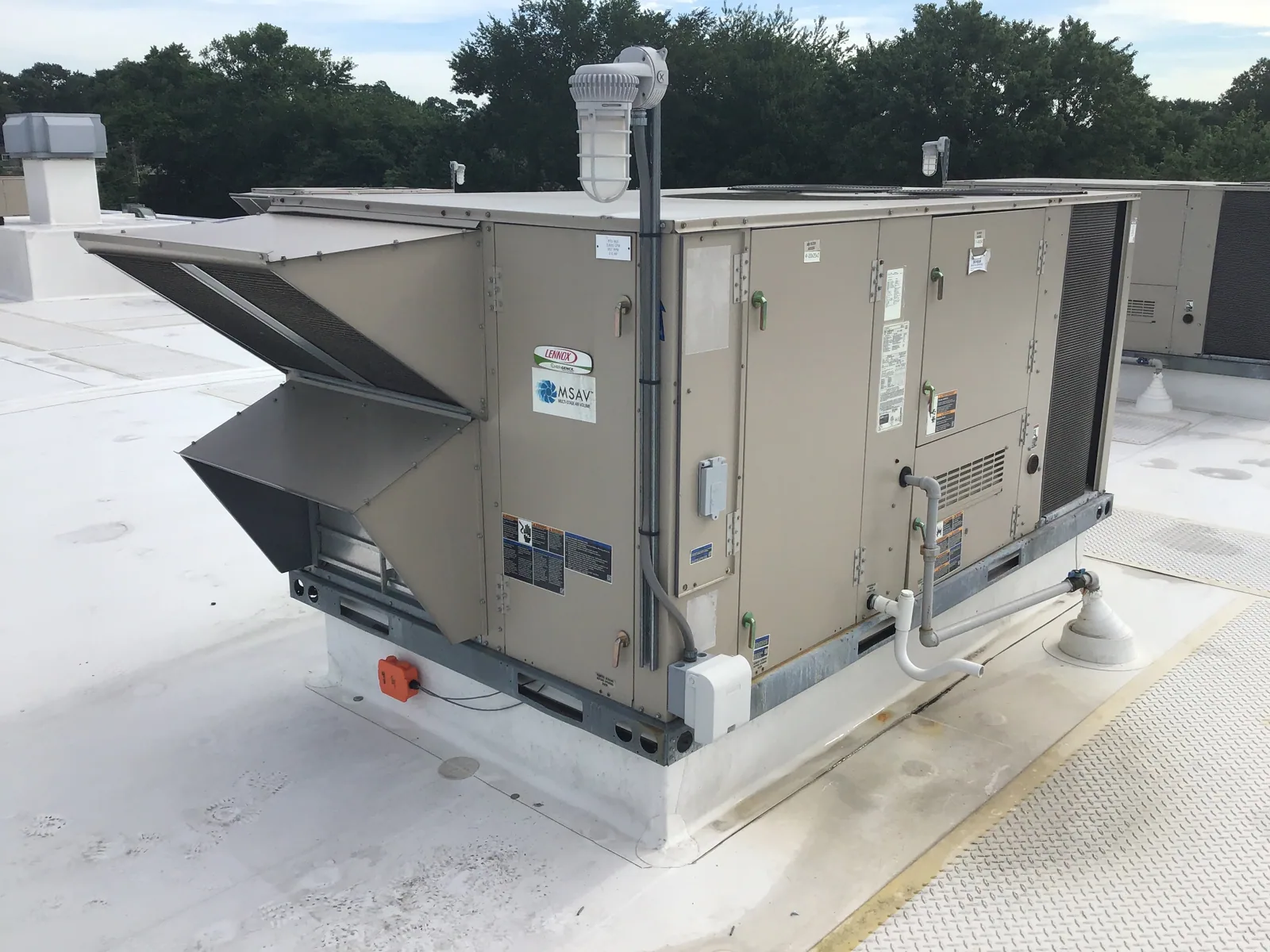
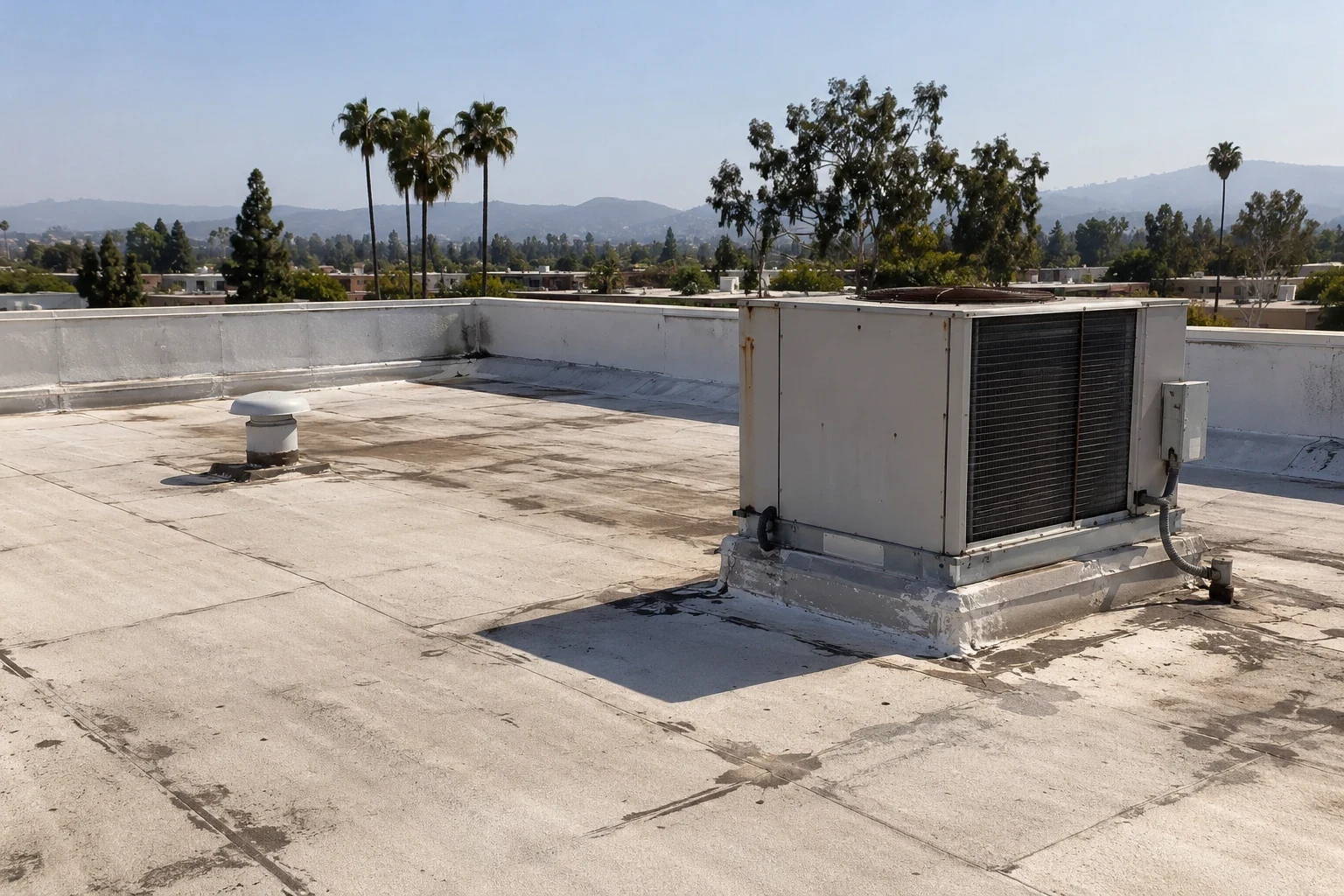
Check rooftop units and the flashing around them
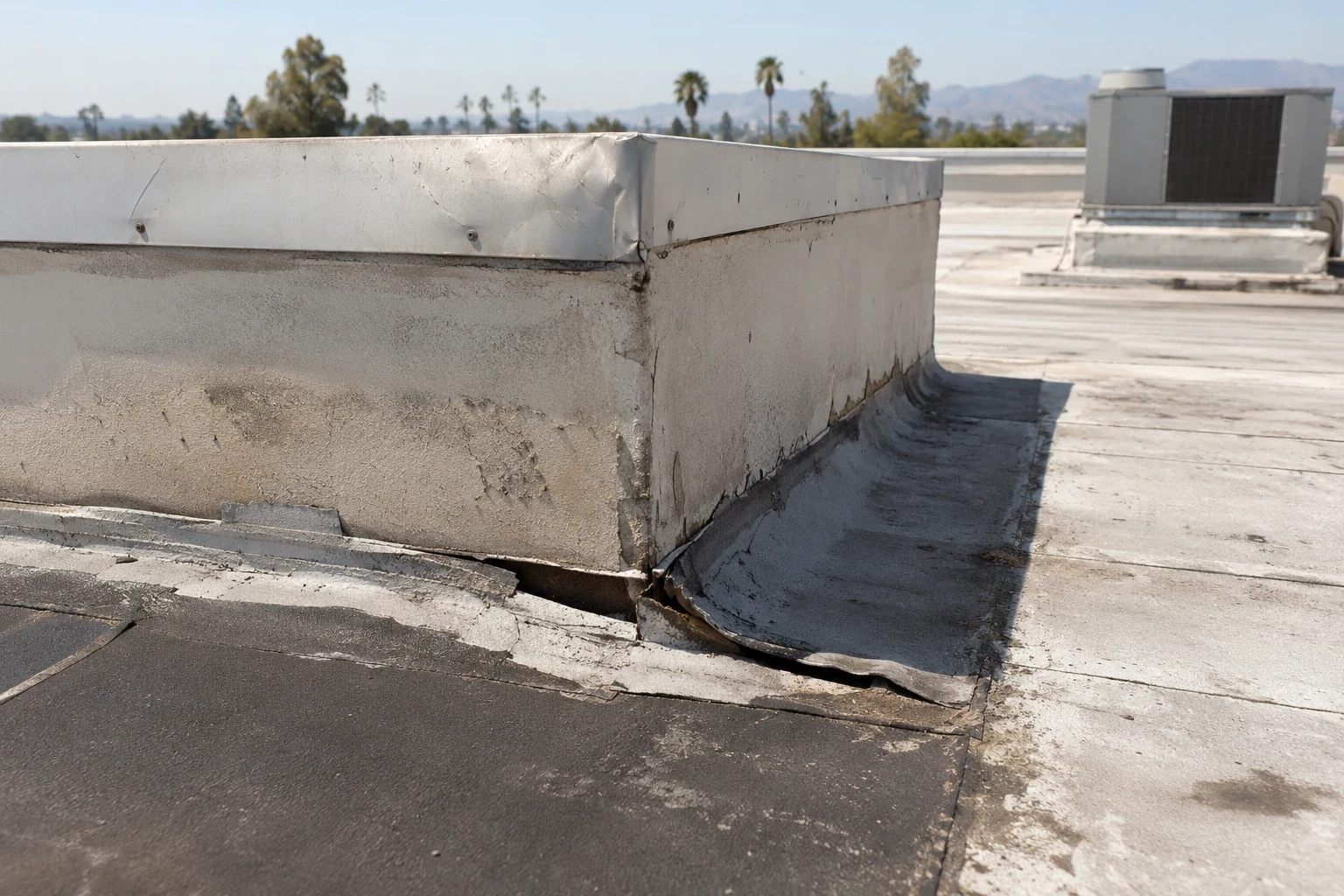
When a repair reaches a rooftop unit, we inspect its curb, flashing and supports. We check the existing materials, fasteners and old repairs against the planned fix, and we name the specific flashing that needs rebuilding instead of calling every problem a caulking job. A lasting repair depends on knowing the existing material and choosing a product that is compatible with it.
When a curb or equipment support needs repair before the flashing, the estimate lists it. We keep a damaged curb separate from the membrane work around it, and when a support looks structurally questionable we recommend an engineer's review. Fresh membrane on top cannot make a rotted curb sound.
Sometimes the HVAC contractor has to disconnect or lift a unit before we can reach the full curb. We note that step and the roof repair it allows, confirm who the contact is, and mark the curb as pending until it is done. That gives the property manager time to arrange it before our crew arrives, instead of finding out on the roof.
Choose the right repair for each defect
The estimate describes what will be built at each location. Temporary leak protection is listed separately from the permanent repair. A small patch on top cannot prove the insulation or deck below is sound, so we explain what we checked and leave any open question about the backing clearly marked.
A flashing repair has to cover the full length of the failed flashing, not just the visible tear. An open seam repair depends on the right materials for that membrane and a solid surface underneath. If an old patch or coating cannot be identified, we figure out what it is before choosing a repair, so the crew is not guessing on the roof.
When a leak keeps coming back, we look at the past repairs alongside what we find now and explain what we will do differently and why. Not every repeat leak has a single surface cause. The estimate shows how far the repair goes and what still needs investigating, so the manager approves a defined job and knows where more checking is needed.
Price access and removal separately
Repair cost depends on the actual work and the prep it needs. We plan how materials get up and down and follow the building's current rules for contractors. A hard-to-reach flashing may need extra setup beyond the material cost. Any equipment work by another trade is listed separately from our repair.
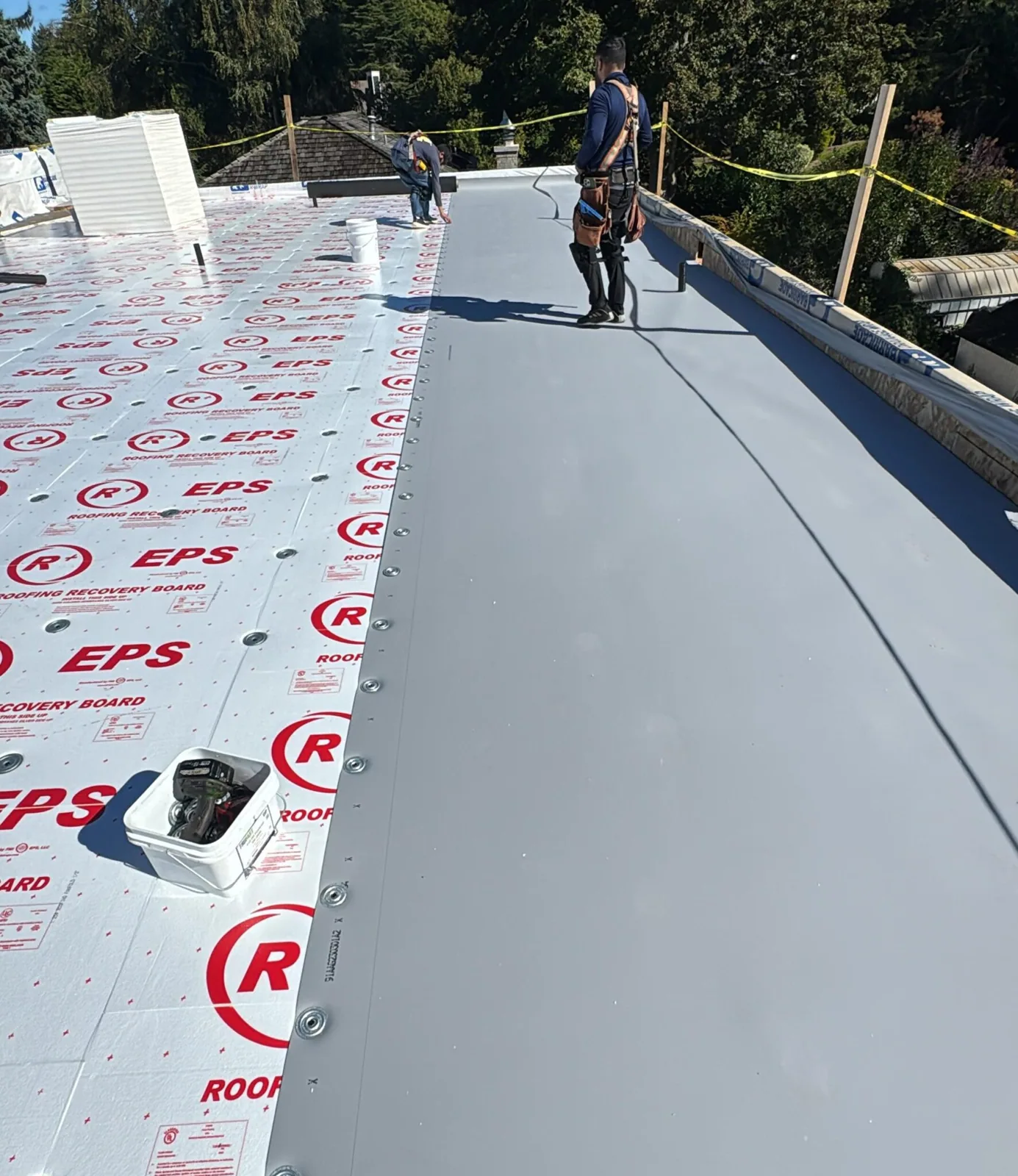
Where insulation or the wood backing is wet or rotted, we include removing and replacing it. We explain what we found and where we tested. If we quote unit prices, we say what each one includes. A bare per-square-foot removal rate does not tell you whether disposal, new material and flashing at the edges are included.
If opening the roof shows more damage, we show where it is and what we propose. We get approval before doing the extra work, and the open area is protected while that is decided. Structural questions go to the right reviewer. We keep a record of the decision so the final invoice matches the approved repair and the owner never has to guess why the total went up.
Schedule repairs around the building
Before scheduling, we confirm the roof area to be repaired and that we can reach every flashing involved. We check the weather forecast and the temperature and dryness limits for the materials we plan to use. A date on the calendar does not mean the roof will be dry enough to work on.
Some buildings need the work split across several shorter visits because of tenant hours or deliveries. When that happens, we include the extra setup and the protection needed between visits. We note which areas are left unfinished between visits and what has to happen before we resume work there.
A preventive maintenance plan after the repair has its own inspection list. It does not replace an unfinished repair or HVAC work still pending. We keep those open items in the manager's roof records. Progress reports show only the work actually done, so the manager can schedule the next step with a clear location and the person responsible.
Keep completed repairs and open items in one record
A repair begins by locating the failed seam, puncture or flashing and checking the material that must receive the patch. If an opening exposes wet insulation or a weak deck, we photograph the condition and confirm the added work before covering it. The permanent repair should reach sound material and close at every edge.
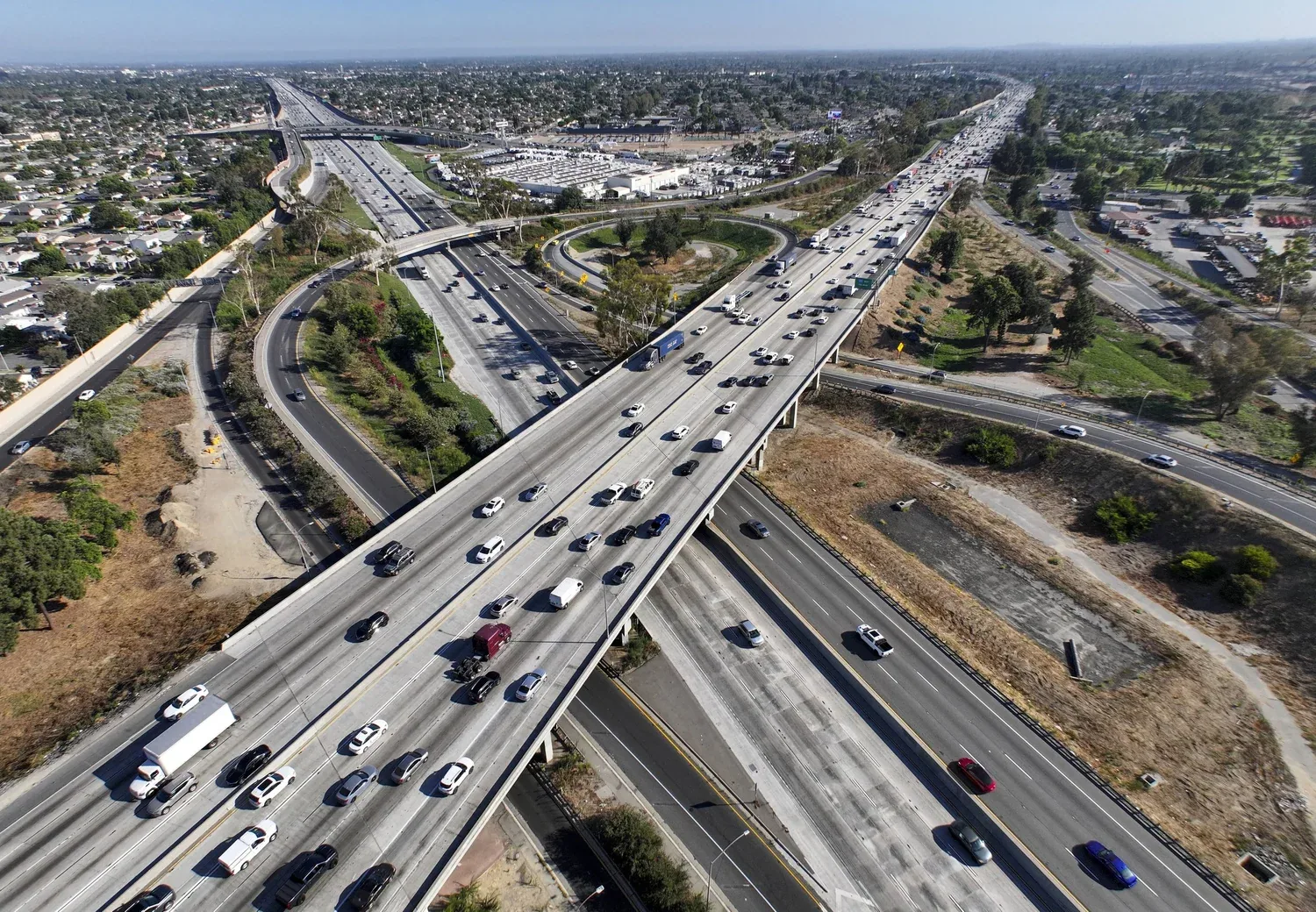
For buildings near the I-5/I-605 interchange, the repair scope depends on that building's roof. Our membrane puncture repair identifies the damaged area, the surrounding roofing we keep and the permanent seal needed to keep the hole from reopening.
We record the products installed, any backing we rebuilt and the flashings we repaired, with photos and test results tied to each location. Approved changes are noted next to the quantities they changed. Areas we could not inspect and HVAC work still pending are listed separately. The manager gets a clear record for future work, rather than a single total with the details buried.
Commercial Roofing Questions
When does a roof problem need more inspection before repair?
When we cannot yet tell whether the insulation or deck underneath is sound, or when an old patch or coating cannot be identified. In those cases we test or confirm the material first, so the crew is not guessing about what they are repairing.
How do you price repairs when equipment is in the way?
We mark the flashing or curb the equipment blocks and what the HVAC contractor needs to do to clear it. That work is listed separately. If it means two visits, we include the extra setup. We do not count a curb as repaired until we can actually reach it.
What happens if the repair uncovers more damage?
We show you where it is, revise the removal and replacement price, and wait for your approval. The open area stays protected in the meantime. If the damage raises a structural question, we recommend the right professional before going further.
What should I keep after a repair visit?
Our notes on the products used, repair locations, photos, test results, any rebuilt backing and approved changes, plus a list of areas we could not reach and equipment work still pending. That makes the next repair or inspection much easier.
Get a complete repair price
Send us the address, problem areas and any past repair records. We will inspect the roof, flag any curb, backing or equipment work involved, and explain the full permanent repair before you approve it.