Home / Commercial Roofing Services
Rooftop Equipment Curbs and Supports in Downey, CA
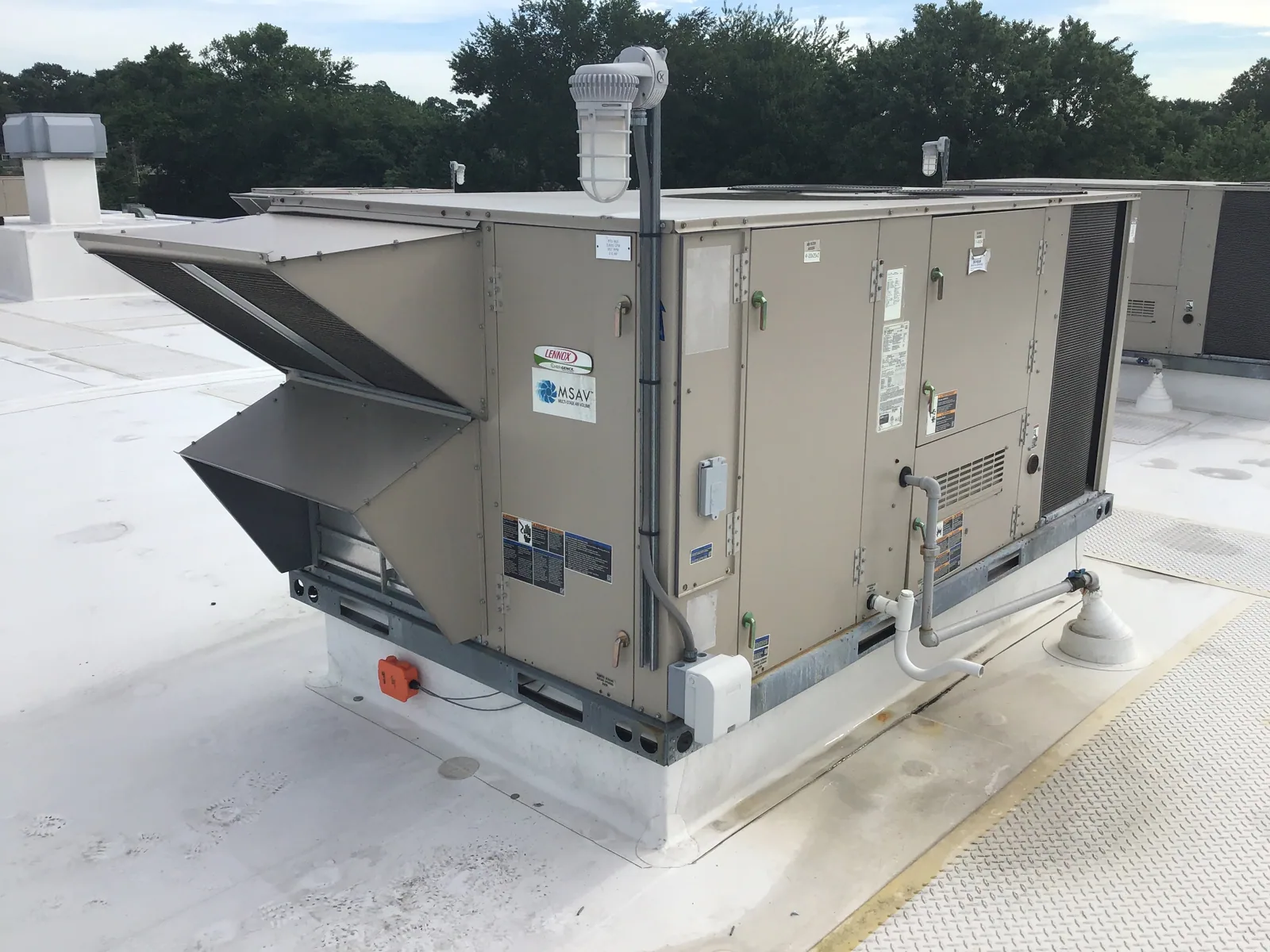
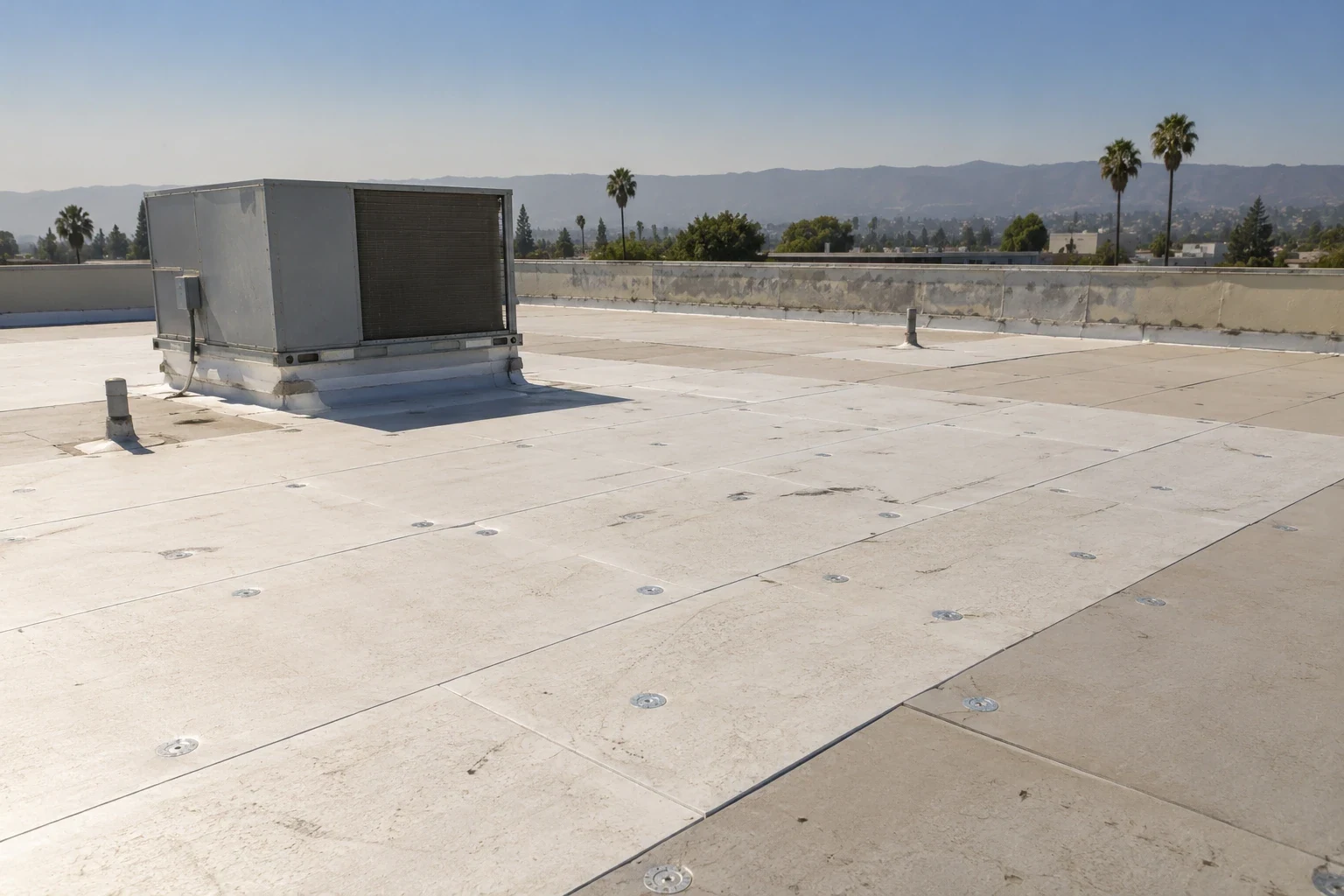
Rooftop equipment curb and support repair in Downey, CA. We check the curb, support and backing, coordinate the HVAC contractor and finish the flashing properly.
A curb repair price should include the curb itself, not just the flashing around it. New membrane cannot fix a rotted or racked curb underneath. Rooftop equipment curb and support work in Downey, CA starts with inspecting the unit's curb and the wood or metal backing before choosing roofing materials. We separate damaged parts from parts that can stay. The manager sees HVAC prep work and roofing work as separate tasks, and the price explains what the crew will be working with once the curb is accessible.
Santa Ana winds can dry out and crack exposed roof sealants. At a rooftop curb, we check the sealant, fasteners and support as one connection. We identify who services the unit and check the backing we can reach before pricing new flashing, and any equipment prep stays separate from the roofing repair it allows.
We find out who will do the HVAC prep before roofing reaches the curb, and we note where and what it needs to accomplish. The manager can arrange that work before our crew arrives, so we are not sent to flash a curb we still cannot reach.
Identify the curb and who handles the equipment
We locate each unit, curb and support included in the job and inspect them along with the roof around them, reviewing any records on hand. We identify any problem with the curb or support and who should check or fix it. Knowing it is a rooftop AC unit tells us nothing about the condition of its curb.
A commercial roof inspection at equipment curbs keeps curb problems separate from roof problems. It records areas under or beside the unit that we could not see and what needs to happen to see them. The manager can see what prep the roofing depends on.
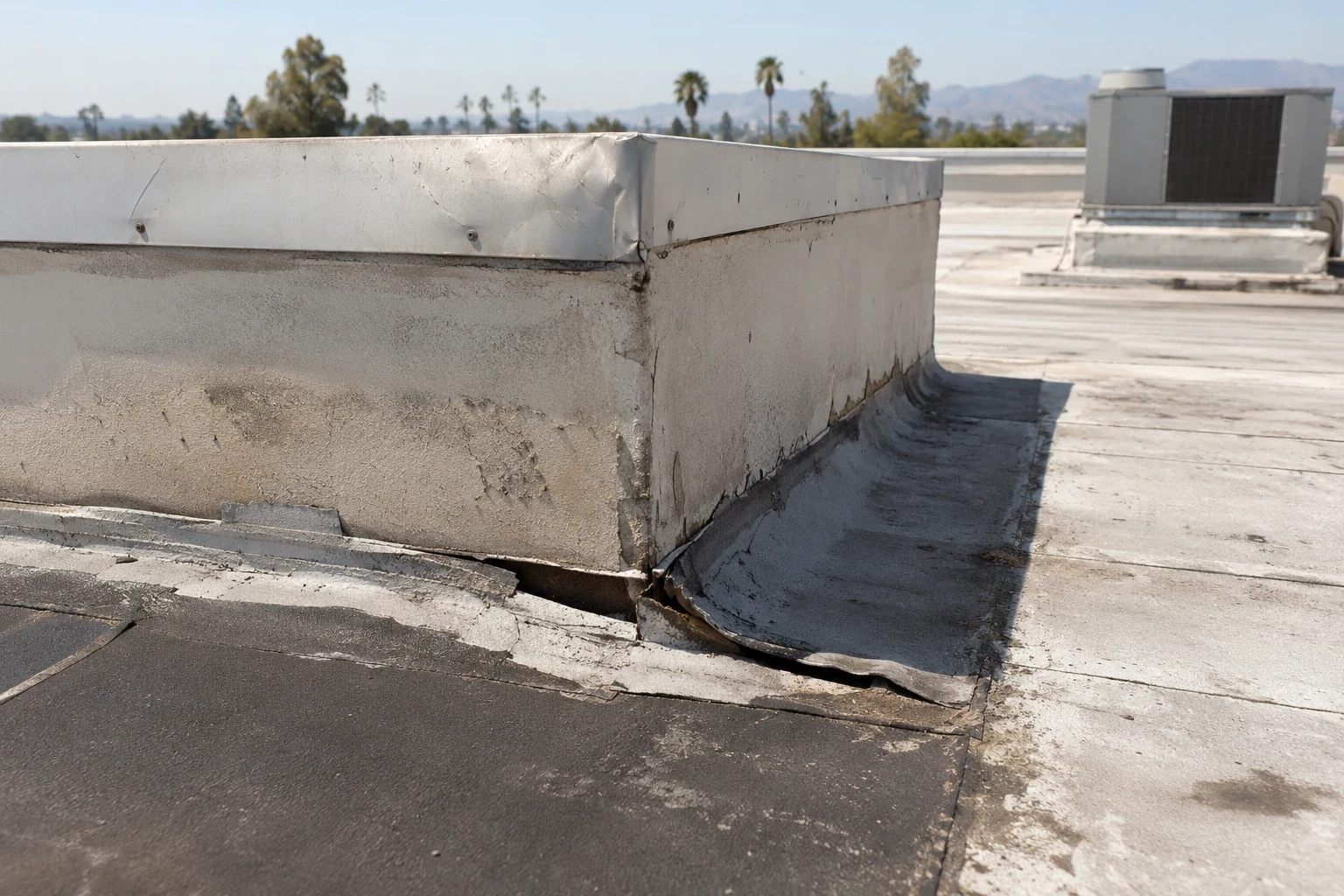
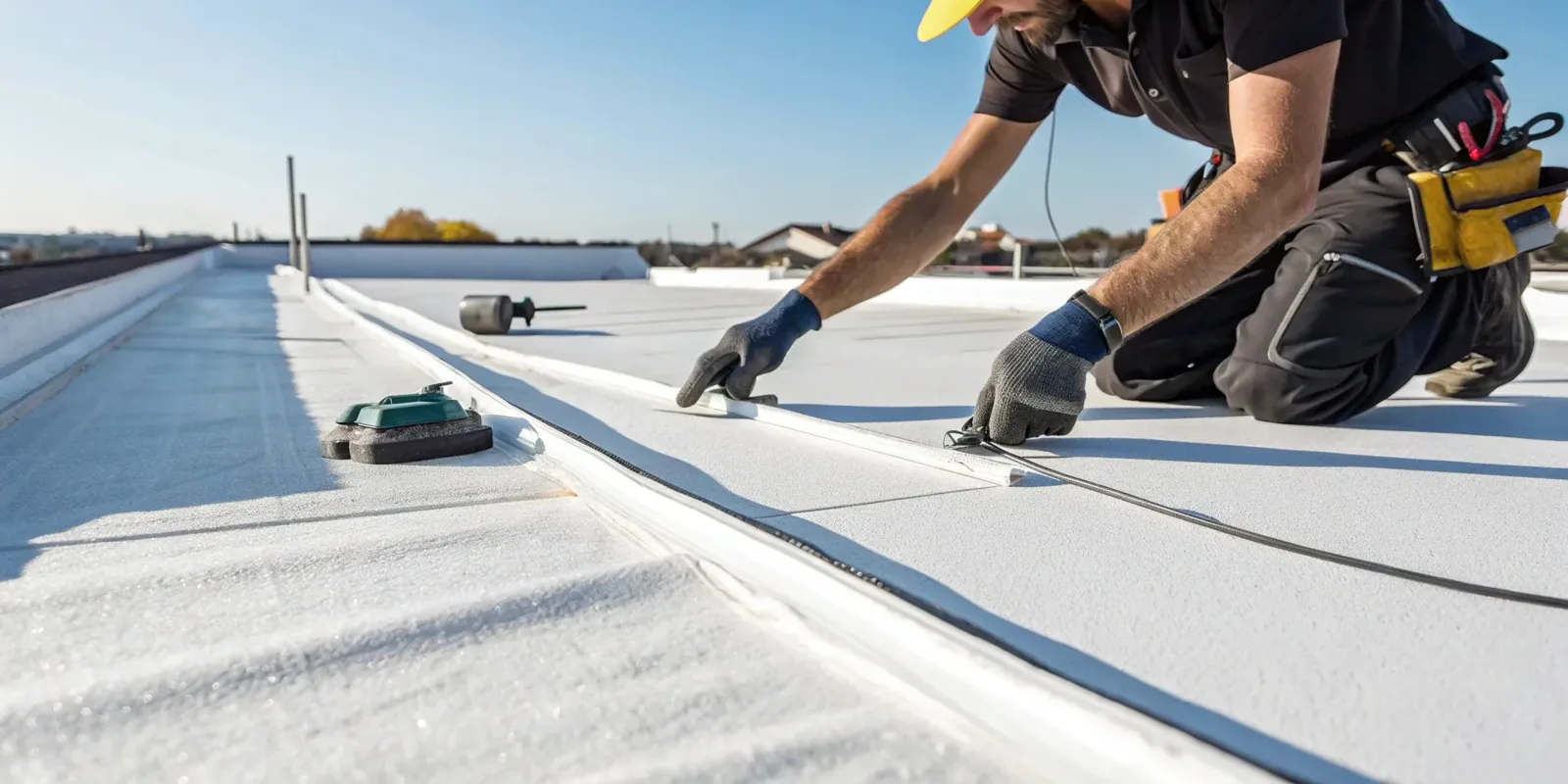
A flashing repair at an equipment curb uses materials matched to the existing roof, so we identify any old coatings or patches first. Our roofing crew should not be expected to fix someone else's curb problem with a patch on top. The proposal says what existing work can stay and what still needs to happen before we can finish the flashing.
Line up the HVAC contractor before we rebuild flashing
A unit sitting on its curb often hides part of the flashing. We note what the HVAC contractor needs to do, whether that is disconnecting, lifting or shutting down the unit, and which roof work that allows. We confirm who to contact through the building. Finishing the roof around the unit does not finish the curb flashing.
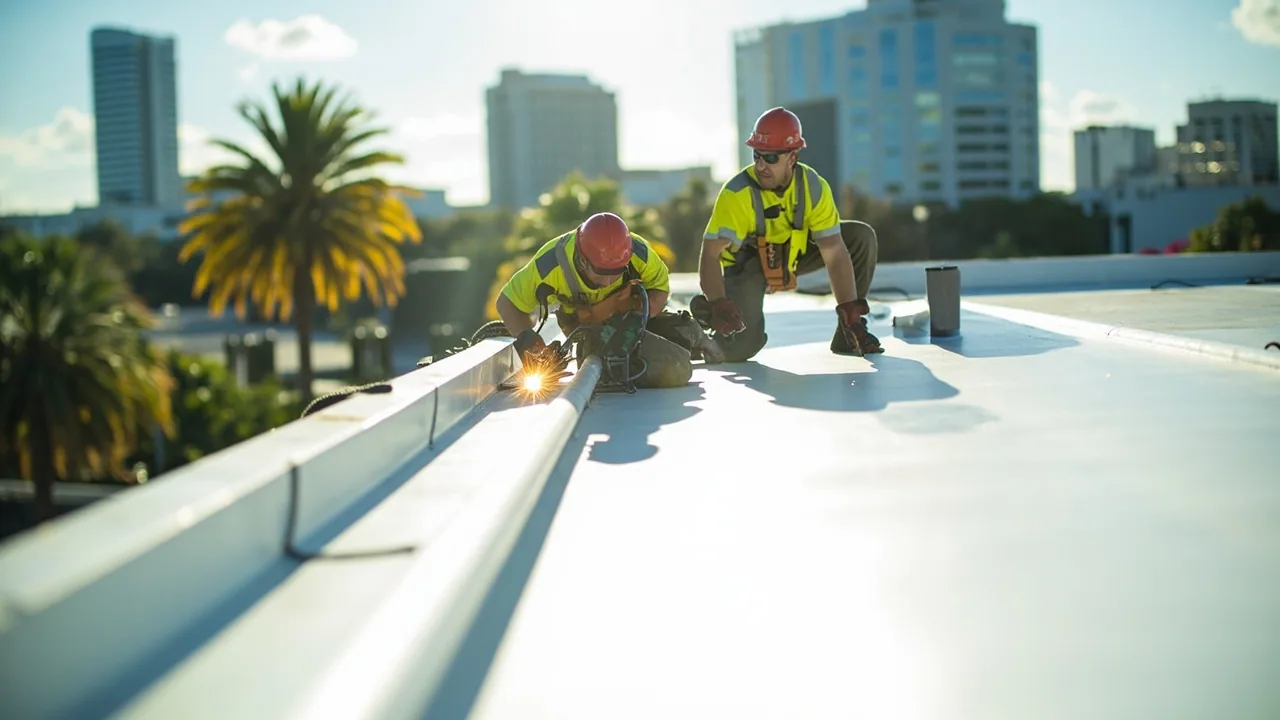
A penetration flashing repair follows the same approach: equipment or frame prep is kept separate from the roofing price. Once the unit is cleared, we inspect the curb again before deciding on the final flashing method.
If the job is split into separate visits, we include the extra setup and protect unfinished roof areas in between. Curbs waiting on HVAC work stay listed by location. The property manager knows what has to happen first and where our crew picks up after. Flashing material sitting on the roof does not mean the curb is ready.
Check damaged supports before choosing materials
A curb or support problem often goes deeper than the surface. We check the backing we can reach and keep confirmed damage separate from areas we still need to open. Any repairs needed before the new flashing can rely on the curb are listed, and keeping existing material depends on what we find.
An insulation and cover board repair around a curb shows how much wet or crushed material comes out and what replaces it. If a support or deck under the unit looks structurally questionable, an engineer should review it before we order materials. New flashing will not make a bad support safe.
If opening the curb area shows more damage, we mark it and explain the added quantities, then get approval before doing that work. The curb is protected while that is decided. Suspected damage stays separate from damage we have actually found, so the manager can see why the curb repair cost what it did.
Check curb height when the roof changes
A new roof or added insulation changes how the roof meets the curb. We compare the new roof height with the existing curb and flashing. If the curb ends up too short for proper flashing, it may need to be raised, and that is listed with the repair.
A TPO roof has its own curb flashing products and details. A PVC roof is evaluated separately. Approval for one product does not carry over to the other.
When a roof change affects the curb, we get the right design or structural review. Curb repairs and backing replacement are priced next to the field roofing. The manager compares options that finish the same curb. If something is still unknown, we name the next inspection or HVAC step needed. Our crew then shows up with the right materials and a curb that is ready, instead of solving problems on the roof during installation.
Record finished curbs and work still waiting on others
Our roof condition report records each curb repair: the products installed, the backing rebuilt and the HVAC work done. Photos and test results sit beside each finished curb, and approved changes are tied to their quantities. Supports we could not inspect and HVAC work still pending are listed separately. The manager can see which curbs are finished and which still need something before the next roofing job.
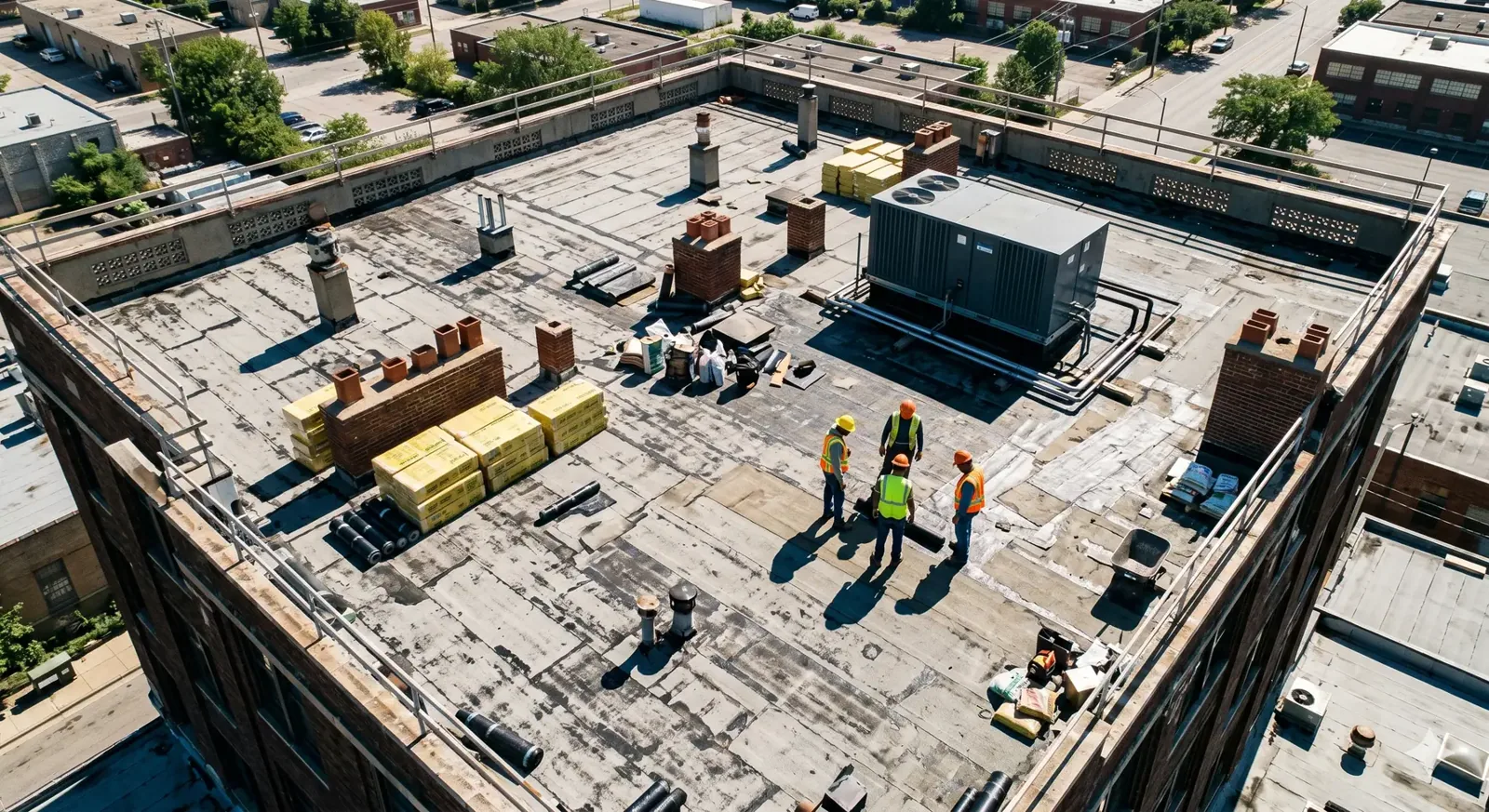
At each equipment curb, inspect the membrane turn-up, counterflashing, fasteners, and curb condition. A cracked curb or loose support needs its responsible trade to correct it before roofing seals the perimeter. Keep the curb height and drainage around the unit in view when insulation or cover board changes the roof plane. On a large roof, label every repaired curb in the closeout photos and list any unit that still blocks complete flashing work. For a commercial roof in Santa Fe Springs or Norwalk, check each equipment connection separately; unit type alone cannot establish curb condition. Before closing the punch list, verify the flashing is continuous around each curb and the adjoining field membrane is bonded.
Commercial Roofing Questions
What should be settled before choosing curb flashing materials?
The curb and support condition, the existing roof materials, any old coatings, and what the HVAC contractor needs to do so we can reach the curb. Structural questions go to an engineer before materials are ordered.
How do you handle a curb blocked by equipment?
We identify what the HVAC contractor has to do, such as disconnect, lift or shut down the unit, and coordinate it through the building. That curb stays on the pending list until we can reach it, even if the surrounding roof is finished.
What support problems change the repair price?
Rotted wood, rusted metal, crushed insulation or a support that has shifted. We list confirmed damage with its repair cost. If opening the curb shows more, we explain the added work and get approval before doing it.
What records do I get after curb work?
For each curb: products installed, backing repaired, HVAC work completed, photos, test results and approved changes, plus a list of anything still pending.
Get your curbs and supports checked
Send us the address, which units are involved and any records you have. We will inspect the curbs and supports, then explain the HVAC coordination, backing repairs and permanent flashing work needed.