Manufacturing Plant Roofing in Downey, CA
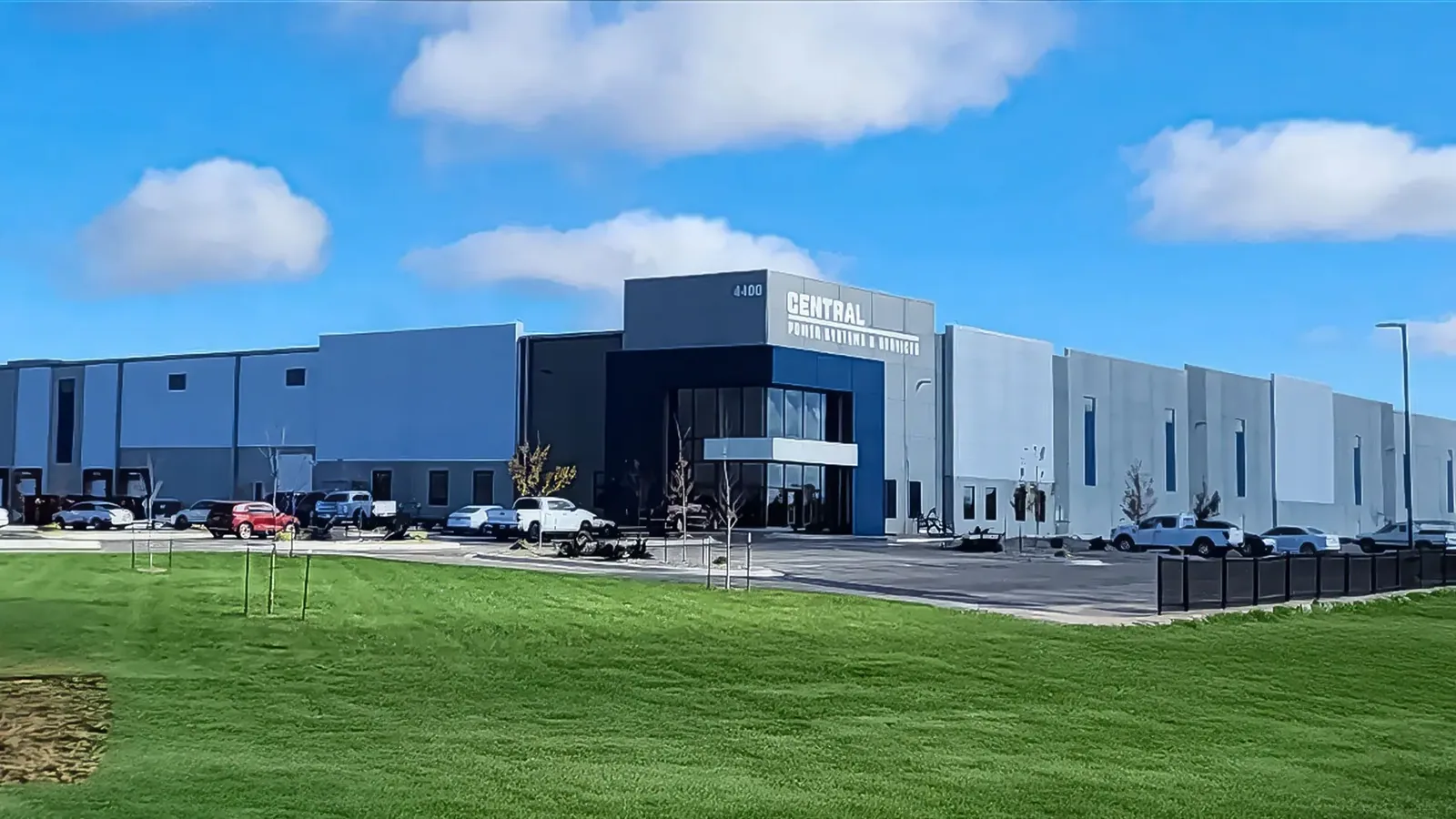
Manufacturing plant roofing in Downey, CA: curb and penetration flashing repairs, moisture testing and roof openings coordinated with production and equipment staff.
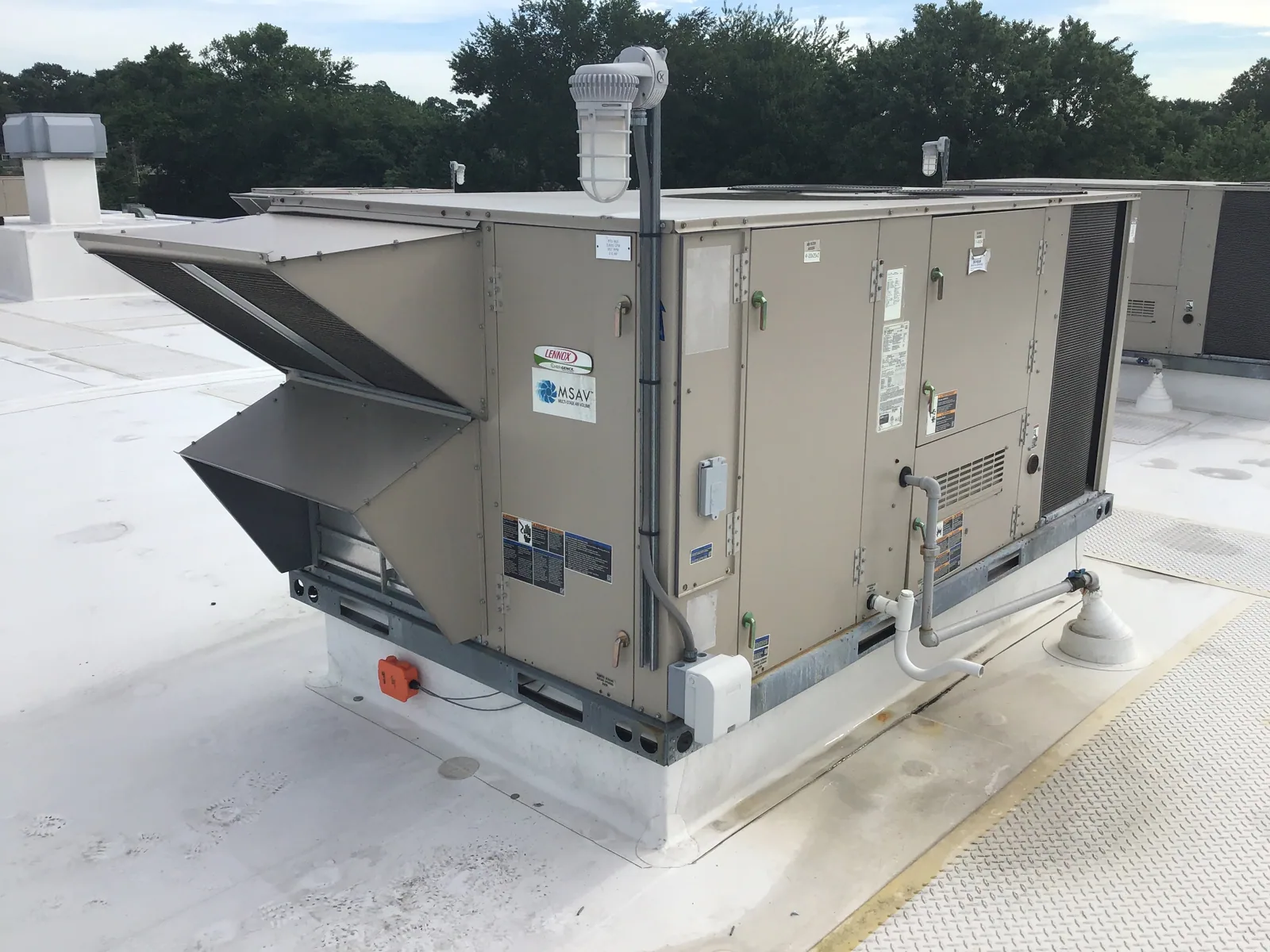
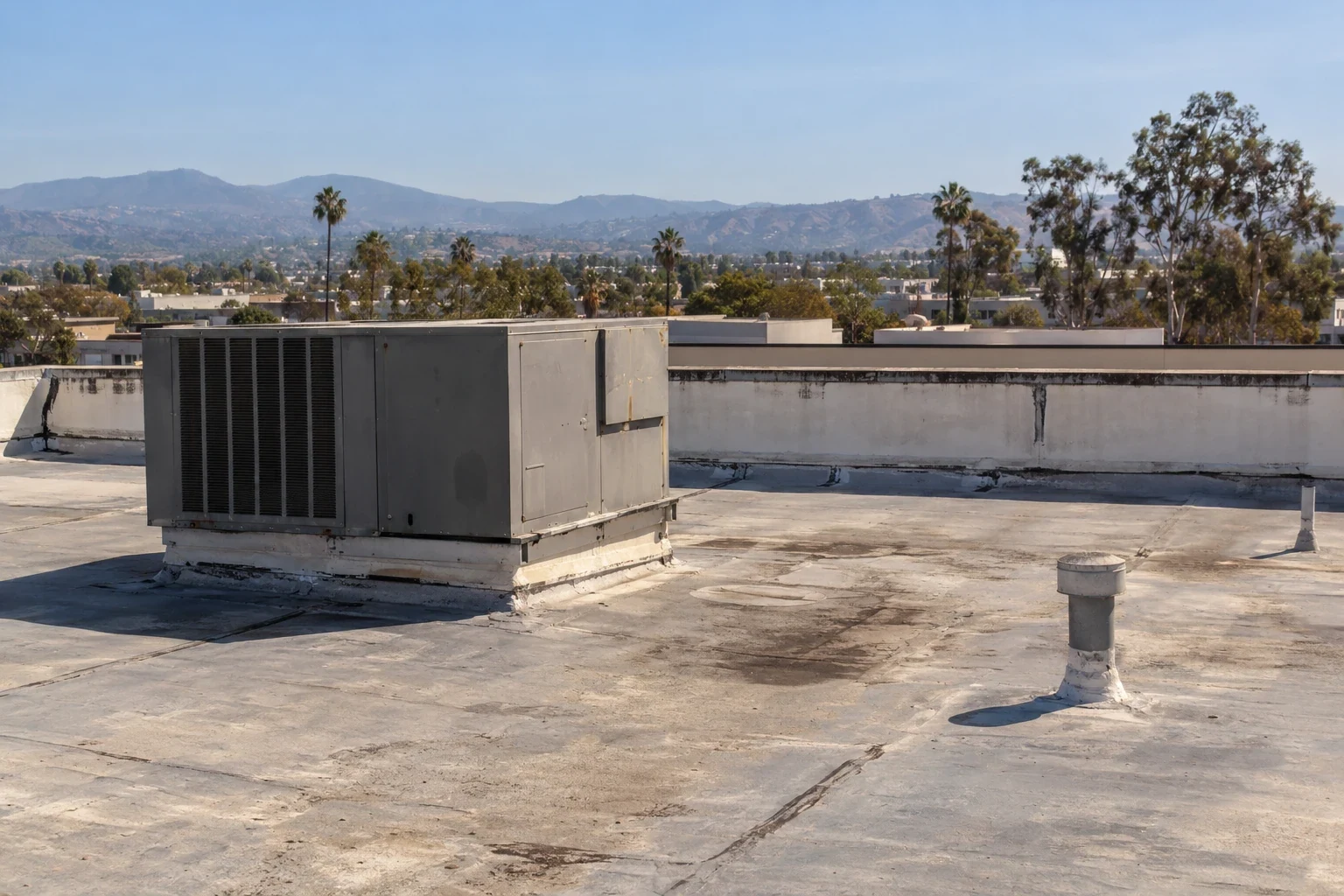
Manufacturing roof budgets often miss the work needed to get equipment ready. At a Downey, CA plant, we check that relationship before pricing a curb repair. The flashing at a curb can fail even when the rest of the roof is in decent shape. New membrane still needs a sound curb and solid backing to tie into. We inspect the flashing and mark where the repair begins and ends. The plant's mechanical staff or contractors handle the equipment itself. That work is listed next to the roofing quantity before anyone approves it, because more membrane cannot fix a curb that has not been prepared.
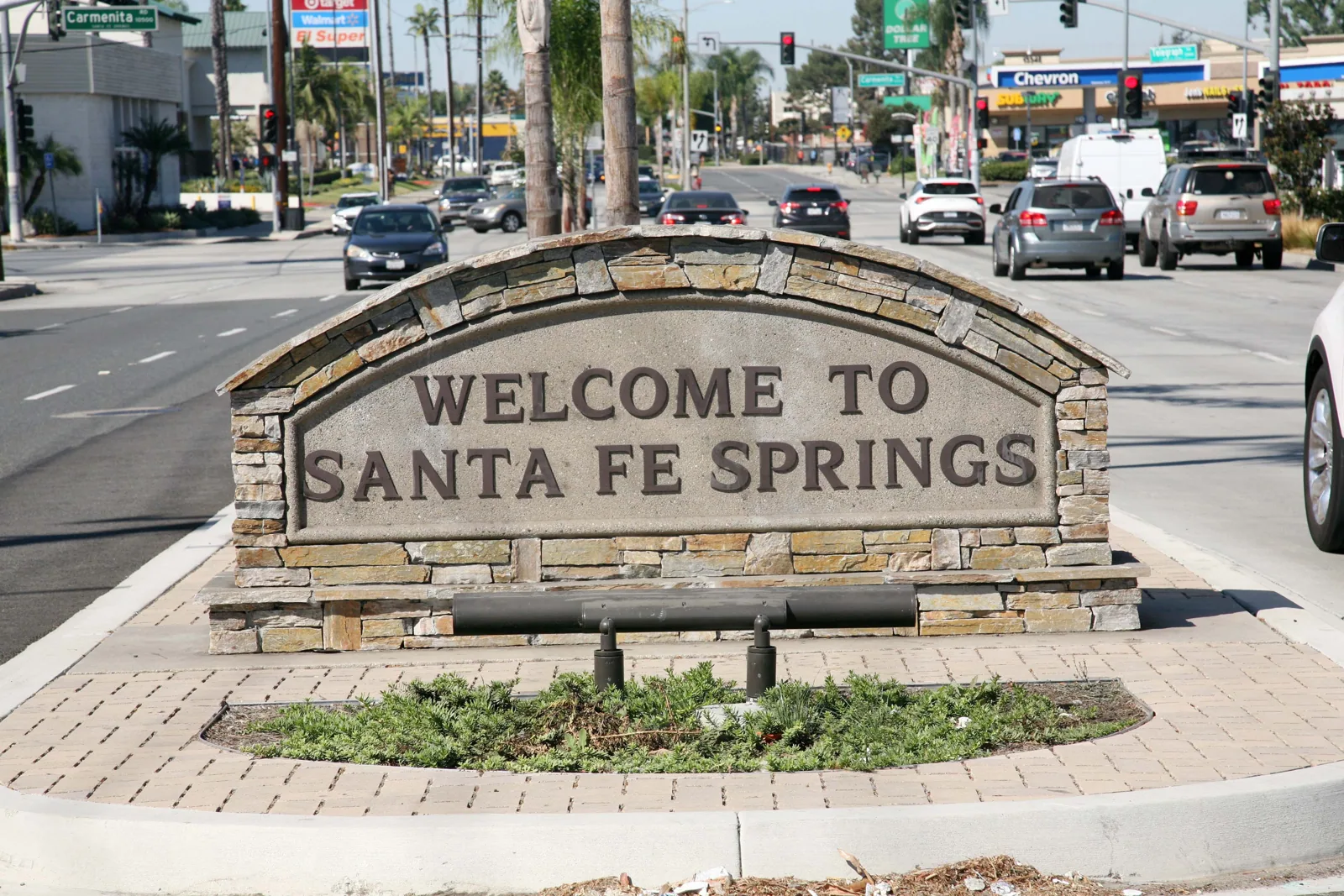
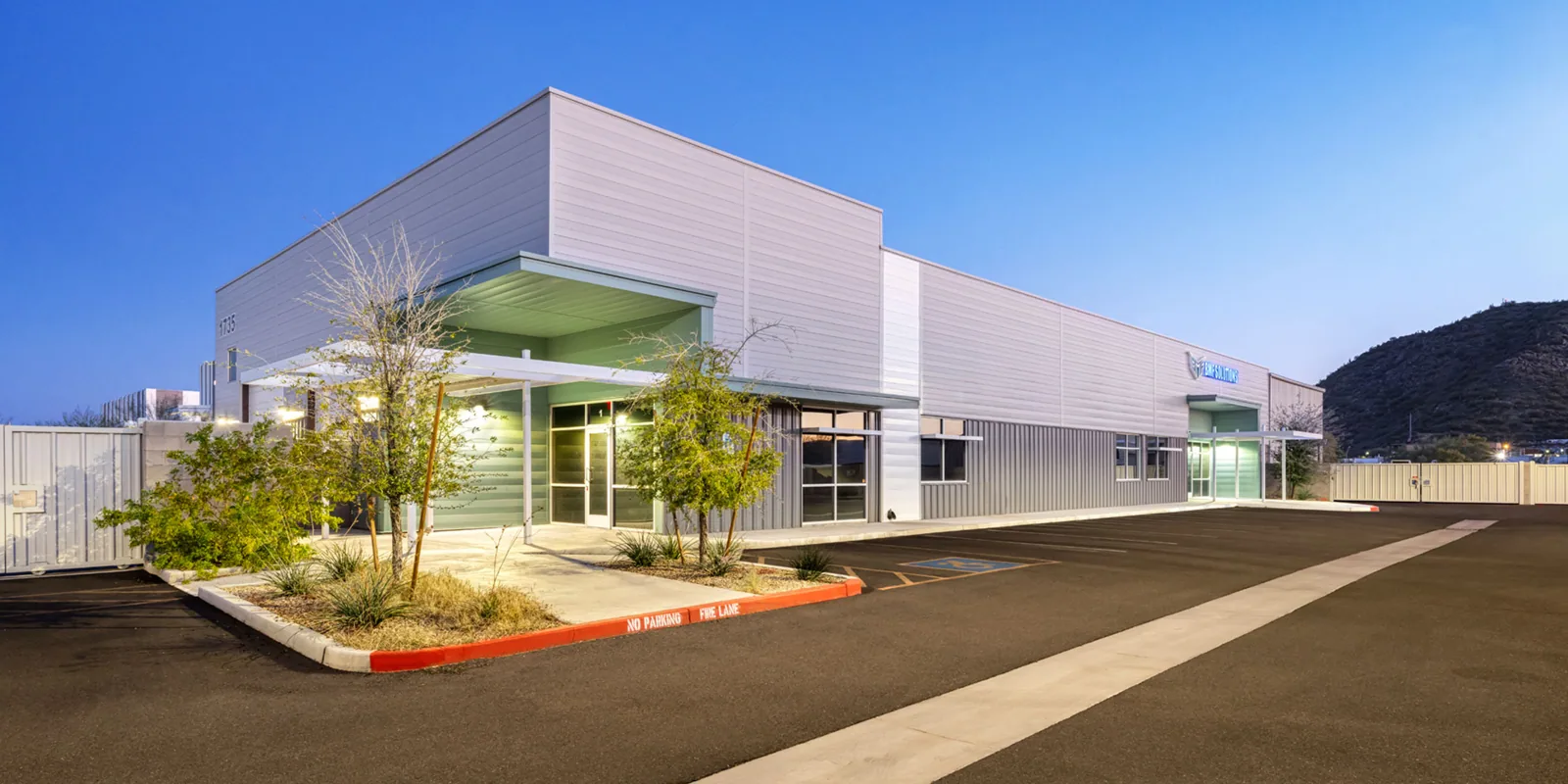
At a manufacturing plant, roof leaks can affect production equipment, stored material or process areas below. Identify the interior location and coordinate roof access with the plant representative. We inspect the membrane, drains, curbs and wall details tied to the report, then explain what can be repaired without interrupting unrelated systems. The proposal separates roofing from electrical, mechanical or structural work assigned to the plant’s qualified trades. Nearby industrial markets include Santa Fe Springs, with large manufacturing buildings, and the City of Industry, where industrial zoning accounts for about 92 percent of the city.
Check the curb and how the roof ties into it
Flashing at a curb needs solid material at the top of the curb and on the roof below. Our curb and equipment support work checks the membrane and the wood and metal under it. We look for split flashing, rot and loose seams around the unit. One failed curb does not mean the whole roof is bad, and it does not prove the roof around it is fine either. We mark the repair edges on every side before choosing materials. The proposal shows where the permanent repair ends, on surfaces that will hold.
A damaged curb may need work that falls outside the roofing. The equipment owner or mechanical contractor says what the unit needs before we flash it. If supports or attachments change, an engineer reviews them. We describe the flashing that becomes possible once that prep is done. That equipment work stays visible instead of being buried in a square-foot price, because leaving it out can stop the new flashing from ever being sealed. The estimate should show exactly where the roofer's work meets the mechanical work.
Separate surface prep from backing repair
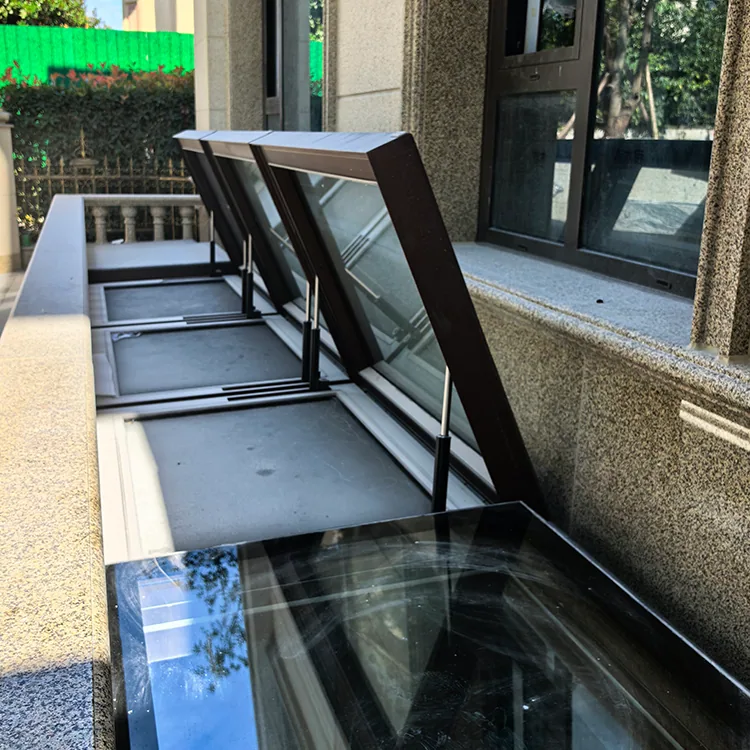
A good flashing repair needs material that will bond to the new work. Our skylight and penetration flashing work checks the surfaces around each pipe, vent and skylight. TPO and PVC have to be clean and weldable. Other roof types need the right primers and adhesives. Cleaning sound membrane and cutting out worn material are different jobs. We explain which applies at each spot. A patch over the split does not prove the surrounding roof is sound, so the price includes the prep needed out to the repair edges.
When the roof crosses a process area, check penetrations for exhaust and utility lines before setting the repair boundary. A loose curb can let water reach insulation or the deck. Identify the unit operator and any shutdown needed before flashing work. Keep the work sequence on the proposal so the crew can close the connection the same day.
The backing under damaged flashing may need a closer look. We describe the small opening needed to check it, and include patching it and protecting the area below. The owner should understand what that check will tell us. New material on top cannot make rotted backing sound. If the backing is bad, we price the removal needed to reach solid material, so the added line item has a clear reason.
Keep the old roof only if the layers check out
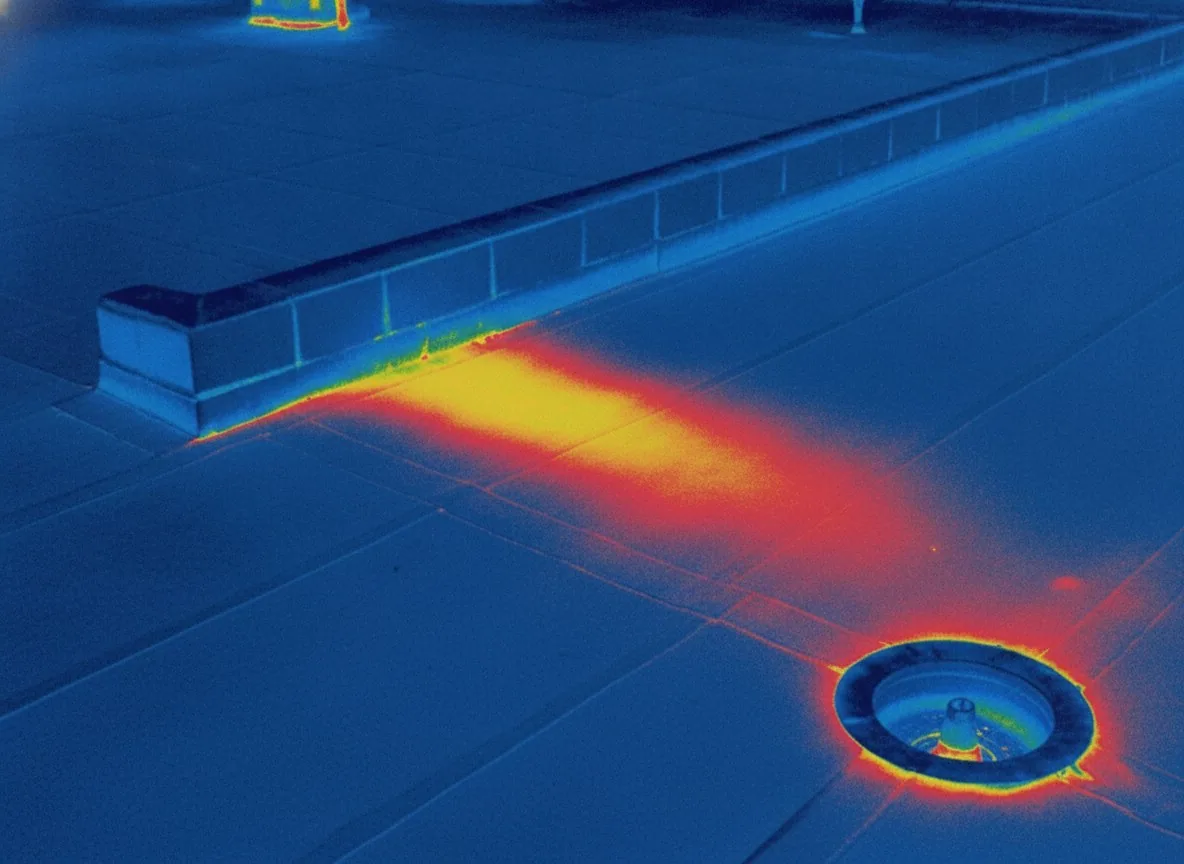
Membrane that looks continuous can hide wet or crushed insulation near a curb. Our infrared moisture survey compares thermal scans with what we know about the roof build-up. The weather and plant conditions during the scan affect how we read it. A temperature difference points to an area to check, but it cannot prove every layer is dry. We confirm with core cuts wherever keeping the layers affects the repair method. Patching and protecting production below each test cut is included. Keeping the old roof needs that evidence before the budget is approved.
A spot repair and a larger replacement can call for very different amounts of tear-off. We mark where the wet or damaged material stops for each option. If the moisture is widespread, more testing may be needed first. The findings explain which quantity changes and why. Before we open more roof, plant staff review the area. The added roofing is priced alongside the protection it needs. More new roofing cannot fix hidden wet layers.
Review equipment and production before expanding the opening
Opening the roof over production lines or equipment needs a work plan. Our occupied-building reroofing plan describes how much roof will be opened and how materials will move. We plan the debris and delivery routes needed for the work. Plant staff review the affected production areas and access. Electrical, mechanical and equipment specialists handle any shutdowns or service. A roofing proposal does not decide which equipment can be turned off. The protection plant staff agree to is priced alongside the roofing, so the owner sees it before treating the job as ready.
If more bad backing turns up, the opening may move toward another piece of equipment. We describe the larger opening before removing more, because protection and material movement there may differ. The added prep is priced with the extra roofing. Arrangements made for one inspection do not cover another area. A temporary roof can protect a section waiting for its permanent repair, and it is listed separately from finished work.
Record finished curbs and pending equipment work
Closeout photos show where permanent flashing was installed on solid backing. Patched test cuts are part of the record. Equipment work still pending is listed separately from finished roofing. Temporary seals are marked with the reason the permanent repair is waiting. The next proposal can start at the actual unfinished task. A repaired curb does not mean the equipment has been serviced. Keeping those items separate before approving more work means future budgets follow what is actually left.
For plant roof work near Santa Fe Springs, record the production area and roof section on the work order. A flex-industrial roof repair near tenant equipment and a data center roof repair around critical equipment carry different operating needs. Each proposal should name the actual unit, flashing and surface receiving the repair. Keep access or shutdown tasks with the party responsible for them. Inspect exhausts, pipes, roof drains and long seams near the affected process area. Look for vibration damage or service traffic at the curb. Mark the repair boundary, supporting layers and interior area below. The facilities contact can confirm what must remain in operation. Then schedule roofing only after the opening can be protected, rebuilt and permanently closed.
Commercial Roofing Questions
Should the curb repair price list equipment prep separately?
Yes. The estimate should show where the roof flashing ends and what the unit needs before it can be flashed. The mechanical contractor handles service and clearances, and an engineer reviews any support changes. Listing that work keeps a field-only price from stopping at a curb that still cannot be sealed.
Does one bad curb mean the rest of the roof can stay?
Not automatically. Where keeping the old layers affects the method, we test them with scans and core cuts, taking conditions during testing into account. Test cuts are patched and production below is protected. The results set the repair area, rather than one curb being used to assume every hidden layer is sound.
What changes when the tear-off reaches another piece of equipment?
We describe the larger opening and how materials will move before going further. Plant staff review the affected equipment and production areas, and specialists handle any shutdowns. Updated preparation is priced with the extra roofing. The earlier plan does not automatically cover the new area.
What should the closeout show to support the next budget?
It should show the permanent flashing and patched test cuts we completed, with pending equipment work and temporary seals listed separately. Each unfinished item notes why it is open. The next proposal then covers what is actually left, without treating finished roofing as sign-off on the equipment.
Get a curb and roof repair list for your plant
Send us where the curb leaks are, any roof records you have and the best plant contact. We will inspect the roof and price the flashing repair, equipment coordination and protection for production below before you approve any quantities.