Home / Commercial Roofing Services
Roof Recover and Overlay in Downey, CA
Commercial roof recover and overlay in Downey, CA. We test the existing roof for moisture and damage, then compare a recover with full replacement on the same findings.
A roof recover only saves money if the existing roof is good enough to stay in place. That has to be confirmed before the property manager starts comparing prices. Roof recover and overlay work in Downey, CA starts with identifying the existing layers and the new system going on top. We inspect what we can and say where we still need more information. Any wet or damaged sections that have to come out stay in the estimate, even if most of the roof stays. A cheaper membrane price does not answer whether the old layers underneath are sound.
Overlay suitability depends on the layers that will remain under the new roof. Confirm the existing assembly, the number and condition of retained layers, and whether the selected system permits that construction. Pay particular attention to wet insulation, loose surfacing, failed attachment, and soft deck areas. These findings determine whether the crew can prepare and cover the roof or must remove part of it first. Show the retained areas and any cut-out zones on the work record so the owner can see exactly where the savings come from and where replacement remains necessary.
We price a recover and a replacement for the same roof areas, with any required repairs underneath included in both. That way the manager can see whether keeping the old roof actually saves money.
Confirm the existing roof can stay before choosing a recover
We identify the existing roof layers and check their condition, comparing any records with what we find. Counting layers is not enough. The new system's manufacturer, local code and the deck condition all have a say in whether a recover is allowed.
For every area we propose to keep, we explain what supports that decision. Wet insulation or damaged deck is listed separately from material that can stay. Areas we have not tested are marked, along with how we will check them. A commercial roof inspection before a recover should make that line clear.
If adding another layer raises a structural question, such as added weight on the deck, it goes to the right reviewer before anything is ordered. Permit requirements are confirmed with the building department. The crew starts with clear limits on what stays and what prep is needed, and any uncertain areas stay visible instead of being folded into a general recover price.
Confirm wet insulation before pricing its removal
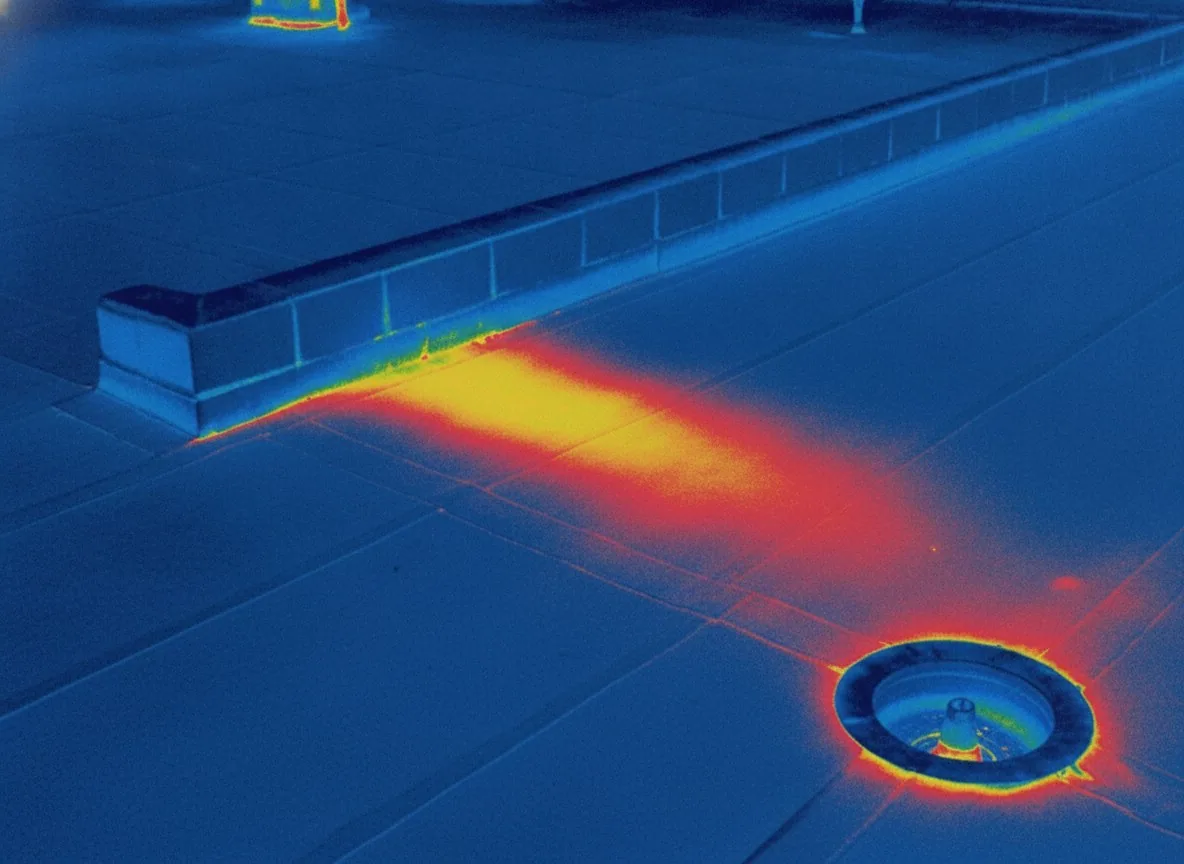
A stain on the ceiling does not show how far the wet insulation runs. We test the existing roof with methods that fit it. An infrared moisture survey, confirmed with core cuts, can map areas that need a closer look. We explain what the scan can and cannot show, and the estimate keeps likely wet areas separate from confirmed ones.
Where wet insulation is confirmed, we price removing and replacing it. The rest of the roof still has to be acceptable for the new system; cutting out one wet area does not prove the rest is dry. Prep and product requirements apply across the whole recover area.
When the amount of wet material makes a recover less attractive, we compare it with a commercial roof replacement based on the same findings. If opening the roof shows more damage, we revise the quantities, get approval and protect the open area. The manager makes the decision based on the roof's actual condition, with untested areas clearly listed.
Count the prep work alongside the tear-off savings
A recover can cut tear-off and disposal costs on the areas that stay. We price that actual difference instead of promising a general saving. Wet insulation replacement and backing repairs stay in the comparison, along with the prep needed before new roofing goes over the old.
An insulation and cover board layer for a recover has its own products and installation requirements. Seams, flashings, edges and drains are priced alongside the field. A recover raises the roof height, which changes how it meets curbs, edges and drains. An estimate that counts only membrane leaves the manager unable to compare complete jobs.
Where quantities are uncertain, we show an allowance and how changes will be approved. Unit prices state what they include. A recover also hides the old roof, making it harder to inspect later, so we record what we tested and what we found. The manager gets a clear picture of the current job and anything a future contractor may still need to check.
Rebuild curbs and edges before counting progress
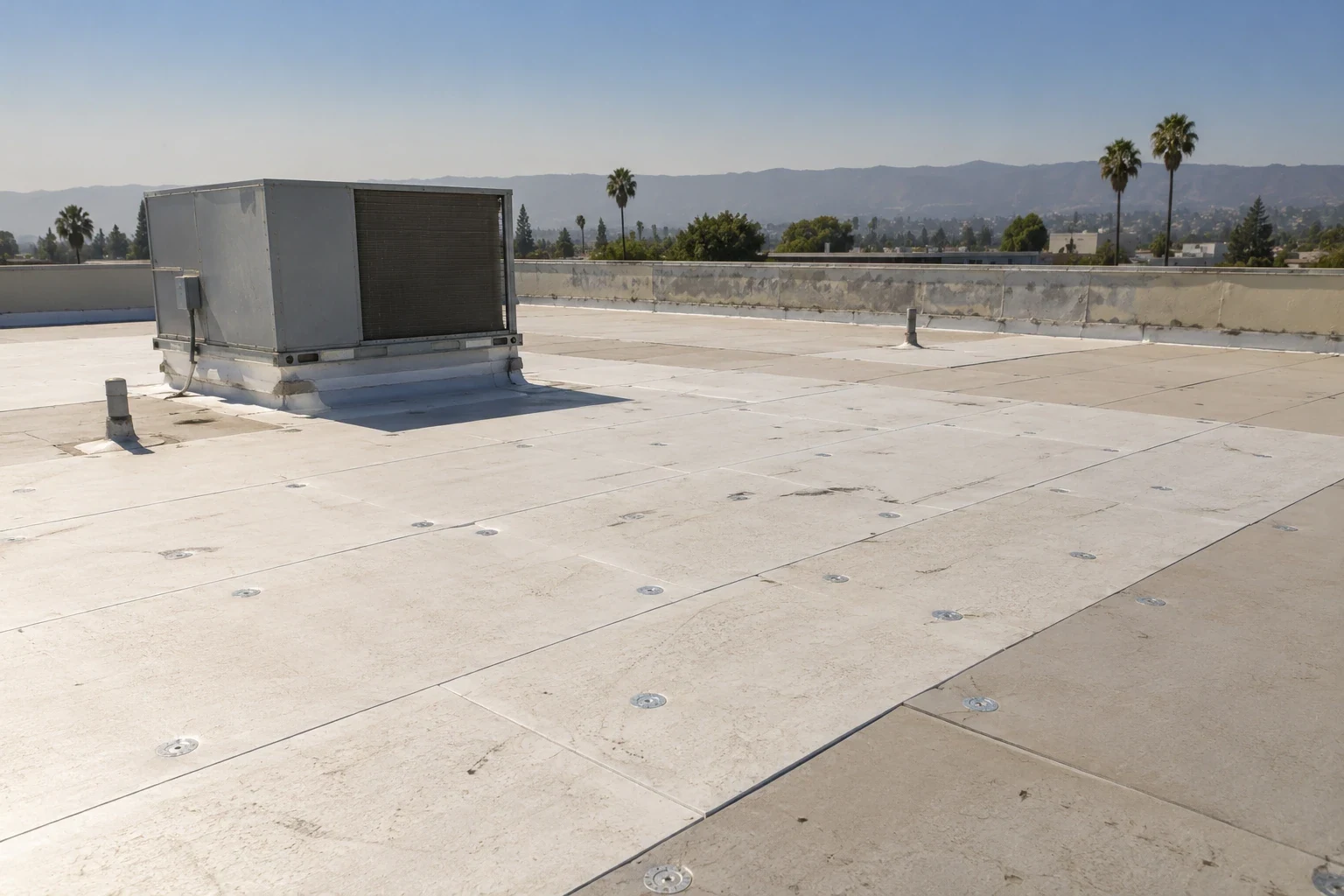
A recover has to finish properly at every curb, edge and penetration. We check each one against the new roof height and the manufacturer's requirements before choosing how to flash it. Damaged curbs or backing are repaired first.
Rooftop units can block part of a curb flashing. We note what the HVAC contractor needs to do and arrange it before roofing reaches that curb. The crew can keep working on the open field, but that curb is tracked separately so progress reports do not suggest it is done.
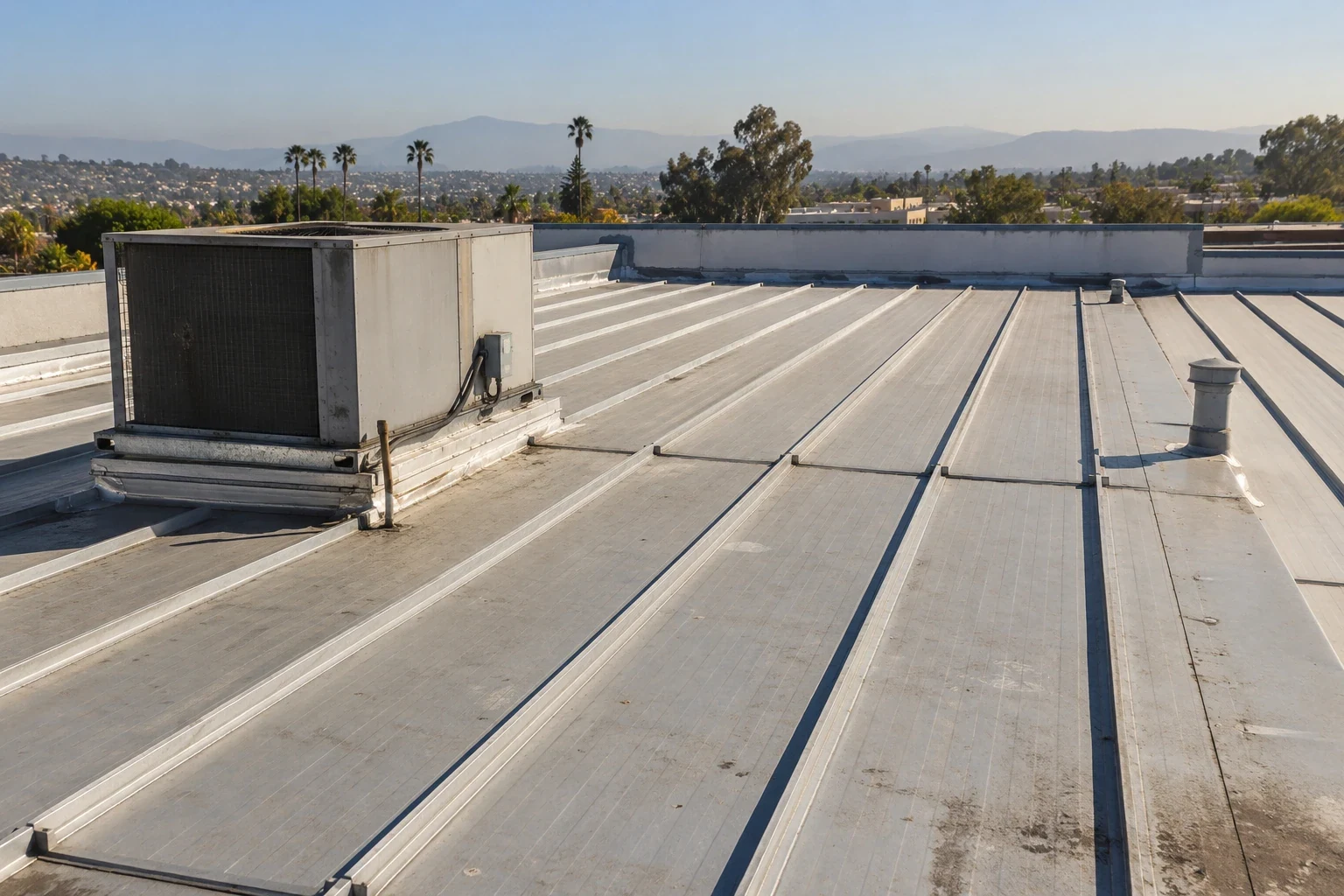
A metal roof retrofit is a different kind of recover with its own framing and flashing requirements. It is not interchangeable with a membrane overlay, so we evaluate each option on the work it actually involves. If a change affects the structure, it goes to the right reviewer before ordering. The manager can see the prep and finished edges each option provides.
Schedule the work and keep the findings
A recover is suitable only when the existing roof and supporting assembly can remain under the new system. Inspect for moisture, loose membrane, failed seams, excessive layers and drainage conditions before setting the overlay scope. The proposal should state the preparation, repairs and perimeter changes needed to support the new roof. If testing or an opening is required to confirm the retained layers, identify that step before committing to coverage.
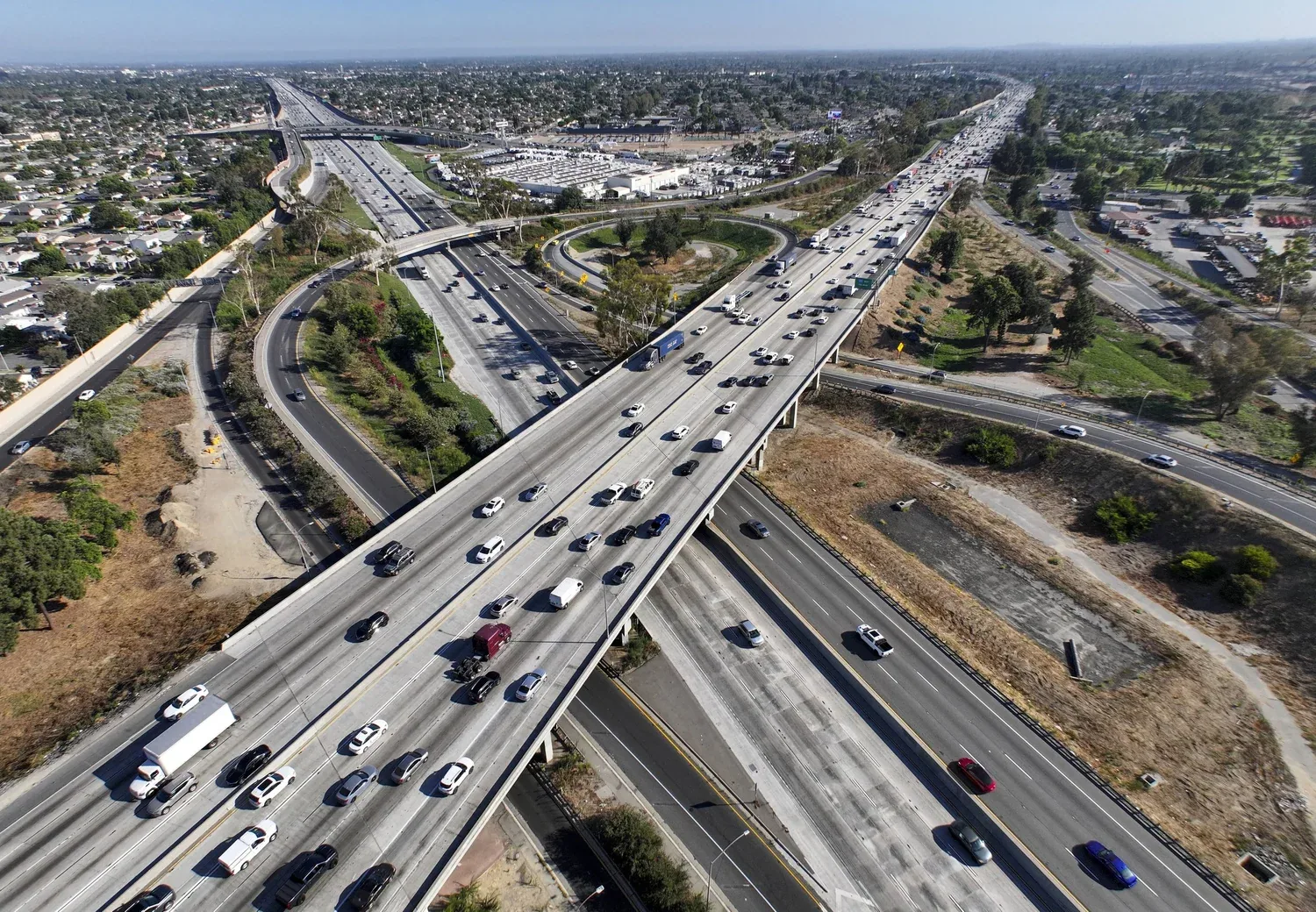
For recover projects near the I-5/I-605 interchange, we confirm the building's access route and rules, then plan material handling and protection around them. If the work is split into visits, we include the extra setup and record what is unfinished between visits.
A roof condition report after the recover names the installed product and the test results that justified keeping the old layers. It shows where wet material was removed and backing or flashings rebuilt, with photos, test results and approved changes by section. Areas we could not reach and HVAC work still pending are listed separately, so future planning knows what the recover covered and what is still unknown.
Commercial Roofing Questions
How do you decide whether a recover is an option?
The existing roof must be dry and sound enough, and the new system's manufacturer and local code must allow another layer. We test for wet insulation and check the deck and existing layers. If too much has to come out, replacement usually makes more sense.
How should I compare a recover price with a replacement price?
Use the same roof areas and the same inspection findings for both. The recover should show the tear-off it avoids, and both should include any wet insulation or backing repairs. Make sure flashings and edges are priced in both, not just membrane.
What has to be coordinated around rooftop units?
The HVAC contractor may need to lift or disconnect units so we can raise and flash the curbs to the new roof height. We schedule that before the curb work and track those curbs separately until they are finished.
What should a future contractor know about the recover?
Which product was installed, the test results that justified keeping the old roof, where wet material was removed, which curbs and edges were rebuilt, and which areas were never tested. We put all of that in the closeout record.
Find out if a recover makes sense
Send us the roof areas and any records you have. We will test the existing roof, check the curbs and edges, and compare a recover with a full replacement based on what we find.