Home / Commercial Roofing Services
Commercial Roof Inspections in Downey, CA
Commercial roof inspections in Downey, CA with located findings, photos and clear limits, so you can compare repair bids or plan a replacement with confidence.
A roof inspection should give the facility manager something they can hand to contractors and get comparable prices back. A vague note that the roof is "in fair condition" does not tell anyone how many feet of flashing to replace or how much wet insulation to remove. Our commercial roof inspections in Downey, CA pin every defect to a spot on the roof and explain how we found it. We agree on which roof sections we are inspecting before we go up. Anything we could not reach is listed with what it would take to check it, and we keep what we saw separate from what we suspect is under the membrane.
A useful inspection report gives the owner enough detail to compare repair proposals. For each finding, record the roof section, observed material, defect location, and whether the inspector could reach the backing or underside. Photograph the condition with a clear reference point and distinguish a confirmed opening from a suspected path. When an area is blocked by equipment or unsafe to enter, name the limitation and the follow-up needed. This keeps the recommendation proportional to what was seen and helps the next contractor price the same locations.
Before the visit, tell us what decision the inspection needs to support. Pricing a repair, deciding whether to keep the existing roof and planning a replacement each call for different information. We keep that goal in mind so the manager knows what the report answers and what it leaves open.
Every finding comes with a location and its limits
The report lists which roof sections we inspected and how. Each defect has a photo, a location and a description of the roofing we found there. If we name a product or roof system, it is because we saw it or it is in the building's records. If an old coating or repair cannot be identified, we say so rather than guess.
A roof condition report gives the manager a clear account of the roof. It separates repairs we recommend now from areas that need more testing before anyone picks a fix. It explains why we suggest removing or keeping each area. If a question goes beyond roofing, such as a structural concern, we say who should look at it.
We will not imply that layers we did not inspect are fine. The manager gets exact locations and the next step for those areas. A repair contractor can then price the confirmed work against the same findings, while unknown quantities stay listed as allowances or further testing. That keeps a general condition statement from turning into a guess about what is hidden under a roof section nobody could reach.
Check the membrane, seams and flashings
We inspect the membrane and the details where roofs usually leak: seams, edges, flashing, curbs and penetrations within the agreed scope. We record the condition we find and note earlier repairs that need their own look. A defect on top may still leave open the question of what the deck or insulation underneath looks like.
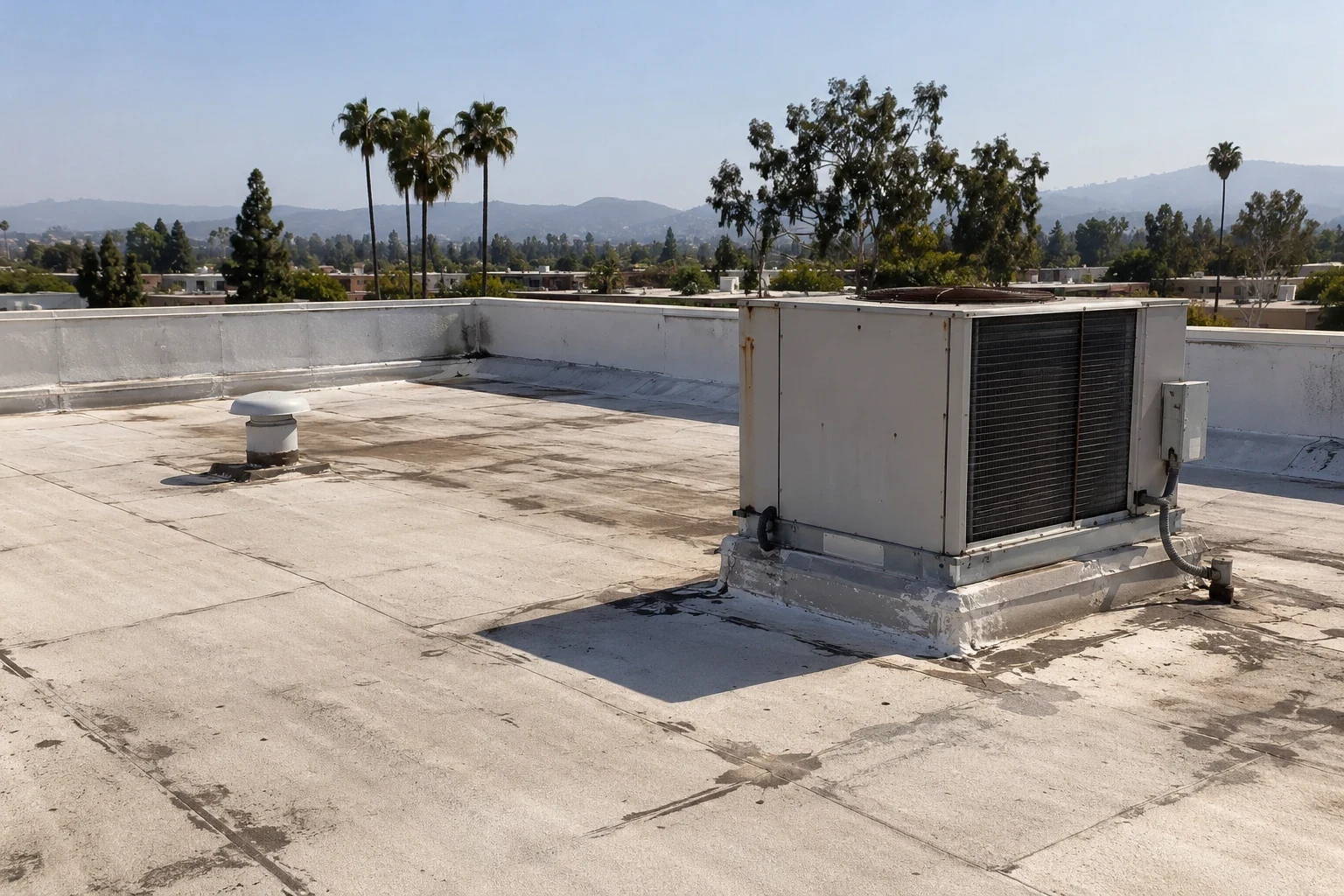
When a rooftop unit or other equipment blocks a flashing, we note which one and what it would take to see it, such as having the HVAC contractor pull a panel. We arrange that through the building contact. That gets listed separately from the roofing around it, so the manager knows which details still need another trade before a repair can be chosen.
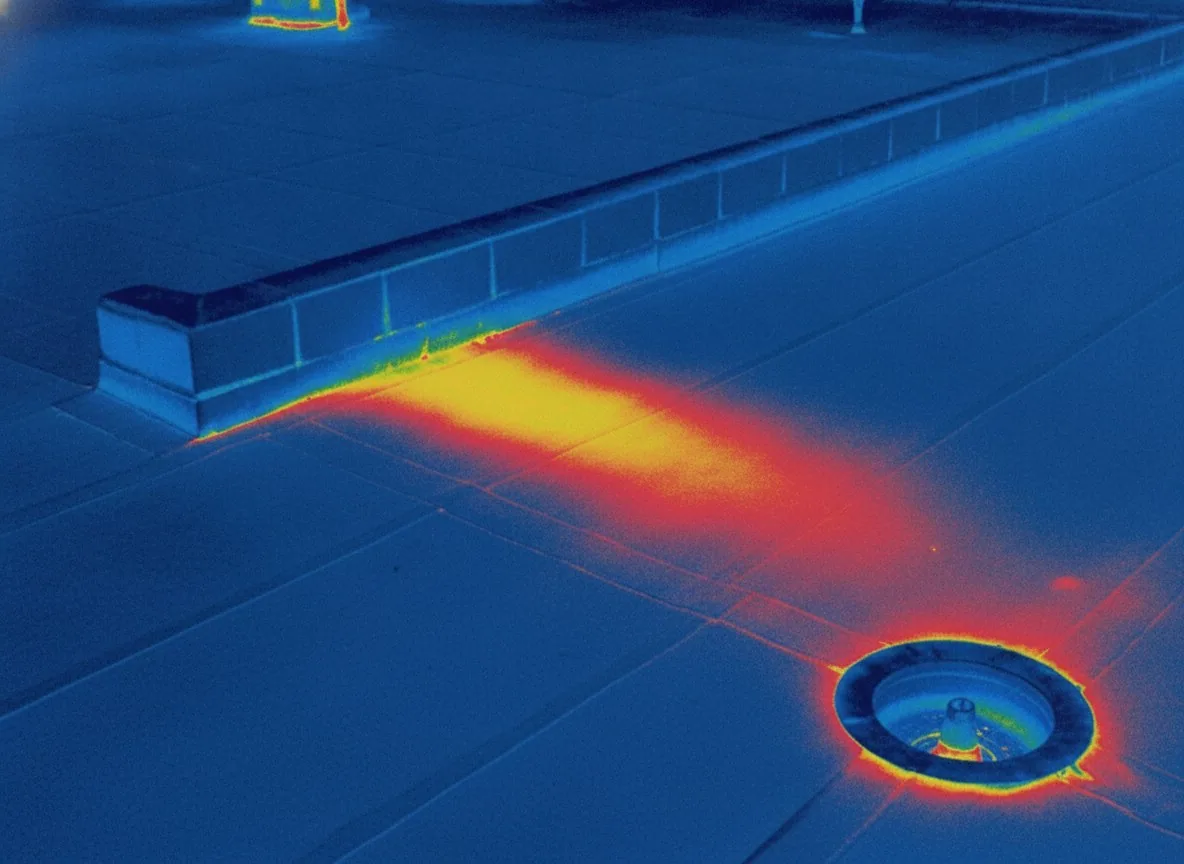
An infrared moisture survey can help find wet insulation, followed by core cuts to confirm what the scan suggests. A drone roof inspection covers large or hard-to-reach roofs quickly but cannot see under the membrane. We pick the methods that fit the roof and the decision at hand, and the report is clear about what each one did and did not show.
Confirm hidden layers before keeping them
Old drawings, warranties and repair records help us identify what is on the roof. We compare them with what we actually see. If the roof is different from what the paperwork says, the report notes where. Those questions get answered before a repair plan relies on the existing roof.
A recover, where a new roof goes over the old one, only works if the existing roof is dry and sound. The inspection says which findings support that and what still needs testing. A membrane that looks dry on top is not proof the insulation underneath is dry. Areas we could not check are listed with a recommended follow-up.
If confirming a layer means cutting into the roof, we get approval first and patch the cut properly. We record what we found at each core location. Structural or design questions go to the right professional. The manager gets that information before buying materials for a repair or replacement, so the plan is based on what is actually there rather than assumptions.
Turn findings into specific budget items
The report describes the work each finding calls for. It notes where repairs are needed and the prep each one requires. Confirmed wet or damaged layers are listed with the removal and replacement they need. Where quantities are uncertain until more testing is done, we say so.
A preventive maintenance plan built from the inspection has its own task list. Maintenance cannot fix a wet deck or a failed curb. We keep routine upkeep, permanent repairs and temporary leak protection as separate recommendations, so the manager can compare each one against the building's needs and budget.
If opening the roof later turns up more damage, we record it separately from the original report, update the quantities and get approval for the added work. The notes explain why it was needed. The inspection stays an honest record of what we could see, and the budget is not padded with guesses about damage nobody could see yet.
Keep findings separate when several properties are involved
When the inspection supports a capital decision, separate routine maintenance from repairs that affect service life or water tightness. State what evidence supports each recommendation, what remains concealed, and which added opening or review would resolve the uncertainty. Keep replacement and recover options tied to the same observed areas. Downey’s inland coastal-plain setting brings more solar heat than nearby beach locations. During an inspection, note brittle exposed membrane, open edge details, and failed sealant separately from storm-related openings so the owner can distinguish heat aging from recent water entry. For an inspection assignment in Santa Fe Springs or Cerritos, compare exposed details with that roof’s repair history rather than treating the market-wide heat pattern as proof of damage.
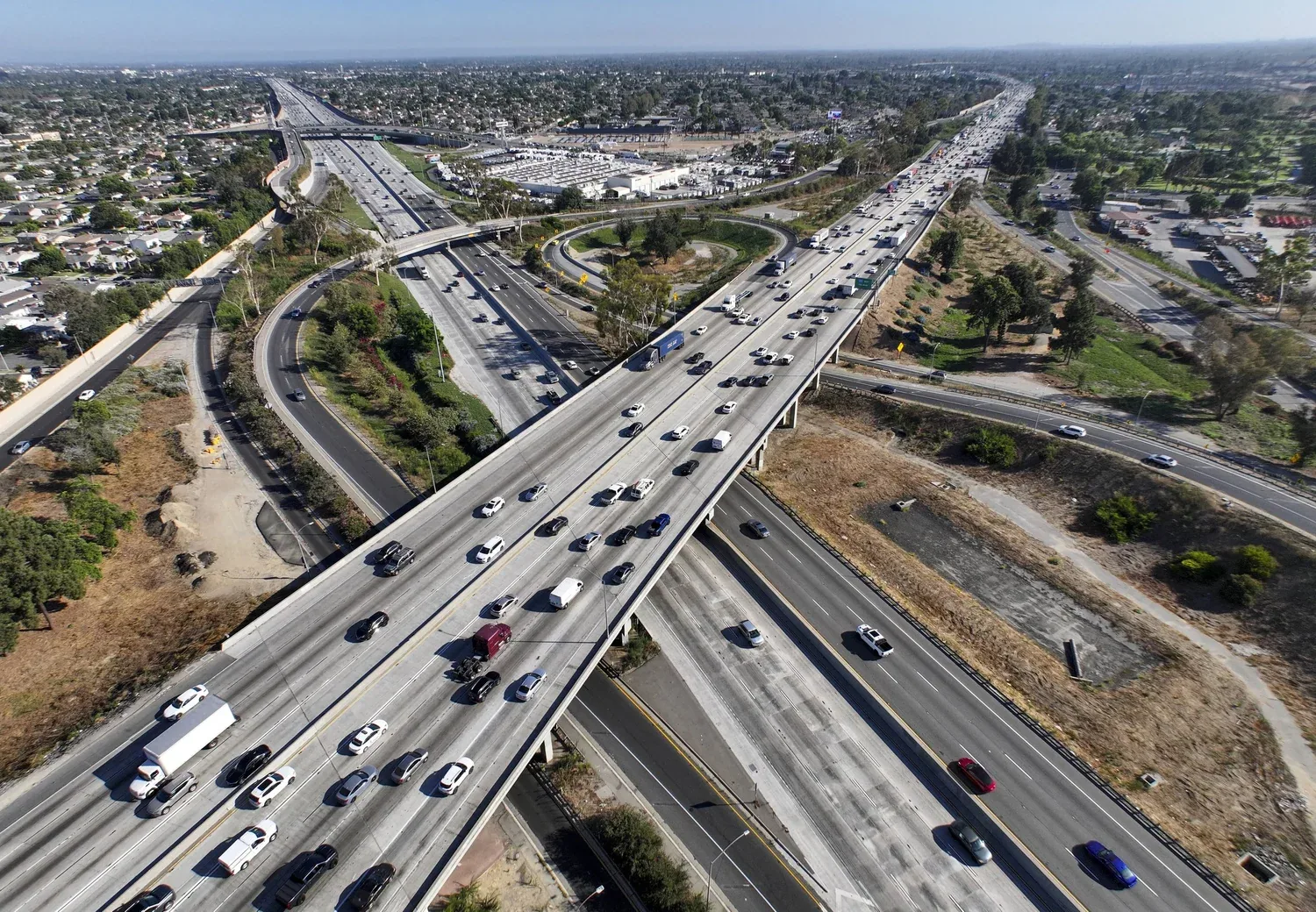
For buildings around the I-5/I-605 interchange, we confirm each property and the areas to be inspected. A multi-site roof program keeps each building's findings separate. One building's report never stands in for another roof's condition.
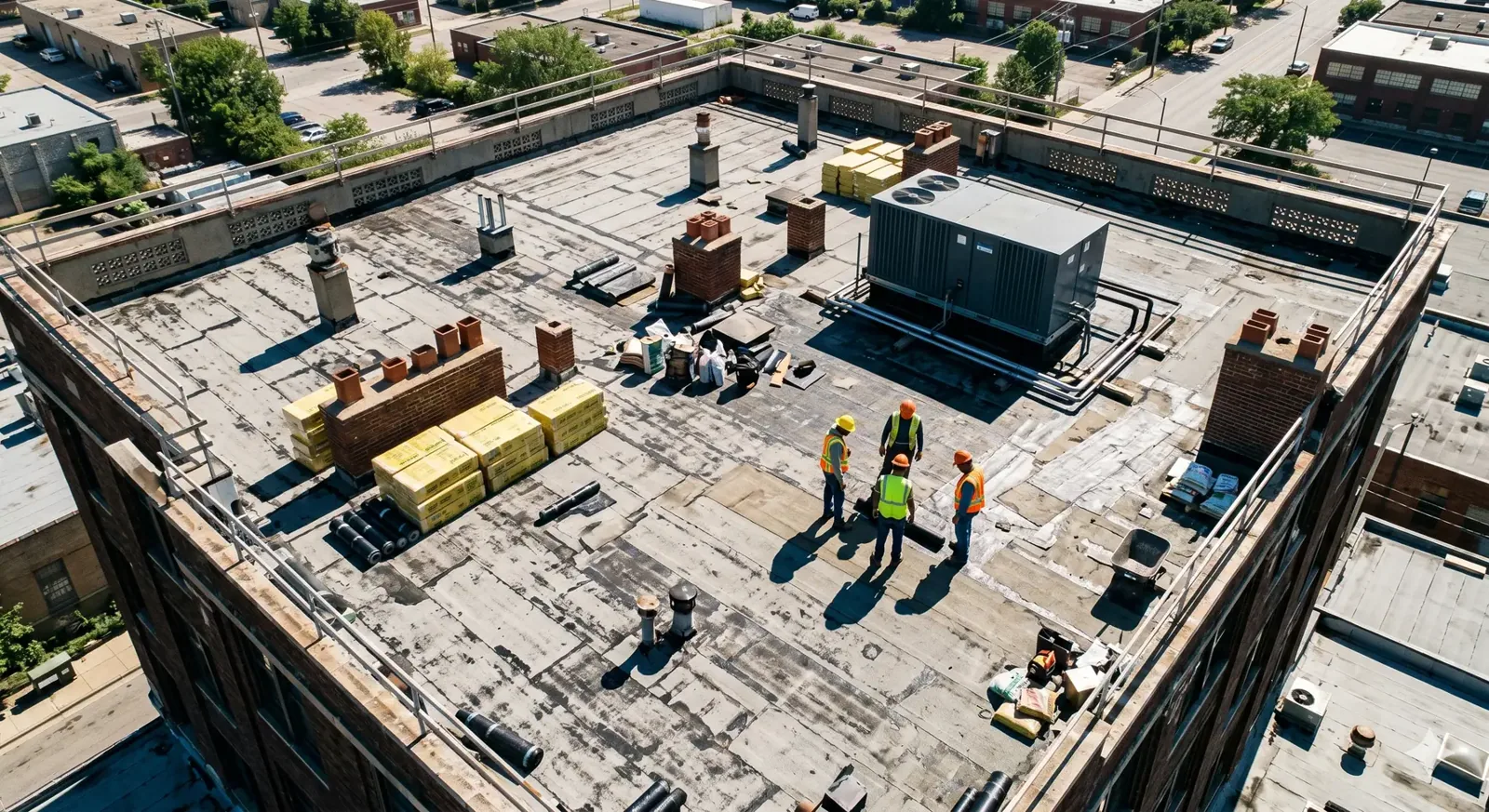
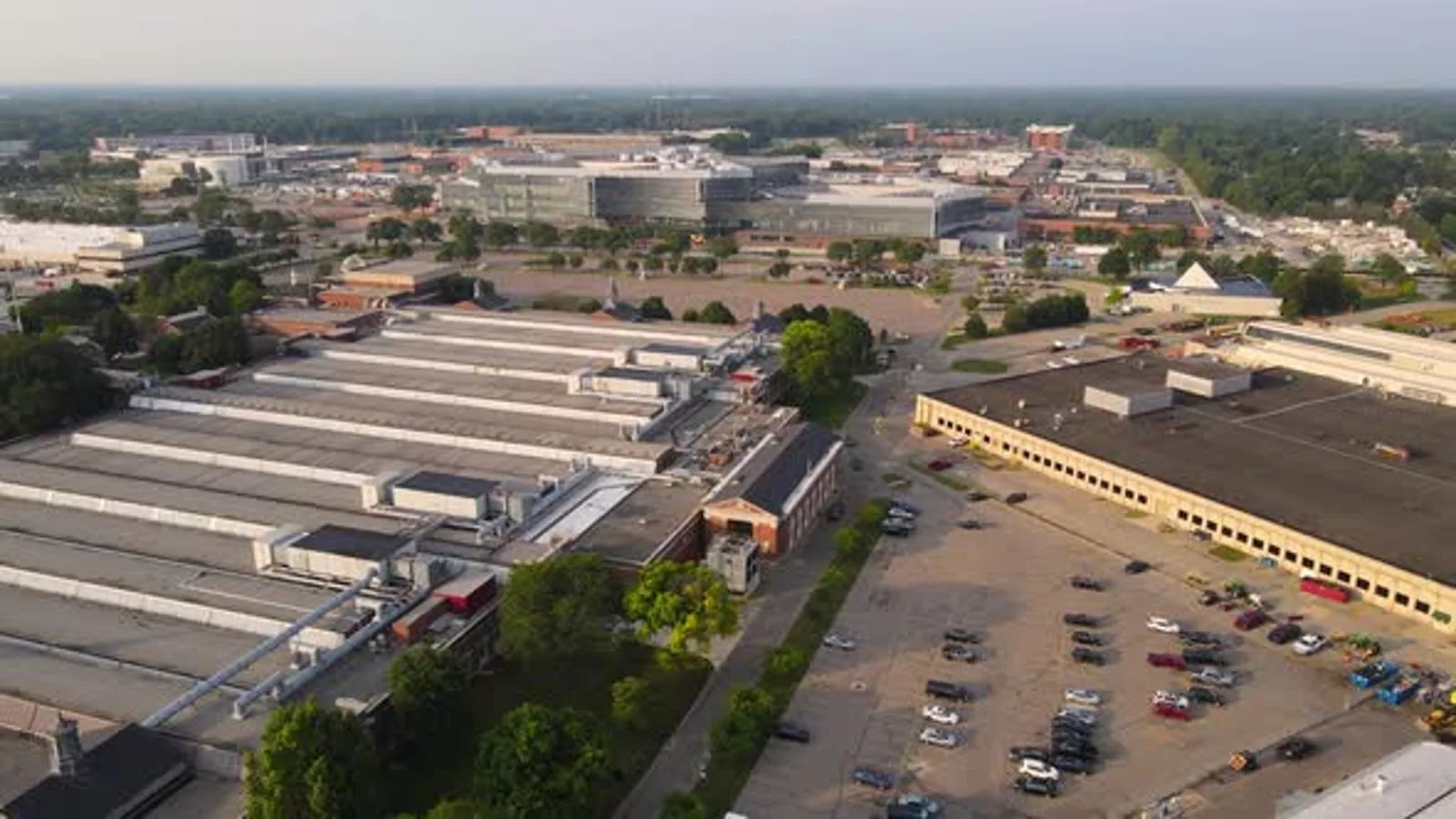
A shopping center roof inspection has to work around tenants, rooftop units owned by different parties, and areas that may be off limits. We list who owns what equipment and which areas we could reach. Inaccessible spots go in the report with a follow-up step. Dated photos, material records and limits stay together, so the property manager can compare findings across buildings while each repair stays tied to what we saw on that roof.
Commercial Roofing Questions
What should a commercial roof inspection cover?
That depends on the decision you need to make. Pricing a repair, deciding whether to keep the roof and planning a replacement each need different information. We agree on the purpose and roof sections first, inspect what we can reach, and say clearly what still needs testing.
Can an inspection tell you everything under the membrane?
No. A visual inspection shows the surface and the details. To know whether insulation or deck is wet or damaged, we use moisture surveys or core cuts, with your approval. Until then, those areas are listed as unknown, not assumed to be fine.
What if rooftop equipment blocks part of the inspection?
We note exactly which flashing or curb we could not see and what is needed to see it, such as an HVAC contractor removing a panel. We coordinate that through your building contact and do not count nearby roofing as proof the hidden detail is sound.
How do I use the report to get repair prices?
Give every bidder the same report. It lists each finding with its location, photo and recommended work, plus areas still needing testing. That way bids cover the same work. If more damage is found once work starts, it is recorded and priced separately.
Schedule a commercial roof inspection
Send us the roof areas, address and any records you have. We will inspect the roof and give you a report with located findings, photos and the further testing needed before repair or replacement quantities can be settled.