Home / Commercial Roofing Services
Drone Roof Inspection in Downey, CA
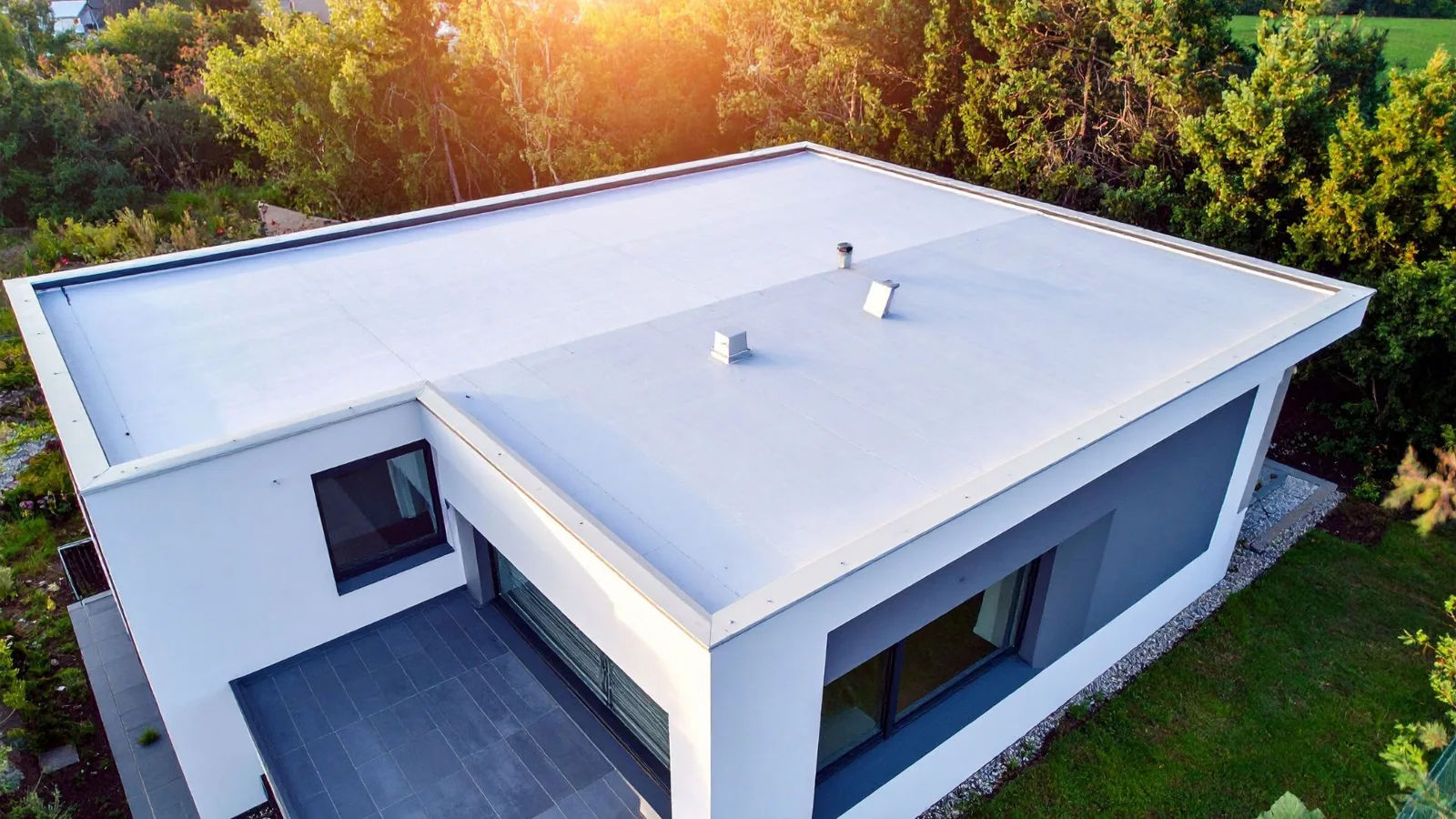
Downey drone roof inspections deliver located images and observable findings, with obscured regions and further physical examination identified separately.
A flight needs a deliverable that answers the manager’s question. Images alone cannot define every repair quantity. Drone roof inspection in Downey, CA, starts with the assigned roof sections and the observations the requested image review can establish. We identify visible construction beside areas obscured or outside the examination. The report separates photographed findings from supporting questions requiring another method. That distinction keeps the next repair scope tied to evidence rather than a broad roof overview.
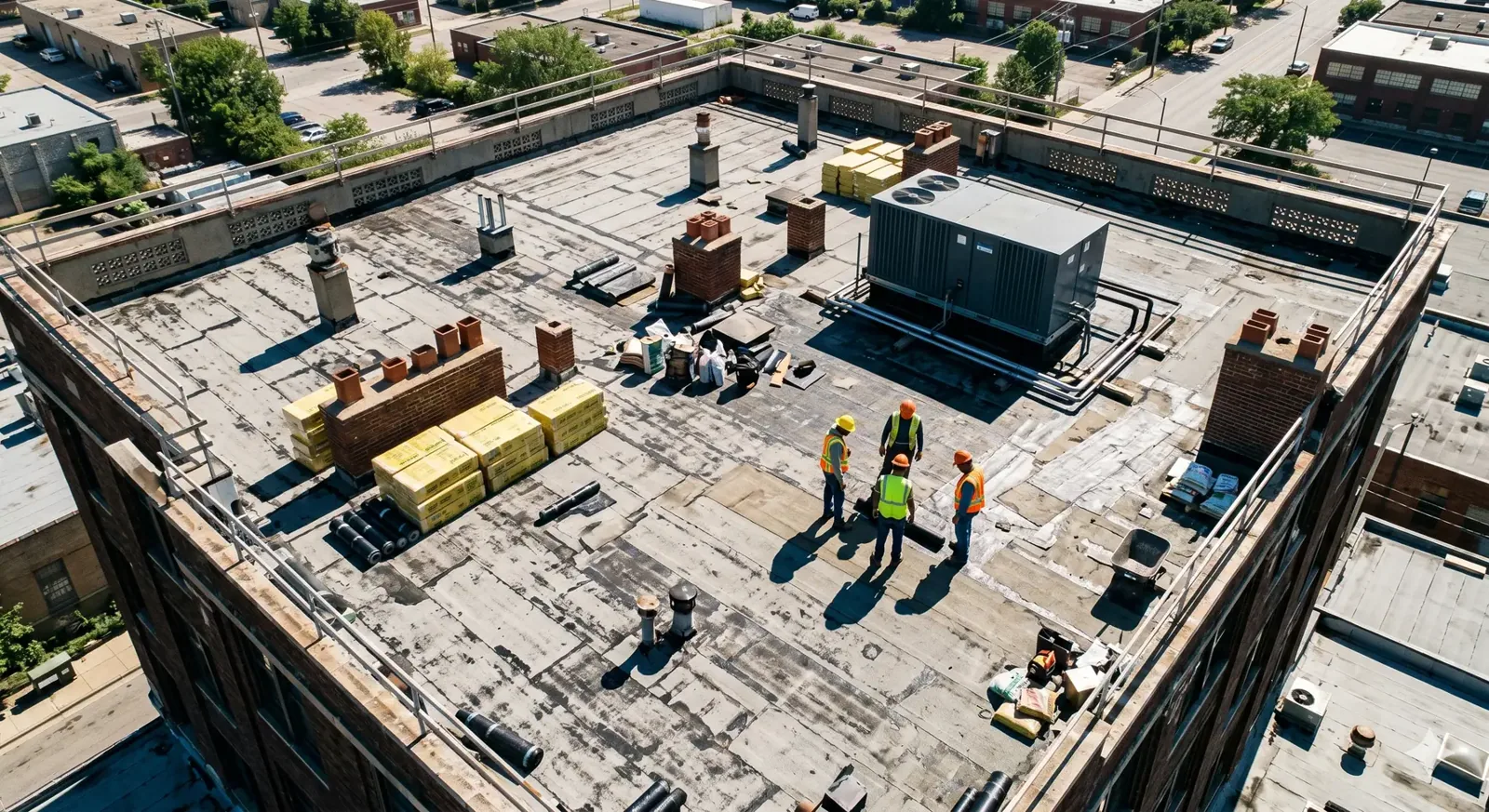
Drone imagery can show broad roof conditions such as debris, ponding, open seams or displaced equipment screens. Before flight, define the building, requested views and permissions with its authorized contact. Images do not confirm concealed moisture, adhesion or deck strength, so a repair recommendation may also need a close roof inspection. Keep each image set tied to the property and date it records.
State the construction decision the images should help inform. Then define the deliverable and its examination boundaries before booking. The manager should receive a usable record of observed locations and the further review necessary to select permanent work.
Establish the image regions and the deliverable first
Identify the property and requested roof sections on an available plan. Define the views needed for the particular condition question. Record visible material, components and detail regions without claiming concealed findings. An image may locate a question that still needs physical examination.
A roof condition record locating observations from the drone image review should pair findings with identifiable construction. Keep the relevant images and their dates beside those locations. Describe regions obscured by equipment or unavailable views. A general image set should not imply every connection has been examined.
Ask which file output the manager will receive and retain. Establish the proposed review duty and documentation scope before the assignment. Construction recommendations should identify the observations supporting them. Where detail condition cannot be established from the available view, describe the next examination. This gives the property manager the image record needed to arrange further work without converting an unanswered connection into a priced permanent repair by assumption.
Arrange the flight through the responsible project parties
Before scheduling a flight, confirm current site instructions, permissions and the responsible contact for the assigned property.
Confirm flight permissions, roof access and operating limits separately. Tell the manager which roof sections can be captured. Keep any unavailable section and its reason in the proposed coverage.
If access divides the flight into separate periods, include the added setup and identify which roof sections each visit can capture. List any view blocked by equipment or access so the manager knows which areas still need examination.
Keep observable surface findings separate from backing condition
Review the image findings against the visible construction actually captured. Identify a seam, patch or raised component by its location. Do not turn a visual difference into acceptance of concealed support. The proposed repair needs material identification and examination appropriate to the actual task.
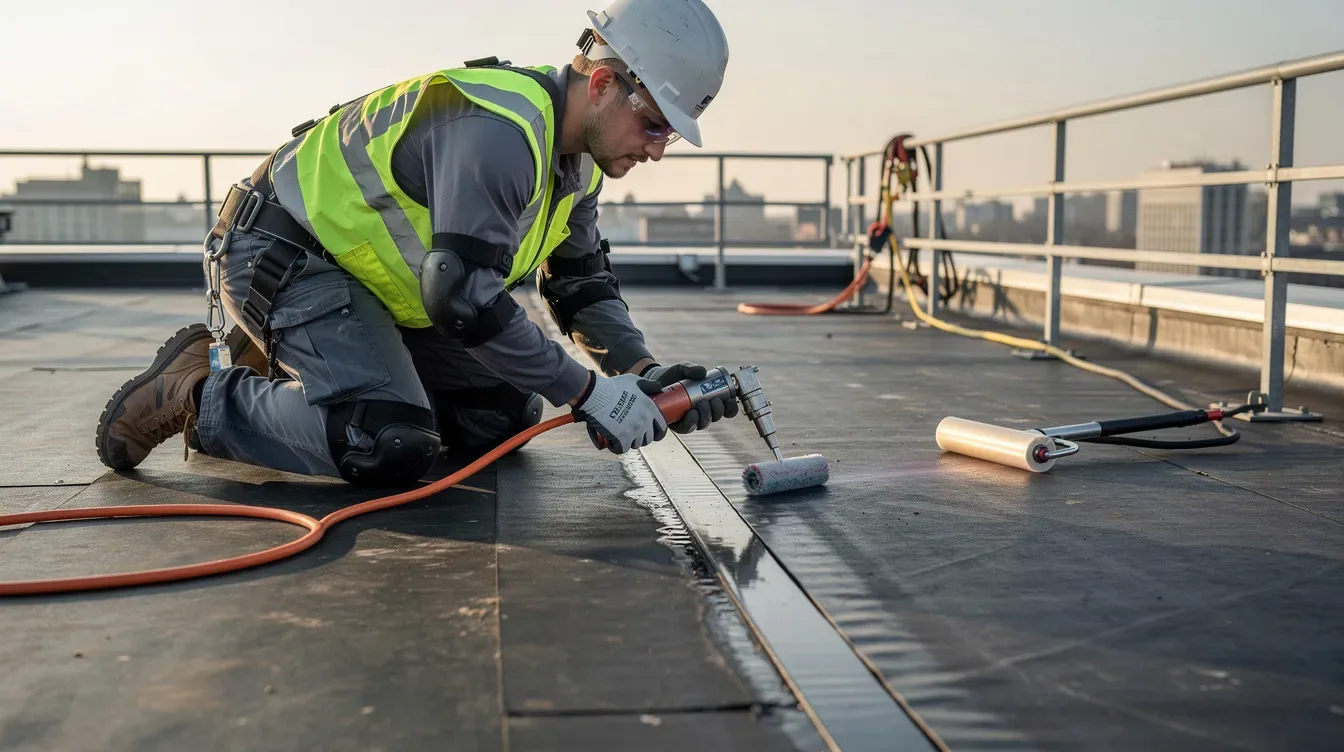
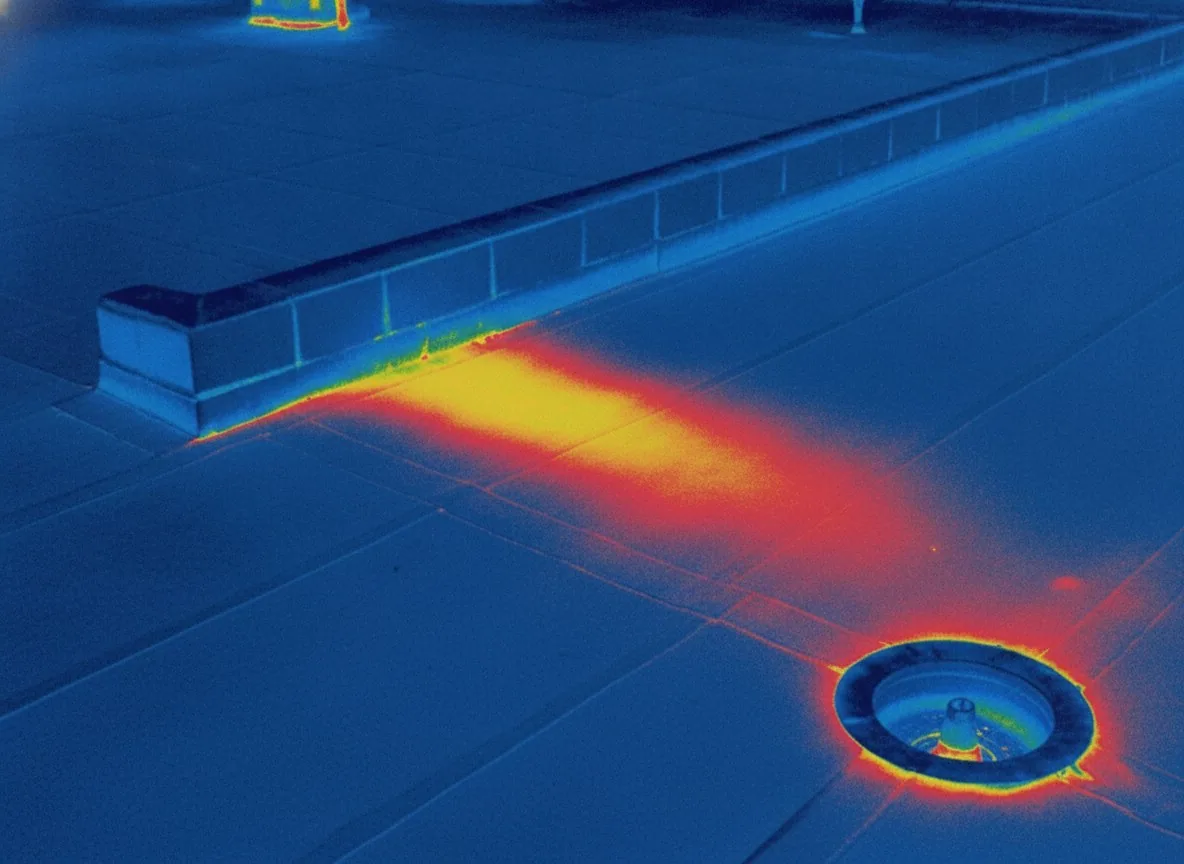
A physical inspection arranged for unresolved image-review locations can examine accessible condition within its own agreed scope. Keep the questions it should address visible in the image record. An moisture investigation with confirmation beside thermal interpretation limits requires separate suitability and method review. Neither its equipment name nor a photograph settles all backing questions.
Where further examination requires opening, establish authorization and compatible closure beforehand. Locate the construction found and resulting condition account separately from the original imagery. The manager receives a traceable progression from visual observation to confirmed findings, allowing permanent correction to be selected from the examination actually performed rather than an inference about layers the images could not show.
Price further investigation before finalizing repair quantities
A photographed concern should be carried as the question it represents. Define the examination needed before selecting the permanent method. Keep confirmed defects distinct from suspected supporting damage or unidentified earlier treatments. The estimate should show which correction duties are ready for pricing.
When existing products remain unidentified, arrange the relevant material review. If an attached component blocks access, establish its operator’s preparation duty. Carry those actions beside the repair location they enable. The crew should not receive an order to complete a connection whose required surfaces have not yet been examined.
A planned repair proposal based on confirmed image-follow-up findings should retain the actual supporting assessment. If construction later exposes additional damage, record it as a new finding. Explain the revised removal and rebuilding quantities before responsible authorization. Appropriate protection remains with unfinished work while the change is resolved. The property manager can understand why scope grew with each added quantity tied to the material exposed and approved for the revised work.
Preserve separate property records when comparing several roofs
Drone imagery can help document broad roof sections, ponding, debris and visible membrane conditions. It cannot confirm concealed moisture, adhesion, deck strength or the cause of an interior leak. We define the areas to capture and pair the images with ground-level or close roof examination where a repair decision depends on a hidden layer or small flashing detail.
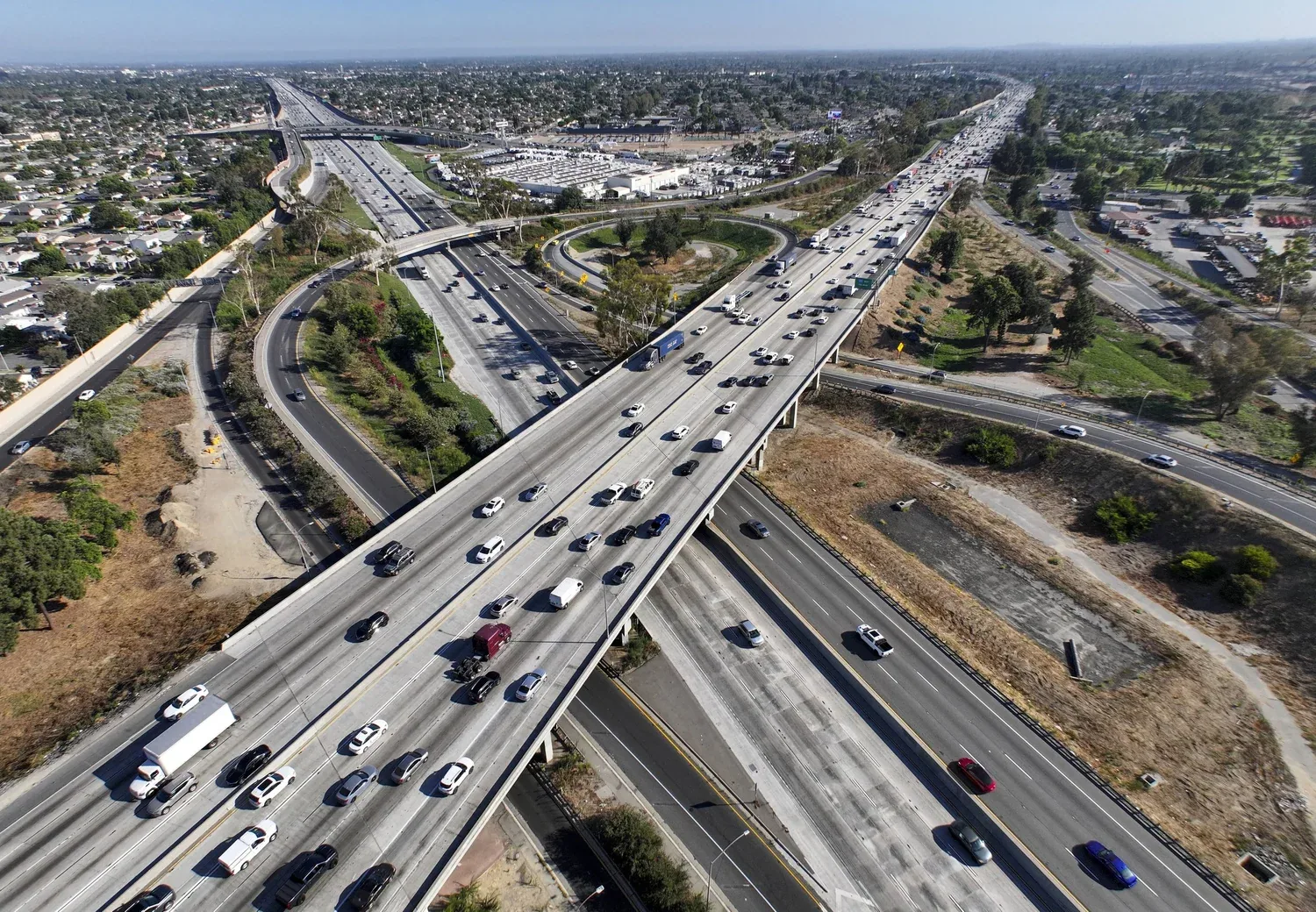
For a building near the I-5/I-605 Downey interchange, label every image with the building and roof section it shows. A multi-site roof program keeps each building’s images and follow-up inspection tied to its own construction.
Retain the captured regions, dates and view limitations with each image set. Locate recommended follow-up and its later findings alongside the original observations. Keep physical repair records and approved quantity changes distinguishable from imaging alone. The manager can compare known conditions while preserving the examination still needed at each property, before another construction proposal relies on a surface or supporting layer the flight did not establish.
Use the image set to make the next inspection more efficient. Label each view by building, roof section and direction, then pair wide views with closer images of drains, seams, curbs and visible damage. Keep scale in frame where it helps compare an area over time. If a shadow, obstruction or image angle prevents a reliable reading, list that limit and request a safe ground or roof-level look. Avoid estimating concealed wetness, attachment or remaining service life from imagery alone.
Commercial Roofing Questions
What should the manager establish before requesting a drone inspection?
Define the actual property, roof regions and construction decision the images should inform. Obtain current project instructions and the responsible operating contacts. Establish the requested deliverable and examination boundaries. The report should identify what the images show, what they cannot show and which follow-up inspection is needed.
Can roof images determine the complete permanent repair scope?
Visible observations can locate defects and further examination questions. They do not establish every supporting layer or unidentified prior treatment. Arrange the relevant physical condition and material review before selecting permanent correction. Keep obscured connections listed until access or another suitable method provides the findings needed for a complete repair decision.
How should a photographed concern become a construction allowance?
Identify the concern and the confirmation required at its location. Price further examination separately where findings remain incomplete. Carry established removal and component preparation beside a reviewed repair method. The manager should approve construction based on actual condition evidence, with later exposed damage recorded as a separate finding and authorized quantity revision.
What should a multi-property imagery record preserve?
Retain each property’s captured regions, dates and stated view limits. Locate observed findings and the next examination needed separately by roof. Keep later physical confirmation and repair records connected to their original questions. A comparison should preserve actual findings for each building rather than transfer another property’s material or supporting acceptance.
Define the drone image review scope
Provide the property address, requested roof sections and the decision the imagery should support. We will review the proposed deliverable and identify observable findings, view limits and the follow-up examination needed before permanent correction is selected.