Home / Commercial Roofing Services
Commercial Roof Replacement in Downey, CA
Commercial roof replacement in Downey, CA. Clear budgets that separate tear-off, wet insulation, deck repair and the new roof system, phased for occupied buildings.
Roof replacement budgets usually grow because of what is under the old roof: wet insulation, rotted nailers, rusted deck and curbs that need rebuilding. Commercial roof replacement in Downey, CA should price those items right alongside the new system. We inspect the roof before deciding what can stay. The estimate separates confirmed damage from areas we still need to test, and shows removal and rebuild quantities before you sign. Knowing which membrane is going on does not tell you how much repair work sits underneath it.
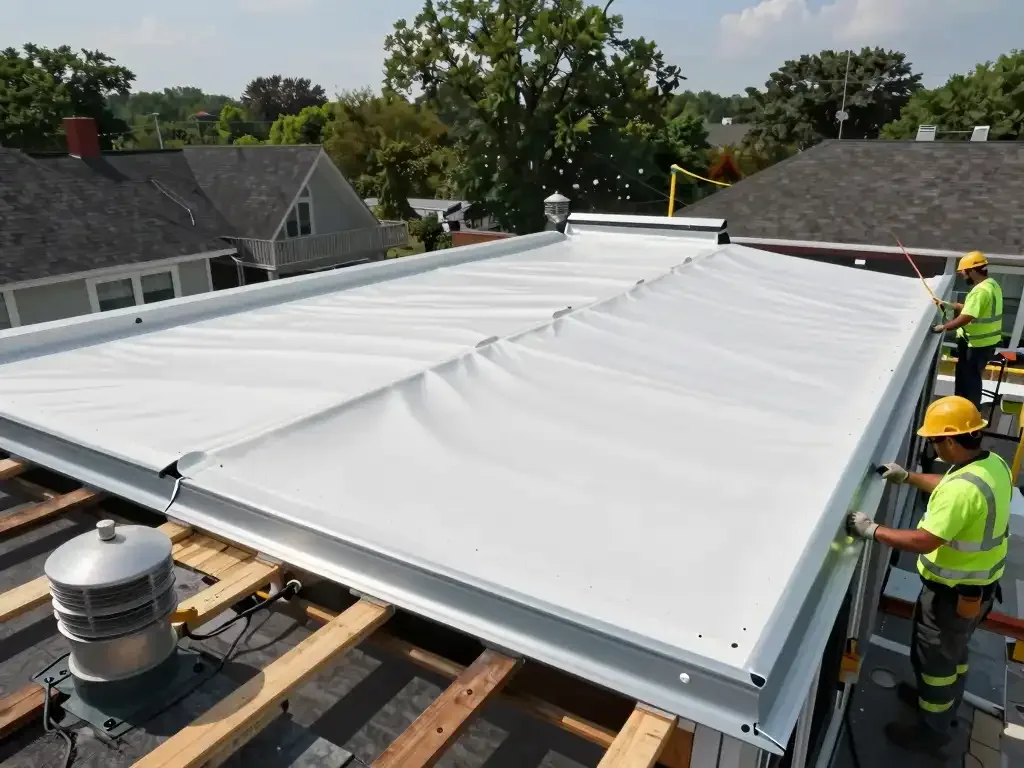
Before removal starts, mark roof sections that can be opened and closed within the planned shift. Check where existing insulation meets curbs, drains, and edge metal; those height changes often determine how the new membrane can terminate. If the deck is exposed, photograph the condition, measure the affected area, and hold the next layer until the repair is approved. Keep each section’s tear-off, substrate correction, insulation, and membrane quantities separate so the owner can track both completed work and any concealed damage that changes the scope.
A good replacement plan shows what gets opened each day and what has to be done before that section is closed again. Working that way keeps hidden backing and flashing problems from surprising the budget.
Find damaged layers before the bid closes
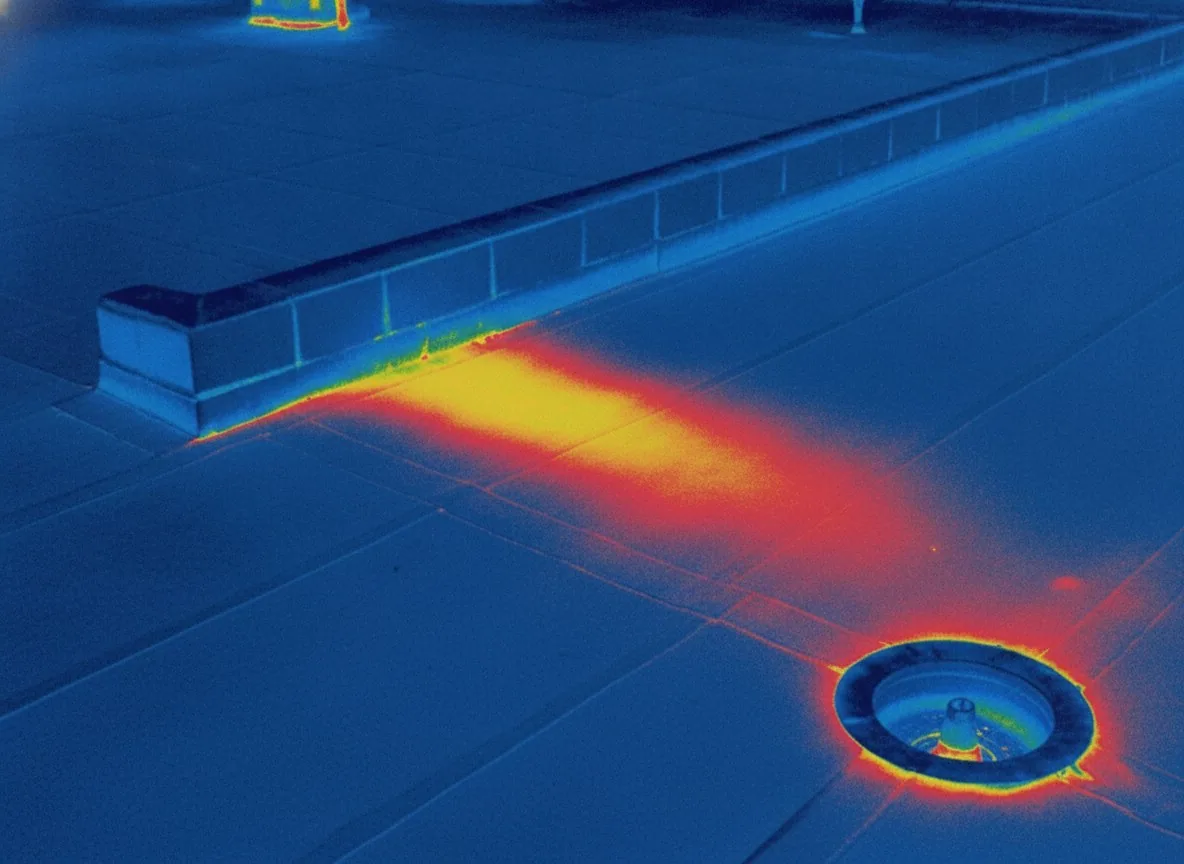
A replacement quote should be based on what the existing roof is actually made of. We review any records and inspect what we can reach before setting the tear-off quantity. An infrared moisture survey, confirmed with core cuts, can map wet insulation when the roof suits that method. We explain what the scan can and cannot show. A wet reading alone should not decide every removal line.
Wet or crushed insulation gets removed and replaced, and the estimate says how much. Any insulation we plan to keep has to be checked against the requirements of the new roof system. Dry-looking material is not automatically good enough to build on; the manufacturer's rules and the actual condition both matter.
It is worth asking any contractor what happens when the tear-off exposes a damaged deck. Structural questions go to an engineer. We agree up front who gets told and who approves extra work. The open section is kept watertight while that is settled, and the crew does not install new layers on that deck until the repair is approved.
Separate removal, rebuilding and the new system
Splitting the price into three parts makes bids easier to compare. First, tear-off and disposal, including how much comes off. Second, insulation and deck or nailer repairs, based on what we found. Third, the new roof system and its flashings at walls, curbs, drains and edges. Anything still unknown is shown as an allowance with a clear approval process.
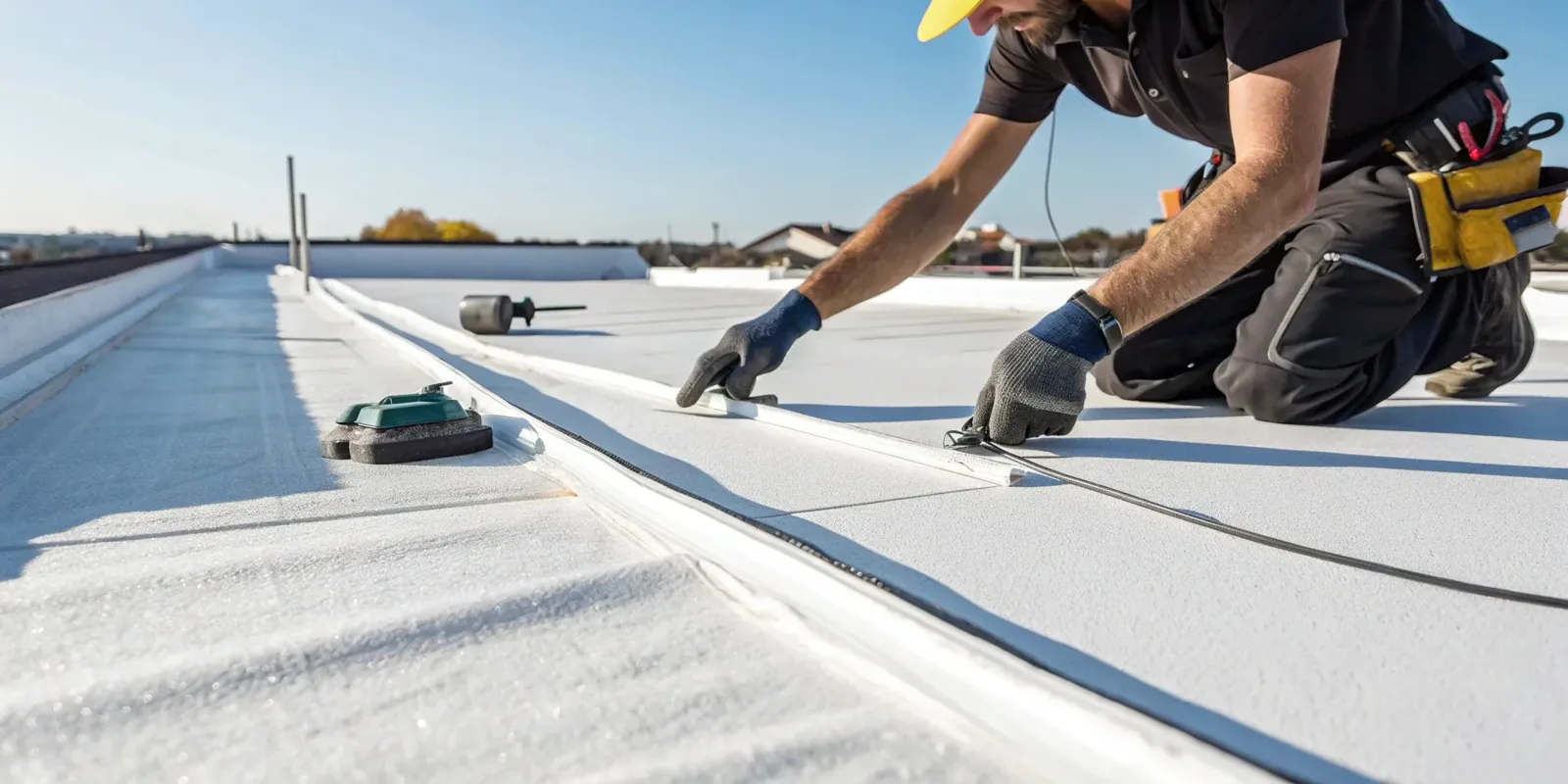
Whether the new roof is a TPO roof system or a PVC roof system, the components, fastening and flashings need to be specified. We check the manufacturer's requirements against the deck and insulation underneath. Switching membranes does not make a bad deck go away.
If we agree on unit prices, we explain what each covers, whether that is removal, disposal, new material or the flashing work involved. We also say how quantities will be measured and recorded during the job. That way, when the owner approves a change, they know exactly what they are paying for. A contingency should help decision-making, not paper over a vague scope.
Confirm the roof assembly before ordering materials
We identify the existing layers and the new system being proposed, then check the manufacturer's requirements for insulation, cover board and fastening. Design or structural questions go to the right reviewer. Materials are ordered only after those decisions are made.
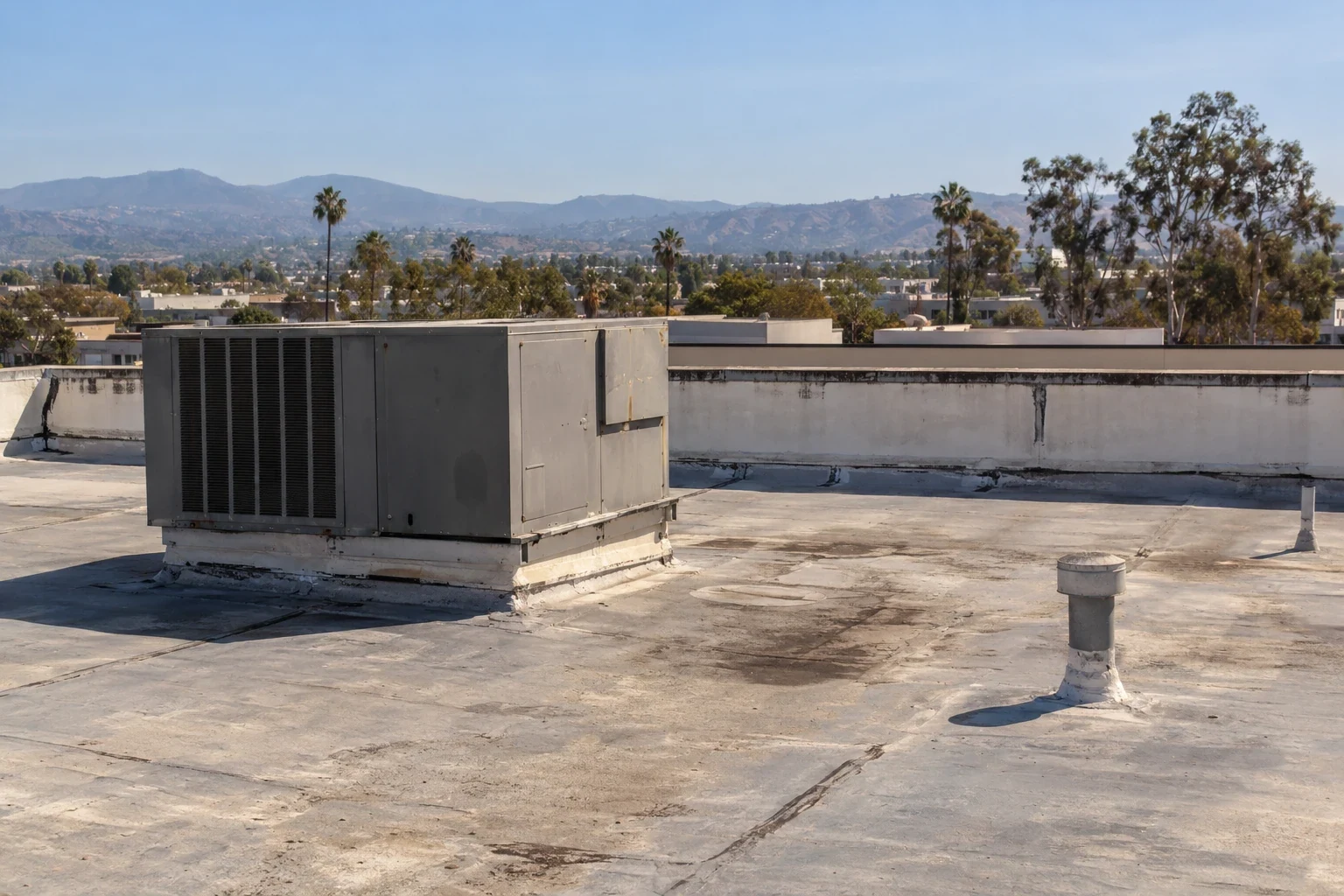
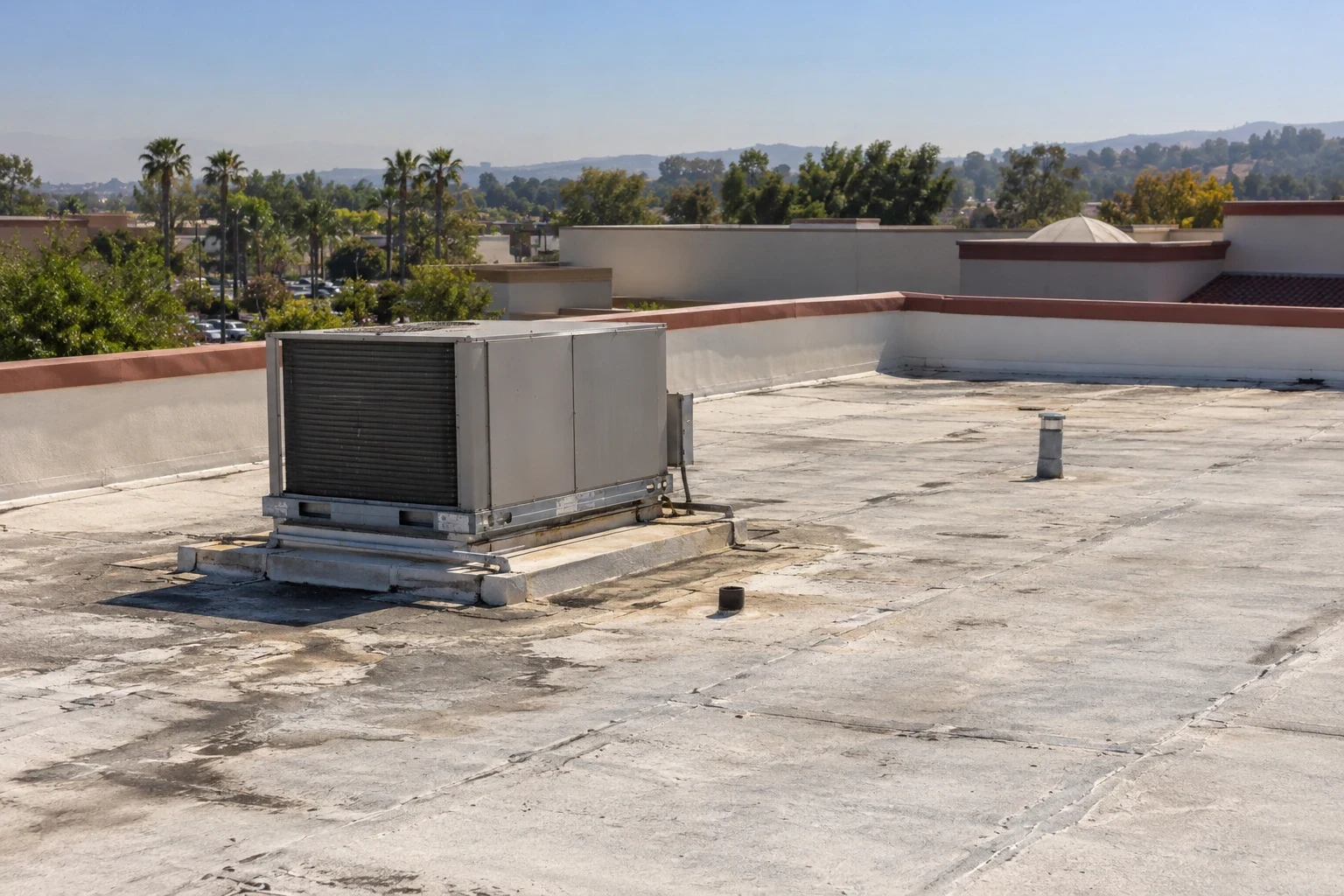
A new roof also changes the flashings at rooftop units and roof edges. Thicker insulation raises the roof surface, so curbs and edge metal may need to be raised to keep enough flashing height. A brand-new field of membrane can still leave a short curb that leaks. We include any curb or edge work before calling those details finished.
Permit and code requirements come from the local building department, and we confirm them for this specific building rather than assume they match the last job. Required paperwork and inspections are part of the scope. If a product substitution affects an approved detail, we revisit that detail and explain the change to the property manager before ordering. The crew then installs one consistent system with a clear list of any open decisions.
Open and close the roof one section at a time
The tear-off plan follows a sequence that fits the roof. We set up material handling, debris chutes or bins and protection with the building's current rules. We watch the forecast when scheduling, and we never open more roof than the crew can dry in that day.
Before starting each section, we make sure the materials are on site, any deck or nailer repairs are ready to go, and we can reach the flashings at the edges of that section. If a rooftop unit needs the HVAC contractor to lift or disconnect it, we schedule that before the curb flashing work.
Tenant hours or other rules may split the replacement into several work periods. We include the extra setup and overnight protection that requires. We track which sections are finished and which are waiting on another trade. If tear-off reveals more damage, the extra quantity and approval are handled openly while the exposed area stays protected. The manager always sees what work is left, not just a note that the job is in progress.
Price the occupied-building arrangements with the work
On a large roof, replacement sequencing should follow areas the crew can dry in before the work period ends. Identify the tie-ins that must remain watertight overnight, the material and crew needed to close them, and any unit or drain work that must happen first. Include temporary protection at transitions between completed and open sections. Downey and the surrounding Gateway Cities run hotter than coastal locations, so exposed membranes face substantial solar heat; inspect edges and penetrations for age-related splits before setting the replacement allowance. For a roof in Santa Fe Springs or Vernon, use that property's inspection findings to set the removal and edge-repair scope.
Our occupied-building reroofing plans the roof work around the people inside: entrances, delivery routes and who is responsible for which equipment. On a shopping center roof, tenants often need work split into separate time windows, and the extra setup goes into the estimate. No building type comes with a ready-made schedule; it depends on that property.
For replacements near the I-5/I-605 interchange, we work out the building's actual access route. A neighboring building's setup does not answer that. Any open equipment work and unfinished flashing locations stay on the remaining-work list, so the manager can line up the next step and see where roofing picks up once it is done.
Commercial Roofing Questions
How do you decide between a replacement and a recover?
It depends on the condition of the existing roof and the requirements of the new system. A recover only works if the existing insulation is dry and sound and code allows another layer. If a lot of material has to come out anyway, a full replacement is usually the better choice.
What should tenants be told before a replacement starts?
The work hours, which areas and entrances are affected, where deliveries and debris will go, and who to call with questions. We coordinate rooftop equipment shutdowns with the HVAC contractor and keep open sections protected so communication matches the actual work.
Which replacement costs need an approval process?
Anything unknown until tear-off, mainly wet insulation and deck or nailer repairs. We record what we find and where, explain the added work, and get approval before doing it. Unit prices state exactly what each one includes.
What records do I get when the replacement is done?
The installed system and products, any insulation we kept, where deck or nailer was replaced, photos of seams and flashings, test results, approved changes and a list of anything still pending. That record matters for warranty questions and future planning.
Get a complete roof replacement price
Send us the roof areas, address and any condition records. We will inspect the roof and explain the tear-off, repairs underneath and new flashings, along with the decisions needed before work starts.