KEE Roofing in Downey, CA
KEE roofing in Downey, CA: we identify the membrane, check the insulation underneath and repair or install KEE seams and flashing with the right products.
KEE is a type of thermoplastic roof membrane, not a single product. Different manufacturers make KEE membranes, and repairs work best with materials and methods made for the one on your roof. So the first step on any KEE roof in Downey is finding out exactly what is installed, along with any past repairs and the condition of the insulation underneath. Then we define the repair area, note anything still unknown, and price the work the roof actually needs.
FiberTite describes KEE as ketone ethylene ester in its membrane information. That tells you what family the material belongs to, not which product is on your building. We identify the actual membrane and its manufacturer's instructions before choosing repair parts, and we treat that separately from checking the insulation and the details around it.
A KEE roof proposal should name the system being considered and describe the condition of the existing roof. We inspect seams, penetrations, drains and the surrounding membrane, then explain which details need repair before new membrane or coating goes on. The system choice should follow the project specification and compatible accessories, not an assumption based on the type of building.
Identify the membrane before choosing repair parts
We look for roof records and any markings on the membrane itself, and note any patches or coatings in the repair area. Old KEE roofs sometimes have patches made of other materials, which may not weld to the new membrane. If we cannot identify the membrane or a patch, we note it and test before ordering parts.
KEE and PVC roofing are both heat-welded and can look similar, which is useful for comparison, but that does not mean their repair parts are interchangeable. The membrane on your building still needs its own compatible repair method and preparation.
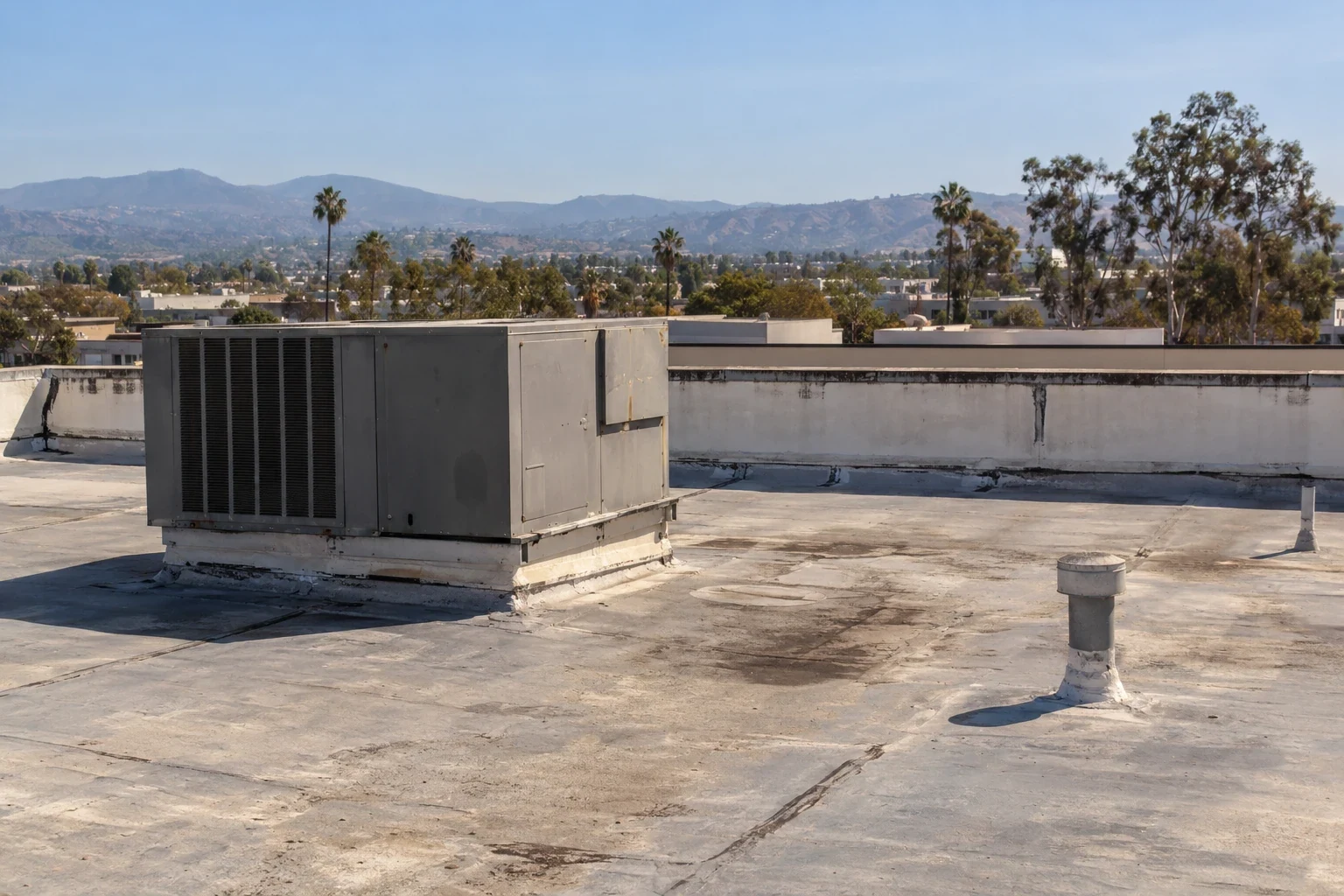
A roof inspection on a KEE roof records the visible damage and any questions about the material, along with which areas we could see and which we could not. If a repair depends on something we could not see, we explain what further checking is needed. That way you know what we confirmed and what we are assuming before material is ordered.
Check the insulation before ordering material
Wet or crushed insulation under the membrane has to be found and replaced before new KEE goes on. We check with cores and visual signs, mark confirmed wet areas for removal and list areas that still need checking separately. Choosing the membrane does not answer whether the insulation underneath is sound.
Our roof insulation and cover board work replaces wet material and provides a firm base for the new membrane, with quantities tied to what we found. We make sure the new layers meet the requirements of the KEE system being installed. Structural or design questions beyond the roofing go to the right reviewer before materials are ordered.
If opening the roof shows more damage than expected, we stop, measure it and explain why the quantity changed. We get your approval before extending the repair, and the open area is protected while you decide. The record shows what we first inspected and what we later found, so the added cost is tied to actual conditions rather than an unexplained increase.
Use the detail made for that membrane
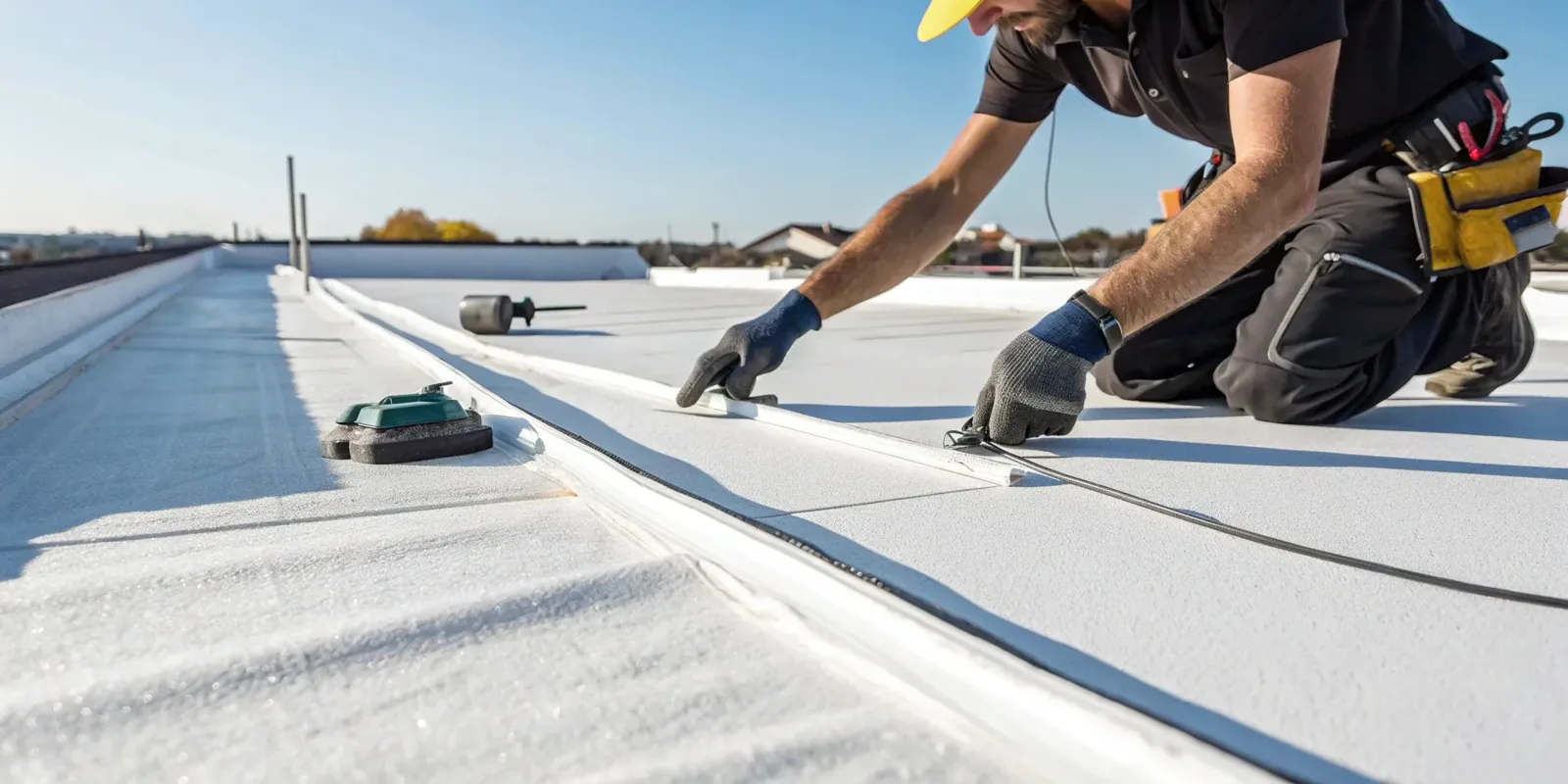
KEE seams and flashing are hot-air welded, and the existing membrane has to be clean and weldable for new material to bond. We follow the manufacturer's requirements for seams, flashing and terminations, check old repair surfaces where the new work joins them, and cut back to good membrane where needed. A detail copied from a different membrane is not good enough just because it looks right.
If one part of the building has TPO roofing and another has KEE, the two need a proper transition where they meet. We identify that boundary and the detail for it, alongside any insulation and backing repairs in the area.
At penetrations and walls, we check what the flashing fastens to and repair damaged backing before flashing it. If equipment blocks part of a detail, we note what needs to move. The estimate walks from removal through backing repair to the finished flashing, with any open product or equipment questions shown before materials are ordered.
Coordinate equipment before flashing it
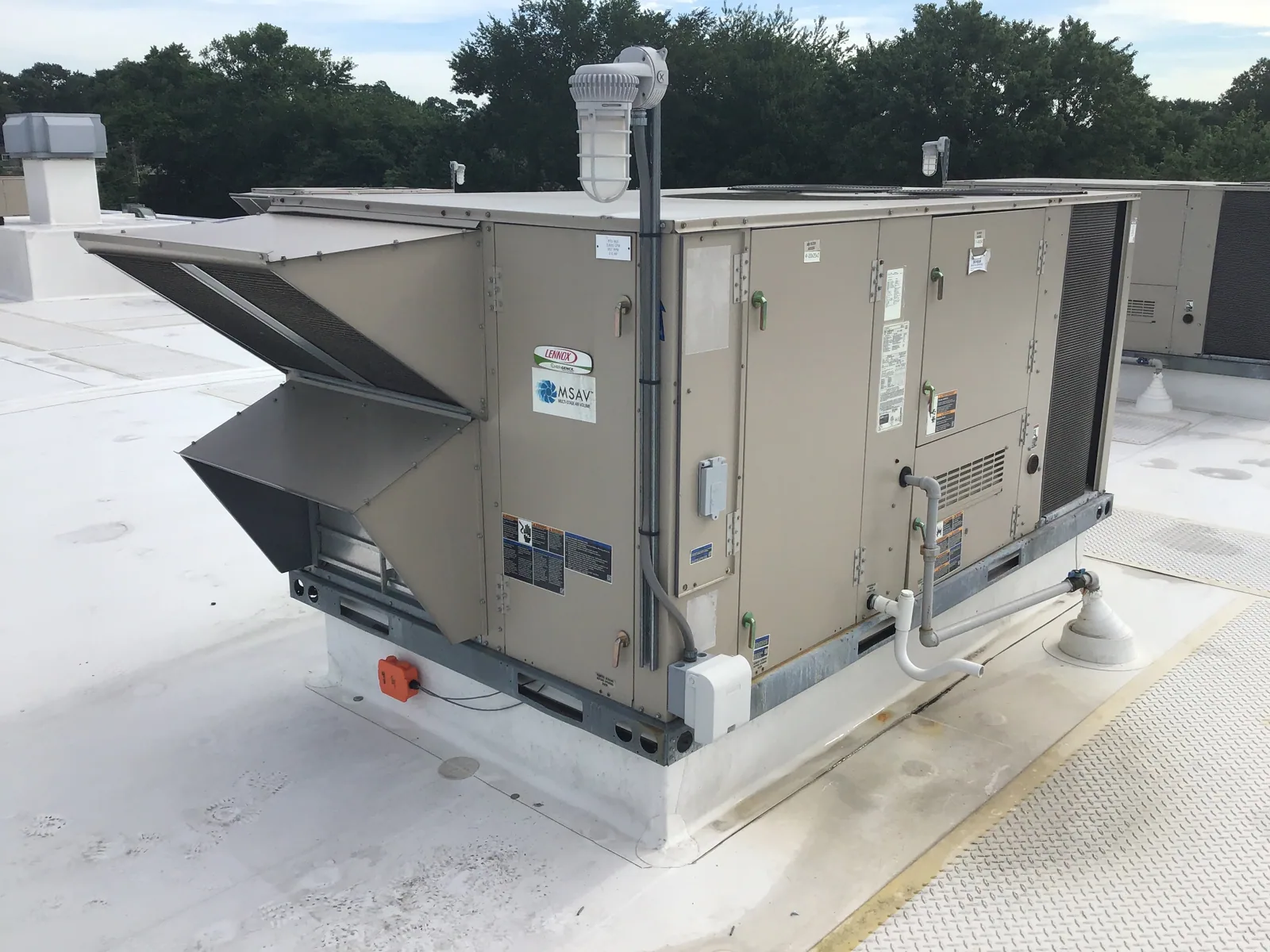
Flashing a curb properly needs access to the whole curb. We confirm who controls the rooftop equipment and what they need to do so we can reach it, such as lifting, disconnecting or supporting a unit. That is scheduled before our flashing work. A blocked curb stays on the list as a separate item even if the roof around it is finished.
Our rooftop equipment curb and support work includes repairing curbs or supports where the inspection shows a need. If the change affects how the equipment is supported, it is reviewed before roofing proceeds. The equipment contractor's work and our roofing work are clearly separated.
For occupied building projects, we confirm work hours, access and material handling with the building manager. Phased work may add setup and temporary protection, which we price. Any section left unfinished between phases is listed with what is needed next, so nobody mistakes a finished roof area next to it for a completed detail.
Keep a record of the product and repairs
At the edge of a repair, we confirm how the new KEE will tie into sound existing roofing. The scope includes surface prep, compatible flashing, curb corners and edge terminations where they are affected. If the existing membrane or the surface beneath it is uncertain, we check before specifying the permanent detail. A complete proposal covers both the membrane work and any repairs that have to come first.
For a KEE roof near the I-5/I-605 interchange, we identify the specific property and roof section, and keep other buildings' records out of its findings. The repair method follows the product and condition actually found on that roof.
At closeout, you get the membrane product and the locations of each repair, any insulation or backing replaced, and photos of the finished details. Agreed checks such as seam probing are recorded. Approved additions are tied to what we found. Areas we did not inspect and any equipment work still pending are listed separately, so you know what was finished and what still needs attention.
Commercial Roofing Questions
What does knowing the roof is KEE tell you before a repair?
It tells us the membrane family, which is heat-welded. We still need to identify the specific product and its manufacturer's requirements, and check the condition of the roof, before choosing repair parts.
How do you handle the insulation under a KEE roof?
We check for wet or crushed insulation with cores and visual signs, replace what is confirmed wet and list areas still being checked separately in the estimate.
What has to happen before flashing a curb blocked by equipment?
The equipment owner or HVAC contractor lifts, disconnects or supports the unit so we can reach the whole curb. Our flashing work follows.
What should the KEE repair record include?
The membrane product, repair locations, insulation or backing replaced, photos and any checks done. Open items are listed separately.
Get a KEE roof estimate
Have a KEE roof in Downey that needs repair? Send us the roof areas and any product records, and we will identify the membrane and give you a clear estimate for the repair.