EPDM Roofing in Downey, CA
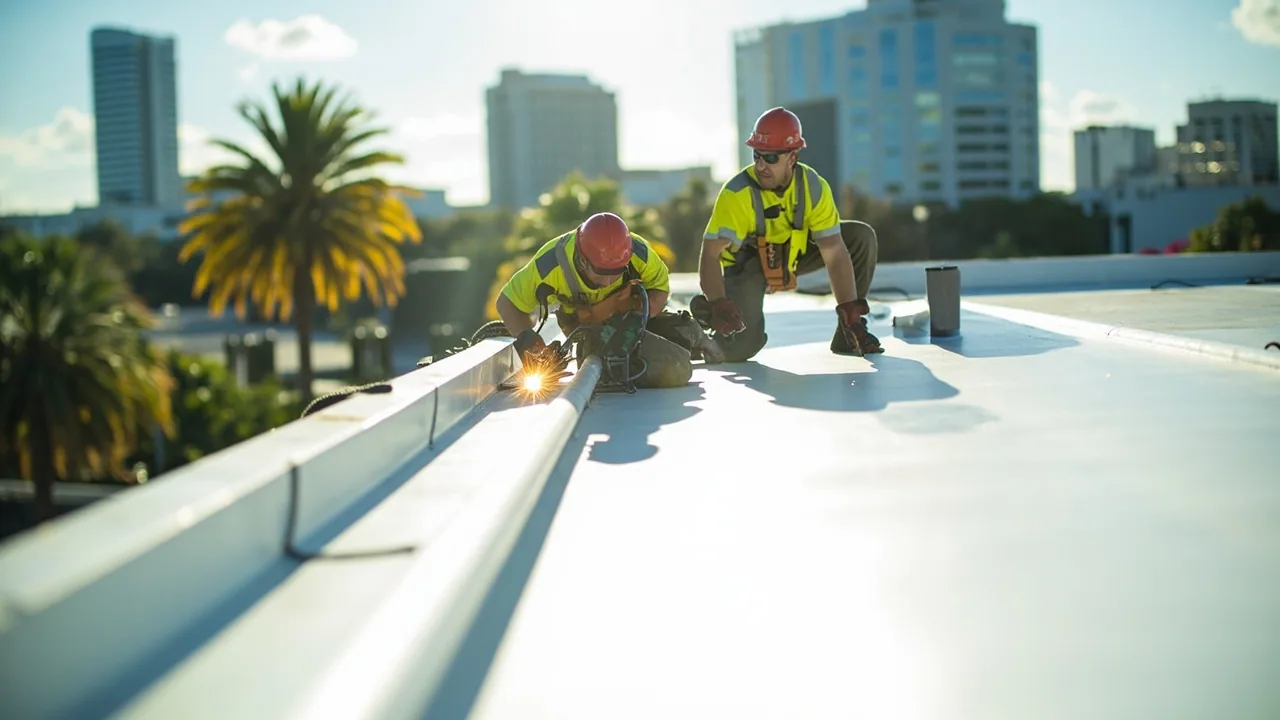
EPDM rubber roof repair and replacement in Downey, CA: we identify the membrane, fix wet insulation, rebuild seams and flashing and coordinate rooftop equipment.
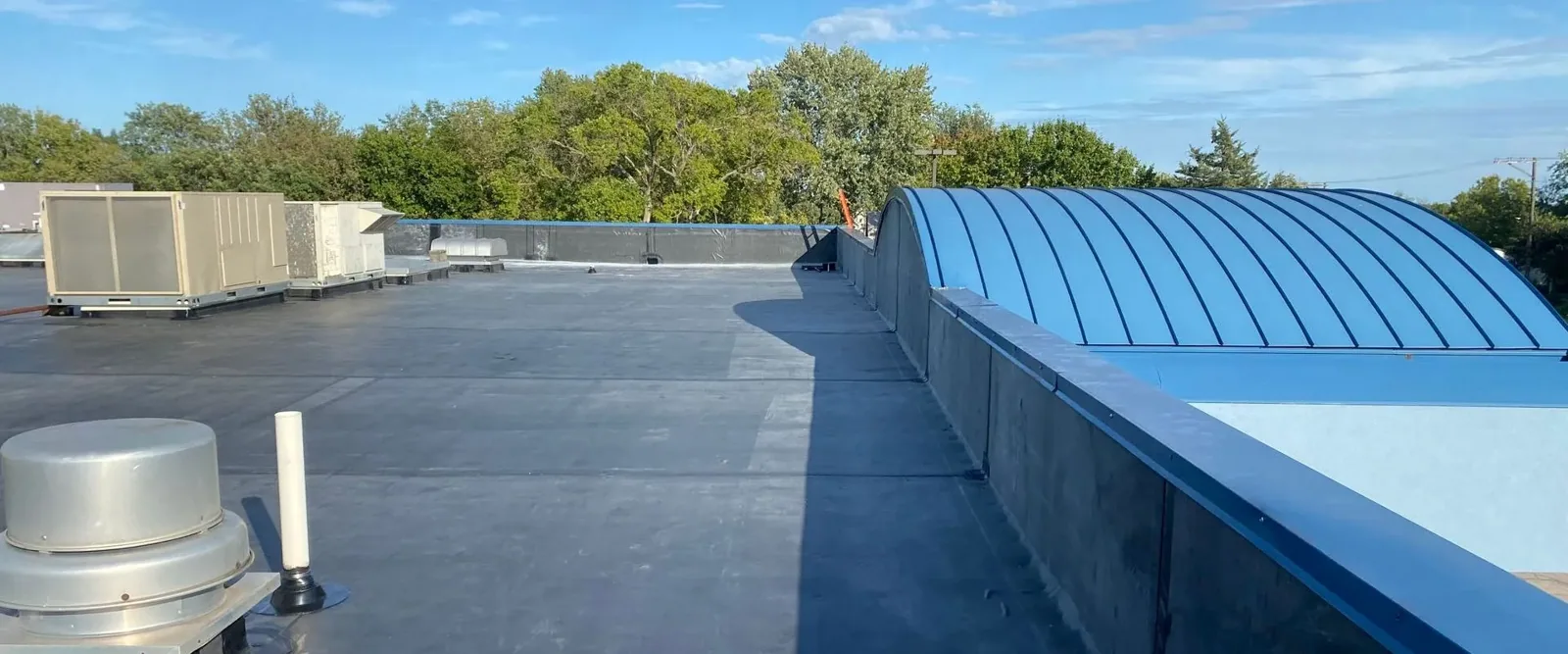
EPDM is a black or white rubber membrane that has been used on commercial roofs for decades. It holds up well in sun and heat, but its seams, flashings and old patches eventually need attention. A good EPDM repair starts with knowing what is on the roof: the membrane itself, how the seams were made, and what was used on past repairs. An old patch does not tell you what is underneath it. We inspect the areas that need work, check the layers below, and explain what the repair includes, so you are comparing real findings instead of a general roofing label.
Before recommending an EPDM repair or replacement, we identify the existing membrane and the detail that failed. We check seam condition, curb flashing, drain connections and whether there is sound membrane to tie into. Product selection follows the roof and the project requirements. You will see whether the scope keeps serviceable material or removes damaged layers before new EPDM goes in.
We set the repair boundary before choosing materials. The estimate describes the problem being fixed and notes anything we could not see. If the repair depends on what is under the membrane, we explain how we will check it. That way the membrane work, any insulation replacement and any equipment coordination are each priced on their own.
Check old repairs where the new work ties in
We look for any records on the installed membrane, then compare them with what is on the roof. Old EPDM is often patched with a mix of materials: seam tape, cover strip, lap sealant, sometimes roof cement or coating that does not belong on rubber. Those can keep new tape from bonding. If we cannot tell what a patch is made of, we note it and test it rather than guess.
When the roof is a Carlisle SynTec EPDM system, we follow Carlisle's repair details and products. A manufacturer label tells us what the original membrane is; it does not tell us what was used on every patch since. The repair has to suit the actual materials at the spot where we are tying in.
Some buildings have EPDM on one section and TPO roofing on another. The two cannot be joined directly; each needs its own repair method and a proper transition detail where they meet. If that transition is part of our job, we spell out how it will be built, so you know before any material is ordered.
Make sure the roof underneath is sound
EPDM is often fully adhered or ballasted over insulation, and leaks can soak that insulation well beyond the visible problem. We check for soft spots and take cores where needed. Wet insulation is cut out and replaced; dry insulation stays. The estimate separates confirmed replacement from areas we still need to check.
Our roof insulation and cover board work replaces wet material and adds a firm surface for the new membrane where needed. We check that the new layers suit the EPDM system being installed. If a deck or structural question comes up, it goes to the right reviewer before we assume the existing structure is fine.
Sometimes the damage is larger than the inspection showed. When that happens, we stop, measure the added area and get your approval before continuing. The open area is protected while you decide. The record shows what we originally inspected and what we found, so the reason for the price change is clear.
Price seams and flashing as separate items
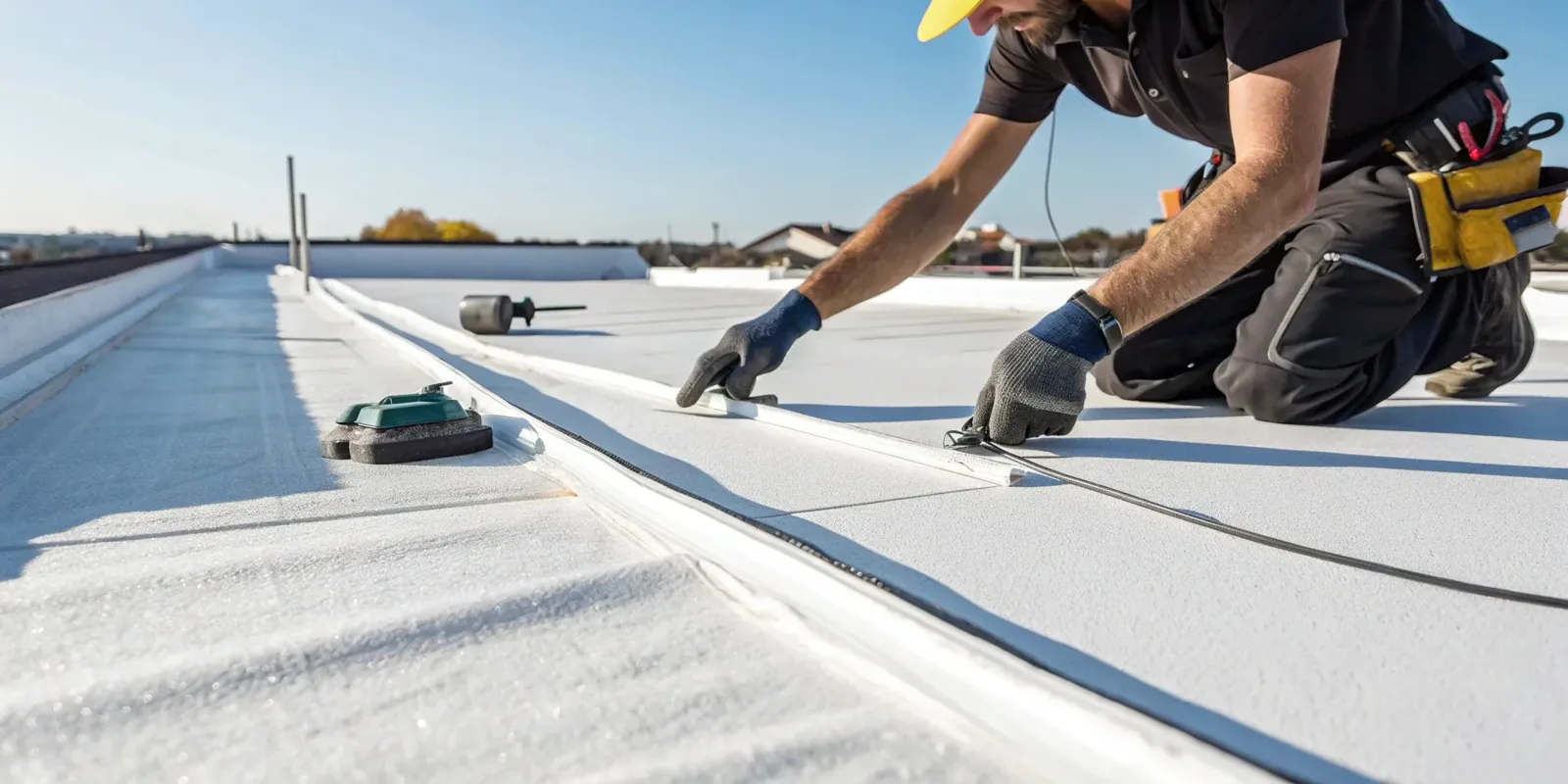
EPDM seams are usually made with primer and seam tape, or with older lap adhesive. Over time, the seam edges can lift or open. A proper seam repair means cleaning back to fresh rubber, priming and applying new tape or cover strip that laps past the damage. We note where old repairs have to be removed to reach clean membrane.
If part of the building has PVC roofing next to the EPDM, that transition needs its own detail; PVC and EPDM do not bond to each other. We keep that boundary clear in the scope and on the roof plan.
At pipes, curbs and walls, we check the flashing and what it is fastened to. If the wall or curb backing is damaged, it is repaired before new flashing goes on. If equipment blocks part of a flashing, we say what needs to move. The estimate walks from removal through insulation and backing repair to the finished flashing, with any open questions noted.
Coordinate rooftop equipment with the roofing
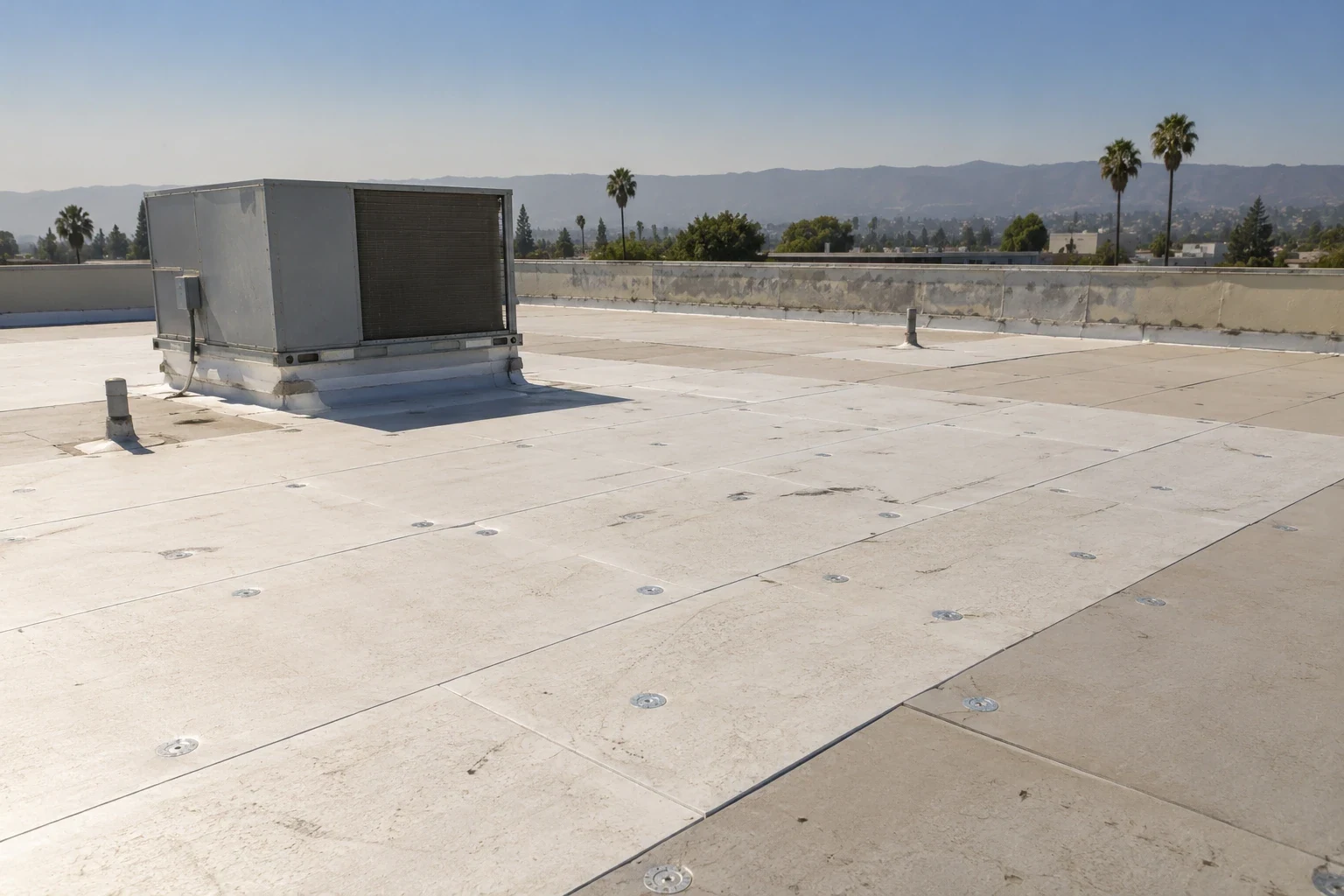
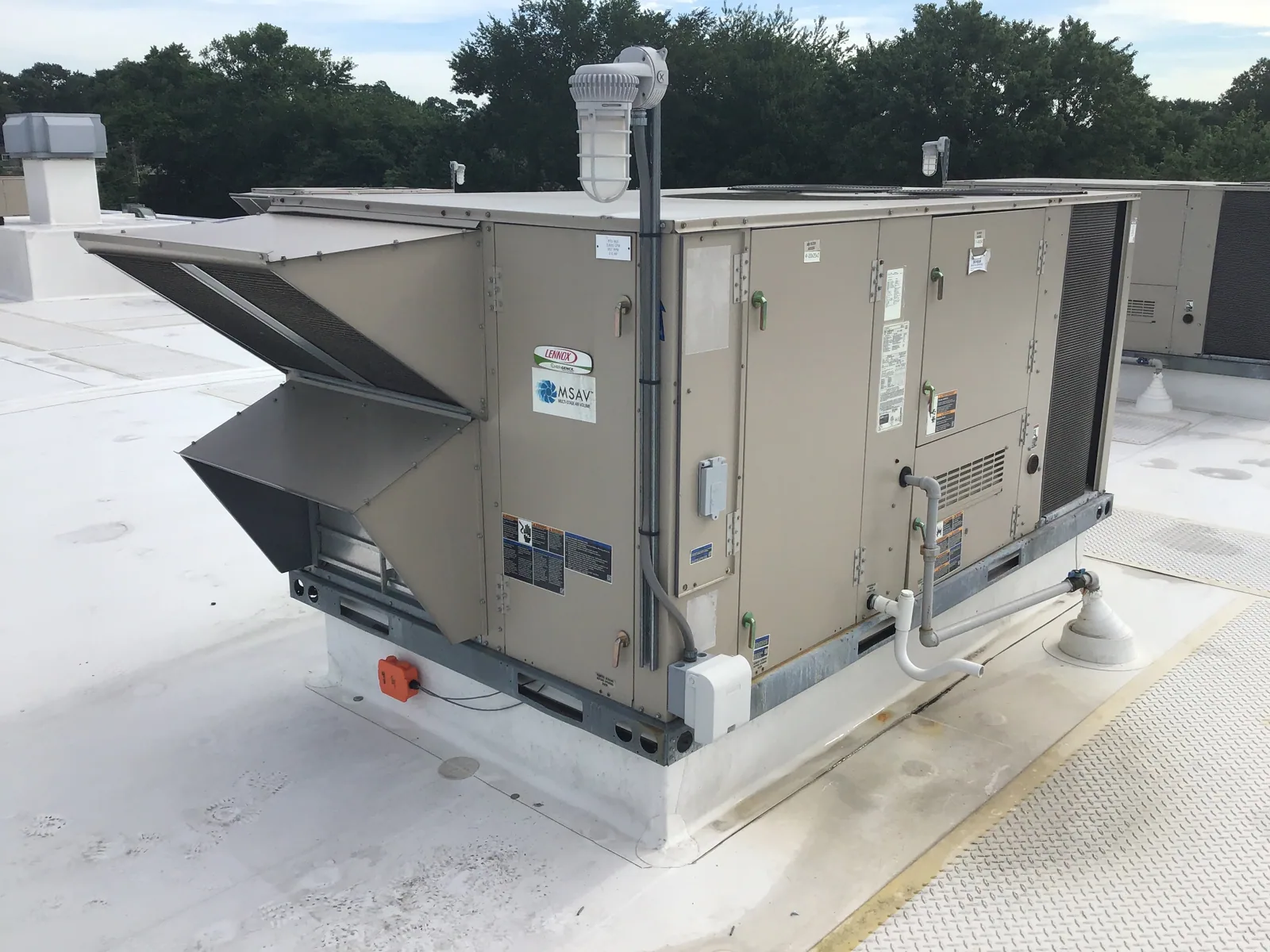
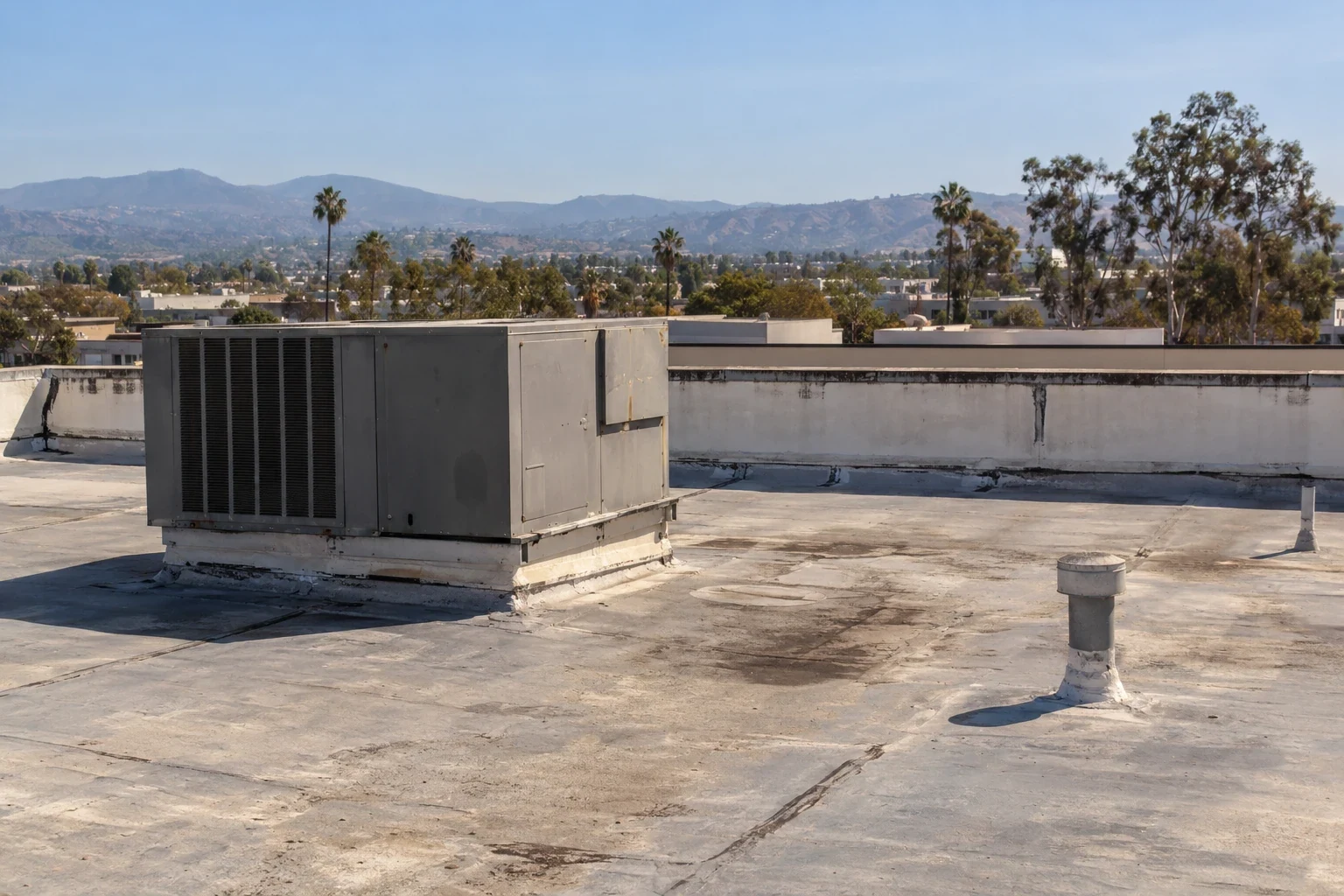
Many EPDM leaks are at rooftop units. To flash a curb properly, the crew needs access to all four sides and the full height of the curb. If the unit has to be lifted, disconnected or supported, that is work for the HVAC contractor. We confirm who controls the equipment and schedule our work after theirs. Roofing beside a unit that cannot be moved is limited to what we can reach, and we will not call a blocked curb finished.
Our rooftop equipment curb and support work lists the steps in order: equipment prep, curb or support repairs, then new flashing. If raising a curb or changing its support affects the unit, an engineer or the equipment contractor reviews it first.
For occupied building projects, we confirm work hours, rooftop access and material handling with the building manager. Phased work may add setup and protection, which we price. Unfinished sections between phases are sealed, and the estimate notes what is needed before each one can be completed, so equipment work and roofing can be scheduled without assuming everything is ready at once.
Keep the repair record with the roof
EPDM repairs depend on the sheet, adhesive or seam method already installed. We inspect the patch and its edges, then check for soft insulation or loose cover board below. A new rubber patch has to reach a clean, sound edge that will accept the specified adhesive or tape. Corners, wall terminations and pipe boots are included when they fall within the repair. If a coating or another membrane covers the EPDM, we identify that layer first. We photograph the prep and the finished tie-in so you can see what was restored.
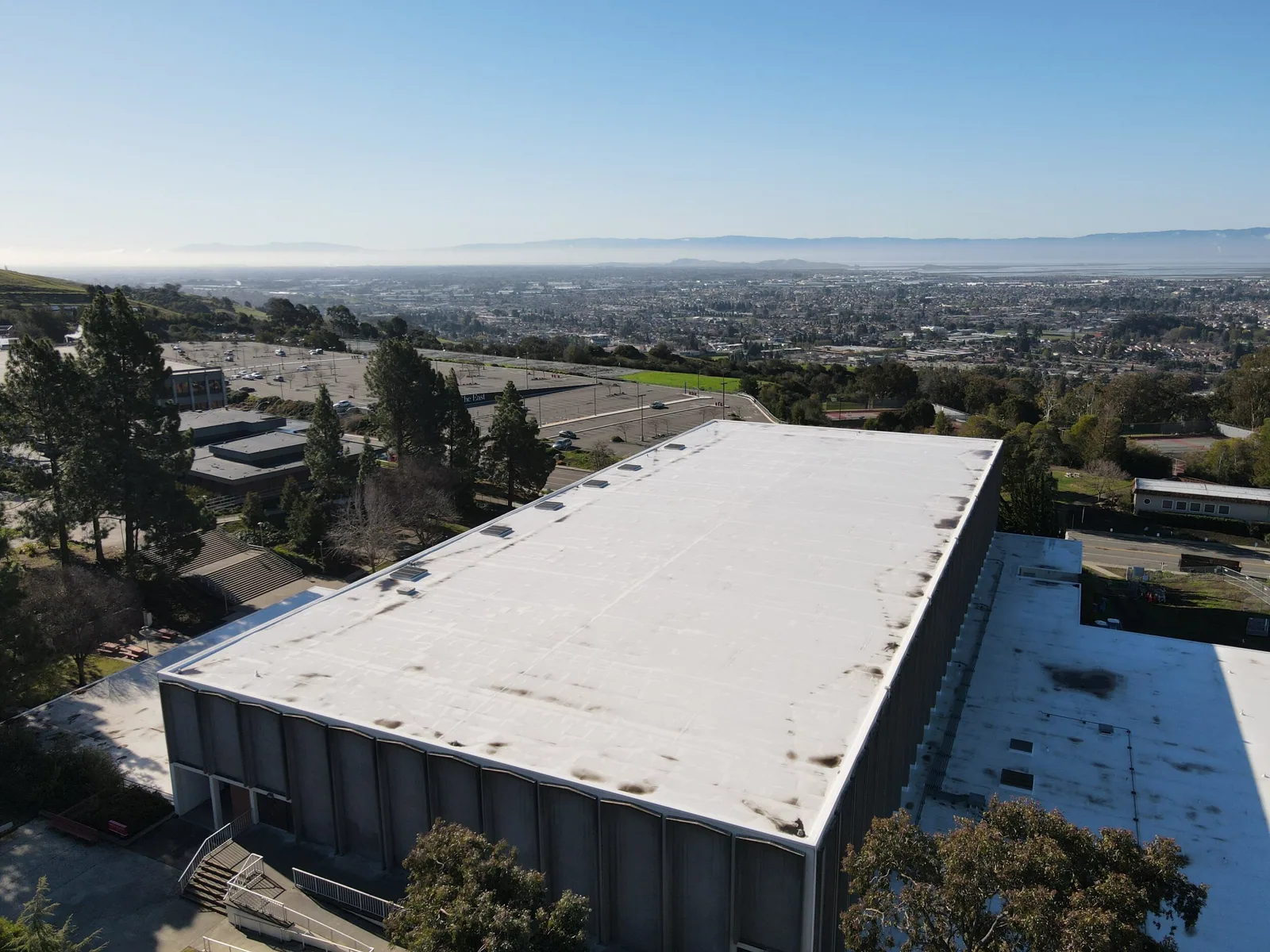
For a building near the I-5/I-605 interchange, we keep the address and roof sections with the condition record, and inspect the roof to identify the installed membrane, past patches and surrounding surface before choosing the repair.
At closeout, you get the membrane and products used, the repair locations, any insulation or backing replaced, and photos of the finished details. Approved additions are tied to what we found. Open questions and any work waiting on another trade are listed separately, so you know what was done and what still needs to be scheduled.
Commercial Roofing Questions
What should be checked before adding another patch to an EPDM roof?
What the old patches are made of, whether they are still bonded, and whether the insulation underneath is dry. New tape will not bond to some old repair materials, and patching over wet insulation does not last.
How is wet insulation under EPDM handled?
We confirm it with cores, cut out what is wet and replace it before new membrane goes on. Confirmed areas are priced; areas still being checked are noted separately.
Why is equipment prep a separate step?
Flashing a curb properly needs access to the whole curb. If the unit has to be moved or supported, the HVAC contractor does that first, and our flashing work follows.
What records should I get after an EPDM repair?
The products used, repair locations, insulation replaced, and photos of the work before and after. Open items are listed separately.
Get an EPDM repair estimate
Need EPDM roof repair in Downey? Send us the problem areas and any roof records, and we will inspect the membrane and give you a clear estimate for the repair and any insulation or flashing work.