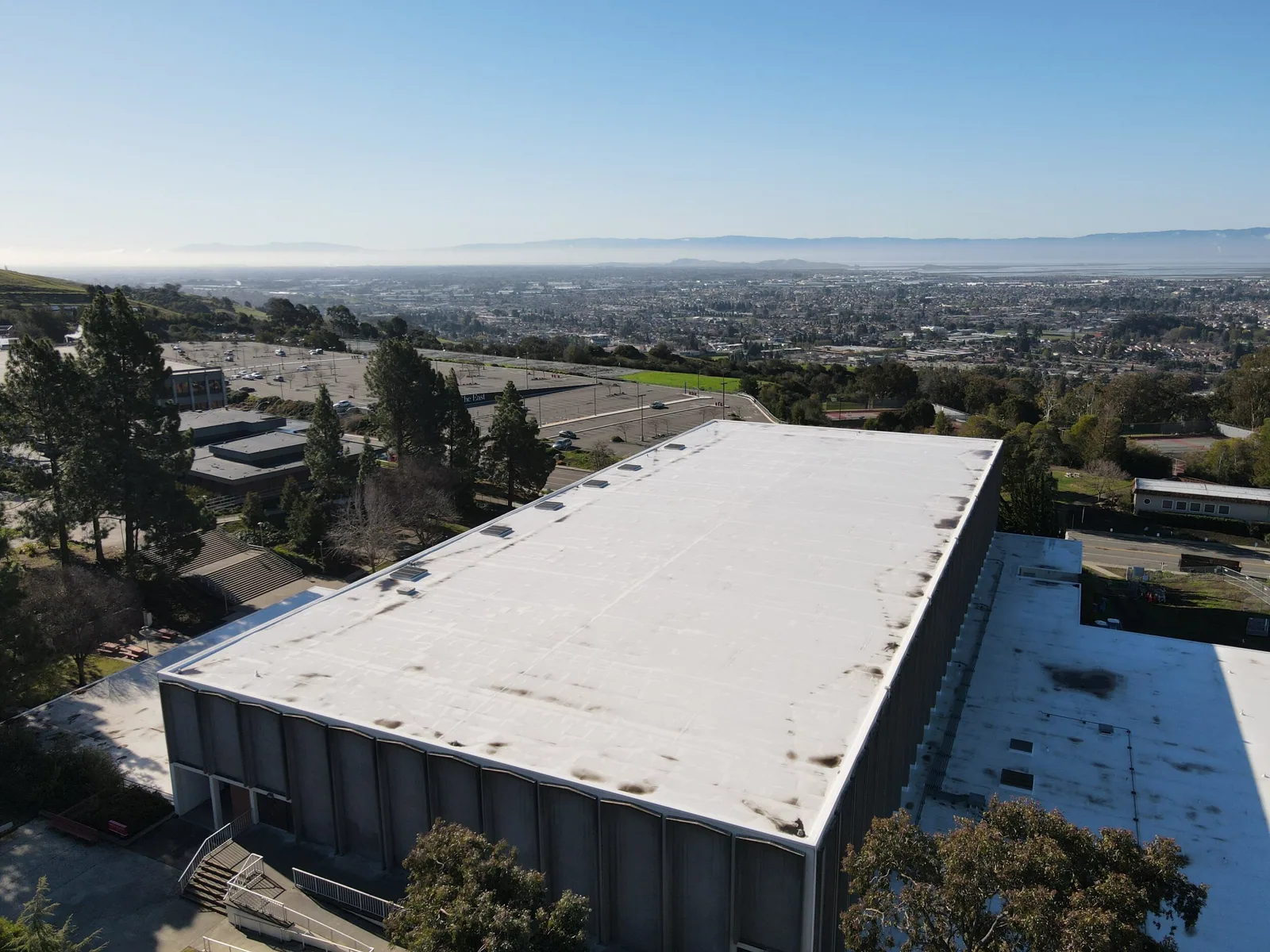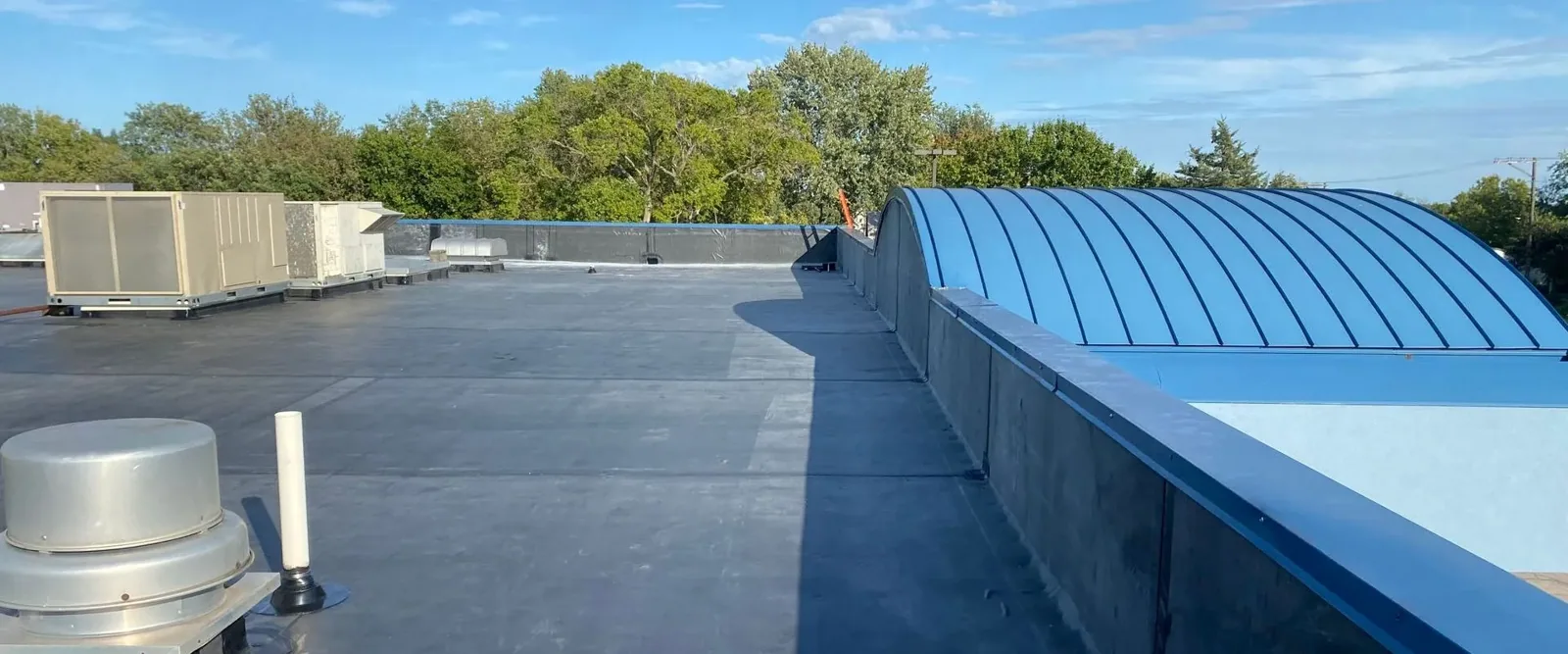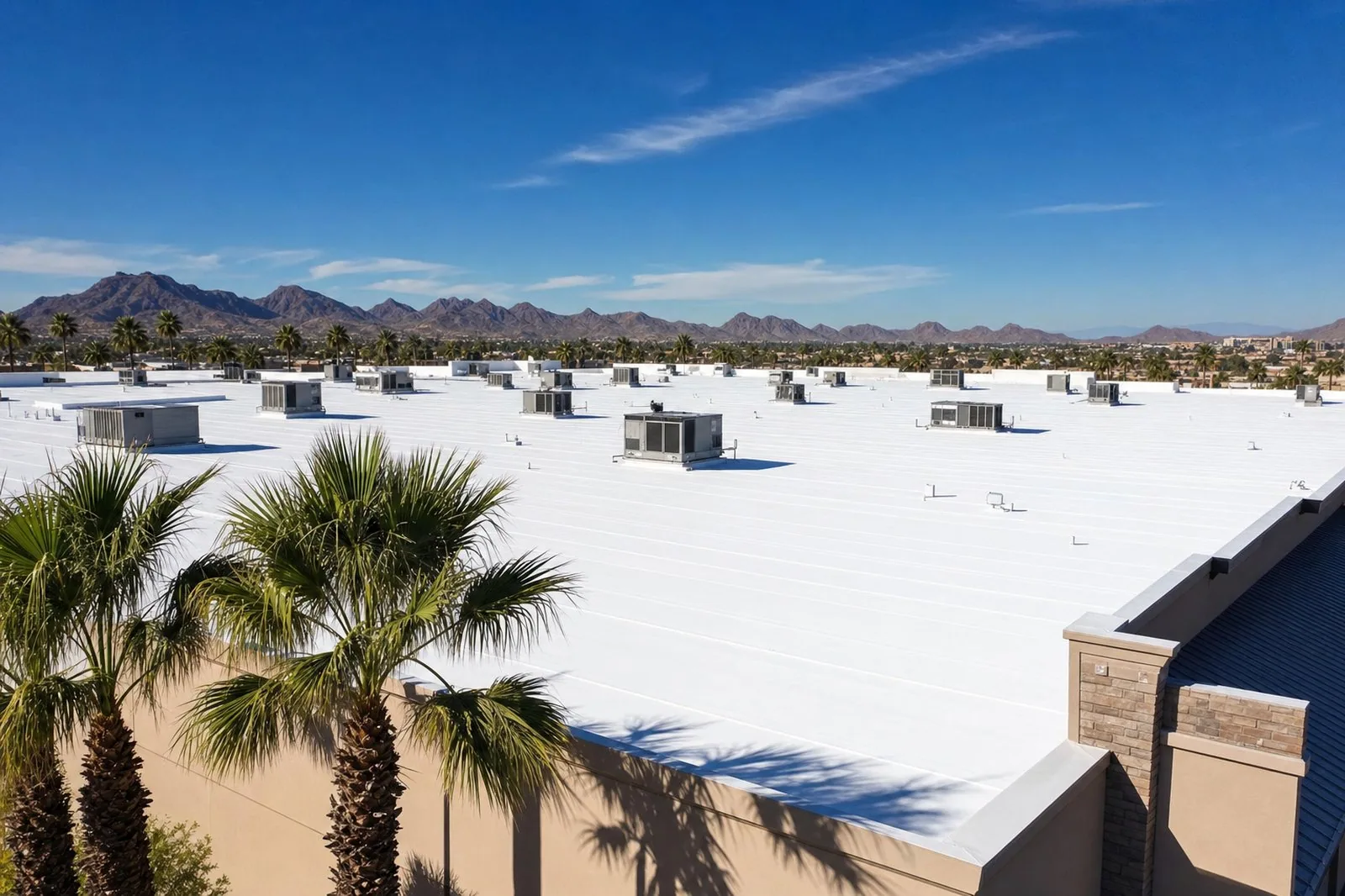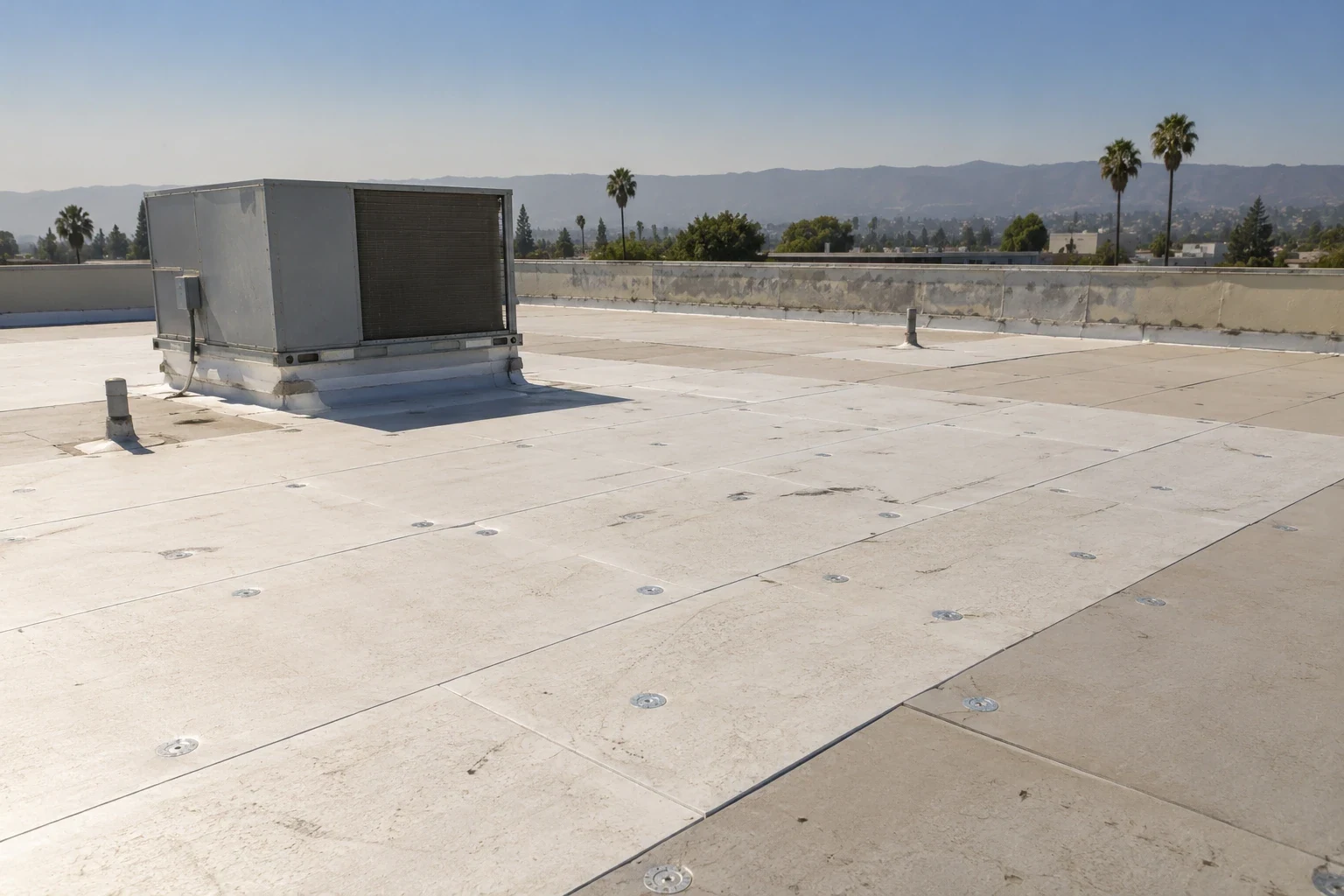
Carlisle SynTec Roofing in Downey, CA
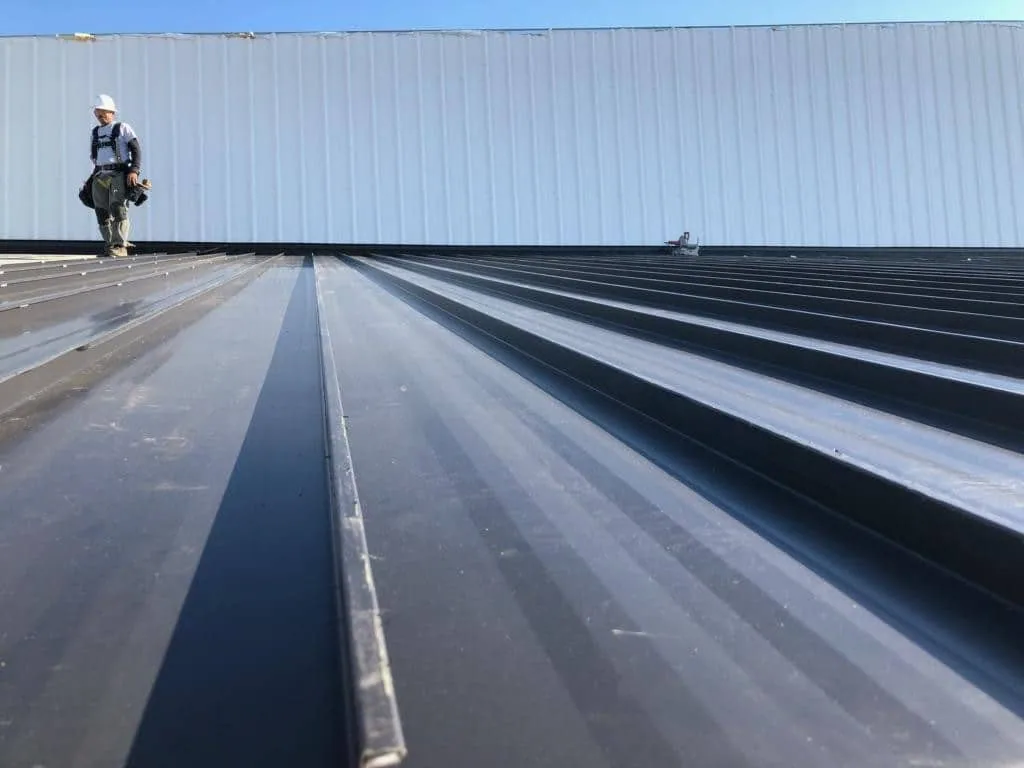
Carlisle SynTec roofing in Downey, CA: we identify the Carlisle membrane on your roof, check old repairs and the layers underneath, and repair or replace it with compatible details.
Before a Carlisle roof can be repaired, we need to know which Carlisle membrane is on it and what has been done to it over the years. For Carlisle SynTec roofing in Downey, CA, we inspect the membrane, any old patches or coatings and the condition of the layers underneath. We tell you what we found and what still needs testing. The property manager gets a repair price tied to specific roof areas.
Carlisle’s product reference identifies EPDM, TPO, PVC and fleeceback options. The actual product within those references still needs to be established. A family listing cannot confirm installed material or accept every existing patch. Keep the manufacturer account separate from the examination that supplies this building’s repair findings.
A Carlisle system recommendation starts with identifying the current assembly and the project requirements. We inspect the membrane, substrate and details affected by the proposed work, then check the product documents needed for compatible preparation and attachment. A material label alone does not establish whether a repair or recover is suitable. The estimate should show the selected components, perimeter details and permanent tie-ins for the roof being examined.
Identify the membrane and past repairs
We review any installation records and compare them with the membrane we find at the repair areas. We note old patches, coatings or sealants where the new work will tie in. If we cannot confirm a material, we list it as an open question before the repair depends on it.
EPDM roofing from Carlisle is a rubber membrane with its own seam tapes, primers and flashing products. A Carlisle TPO or PVC roof needs completely different materials. The Carlisle name alone does not tell us how to repair it.
Some roofs have a Versico membrane in one area and something else in another, often from past additions or repairs. Similar product lines from different makers are not automatically interchangeable. Where two different membranes meet, we explain how the transition will be detailed. The manager gets the information needed to order the right materials, plus a list of any patches or coatings still in question, so the order matches the roof rather than an assumption.
Fix the layers underneath where needed
We check the insulation and deck under the damaged membrane. Where they are wet or damaged, we mark the area and explain what has to be replaced. Areas we could not test are listed separately. Choosing a new membrane does not answer whether the layers underneath can stay.
Replacing roof insulation and cover board is priced from what we actually found. We check Carlisle's requirements for any new material going over existing layers. If the change affects structure or design, we get the right professional's review before ordering material.
Opening the roof sometimes shows more damage than the first inspection could see. When that happens, we mark it, measure it and get approval for the extra work, keeping the area protected in the meantime. The original inspection limits stay on record next to the new finding. The manager can see why the repair grew and how the insulation and deck work differs from the new membrane on top.
Use the right seam and flashing details
Permanent details follow Carlisle's requirements for the specific membrane. We check the existing material at each connection and note the prep work needed before new work ties into it. Old patches are checked too, since they may not accept the same detail as the original membrane. Where needed, we cut back to sound material.
Where a Carlisle membrane meets a Holcim Elevate membrane, each side needs its own method. Even if both makers sell a similar product, the details are not automatically interchangeable. We define where the two roofs meet and how the transition will be built.
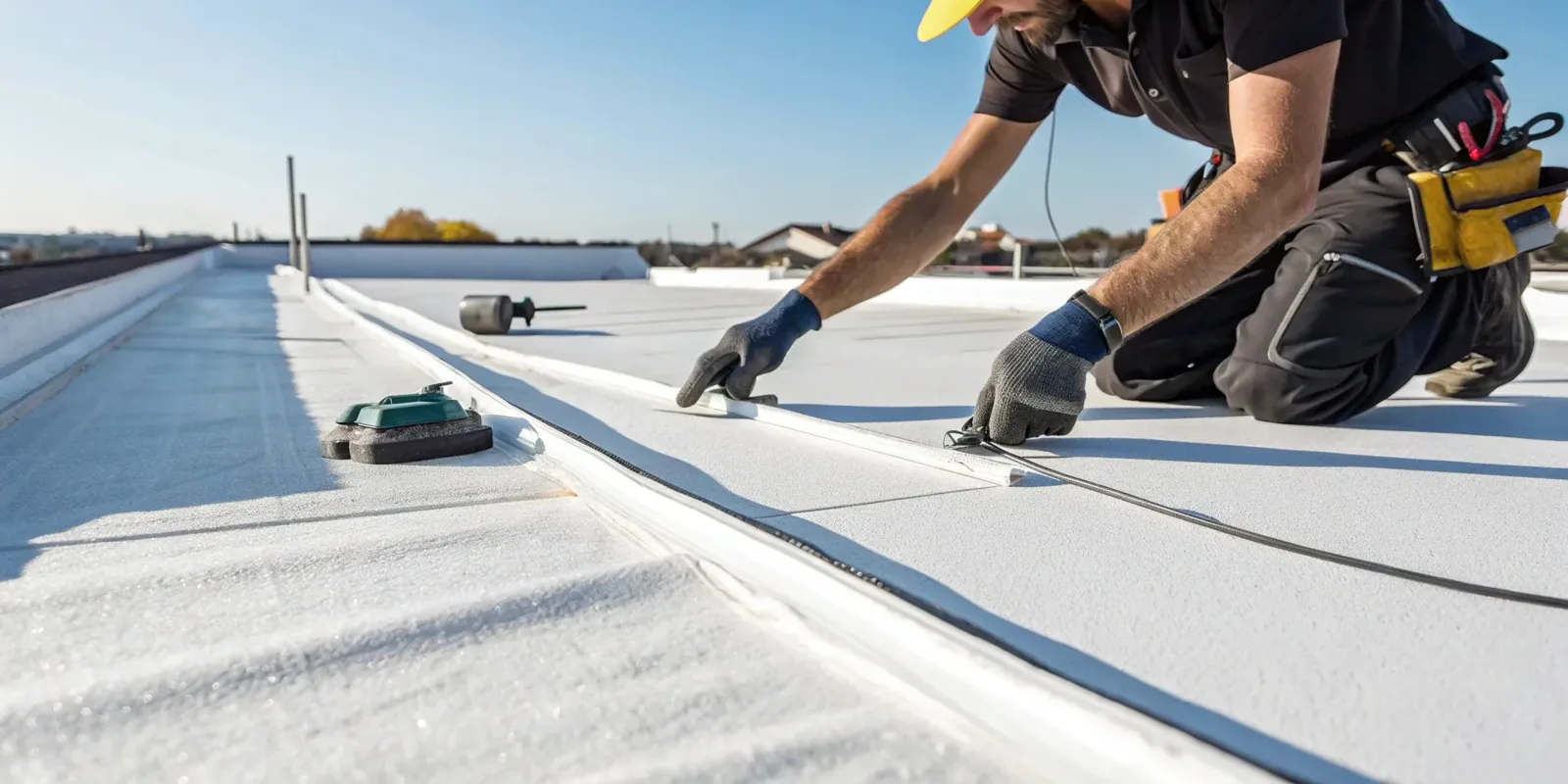
A Carlisle TPO roof is heat-welded and needs Carlisle-compatible materials and installation steps. We list any insulation repairs and prep work alongside the details. The manager can follow the repair from identifying the membrane to the tear-off, rebuilding and finished roof. Any product questions are answered before materials are ordered.
Line up equipment work before flashing
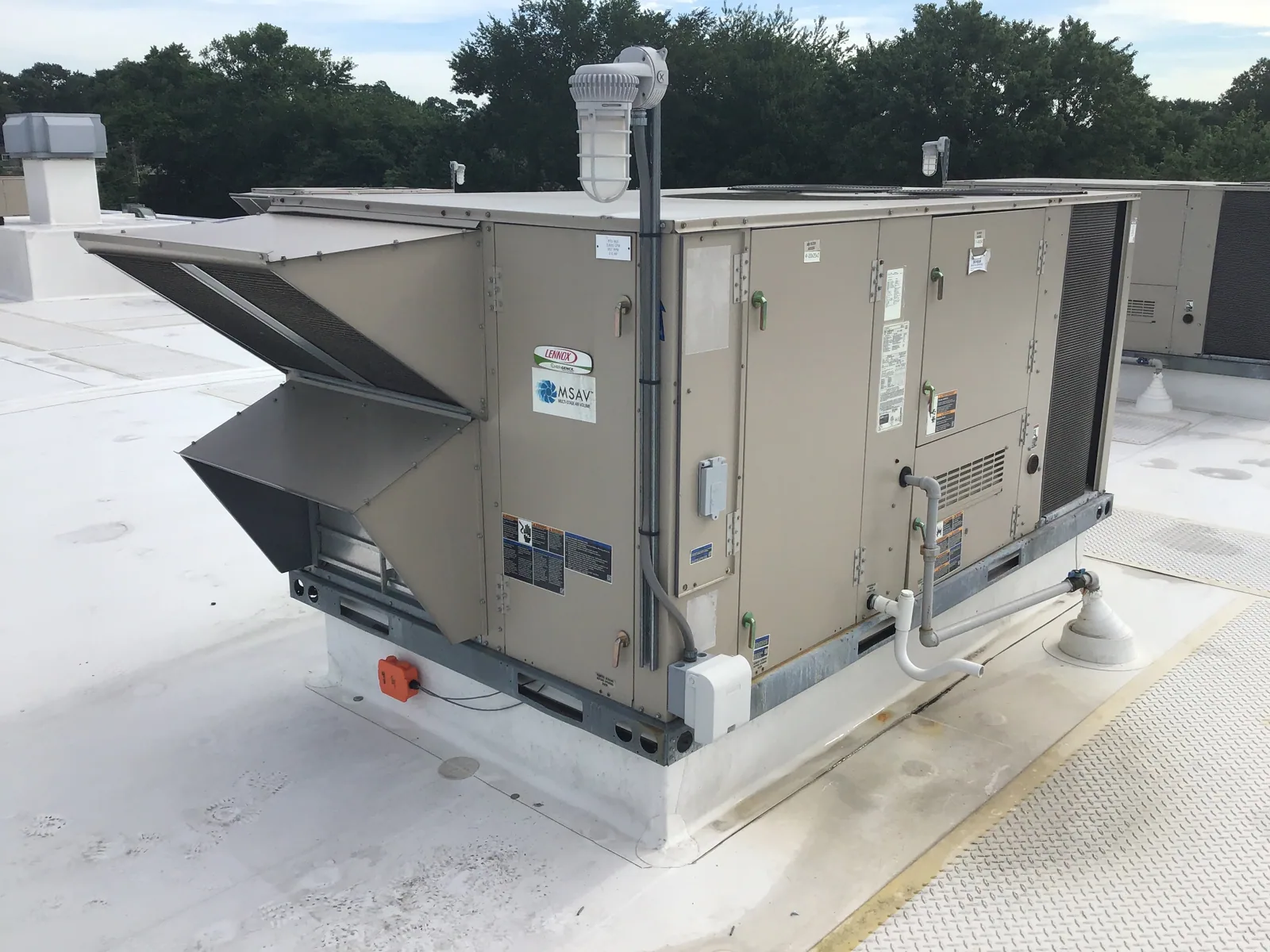
If a rooftop unit or other equipment is in the way of the repair, we identify who owns it and what they need to do. That work comes before we finish the roofing at that spot. Finishing the membrane nearby does not take care of equipment that still has to be moved or a detail we have not been able to reach.
Rooftop equipment curbs and supports on a Carlisle roof may need new wood blocking or curb repair before reflashing. If the new layers change the curb height, we check with the equipment contractor or engineer before going ahead.
Occupied building reroofing on a Carlisle roof follows the building's work rules and access routes. If the work happens in phases, we include the extra setup and protection in the price, and list which details are still open after each phase and what is needed before they can be finished. The manager can see which areas are finished and which are waiting on other trades.
Keep a record of what was installed
When Carlisle materials are proposed at a repair boundary, include the substrate and adjoining membrane that receive the new work. Confirm seam, curb and drain details as applicable, and identify removal or support correction before installation. Retain product documentation with the closeout photographs so the owner can trace the materials and construction completed.
For a building near the I-5/I-605 interchange, we keep the address with the roof findings. A nearby Carlisle roof does not tell us what is on this one or how to repair it. The proposal is based on this roof.
We record the Carlisle products installed and where the repairs are. Insulation and deck repairs are noted with their measurements and photos. Approved extra work is listed with its findings and quantities. Untested areas and equipment work still pending are listed separately. The manager can use the record to find finished repairs and coordinate what is left, with old patches, hidden layers and blocked connections each marked with their status.
Commercial Roofing Questions
What should be identified before a Carlisle SynTec repair is ordered?
The specific Carlisle membrane on the roof and any old patches, coatings or repairs where the new work will tie in. We compare installation records with what is on the roof and resolve any open questions before ordering. The repair follows Carlisle's instructions for that product, with any insulation and equipment work defined first.
How should concealed support affect the Carlisle roofing price?
We note which layers stay and which could not be tested. Confirmed wet or damaged insulation and deck are measured and priced. If more damage turns up after opening, we explain it and get approval before adding it. The original inspection limits stay on record so the manager can see why the repair changed.
Which action comes before flashing at a blocked equipment connection?
The equipment owner or contractor has to move or prepare the unit so the full roof detail can be reached. We identify who coordinates that and what roofing repair follows. If we need to come back, that is priced as a separate visit, and the blocked detail stays listed as open until it is finished.
What should the completed Carlisle roof record retain?
The Carlisle products installed, where the repairs are, the insulation or deck replaced and photos of the work. Approved extra work is listed with its findings. Untested areas and open equipment items are listed separately so the manager can see what is done and what is next.
Get your Carlisle roof identified and repaired
Send us the roof areas in question and any existing membrane records. We will inspect the roof, identify the Carlisle product and explain the repair, any insulation work and the details needed to finish it properly.