Home / Commercial Roofing Services
Infrared Moisture Surveys in Downey, CA
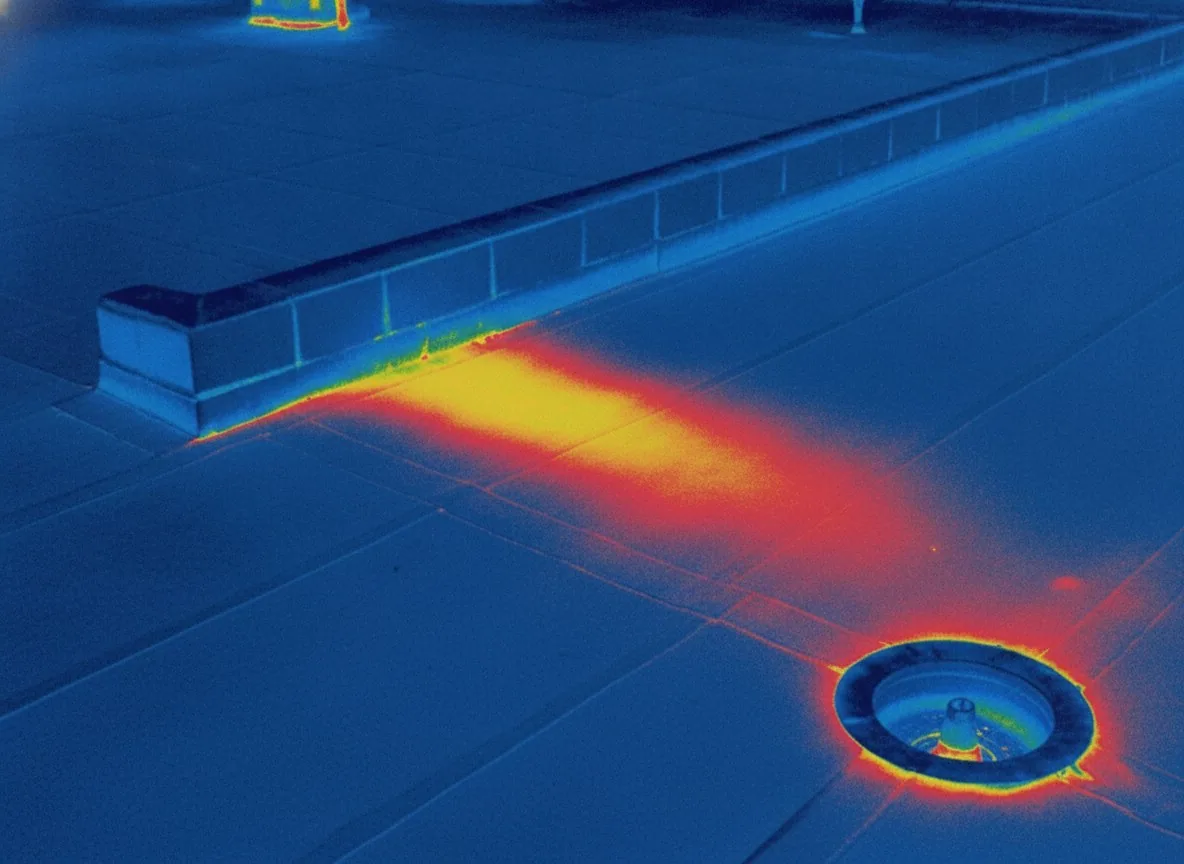
Downey infrared roof surveys locate thermal indications for further examination, document confirmation and keep survey limits visible before repair pricing.
A thermal image can point you toward wet roofing, but it cannot prove a leak. Temperature differences have several possible causes. Sun, shade, insulation changes and moisture can all alter a reading. The crew compares the image with what can be seen on the roof. That means checking seams, drains, curbs and previous repairs near each indication. It also means confirming the roof assembly before anyone prices removal.
Set the decision the survey will support. A repair estimate needs confirmed locations and a defined boundary. A replacement decision needs the same evidence across the proposed roof area. The physical roof examination behind an infrared survey ties each image to an observable condition. You receive a map, findings and a list of areas that still need confirmation. A colored image alone is not a removal quantity.
Separate thermal indications from confirmed moisture
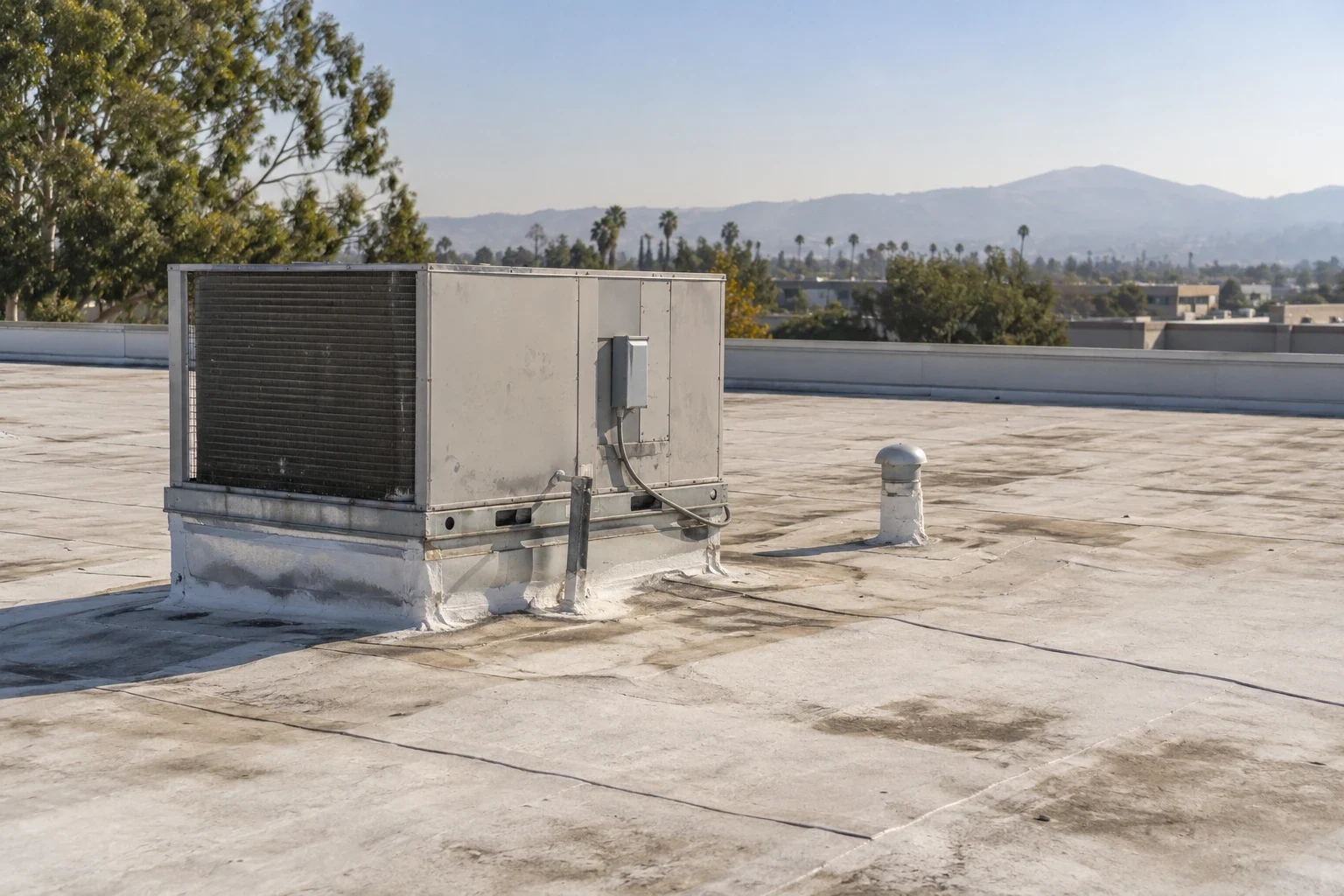
Review the roof plan before looking at the thermal image. Mark the areas scanned and the sections the crew could not reach. Compare indications with drains, penetrations, patches, wall lines and changes in roof elevation. Those details help explain a reading. They do not prove water entry until the roof and its layers are examined.
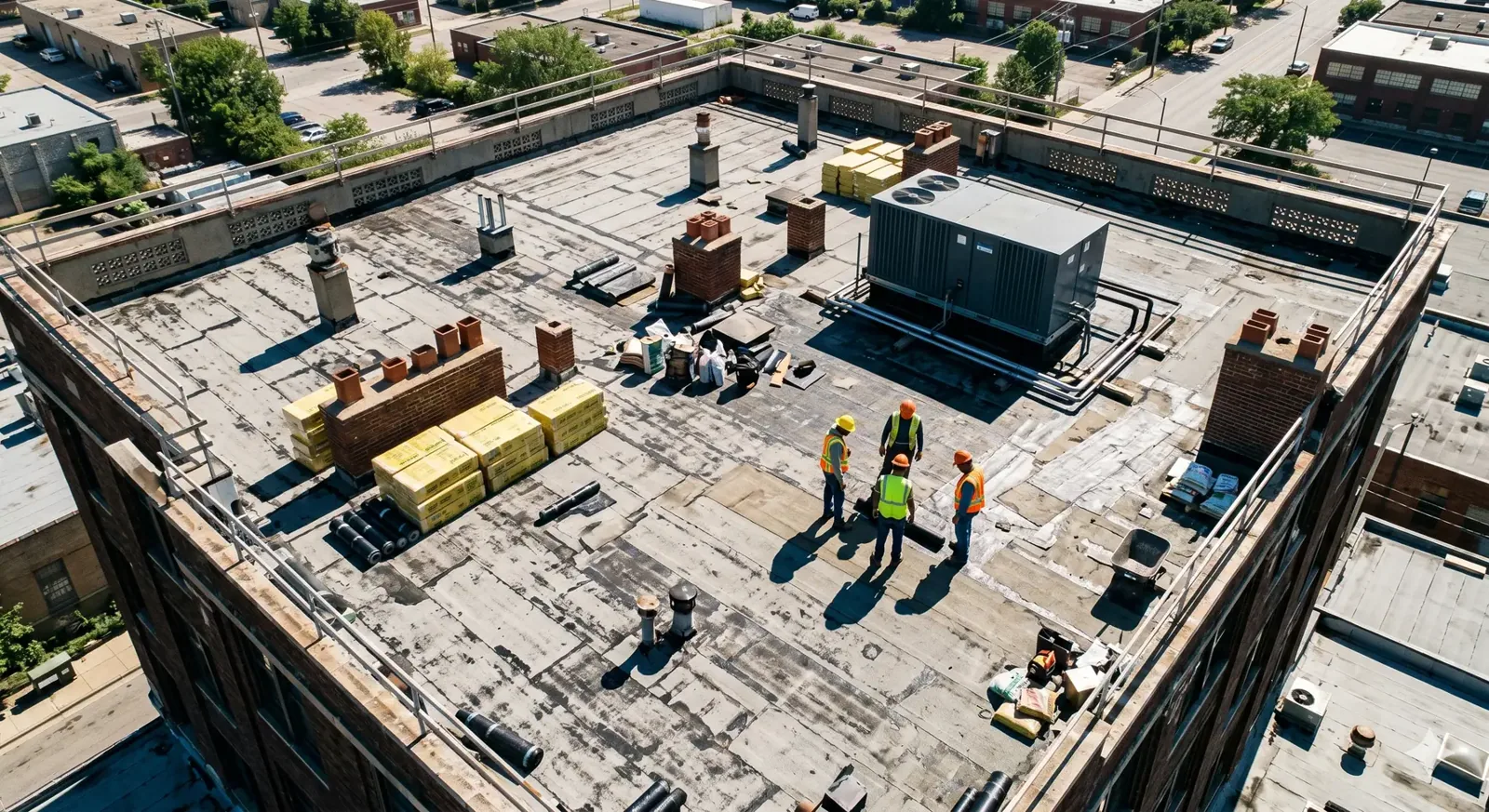
On the walk, compare the scan with ponding, patched seams, drain bowls and equipment curbs. Mark each observation on the roof plan while the location is visible. A crew can then return to the same area for a confirming cut. Without that map, an image can lead to a test opening in the wrong roof section.
Infrared works best when the roof and weather conditions suit the method. The technician should note those conditions and the limits they create. Record scan time, recent surface wetting and shaded areas with the image set. If conditions do not produce a useful pattern, mark that section inconclusive and reschedule or use another confirmation method rather than turning an unreadable image into a removal allowance. A drone inspection of visible roof details can help locate features across a large surface. It cannot confirm moisture inside concealed layers. The final report should separate what the camera observed from what a physical examination established.
We identify the exact test locations before making cuts. Each opening should answer a useful question, such as whether insulation is wet or the deck is affected. Set out who authorizes the opening and how the roof will be closed that day. A survey that cannot point to an actionable question is not ready to guide removal pricing.
Review the assembly and conditions before booking the survey
Match the image to the building's roof assembly. A low-slope roof may include several membranes, insulation boards and older repairs. A surface-temperature pattern cannot tell you which layer holds moisture. Compare records with accessible edges and existing openings. If the layers are unknown, include a small confirmation task before pricing a broad removal area.
For each suspected location, state the indication, the physical check and the result. Note whether the opening found wet insulation, sound material or another condition. Photograph the layers before closing the test area. Mark the exact location on the roof plan. The property manager can then distinguish confirmed damage from an indication that still needs attention.
A roof survey prepared for a property decision should preserve the same distinction. The report needs to show its inspected area, method and limits. Do not extend a confirmed result across a nearby section without examining it. One opening can guide the next check; it cannot establish the condition of the entire roof.
Require a plan that preserves the confirmation locations
Use survey results to price the work they support. Show confirmed wet or deteriorated material separately from areas awaiting a test. Include removal, replacement insulation, cover board and membrane work where findings require them. Add the permanent seams, flashing and drain details that connect repaired areas. A material-only allowance can hide the labor and detail work required to finish the repair.
For a replacement estimate based on confirmed roof conditions, use the same surveyed boundaries for every bidder. Explain retained sections and unresolved locations before comparing totals. A recover option that depends on retained layers needs evidence that those layers suit the proposed assembly. A thermal map can inform that review, but it cannot approve the existing roof for reuse.
If a test opening reveals additional damage, stop at a safe closure point. Photograph the new condition, measure the added work and price the change before covering it. That gives the owner a clear reason for a revised amount. Keep the new finding separate from what the original survey established.
Compare repair and replacement with the same evidence
Plan the survey around the actual roof areas and decision deadline. Confirm access to locked sections, rooftop equipment and any occupied spaces below possible test locations. Mark areas that cannot be scanned. Agree how test cuts will be protected and repaired. Those arrangements affect the coverage and the usefulness of the final report.
Los Angeles-area rain concentrates from November through April, so unresolved moisture questions should be examined while the findings can still shape a repair or replacement decision. In Downey, I-5 and I-605 intersect, while I-105 and I-710 serve the city's southern and western edges. Confirm each building entrance, lock point and survey section with the property contact. For a commercial roof survey in Commerce, mark the roofs scanned and locations awaiting confirmation.
Buildings with sensitive operations may need additional coordination before test cuts. A hospital roof assessment should identify the proposed opening and the space below it before the owner authorizes destructive testing. The roofing contractor can describe roof work and closure. The facility sets its own access and room-protection requirements.
Retain survey limits beside the work completed later
The closeout should show where the crew scanned, what each indication suggested and which locations were confirmed. Include the roof plan, dated images, test results and photographs of opened layers. Label areas outside the survey rather than leave the reader to assume full coverage. Keep recommended repair quantities tied to findings the crew actually established.
Carry the marked survey boundaries into repair pricing and identify any separate investigation needed before quantities are compared. When repair begins, compare exposed material with the survey record. Record new findings before changing the removal quantity. After work, show which locations were rebuilt and how test openings were closed.
This leaves the owner with a useful record: confirmed conditions, open questions, completed repairs and work still needed. A later leak report can be compared with the exact roof area examined. A map cannot show whether hidden conditions changed after the survey. The value is a clear basis for the next roofing decision.
Commercial Roofing Questions
Does an infrared image prove that insulation is wet?
No. It shows a temperature pattern that may justify a closer check. Compare it with visible roof details and confirm the layer condition at selected locations before pricing removal.
What should I receive after the survey?
Request a roof plan showing scanned areas, indications, test locations and limitations. The report should include dated images and the result of each confirmation opening. Keep repair quantities tied to those marked locations.
How many test cuts should the contractor make?
Use only openings that answer a decision-relevant question. The number depends on the roof layout and the areas that need confirmation. Agree on locations, authorization and same-day closure before the crew cuts the membrane.
Can the survey decide between a recover and replacement?
It can support that decision when paired with assembly records and physical confirmation. The owner still needs to review drainage, details, retained layers and product requirements before approving a permanent system.
Establish the survey and confirmation scope
Send the roof sections, address and available material records. We will review investigation suitability and explain the proposed infrared deliverables, confirmation work and examination limits before the findings are used for construction pricing.