Due-Diligence Roof Surveys in Downey, CA
Due-diligence roof surveys for Downey buyers and lenders: what the roof is, what shape it is in, what it will cost to fix, and what still needs testing before closing.
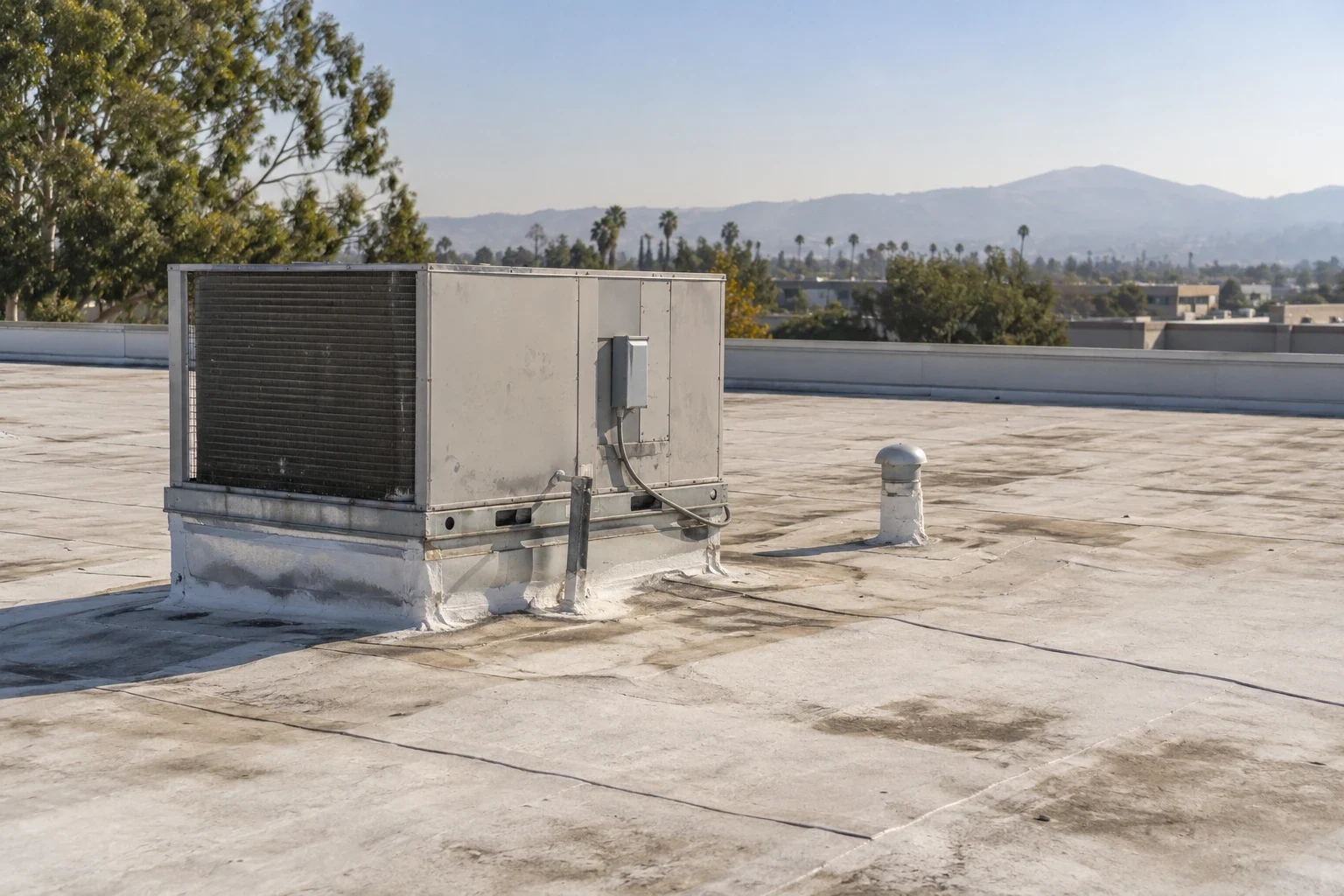
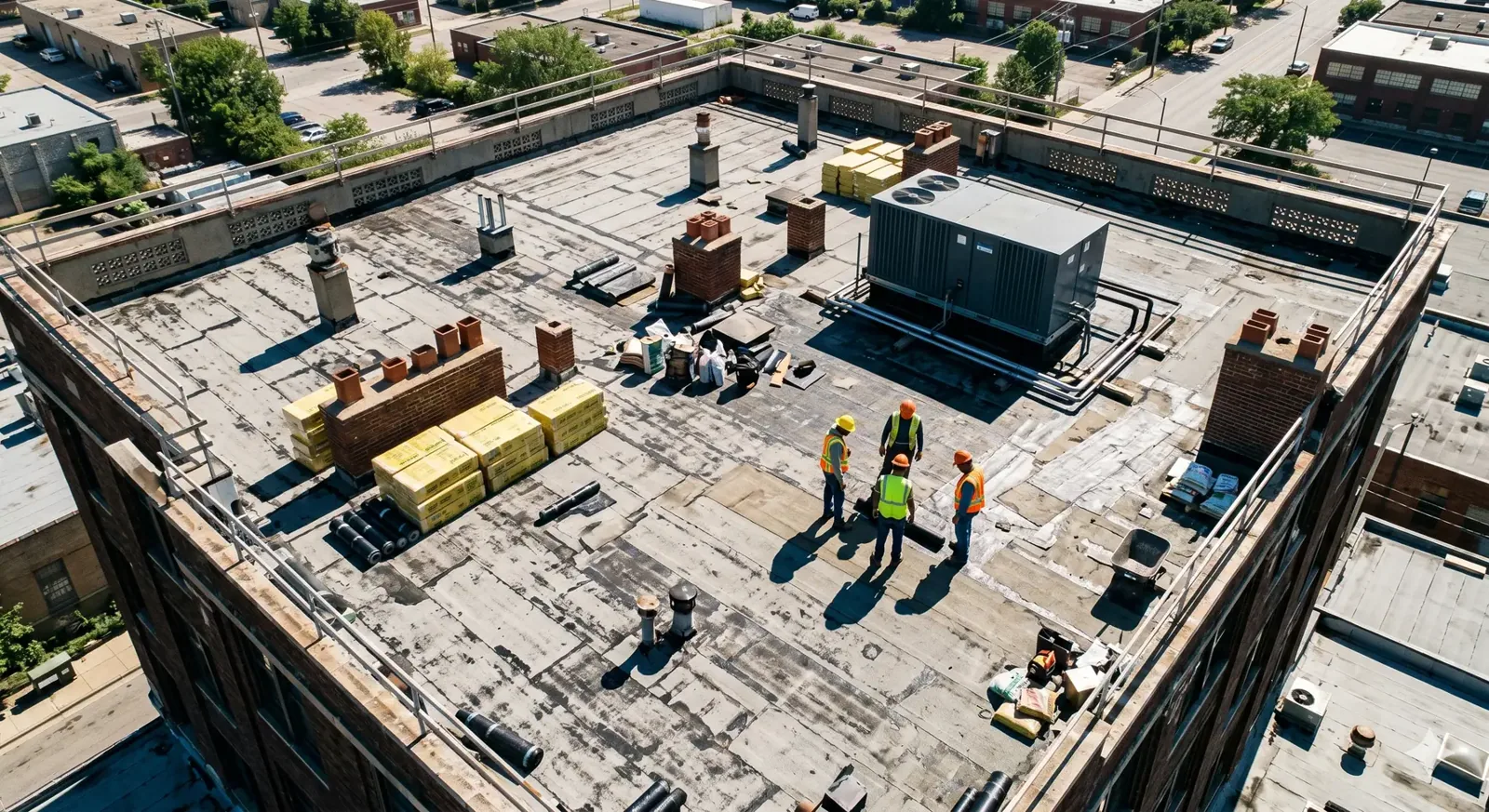
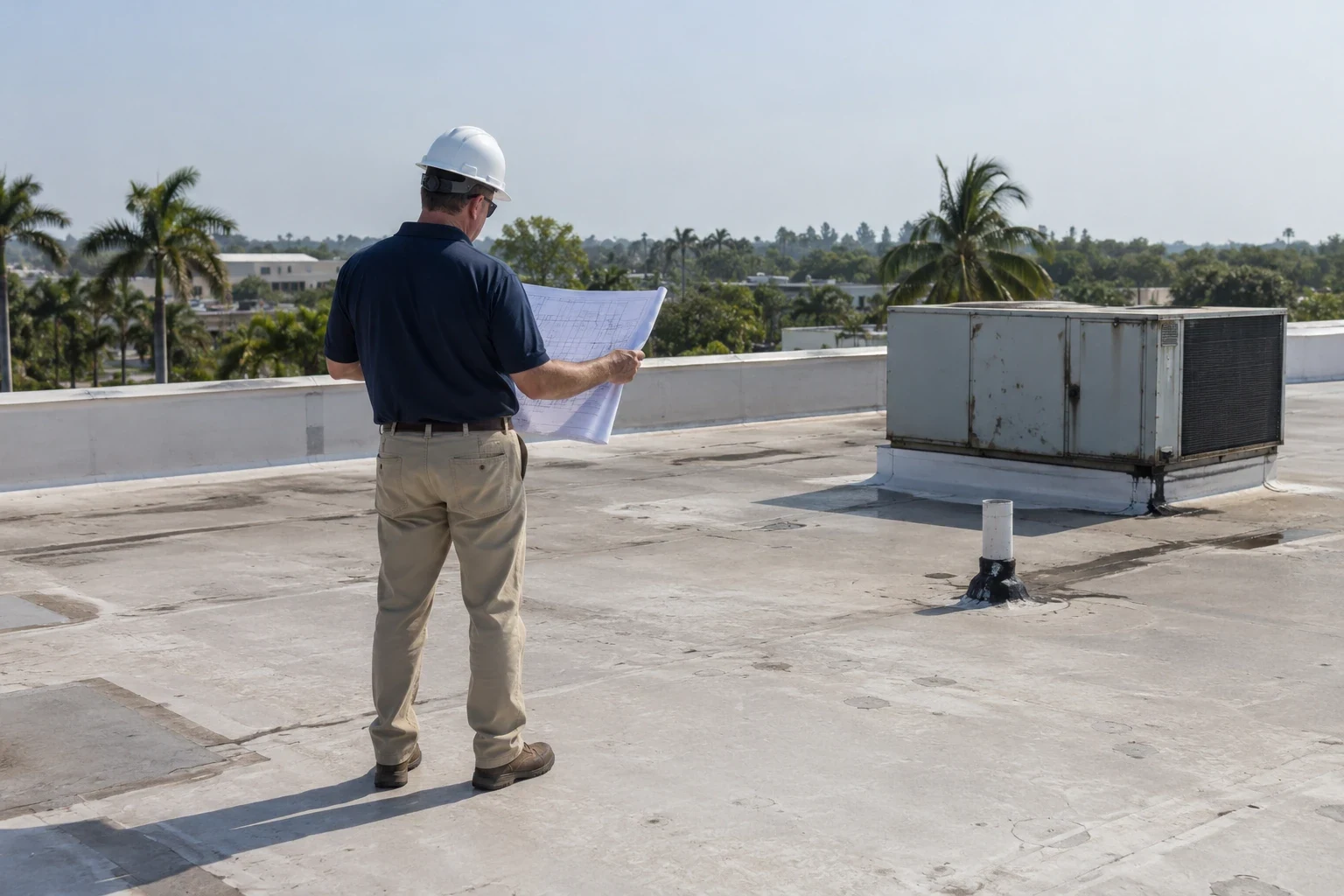
Buying a commercial building in Downey means buying its roof, and a roof problem found after closing comes out of the buyer's pocket. A due-diligence roof survey tells you, before you commit, what kind of roof is on the building, what condition it is in, and roughly what it will take to keep it watertight. We walk the roof, look at the membrane, seams, flashing, drains and rooftop equipment, check the interior for signs of past leaks, and write up what we found section by section.
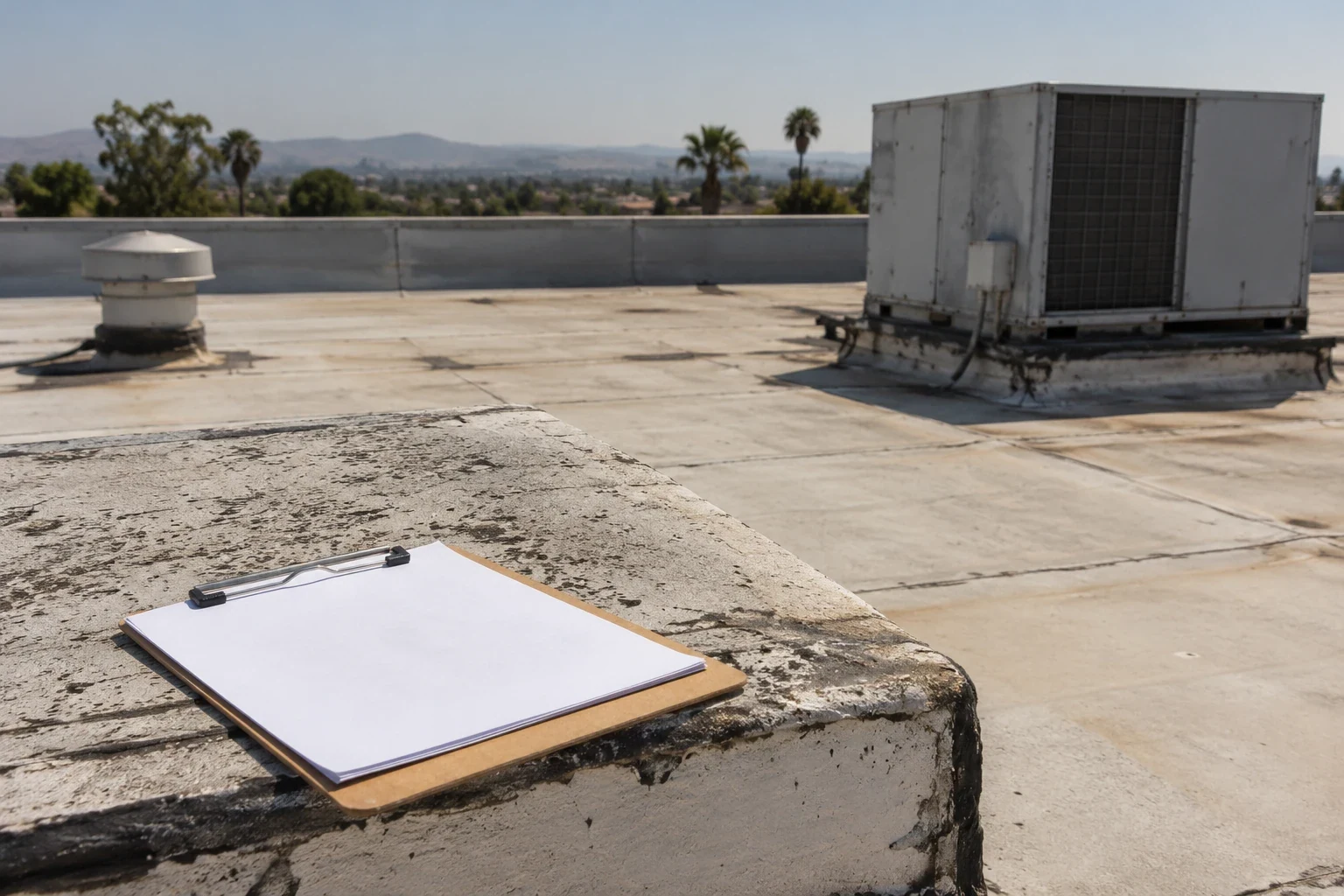
A walk-through has limits, and we say so plainly. From the surface we can see splits, open seams, worn coatings, ponding and bad flashing. We cannot see wet insulation or a soft deck without testing or a small cut. The report separates what we saw from what we suspect, lists any area we could not reach, and gives repair and replacement budgets with the assumptions behind them. Keep the photos, any roof plans and the seller's repair invoices together so the next person can make sense of them.
Pin down where the problems are
Most purchase questions start with something specific: a stain on a ceiling tile, a bucket in a warehouse aisle, or a seller who says the roof was "recently repaired." A water stain tells you water got in somewhere, not where. Water can travel along the deck and show up twenty feet from the actual opening, so we trace it back from the roof side, checking the flashing, curbs, penetrations and seams near the stain.
Each finding in the report gets a location, a photo and a plain description of what is wrong. If two possible sources exist, for example a parapet wall and a rooftop unit, we list both rather than guess. Older photos from the seller help, but only if they are dated and show where on the roof they were taken.
A commercial roof inspection done for a purchase should also tell you what it did not cover. If one roof section was locked off or covered with equipment, you need to know that before you treat the report as complete. A single overall grade like "fair" is not enough to negotiate with.
Price the real fix, not just the patch
A repair number is only useful if it covers the work under the surface. Patching a split membrane is cheap. If the insulation under it is wet, or the deck is rusted, the real fix is bigger. We tell you which items are straightforward repairs and which could grow once the roof is opened, so the allowance you carry into negotiation reflects that risk.
Some work belongs to other trades. A rooftop unit may need to be lifted by the HVAC contractor before the curb can be reflashed, or a wall may need masonry work before new counterflashing can go on. We note those items so the price you compare is a full job, not a roof number with gaps around it.
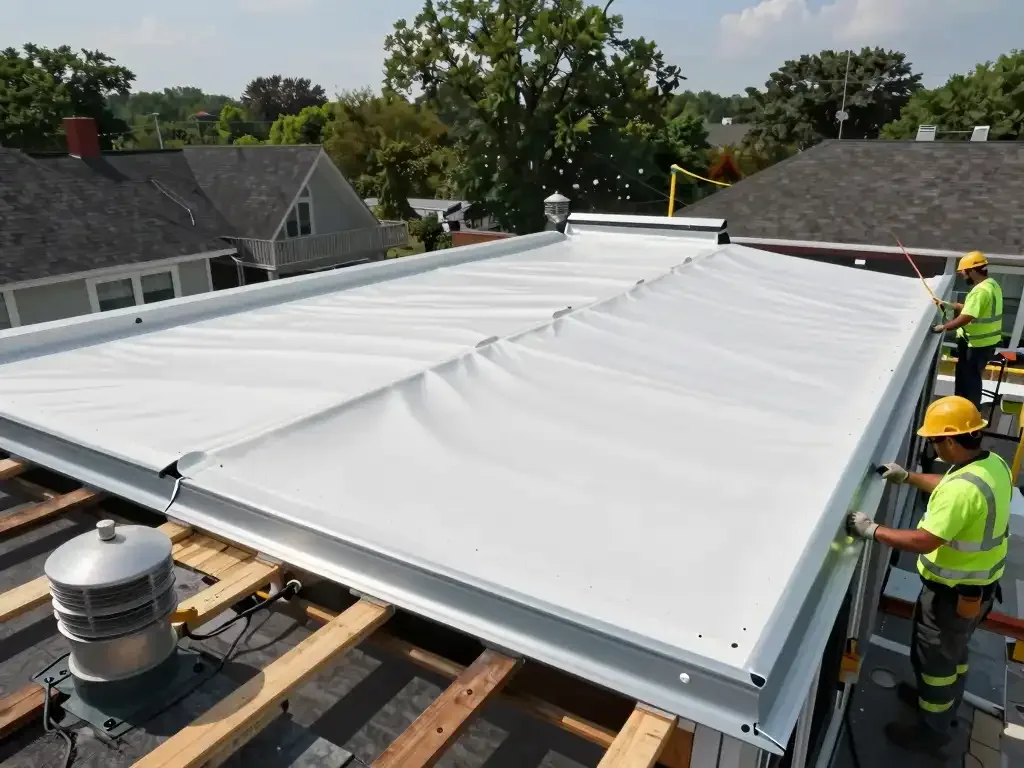
When the roof is near the end of its life, we also price a commercial roof replacement. That estimate states whether the old roof comes off or a new one goes over it, how many layers are already there, and what flashing and edge metal would be replaced. A recover is often cheaper up front, but only works if the existing roof is dry and there is only one layer. We explain the difference so you can compare the two honestly.
Test only what could change the decision
Extra testing costs money and time during a short due-diligence window, so it should answer a specific question. The most common one is whether the insulation is wet. If it is, a recover is off the table and the replacement budget goes up. If it is dry, the roof may have years left with routine repairs.
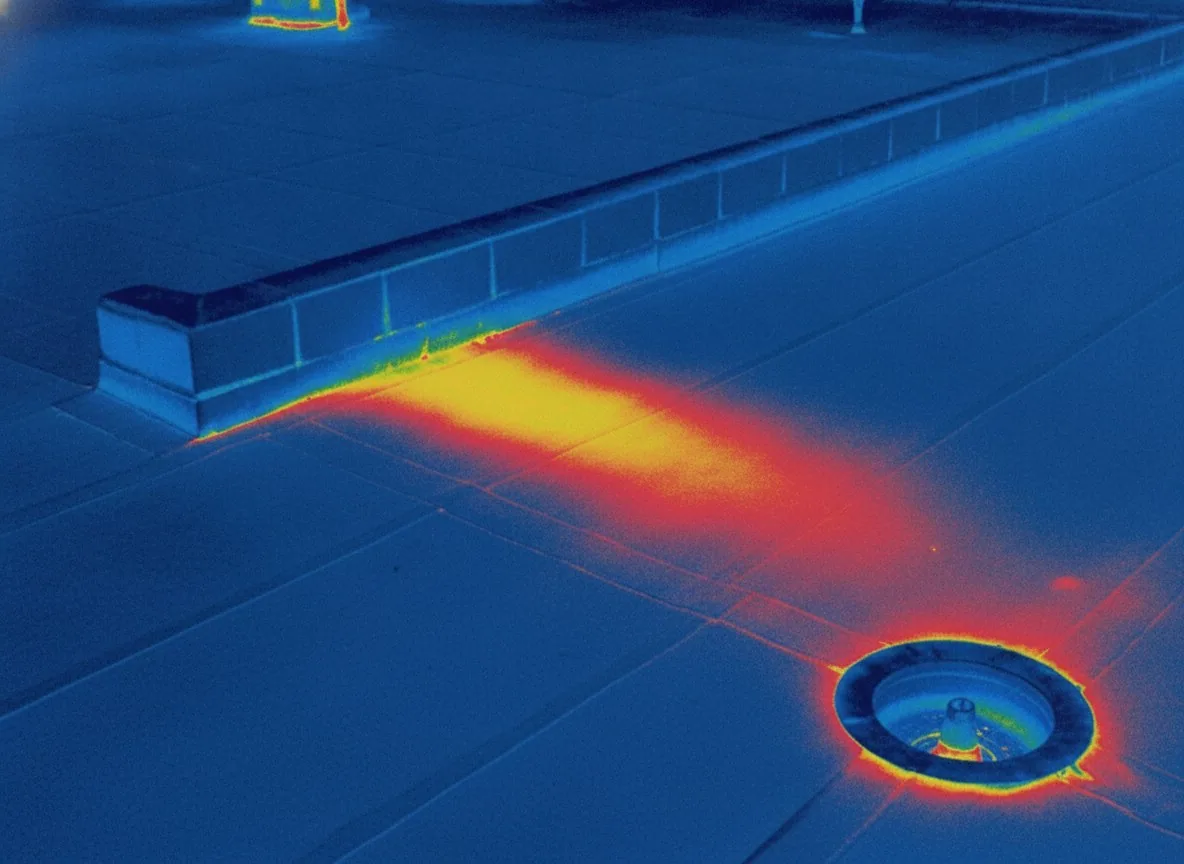
An infrared moisture survey is a good way to map likely wet areas across a large roof. It works best on a clear evening after a sunny day, and it shows where to look rather than giving final answers. We confirm suspicious areas with core cuts or a moisture meter, then patch the cuts the same day so the test does not create a new leak.
A core sample tells you about that spot and the area around it. It does not prove the whole roof is wet or dry. The report states how many samples were taken and where, so you know how far the result can be stretched. If time runs out before testing can be done, the report says what is still unknown, and you can negotiate with that in mind.
Line up roof access before the deadline
A closing date does not get anyone onto the roof. The seller, the property manager or the tenant usually controls access, and some buildings need a ladder key, a hatch opened, or an escort. We confirm who will let us up and what we are allowed to do. Walking the roof is one thing. Cutting a core sample needs separate permission from the owner.
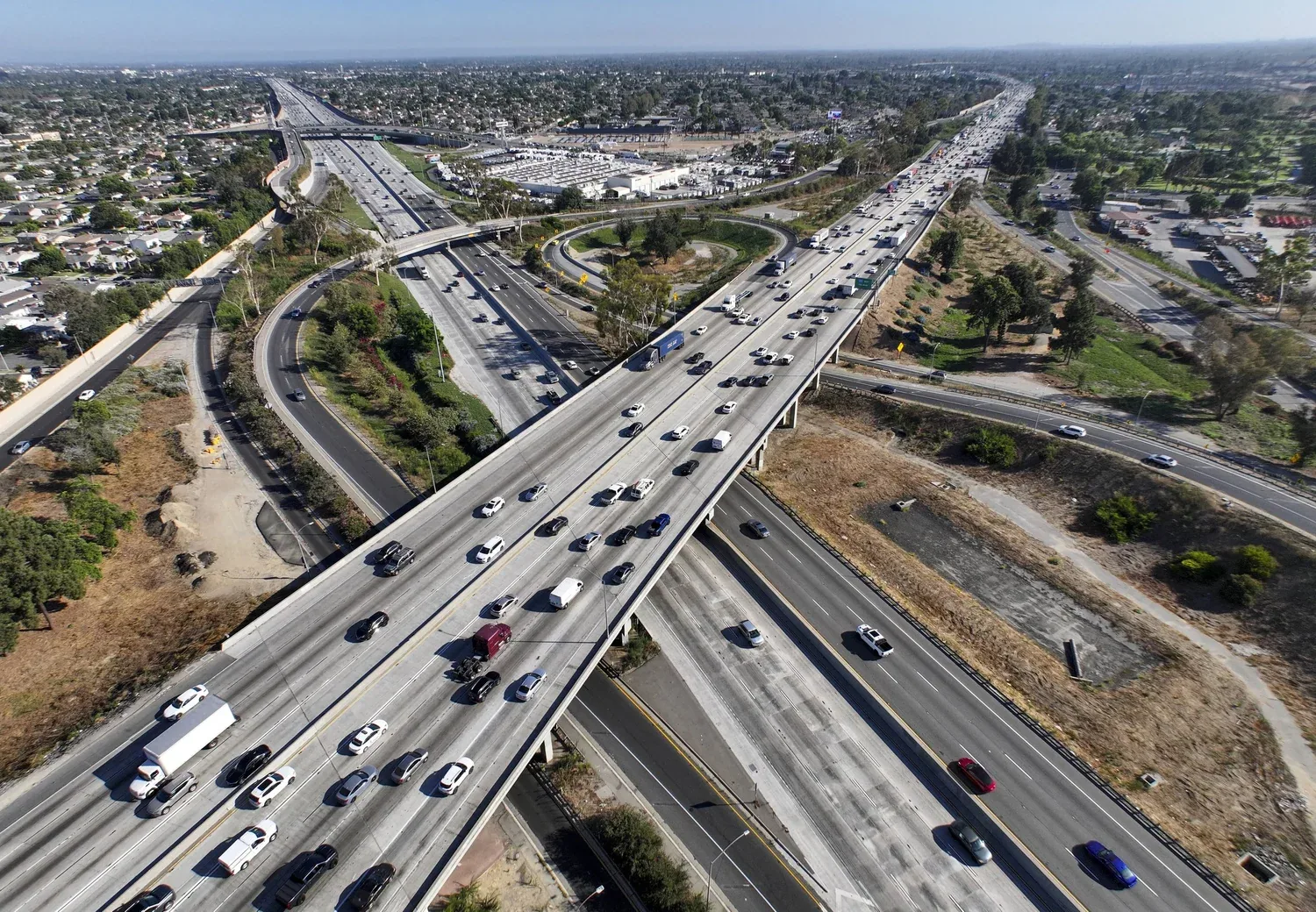
For a building near the I-5/I-605 interchange or anywhere else in Downey, we plan the visit around the tenants' hours and any areas that are off limits. If part of the roof cannot be reached on the first visit, the report says so instead of assuming it matches the rest.
One well-planned visit usually beats two short ones. If the seller can open every hatch and give access to the interior at the same time, we can inspect the roof and trace leaks from below in a single trip. If a second visit is needed for testing, we tell you what it will answer and roughly what it adds to the cost.
Use the survey after closing
A good due-diligence report keeps paying off after the deal closes. It should name the building, list each roof section, and date every finding, so the new owner knows exactly what was looked at and when. Temporary repairs made during the sale period should be noted as temporary, so nobody mistakes a patch for a permanent fix a year later.
Many owners fold the findings into roof capital planning, deciding which repairs happen in year one and when replacement should be budgeted. The report also becomes the first entry in a roof asset management file, alongside future inspections, repairs and warranty paperwork. When a new leak shows up, the next inspection can be compared against the original survey instead of starting from scratch.
Before you close, go through the short list of open items with whoever will manage the building. Agree which issues affect the purchase price and which can wait for the first maintenance season. That conversation keeps the remaining testing focused and makes the repair budget easy to revisit when new information comes in.
Commercial Roofing Questions
What should the buyer get beyond an overall roof rating?
You should get a list of specific problems, each with a location, photo and description, plus repair or replacement budgets and a note of what could make those numbers grow. You also need to know which areas were not inspected. A single rating like "good" or "fair" does not give you anything to negotiate with.
Which additional examination deserves its cost before commitment?
Testing is worth it when the answer could change your decision or the price, most often whether the insulation is wet. Wet insulation usually rules out a cheaper recover and pushes the budget toward replacement. An infrared scan followed by a few core cuts is the usual approach, and the report states where samples were taken and how far the results can reasonably be applied.
Can the purchase deadline supply permission for an investigation opening?
No. The seller or property manager still has to approve roof access, and cutting a test core needs specific permission from the owner. We arrange access, protection and same-day patching of any cuts separately from your deal timeline. If testing cannot happen before the deadline, the report lists what remains unknown so you can account for it.
How should later findings affect the acquisition allowance?
If a later inspection or a new leak shows something the survey did not, update the repair budget to match. Keep the original survey with its date and limits, add the new findings next to it, and adjust quantities based on what is now known instead of carrying forward an old estimate that no longer fits.
Get a roof survey before you close
Send us the Downey address, your closing timeline and any roof records the seller has provided. We will inspect the roof, tell you what we found and what it will cost to address, and flag anything that still needs testing before you commit.