Roof Asset Management in Downey, CA
Roof asset management for Downey buildings: one organized record per roof, repair budgets tied to real findings, and a clear list of what to approve next.
The cost of a roof repair depends on what the crew has to tear out, what can stay and what has to be rebuilt. Downey's long dry season ends with heavy winter rain that finds every weak seam and slow drain. On an office or warehouse roof, a loose flashing at a parapet wall can turn a small patch into wall-backing and flashing work. We inspect that detail, then price everything needed to fix it properly. You get a short list: work ready to approve, questions still open, and anything another trade has to handle.
For each building, keep the roof system, section map, visible condition, repair history and next action together. Mark where a detail was inspected and where access was unavailable. Separate a confirmed leak repair from a future replacement allowance, and connect each budget item to the finding that supports it. When the property manager oversees several assets, consistent fields make reports easier to compare without treating different roofs as identical. A condition report for the assigned property should remain the field evidence behind each asset record.
Find the actual source before setting a budget
Most roof spending starts with a complaint, usually a ceiling stain or a drip in a tenant space. The stain tells you where the water ended up, not where it came in. We go up and check the flashing, wall caps, seams and penetrations near and upslope of the stain, then note what we found and what the repair will need.
Old repairs matter here. A previous contractor may have covered a failed flashing with mastic or a patch, and the real problem may be underneath. If the building's repair invoices are available, we compare them against what is on the roof today rather than trusting the paperwork alone.
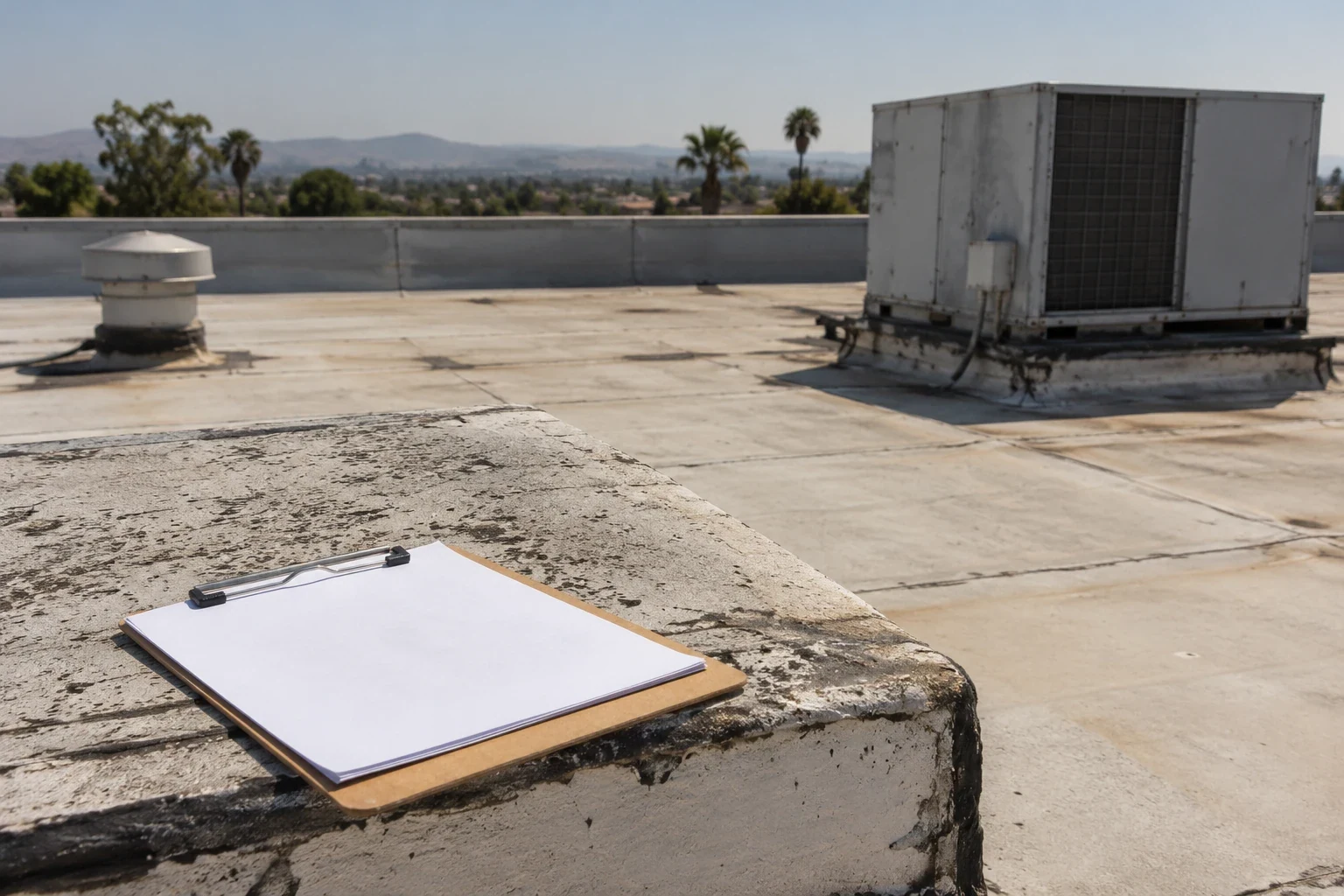
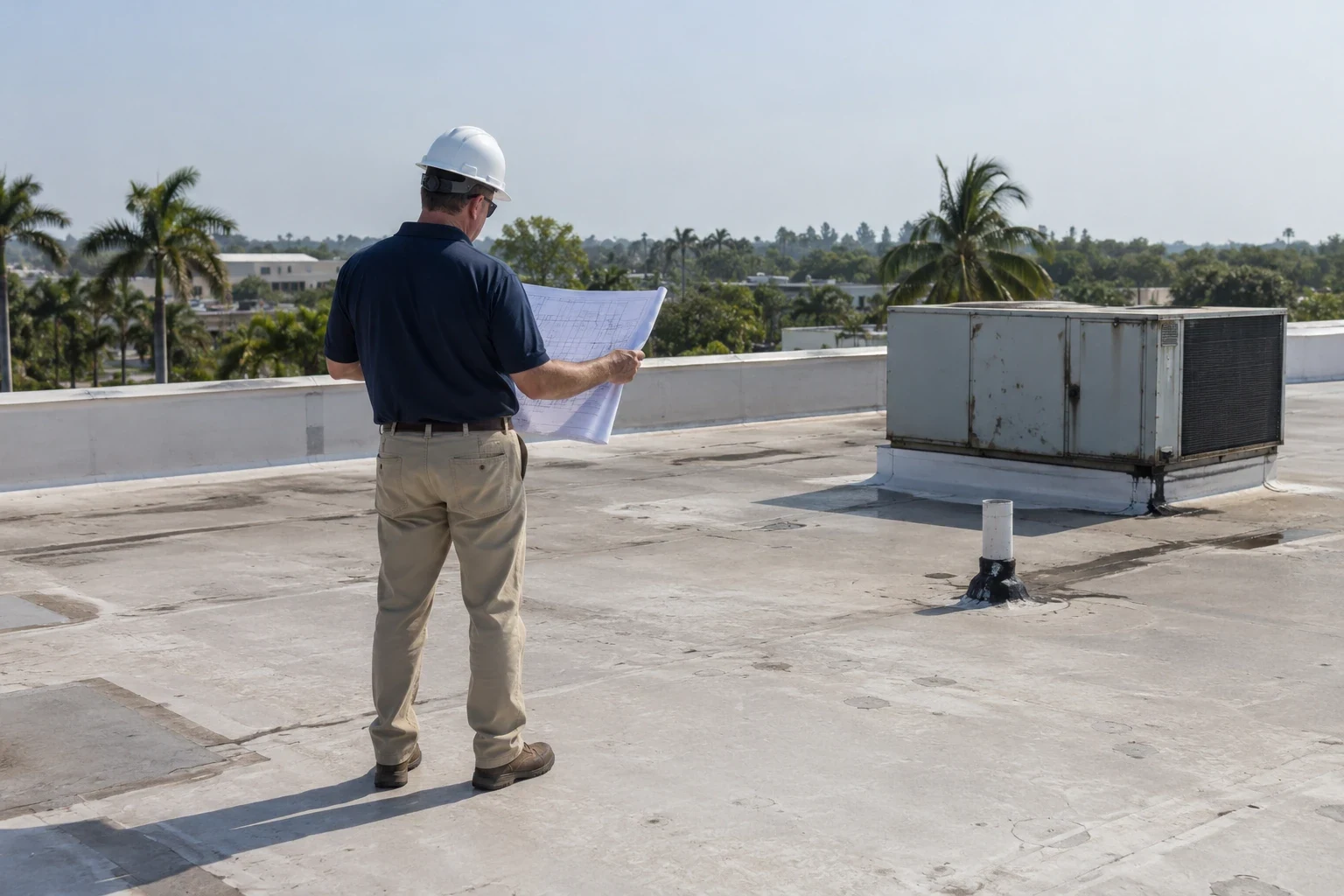
Roof condition reports are the backbone of the asset record. Each one shows which areas were inspected, which could not be reached and why that matters. Photos need enough of the surroundings in frame that someone else can find the same spot later. A close-up of a crack with no landmark is not much use to the next manager.
Price the whole repair, not just the patch
A low repair price is only a good deal if it fixes the problem. If a wall flashing has pulled loose because the plywood behind it is rotten, sealing the top edge will not last. The estimate should say what is being removed, what is being replaced, and what the finished detail will look like. When two bids differ widely, the cheaper one is often missing the prep work.
A commercial roof repair sometimes depends on other trades. A rooftop unit may need to be disconnected and lifted so its curb can be reflashed, or a stucco wall may need patching before new counterflashing goes on. We list that work next to the roof repair it supports, so you know who needs to be scheduled and in what order. Nobody wants a roofing crew on site waiting for a mechanical contractor who was never called.
Check the layers that could change the job
What is under the membrane often decides the price. A roof can look sound on top while the insulation below is soaked from a slow leak. We test where it matters, using a moisture meter, an infrared scan or a small core cut, and we record exactly where the readings were taken.
A wet spot near one drain does not mean the whole roof is wet. We keep the finding tied to the area tested and say how far it reasonably extends. That way the repair budget grows only where there is evidence.
Replacing wet roof insulation and cover board can change the finished roof height, which affects drains, scuppers and the flashing height at walls and curbs. We check those details before materials are ordered. If more damage turns up once the roof is open, we stop, show the owner, price the extra work and keep the area watertight while a decision is made.
Schedule work that can actually be finished
A repair should start only when everything it needs is lined up. That means roof access, a place to stage material, any tenant notices, and other trades booked if their work comes first. We tell the site contact what we will be doing, how long the roof will be open and what noise or odor to expect, and they coordinate with the occupants.
Permission to inspect a roof is not permission to tear part of it off. Those approvals are handled separately, and we confirm them before we schedule a crew. A date on the calendar does not help if the HVAC unit is still sitting on the curb that needs reflashing.
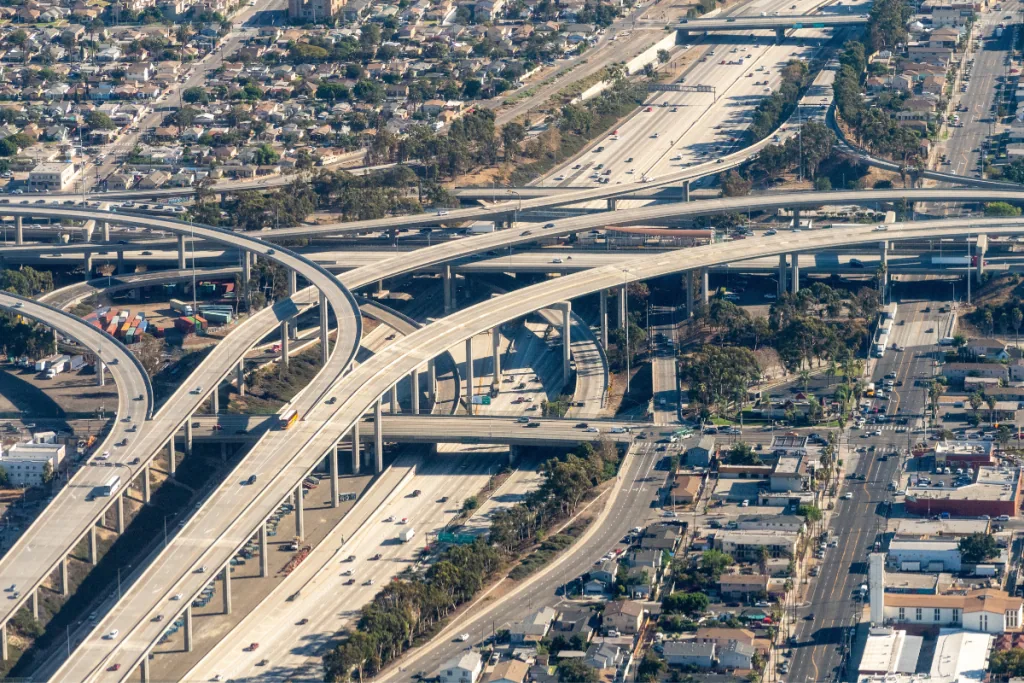
For work near the I-105/Lakewood Boulevard corridor, start the budget at the assigned roof. Mark its drains, rooftop units, repaired areas and access limits before grouping work. A second property may need a different stage or repair. Portfolio totals are useful only when each line carries the same scope, not when every building receives the same number.
Record what was done and what is still open
When a repair is complete, the record should show what was installed, where, and what it looks like underneath. Photos taken before the new work is covered are the only proof of what was done to the deck or insulation. If another trade still has a job to finish, such as reconnecting a unit or sealing a wall, that item stays open with a name next to it.
Roof capital planning works best when it starts from current conditions. A roof can change in a year: tenants add equipment, a storm loosens edge metal, a slow leak soaks more insulation. When a new problem appears, we inspect it before assuming it is the same old issue, and we add the new finding to the record with its date.
Use one naming system for buildings and roof sections across reports, drawings and photos. If the north warehouse roof is "Section B" in one report, it should be "Section B" everywhere. That simple habit saves hours when the next manager needs to find a repair.
When a repair closes, record the material installed, the section repaired and any condition deferred. Keep the inspection date, access limits and replacement assumptions with that roof, not in a portfolio-wide note. For the next review, sort active leaks first, then planned repairs and longer-term replacement work. Mark which amounts are ready to approve and which still depend on an opening or another trade.
Commercial Roofing Questions
Which item deserves the first budget line?
Active leaks and failed details that are letting water into the building come first. Fixing those properly, including any wet insulation or damaged backing behind them, protects the interior and stops the damage from spreading. Optional work like coatings or cosmetic repairs can wait until the leaks are closed.
When should another investigation be approved?
Approve testing when the result could change what you do, for example whether insulation can stay or has to be replaced, or whether a recover is possible. Before testing, agree on the question it should answer. Afterward, the report should say where the samples were taken and how much of the roof the result covers.
Can a repair invoice settle the next roof decision?
An invoice tells you what someone said they did and when. It is useful, but the roof should still be inspected, because later equipment work, new leaks or a repair that did not hold can change the picture. Compare the invoice with what is on the roof today before deciding on the next repair.
Which asset records make the next management handoff useful?
The next manager needs a record for each roof showing completed repairs, photos of the work before it was covered, warranty paperwork, and a list of open items with who is responsible. Everything should use the same building and section names so a repair can be found without re-inspecting the whole roof.
Get your roof records in order
Send us the Downey building address, the current problem and any repair history you have. We will inspect the roof and give you a clear list of what needs fixing, what it will take, and what can wait.