Home / Commercial Roofing Services
Skylight and Penetration Flashing in Downey, CA
Skylight and penetration flashing repair in Downey, CA. We fix pipe boots, vent stacks, conduit and skylight curbs, including the backing behind the flashing.
A leak at a pipe, vent or skylight needs the whole flashing detail priced, not just the visible crack. Another coat of mastic usually leaves rotted backing or a bad curb untouched. Skylight and penetration flashing work in Downey, CA starts with listing each penetration and identifying the roof around it. We inspect what we can reach before choosing a permanent repair. Roofing work is kept separate from frame or equipment work that another trade has to handle. A new strip of flashing on top does not mean the whole detail is fixed.
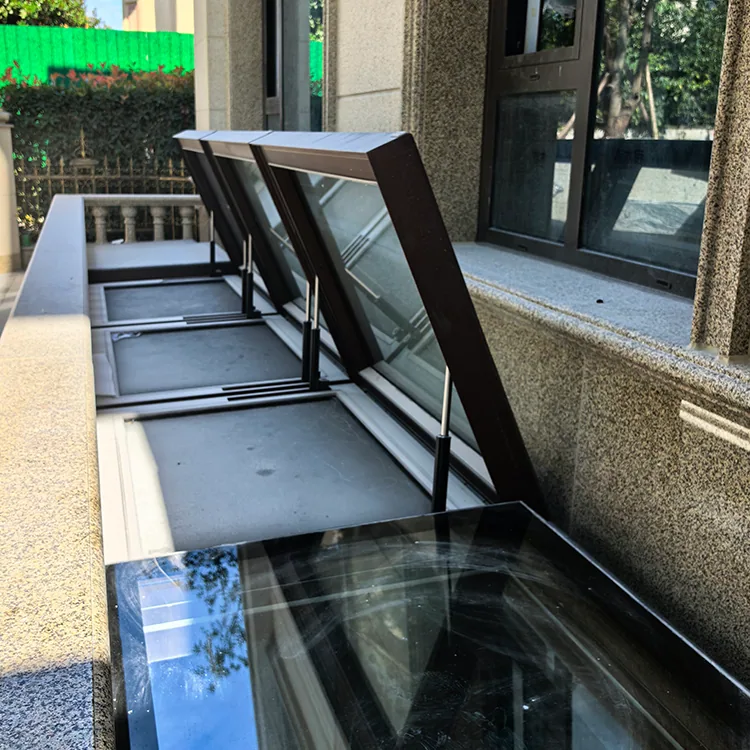
Inspect the skylight curb on all four sides. Look for cracked corners, lifted flashing, an open membrane tie-in or loose metal at the counterflashing. Check the glazing frame separately; a roof-side repair does not fix a failed skylight seal. If the curb or deck is damaged, photograph it before removing material. The estimate should show the roof work, any unit work by its responsible trade, and the permanent detail that will keep water outside the opening.
We confirm what the new flashing will bond to. Old sealants and spots we cannot see yet get checked first. The scope lists backing repairs and any other trade's prep before our crew is asked to finish a penetration it cannot fully reach.
Map every skylight and penetration in the job
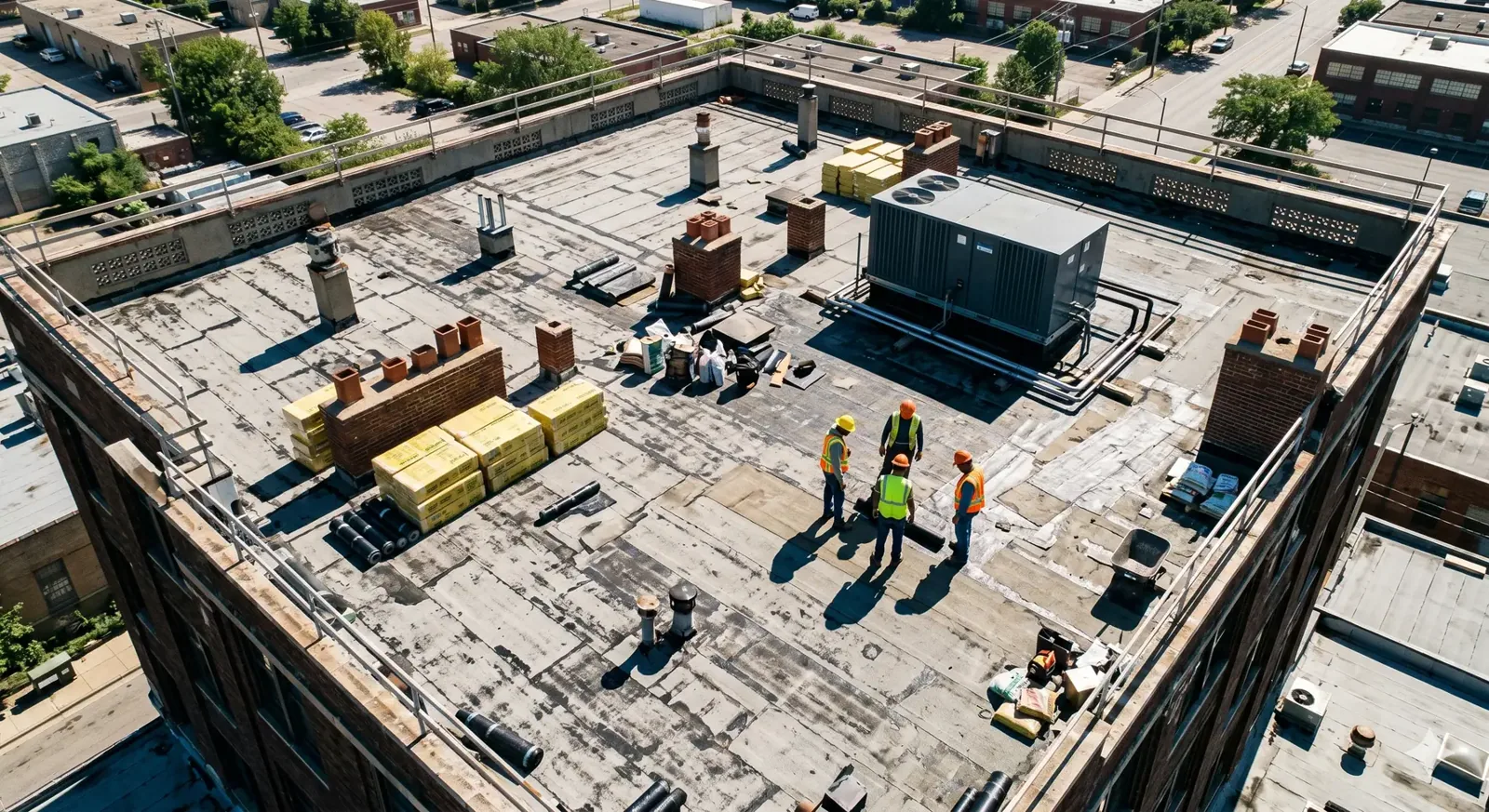
We list the skylights, pipe boots, vent stacks, conduit penetrations and pitch pans included in the job. At each one we check the flashing, the roof around it and the penetration itself. We identify the existing materials and old repairs, since they affect which products will bond. "Penetration" covers a lot of different details, and each one needs its own fix.
A commercial roof inspection notes each penetration and what we could not see. Areas needing a closer look are listed with the next step, so the manager has real findings instead of guesses about what is under the flashing.
A flashing repair lists what the new flashing will tie into at each spot. Where old patching is unknown, we identify it first. A cracked pipe or a failing skylight frame stays separate from our roofing unless the scope says otherwise. The crew gets compatible products and a clear location, with other trades' work flagged before materials are ordered.
Keep skylight frame work separate from roof flashing
A leaking skylight may need more than roof flashing. We figure out whether the problem is in the frame, the glazing or the curb, and who should fix it. A roof inspection cannot confirm the condition of the glass or the frame seals. Those go to a skylight or glazing contractor.
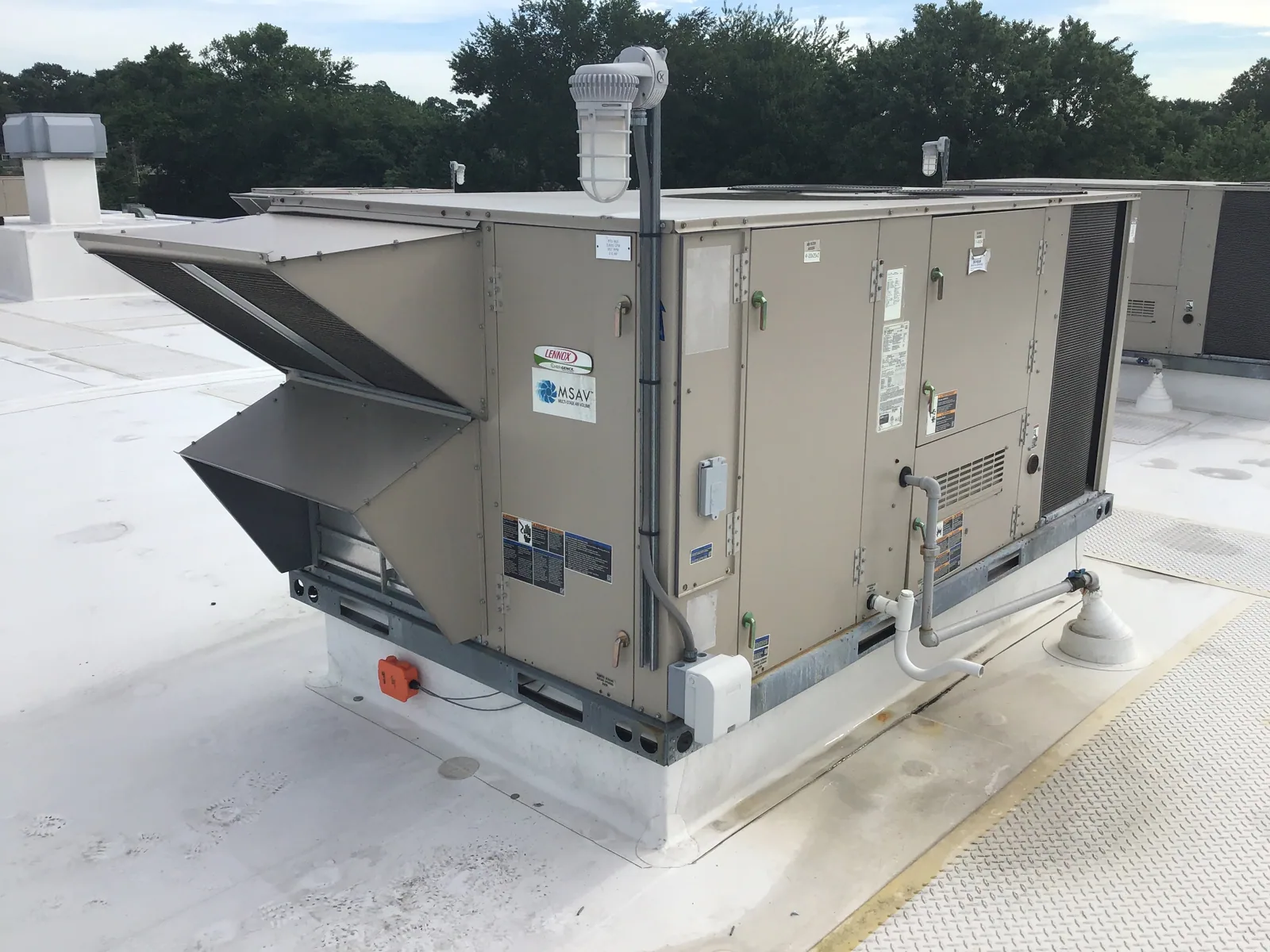
A curb and equipment support repair has its own inspection. We note what has to happen before our crew can reach the full curb and confirm who to call through the building. Roofing progress nearby cannot fix another trade's problem.
When a skylight or unit stays in place, we describe which parts of the curb we could inspect, and any blocked areas are not counted as checked. If those areas open up later, we inspect them before choosing the rest of the repair. The manager knows the order of work up front, so the roofing price covers work our crew can actually finish rather than implying the whole skylight has been fixed.
Check the backing before new flashing relies on it
Flashing is only as good as the wood, insulation or curb behind it. We check that backing where it matters for the repair. Confirmed rot or wet insulation is listed separately from spots we still need to open. Keeping existing material depends on what we find.
An insulation and cover board repair at a penetration states how much will come out and what goes back, tied to that penetration. If the damage raises a structural question, we recommend the right reviewer. New flashing products cannot make rotted backing sound.
Opening a penetration sometimes shows more damage. We record it, revise the removal and replacement quantities, and get approval before going further. The open area is protected while that is decided. The property manager can see why the work changed, and the original inspection stays separate from damage we could only find once the flashing was opened.
Account for roof height changes at curbs and pipes
A new roof or added insulation changes how the roof meets skylight curbs and pipe penetrations. We compare the new roof height with each curb and penetration. If a curb becomes too short or a pipe boot no longer fits, the detail has to change, and we get the right review before finalizing it.
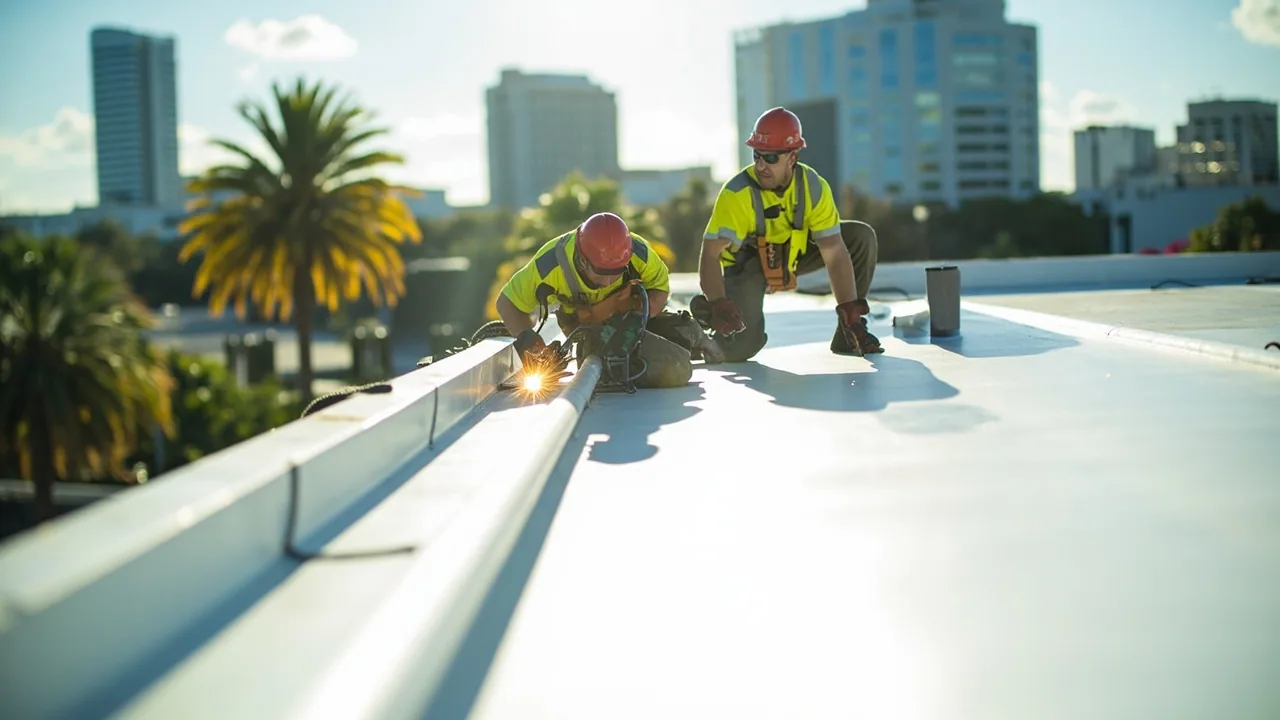
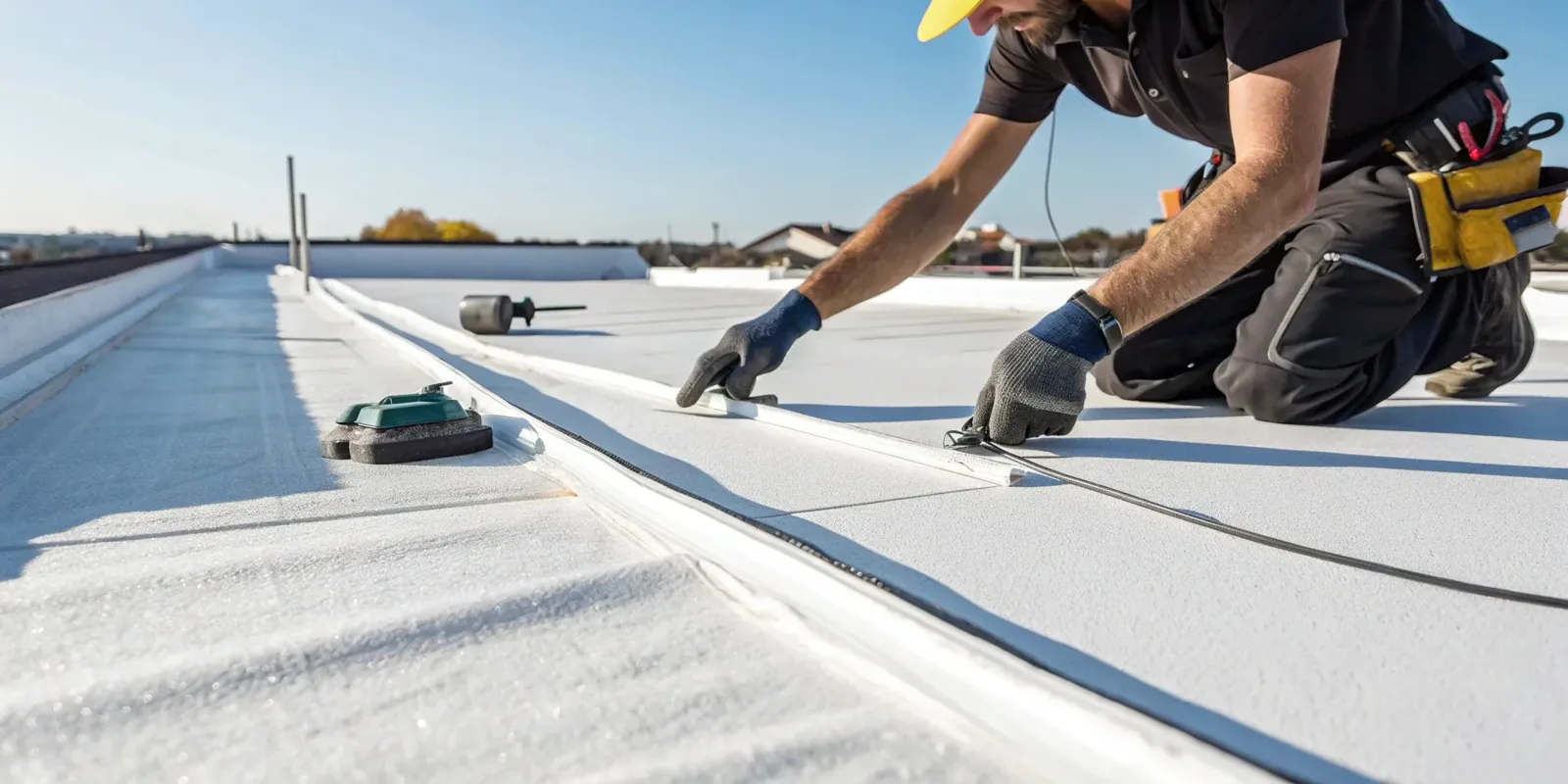
A PVC roof uses its own pre-molded boots, flashing membrane and welding details. A TPO roof has its own flashing products. Each is reviewed for this roof rather than assumed to work because the other did.
The building's rules set material routes and work hours. If the work is split up, we include the extra setup and protection. Penetrations still waiting on another trade or more inspection are listed. The manager can arrange the next step for each one, and our crew comes back with the right products once the backing is ready.
Keep a record of each penetration and open questions
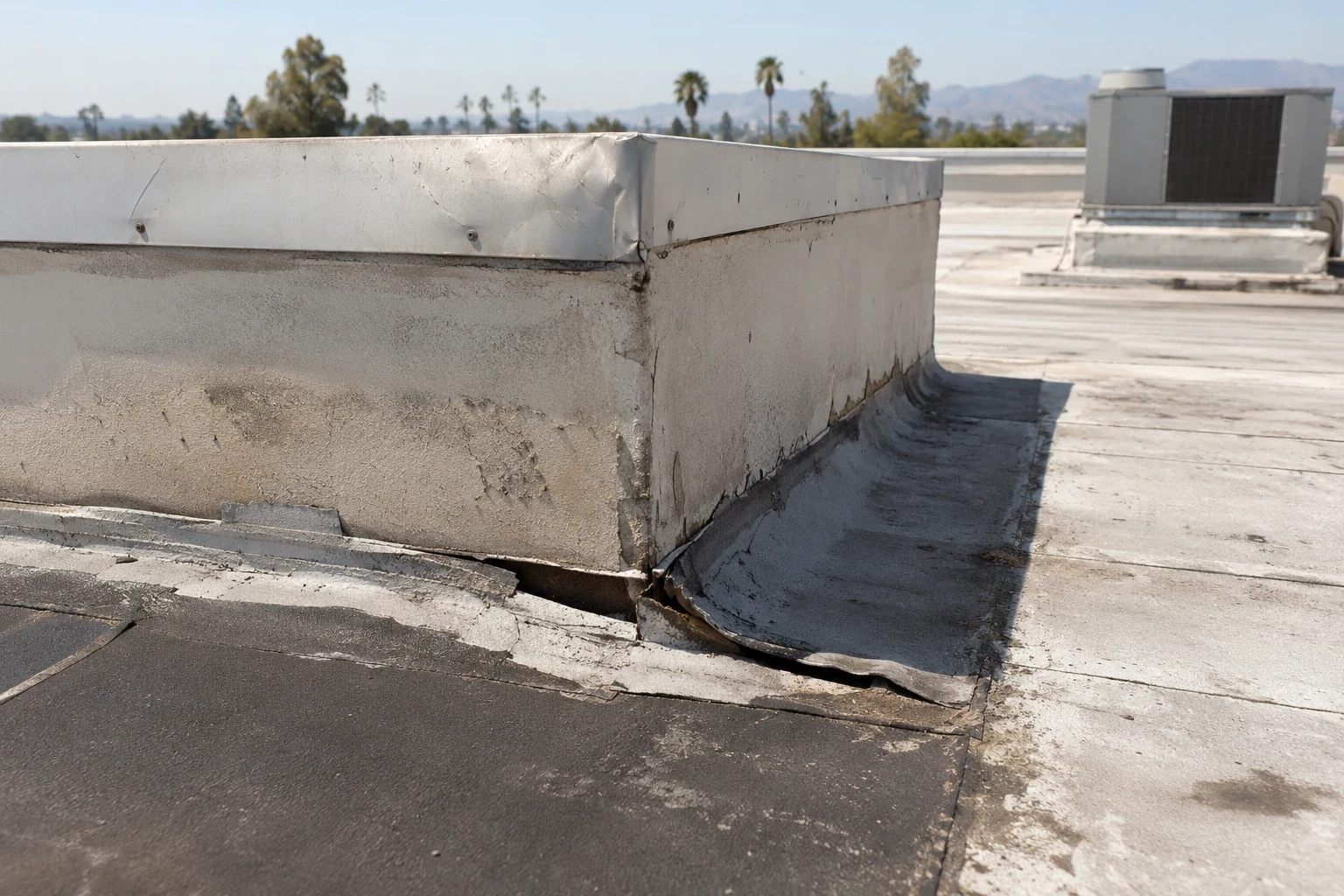
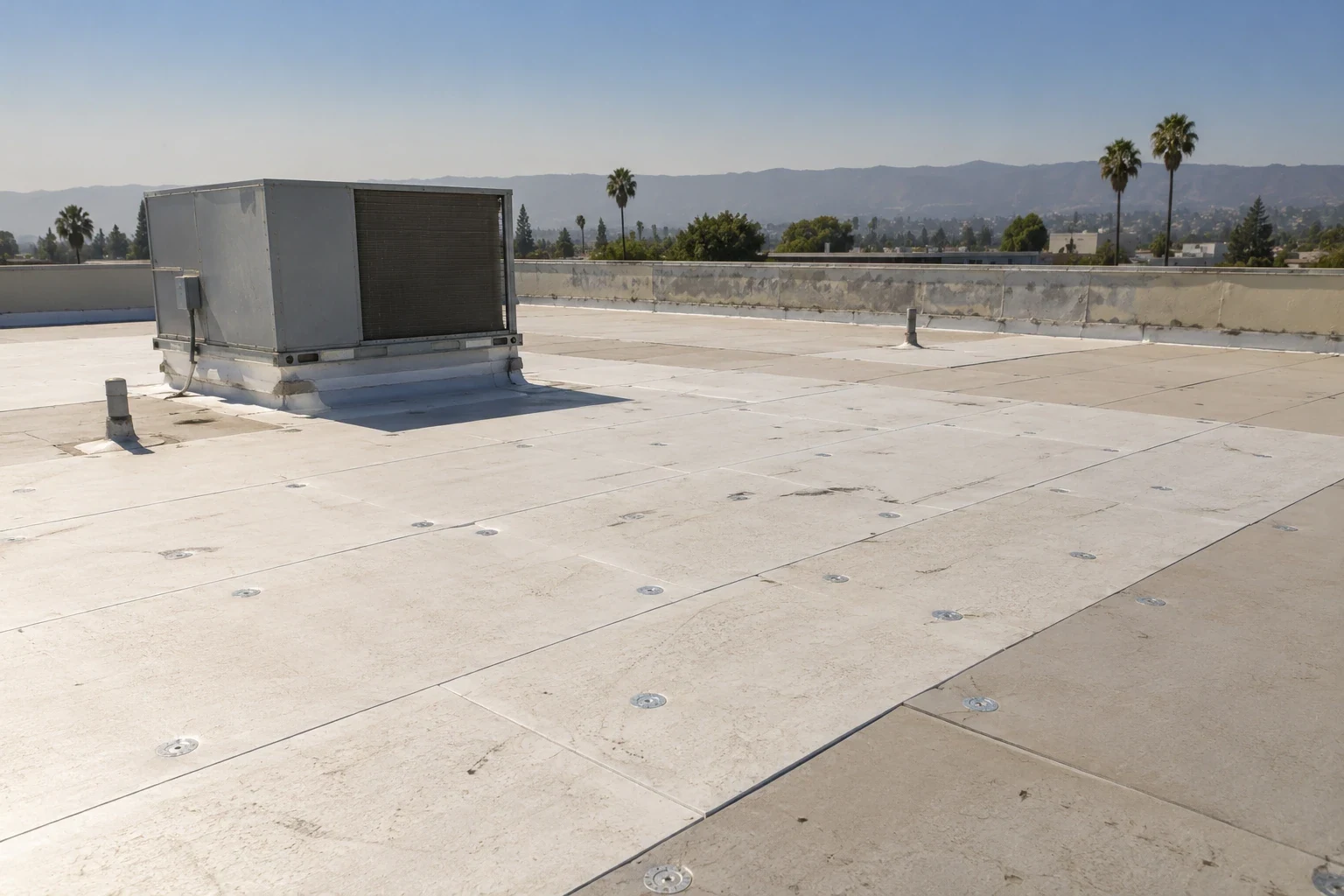
A skylight curb or roof penetration can leak where its flashing separates from the membrane, where corners crack, or where an upper termination no longer sheds water. We inspect the curb faces, corners and surrounding roof, then identify the compatible material and preparation required for a lasting repair.
On a commercial building near the I-5/I-605 Downey interchange, we locate the curb or penetration tied to the leak and include the permanent membrane tie-in. If equipment blocks a curb face, the proposal says what has to be moved or cleared before work begins.
A roof condition report after flashing work lists materials installed, backing replaced and flashing finished at each penetration. Photos and test results sit beside each repair, with approved changes tied to their quantities. Open frame or equipment questions are listed separately from finished roofing. The manager has a clear record for future repairs.
Commercial Roofing Questions
What should a flashing proposal include for each penetration?
The location, the existing roof and flashing materials, the condition of the backing, the products we will use, and any work another trade must do first. Spots we could not inspect should be listed too.
How do you separate a skylight problem from a roofing problem?
We inspect the curb flashing and the roof around it. Cracked glazing or failed frame seals go to a skylight or glazing contractor. Our repair covers the roof flashing, and the proposal makes that line clear.
What if the backing behind the flashing is rotted?
We record where it is, explain the added removal and replacement, and get approval before doing it. The open area stays protected, and structural concerns go to the right reviewer.
What records do I get after flashing repairs?
For each penetration: products installed, backing replaced, photos, test results and approved changes, plus any open questions about frames or equipment.
Get every penetration flashed properly
Send us the address, which skylights or penetrations are leaking and any product records. We will inspect each one and explain the backing repairs, other trades' prep and the permanent flashing we recommend.