Ponding Water Roof Repair in Downey, CA
Ponding water roof repair in Downey, CA: we find out why water is standing on your roof, whether it is a clogged drain, a failed drain connection or a low spot, and fix the actual cause.
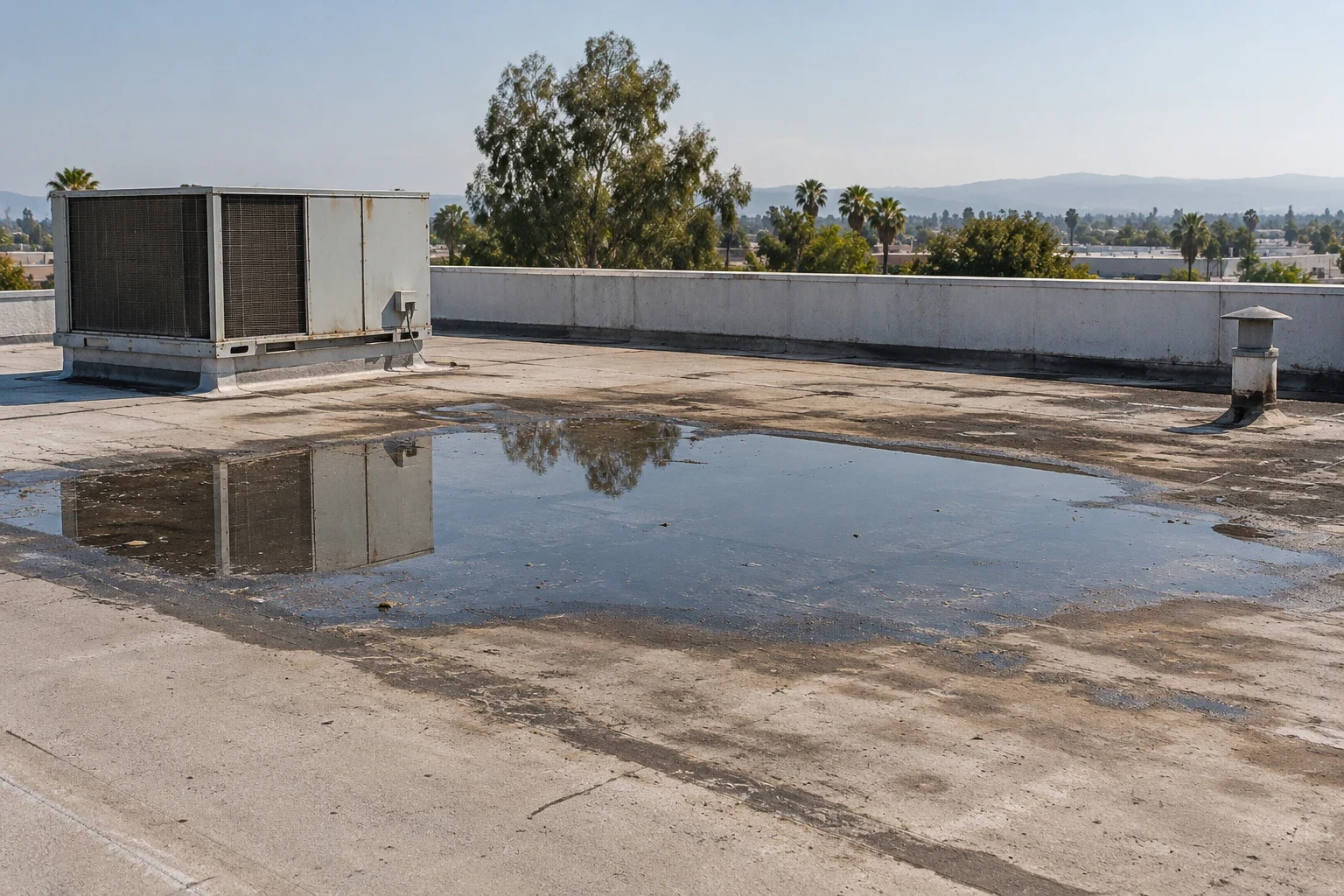
Coating over a puddle does not make the water go away. On a Downey office roof, standing water usually means a drain is clogged, a drain connection has failed or part of the roof has sagged. Each of those needs a different fix. We inspect the drains and the roof around the ponding, explain what is causing it, and price the repair that matches. Clearing a drain, repairing a drain flashing and re-sloping a section are very different jobs, with very different costs.
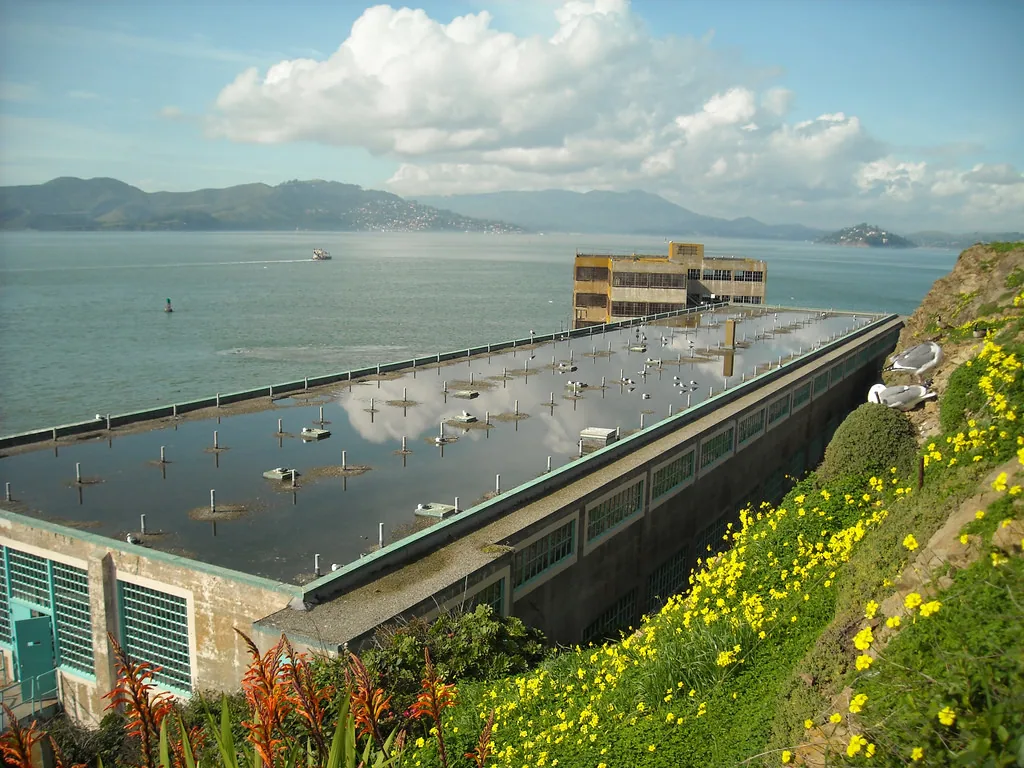
Standing water can come from a blocked drain, a damaged drain connection, debris or a low roof section. We inspect the accessible drains and surrounding membrane, note where water stays and separate simple cleaning from a repair that changes the roof itself. An office building roof drainage repair should name the drain or area involved and any engineering review needed before changing slope. The owner gets a recommendation based on how water actually moves off the roof, not just a photo of a wet roof. Most of Downey's rain falls between November and April, so clear the drains before the wet season and price any slope correction as a separate item.
Follow the water to the drain
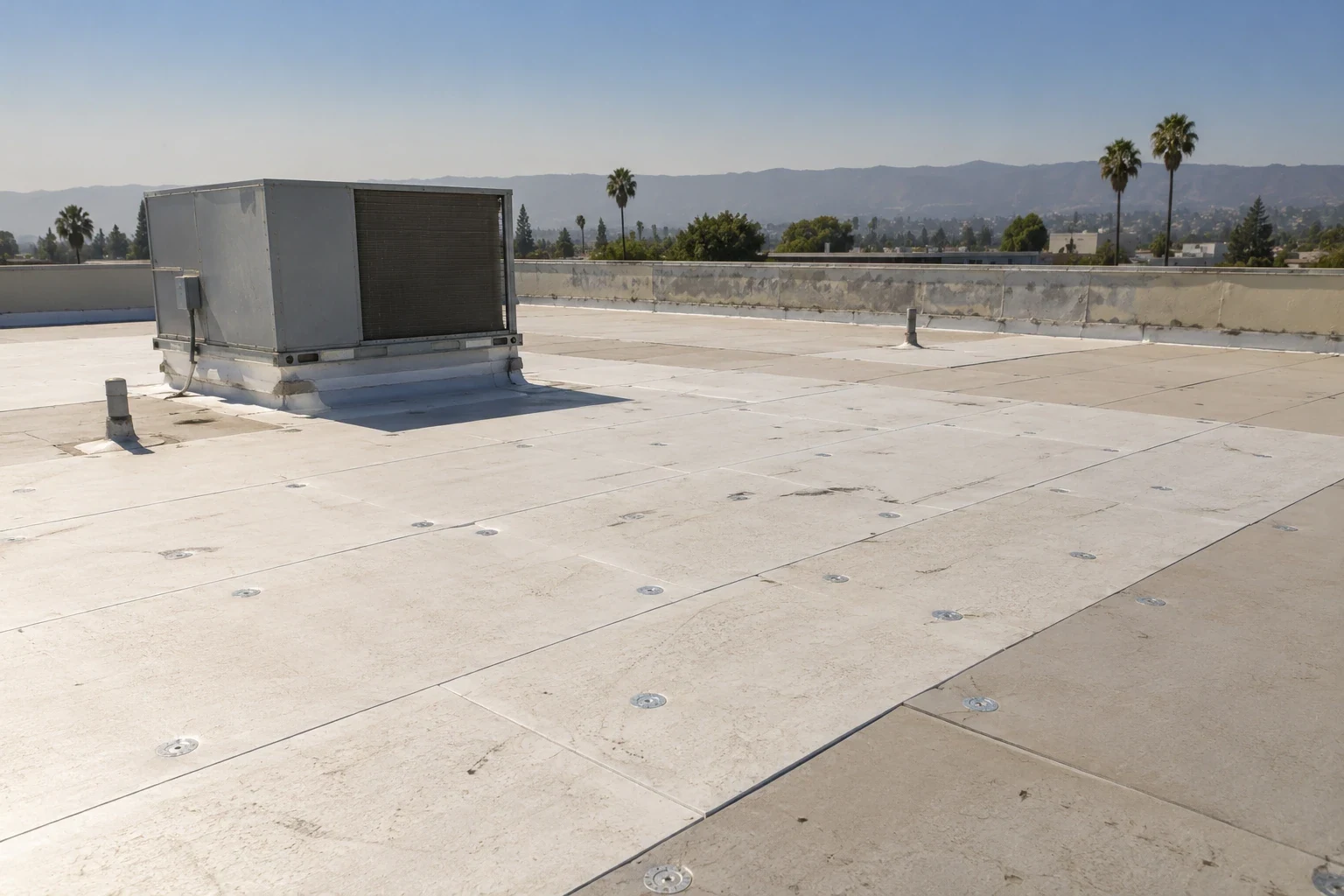
We start at the drains and scuppers and work back along the path water should take to reach them. Leaves, trash and gravel at a drain are the most common cause and the cheapest fix. A drain set too high, a crushed drain body or a sagging deck between drains are harder problems. HVAC units, walls and curbs can also block water from reaching a drain. Major slope or structural questions may need an engineer.
Repairing roof drains and scuppers includes the seal between the drain and the membrane, not just the strainer. If water has been leaking around the drain, clearing debris will not fix it. A failed drain flashing needs to be rebuilt with the right clamping ring and membrane tie-in. If the drain pipe below the roof is cracked or disconnected, a plumber needs to handle that part, and we schedule them in the right order.
Know what fixing a low spot involves
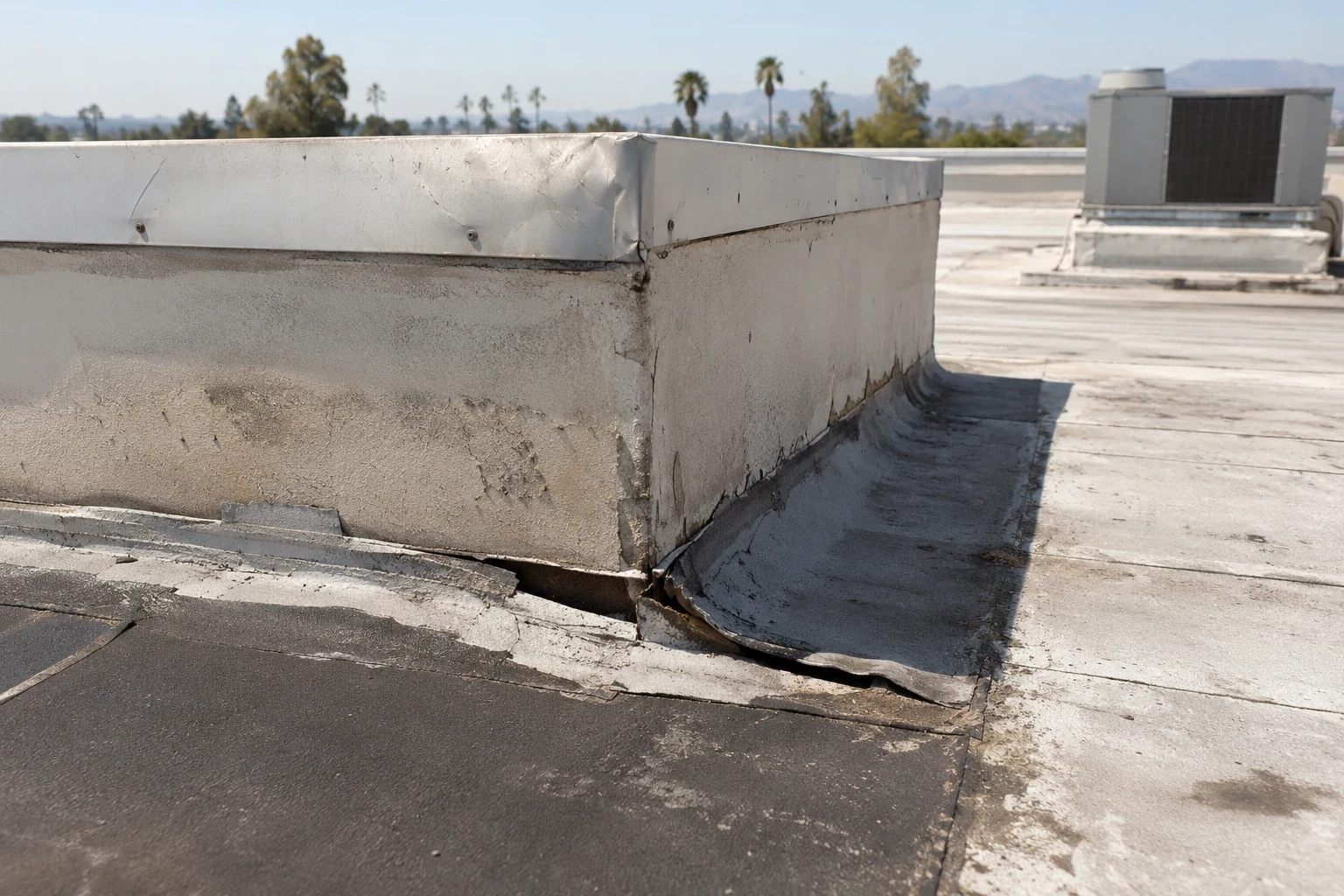
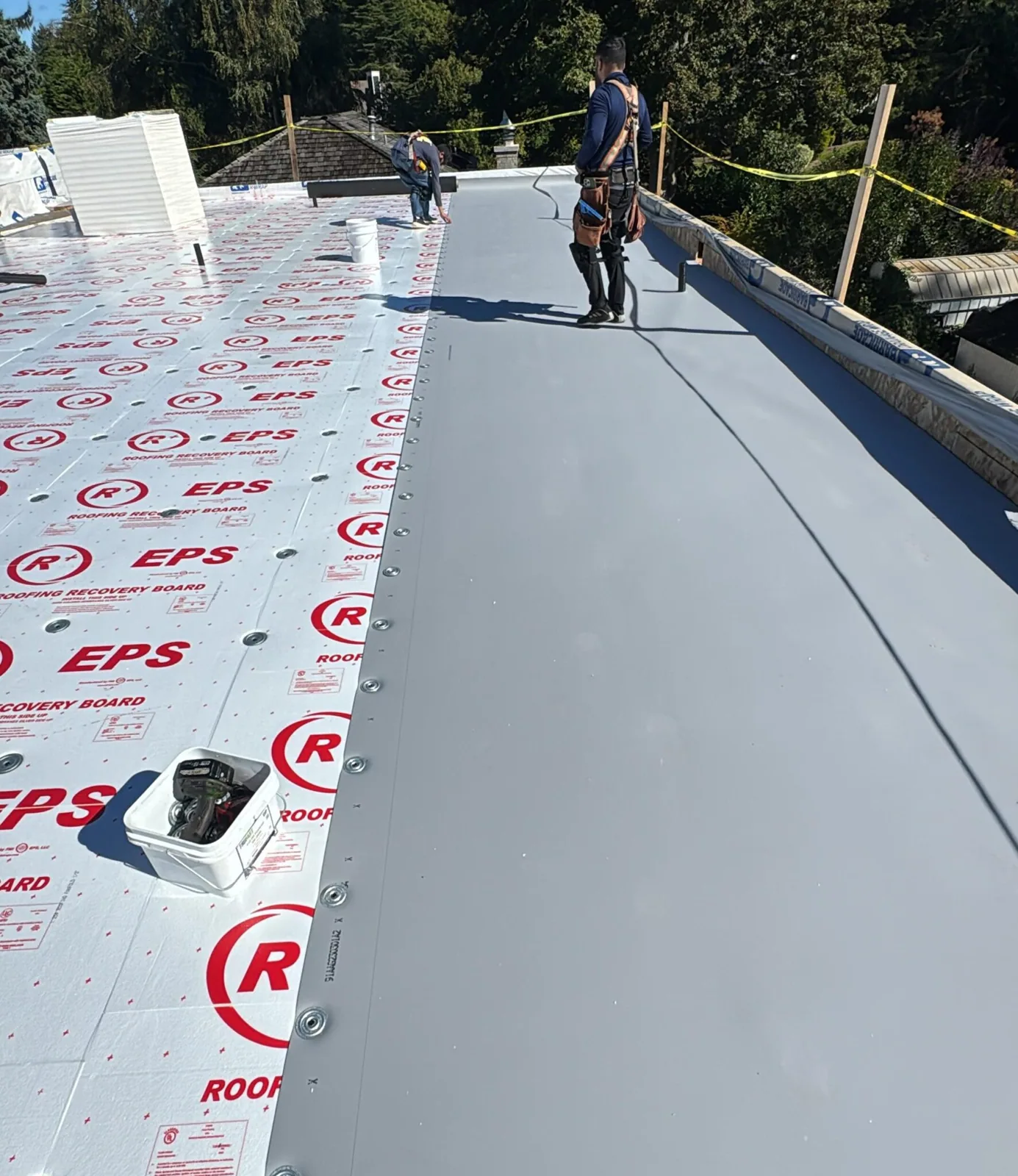
Fixing a low area usually means building it up with tapered insulation or crickets so water flows toward a drain. That raises the roof surface, which can affect nearby drains, walls, curbs and flashings. Flashings may need to go higher, drains may need extensions, and rooftop units may need taller curbs. We list those effects in the estimate, so the price covers the whole fix, not just the added insulation.
Adding roof insulation and cover board to correct a low spot only works if the existing roof under it is dry and sound. Where it is not, the wet material comes out first. A seam failure in the ponding area is common, since standing water works on seams, and it gets repaired as part of the same job. Each item is listed separately so you can see what is included.
Check for wet insulation under the ponding
Standing water does not always mean the insulation underneath is wet, but long-term ponding often finds its way in through a seam or a small crack. We check where the answer would change the repair, and we note exactly where we tested. Areas outside the testing are listed as untested rather than assumed dry.
A roof inspection can identify where further testing is worthwhile. If we need to cut into the roof, we get permission first and patch the cut the same day. If the repair uncovers more wet or damaged material than expected, we document it, price the extra work and get approval before continuing. The roof stays watertight while that decision is made.
Coordinate drain work with other trades
Some drain repairs need a plumber, an HVAC contractor or an engineer before roofing can be finished. We identify those steps early, confirm who is responsible and schedule the roof work after them. Permission to inspect the roof does not cover cutting out a drain or adding insulation, so we confirm that approval separately with the building contact, along with any interior areas that may be affected.
For work along the Imperial Highway corridor, confirm the building's access route and any interior areas below the work with the site contact before scheduling. Doing several drains in separate visits adds setup cost. Doing them together is usually cheaper if everything is ready. We price both ways with the same scope, so you can pick based on cost and convenience without giving up any part of the repair.
Keep the drainage repair on record
When the work is finished, the record should say which drains or areas were repaired and how: cleaned, reflashed, replaced or re-sloped. Photos taken before the new work was covered show what was done underneath. Any open items, such as a plumber's repair below the roof, are listed with who is responsible.
Keep those records with the building's roof condition reports. If ponding comes back, the next inspection can see what was done and look for a new cause, such as a new rooftop unit blocking flow or a drain that needs cleaning again. An old repair price should not be reused without checking what is actually happening on the roof now.
Set up a routine for clearing drains, especially before the rainy season and after windy weather. Most ponding problems start with debris, and regular cleaning is the cheapest way to prevent them. Make sure whoever does that cleaning knows not to cut or alter anything on the roof without approval.
Commercial Roofing Questions
Can clearing the outlet settle a standing-water complaint?
Sometimes. If debris is blocking the drain, clearing it may solve the problem. If water still stands after the drain is clear, the cause is likely a failed drain connection, a drain set too high or a sagging area of roof, each of which needs its own repair.
What should accompany an allowance for changing roof slope?
The estimate should include the tapered insulation or crickets plus the effects of raising the roof: taller flashings at walls and curbs, drain extensions and any equipment adjustments. Major slope changes may also need an engineer's review before material is ordered.
Does water on the surface establish a wet insulation quantity?
No. Standing water on top does not prove the insulation underneath is wet. We test where the answer matters and replace only what is actually wet. The repair area should be based on the test results, not on the size of the puddle.
How should a completed drainage task be recorded?
The record should say which drains or areas were worked on and whether they were cleaned, reflashed, replaced or re-sloped. It should include photos and list any open items for other trades, so the next manager knows exactly what was fixed.
Get the standing water off your roof
Send us the Downey building address, where the water is standing and any photos you have. We will find the cause and price the repair that actually fixes it.