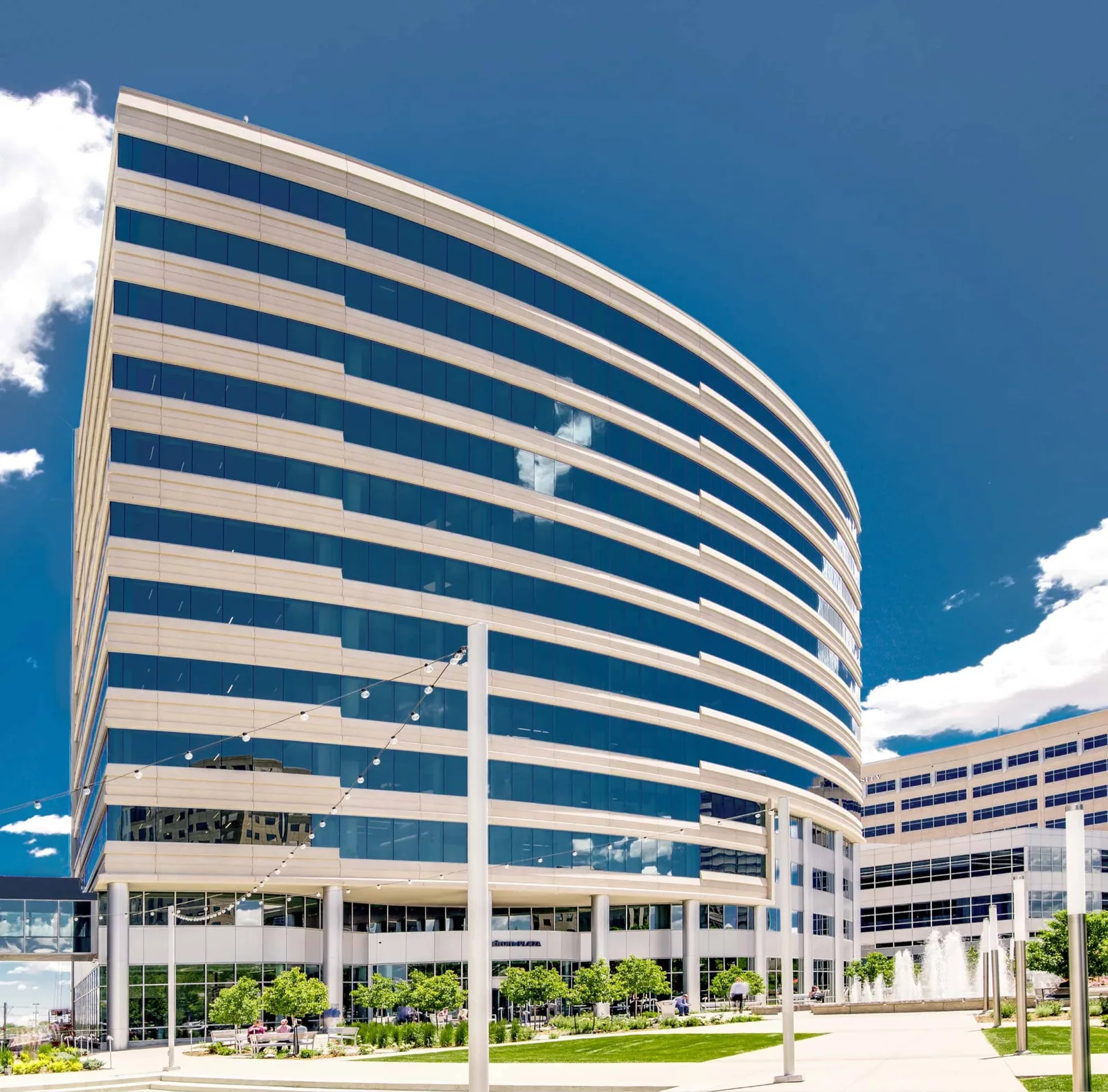
Office Building Roofing in Downey, CA
Office building roofing in Downey, CA: leak tracing, insulation checks, flashing repairs and tenant protection, priced so competing repair bids can be compared fairly.
Office roof repairs get expensive when bids describe different work. One Downey, CA proposal may include only the visible membrane defect. Another may include removal of damaged backing and adjoining flashing. Those prices cannot be compared until the difference is explained. We examine accessible roofing and describe the repair each finding supports. The owner can then weigh a local repair against wider reconstruction. Keep tenant preparation beside the construction cost. A smaller exterior quantity still needs a workable opening and closure.
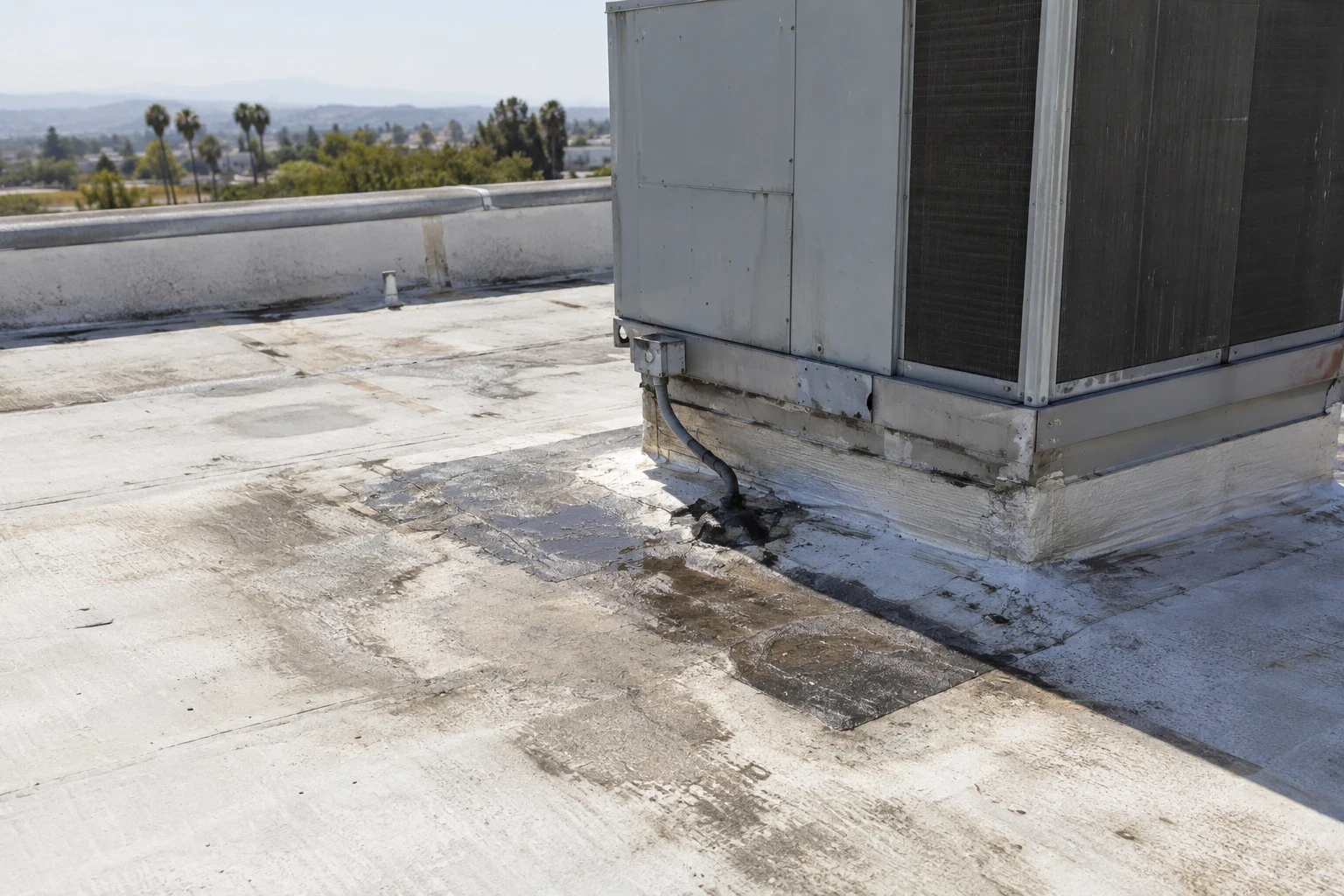
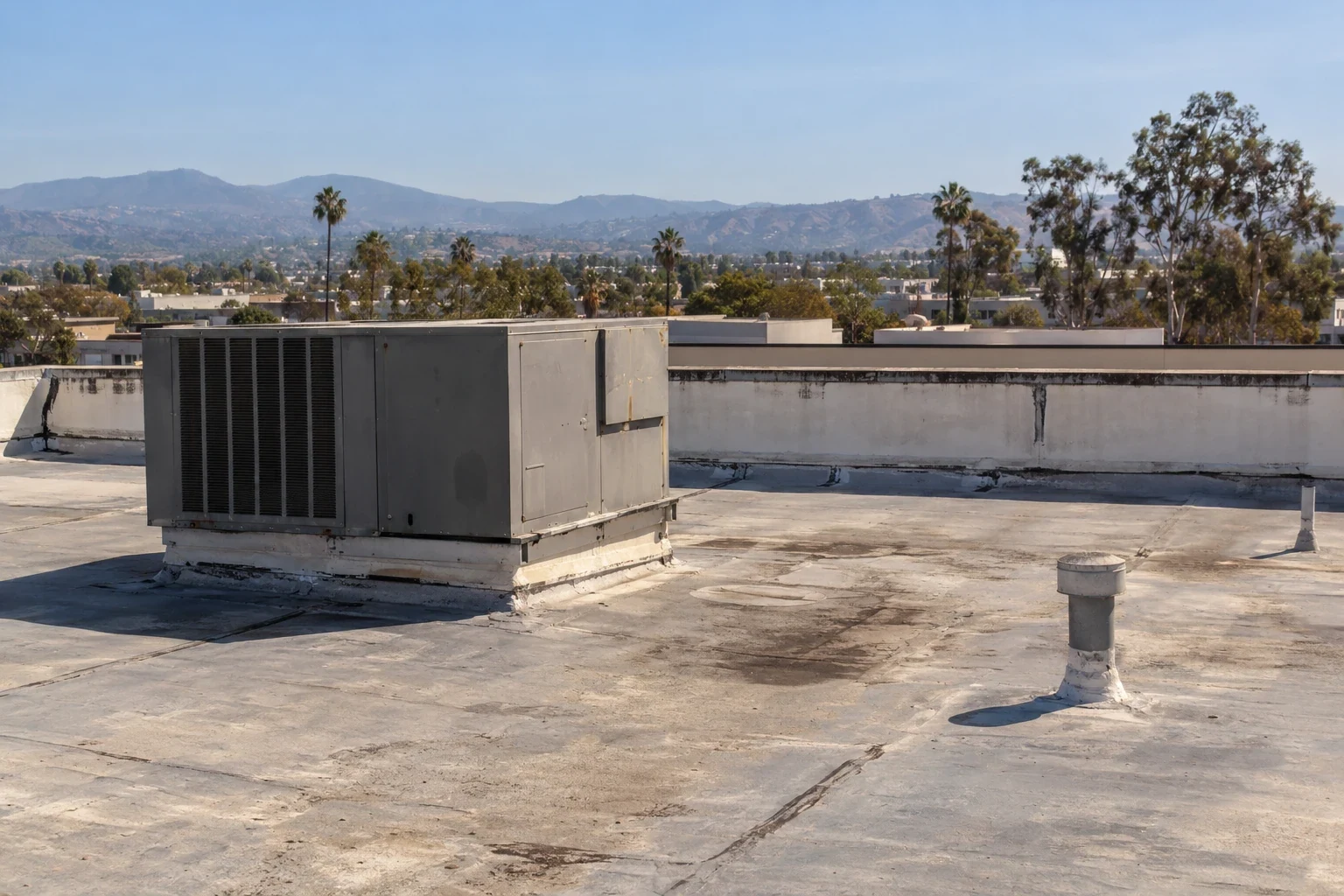
Office roof leaks often show first in tenant ceilings, conference rooms or lobbies. Locate the report and inspect the roof above it. Check drains, HVAC curbs, pipe penetrations, walls and roof edges. Water can move beneath the surface before it appears inside. Photograph the stain and roof detail, then identify whether insulation or cover board needs confirmation. The building manager should know which tenants need protection and how the crew will close the opening. Price the complete repair, including access, removal, membrane, flashing and interior protection. Keep separate floors and roof sections on their own findings.
Trace the stain back to a roof defect
An office ceiling stain does not show where water got in. Water can travel before appearing above a desk or corridor. Office roof leak tracing examines accessible connections related to the report. Tell us when moisture appeared and where it was observed. We compare that information with visible membrane, flashing and drainage conditions. A plumbing or HVAC problem may need its own contractor. Keep an unresolved cause identified instead of promising another roof patch. The repair budget should follow a defect that can be explained.
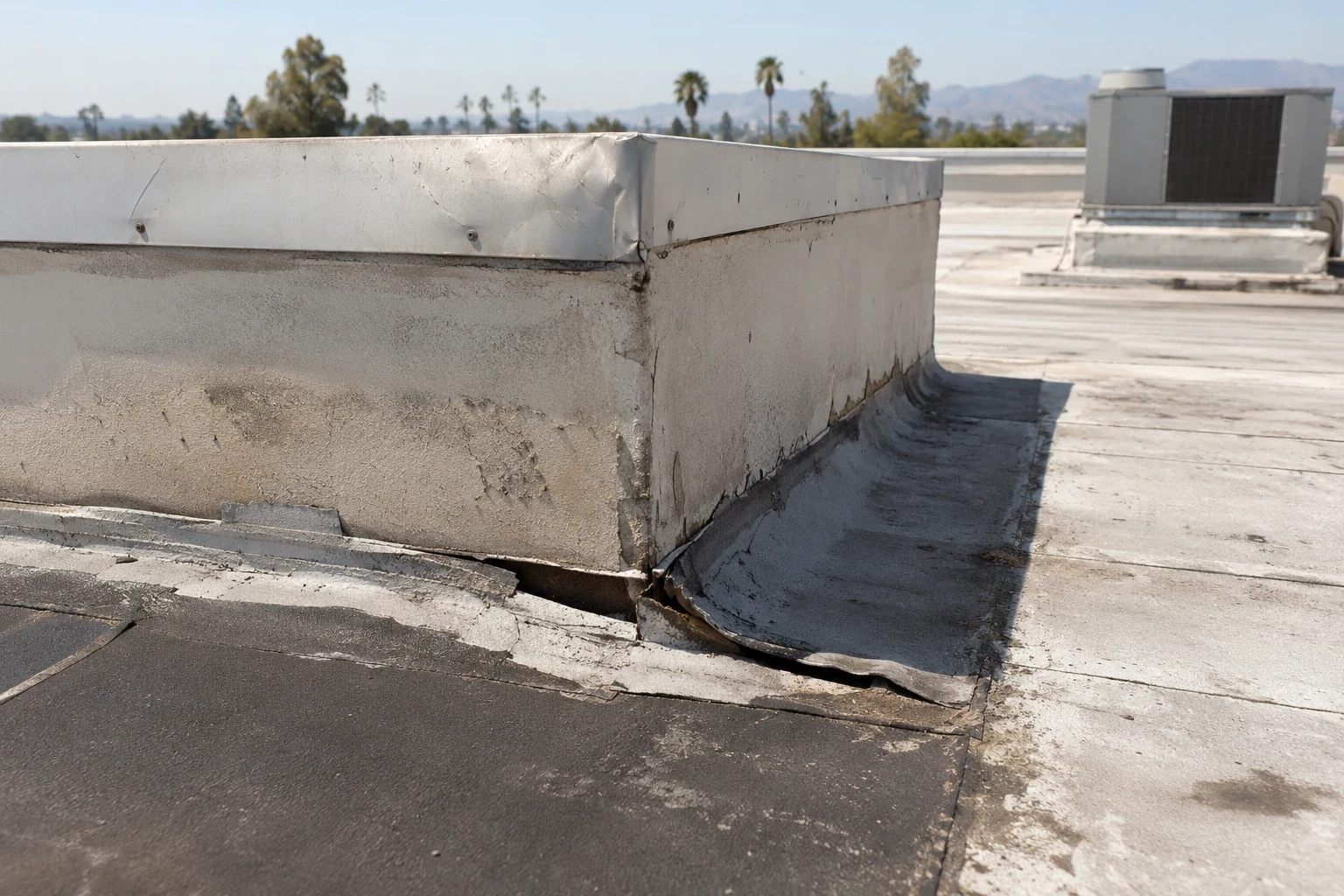
Where an open seam is found, inspect its surrounding material. A new seam needs clean, sound material on both sides. Dirty, brittle or damaged membrane may need to be cut out before the repair can bond. Simply spanning the visible gap can leave poor material beneath. We show how far the repair must extend to reach sound membrane. That boundary explains why an apparently small defect costs more. It also gives competing proposals a common scope to price.
Check the layers a repair would keep
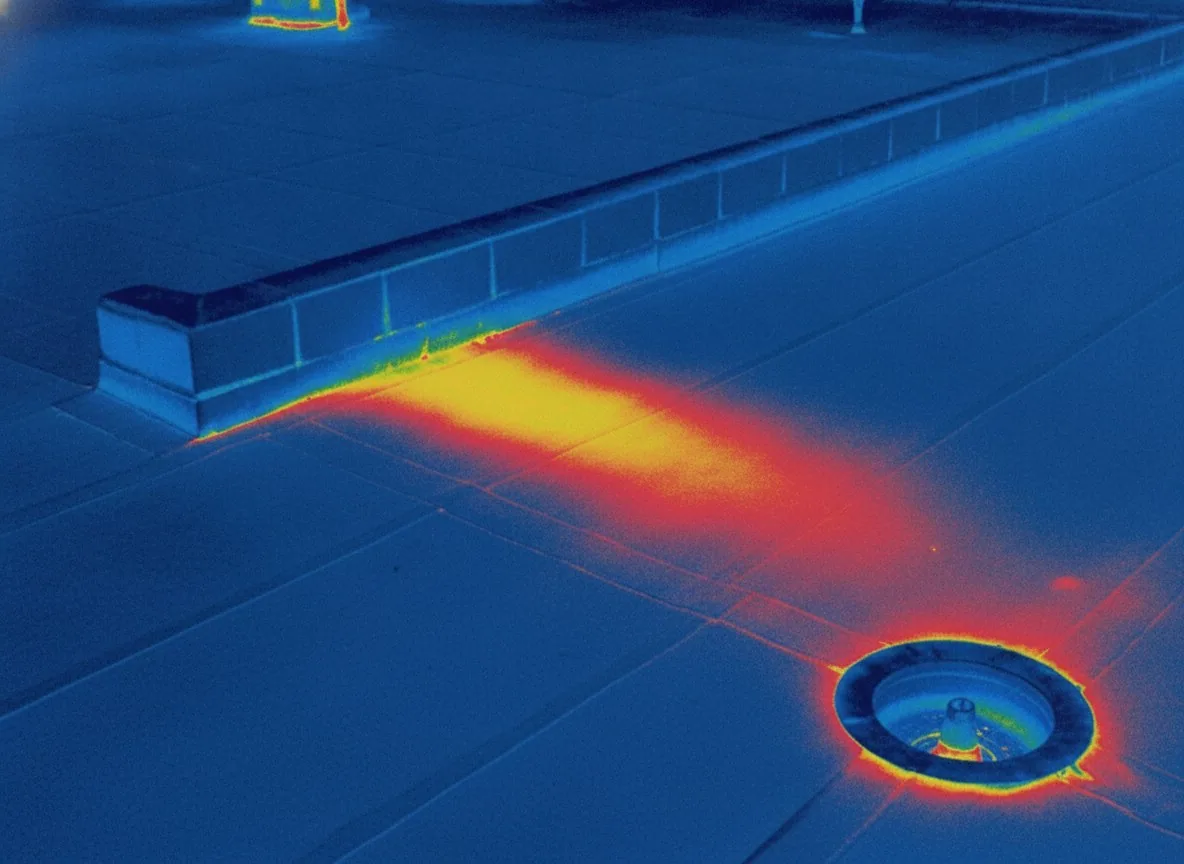
A neat roof surface can hide wet insulation. We review the roof records before recommending a repair that keeps the existing layers. Office roof moisture investigation can point to likely wet areas when conditions are right. We read the scan alongside the roof records and the weather at the time. A temperature difference alone cannot confirm every hidden layer is sound. Further investigation may be needed where retention controls the repair choice. Price restoration at those examination openings as part of the inquiry. Include protection for the rooms affected by that exposure.
Downey sits where I-5 and I-605 meet. Confirm the loading entrance and roof access with the property contact rather than infer them from the street grid. Put the tenant, room, roof section and repair window on one work order. That gives the crew a clear boundary and lets management notify the right occupants before removal starts.
When unsuitable backing is confirmed, identify the removal it requires. An isolated pocket may support a local reconstruction proposal. A wider unresolved condition can require more information before approval. We explain the finding, its limits and the resulting construction choice. The owner should know why more work is being proposed. New membrane cannot make wet insulation underneath sound. Resolve that question before treating retention as the cheaper complete option.
Arrange tenant protection before cutting the roof
An opening above occupied offices needs more than exterior labor. Office roof removal coordination identifies the work area and proposed handling. Review the rooms below, supply movement and debris removal route. The building manager arranges permission and tenant notices for affected spaces. HVAC and other equipment contractors handle systems that could get in the way of the work. Confirm the agreed protection before exposing those positions. Carry its labor and materials beside the roof quantity. Otherwise a low bid can leave a necessary preparation unpriced.
Discovery of additional damage may change that arrangement. More removal could expose a room outside the original work area. Stop and identify the changed protection and access requirements. Obtain the appropriate authorization before extending the opening. The price for the added roofing should include the added protection below. A temporary seal may protect an area while the permanent repair is scheduled. Record it as temporary work, with the permanent repair still outstanding.
Price the adjoining flashing and receiving surfaces
Field membrane work may stop at a wall or equipment curb. Those adjoining details can control whether the repair actually closes. Our flashing failure repair work checks the flashing terminations and the surfaces behind them. Deteriorated backing can require removal beyond the visible membrane split. We clarify whether a wall repair or equipment prep belongs to another contractor, who then provides a sound surface for the flashing. Include that work before comparing a field-only price with complete reconstruction. An unfinished edge is still work the owner must arrange.
Keep proposed changes to height or drainage relationships visible. They may need an engineer or the equipment contractor to weigh in before installation. The roofer does not decide how another contractor's equipment is serviced. We describe where the membrane will meet that work, and the right people handle their own requirements. Compare costs once that work has been identified. That gives the owner a practical basis for choosing the repair.
Keep the closeout list tied to finished work
Photographs should show the repaired connection and restored investigation positions. Record any concealed condition confirmed during removal before it is covered. Mark temporary repairs and unfinished adjoining work separately. A dry-looking roof does not mean every equipment issue is solved. The owner needs to know which construction is complete. That record makes the next approval less dependent on recollection. It also keeps a remaining wall or equipment task from being forgotten. Closeout should describe the actual work delivered at the office.
For office roof work near Lakewood, identify each tenant area below the repair. A medical-office roof assessment and apartment roof repair need different room protections, even when their membrane details look similar. Mark the roof section, leak report and finished connection on one plan. List any equipment preparation separately. The owner can compare a spot repair with a larger section only after the inspected material and access plan are clear.
Commercial Roofing Questions
What makes two office roof repair prices comparable?
Both need to cover the same tear-off area, backing repair, wall and curb flashing and patching of any test cuts, plus the tenant protection needed for the opening. Compare those complete scopes before choosing a price. A membrane-only quote may leave out work the other contractor included, so the apparent saving may not be real.
Can the roof inspection also authorize access to tenant rooms?
The owner or authorized representative arranges permission for the spaces affected. We describe the inspection or opening proposed so those arrangements can be reviewed. Roof access alone does not give permission to enter tenant spaces. Confirm both where the repair needs protection, observations or preparation below the exterior work.
When should hidden layers be tested before approving a repair that keeps them?
Whenever the repair depends on the existing insulation being dry and sound. We read scans alongside roof records and the conditions during testing, and confirm with core cuts. Test cuts are patched and rooms below are protected. Keeping the layers is approved based on those results, with any remaining uncertainty stated.
What should the completion record show after a local office repair?
It should show the finished membrane and flashing repairs, patched test cuts and anything found during tear-off. Temporary repairs and pending wall or equipment work are listed separately, so later budgets follow the work still needed instead of assuming a finished roof settled every concern.
Compare the complete office roof repair scope
Send us where the leaks are, the building address and any roof records you have, along with a contact for access. We will inspect the roof and price the investigation, the permanent repair and the tenant protection needed.