Standing Seam Metal Roofing in Downey, CA
Standing seam metal roof repair in Downey, CA: we identify the panel and clips, check seams and trim after wind, and price panel, clip and flashing work.
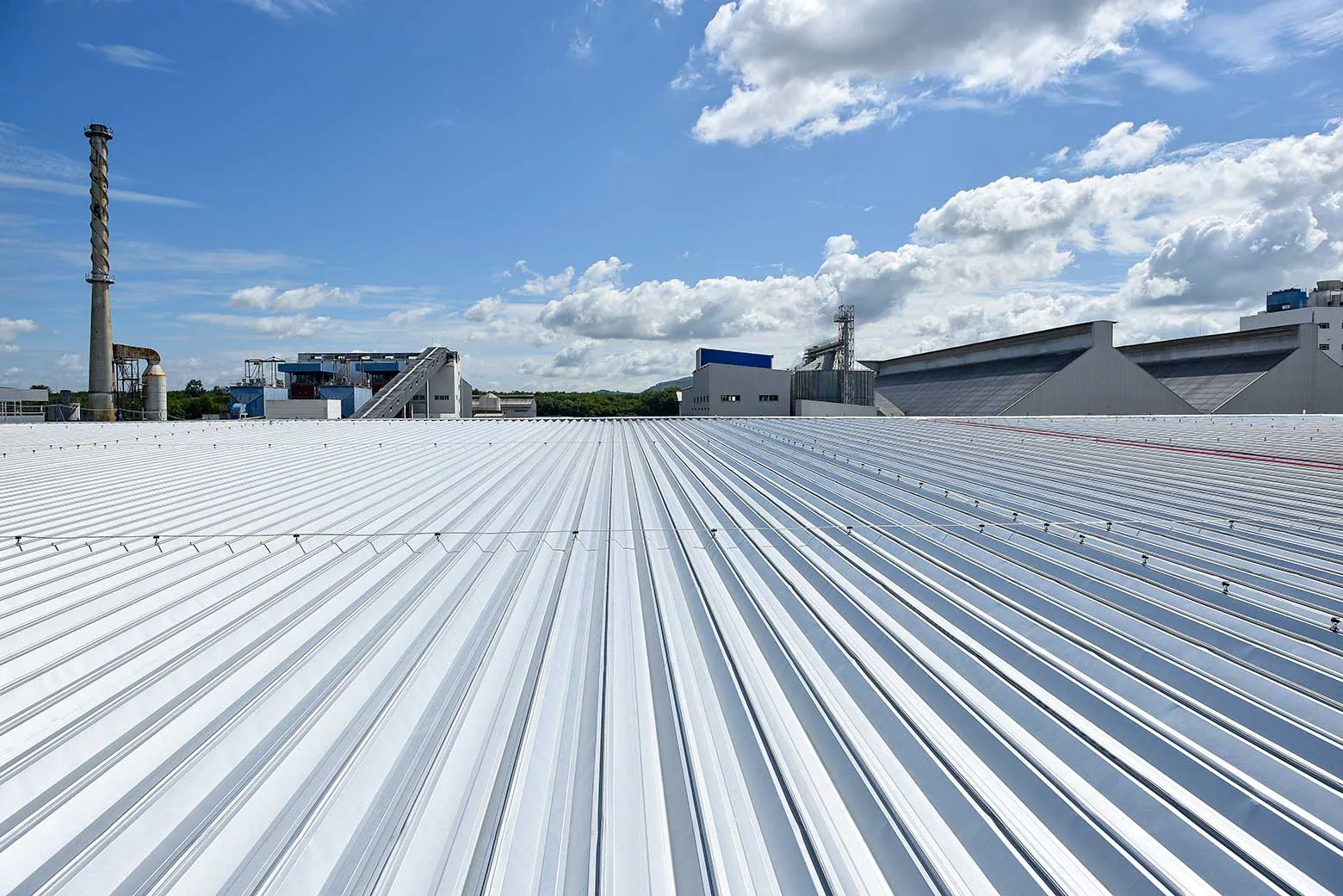
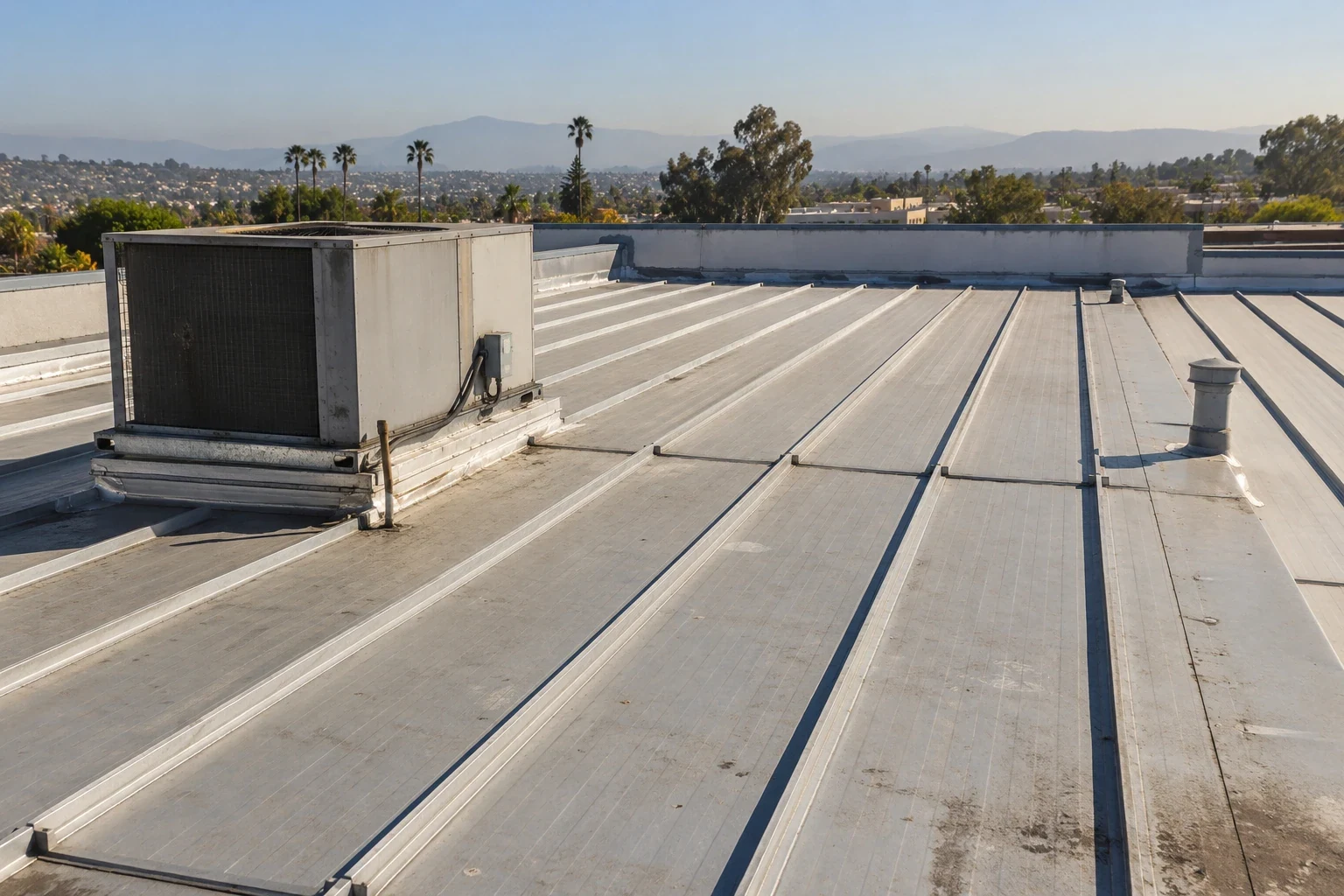
Standing seam metal roofing needs panel-specific repair. The raised seam does not reveal the clip, fastener or underlayment arrangement. MBCI, for example, offers concealed-fastener panels in both snap-lock and mechanically field-seamed versions, and they are not interchangeable. We identify the panel profile and how its seams were joined before ordering a replacement piece.
Downey’s sun and seasonal wind test exposed panels, edges and sealant. Santa Ana events can bring very dry air and strong gusts. After a leak or a wind event, we inspect seam closure, fasteners, clips and edge metal. A roof inspection that identifies the panel and the affected areas provides a sound basis for repair pricing.
Identify the panel and connection method
Compare the installed panels with drawings, product labels and prior repair records. Measure the panel width, seam profile, finish and damaged length. Check whether the roof uses snap-lock or field-seamed connections. Do not assume two raised-seam roofs use the same clips or closure. If the product cannot be verified, make identification part of the first visit.
Look for dented pans, open seams, loose clips, rust at cut edges or movement around penetrations. Determine whether damage reaches only the panel or also the underlayment and deck. Mark each affected run on a roof plan. A metal retrofit using retained panels needs the same inspection; another layer cannot correct a panel or attachment that has already failed.
Look beneath an accessible edge where the assembly permits. Check underlayment condition, exposed fasteners and evidence of water tracking. Do not lift a panel solely to satisfy curiosity; opening can change the repair and needs owner approval. If concealed material affects the scope, describe a targeted test opening with safe temporary closure.
Check the direction of water flow and every seam crossing the reported interior stain. Wind-driven rain can enter at a termination and travel beneath panels. The location where water drips may sit away from the opening. Photograph the roof-side evidence and keep each suspected path separate until the inspection connects them.
Review attachment without restricting the panel unintentionally
Standing seam panels move as temperatures change. Some snap-lock panels use clips that allow thermal movement. Confirm the installed panel system and its clip details before tightening, replacing or adding fasteners. A repair that locks a moving panel in place can shift stress to another connection. Follow the requirements for the actual product and existing roof.
Inspect screws, clips and supporting members around the damaged panel. Replace a loose or corroded fastener only after checking the hole and substrate. If a clip or deck needs work, measure that correction separately from panel replacement. Obtain appropriate structural review if the proposed change alters support or load transfer.
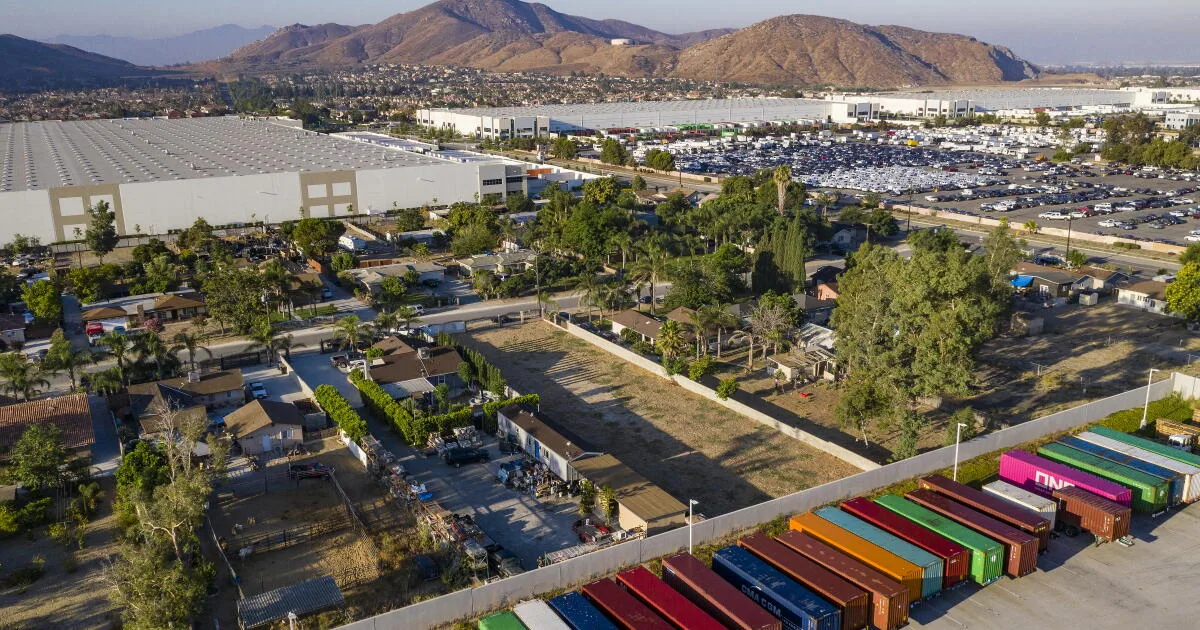
After Santa Ana winds or another strong-weather event, inspect the roof edge and panel terminations. Look for lifted trim, displaced closures, open sealant and newly visible fasteners. Buildings along the I-5, I-605, I-105 and I-710 corridors around Downey often sit in open lots with little wind shelter, so edge metal and panel ends deserve a close look after high winds.
Define penetrations and adjoining material boundaries
Penetrations interrupt the panel run and need a complete flashing detail. Check pipe boots, equipment curbs, skylights and wall transitions on every side. The metal should drain around the opening without a pocket that holds water. Identify cut panel edges, closures and counterflashing that need repair. A bead of sealant over an open seam is not a complete panel correction.
At a valley or eave, inspect closures that keep water and debris from reaching the panel interior. Replace missing or damaged closures with components suited to the product. Check that the new termination sheds water outward. Keep trim, sealant and panel work together at that boundary rather than leave the edge as an excluded line item.
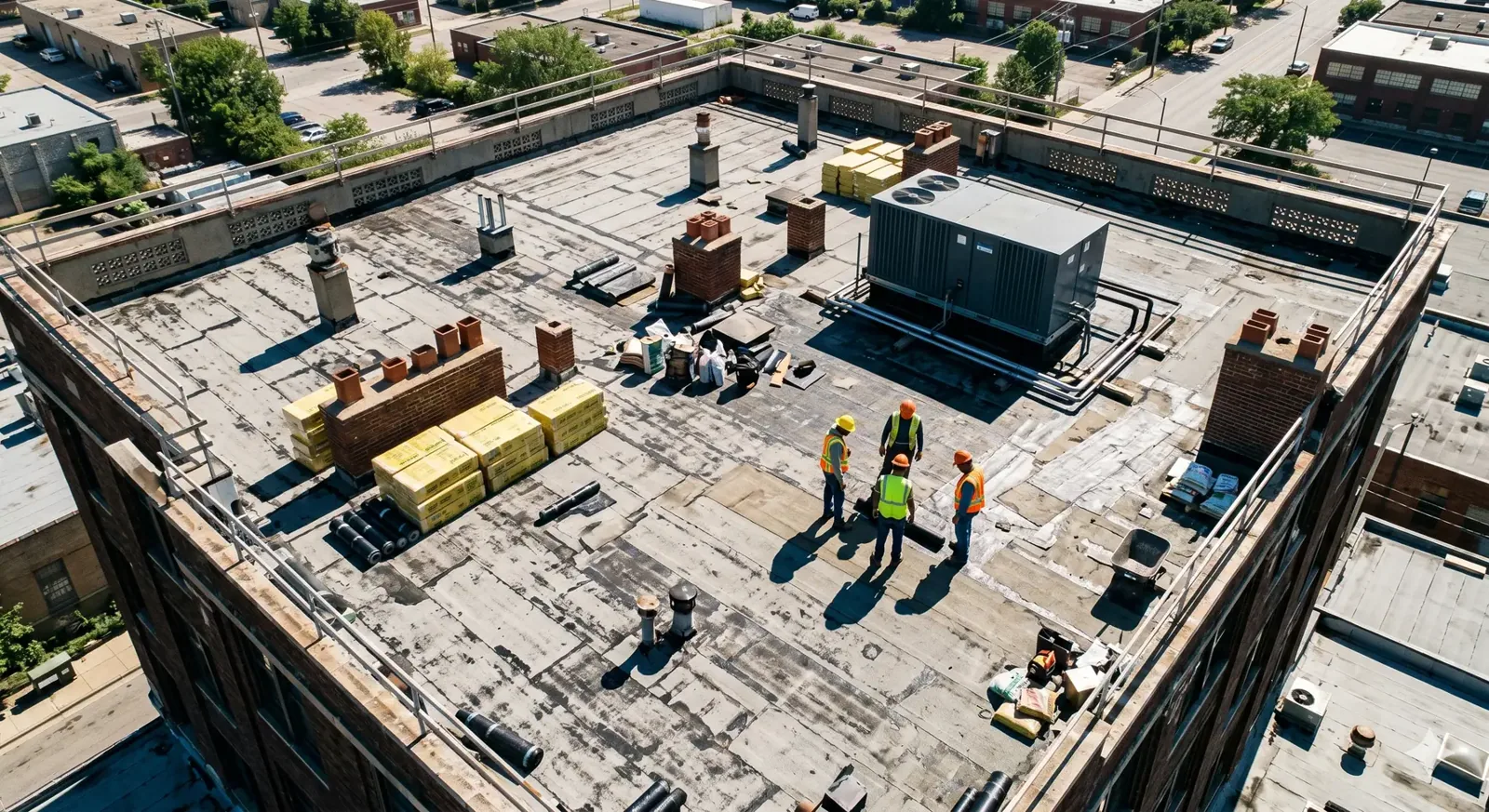
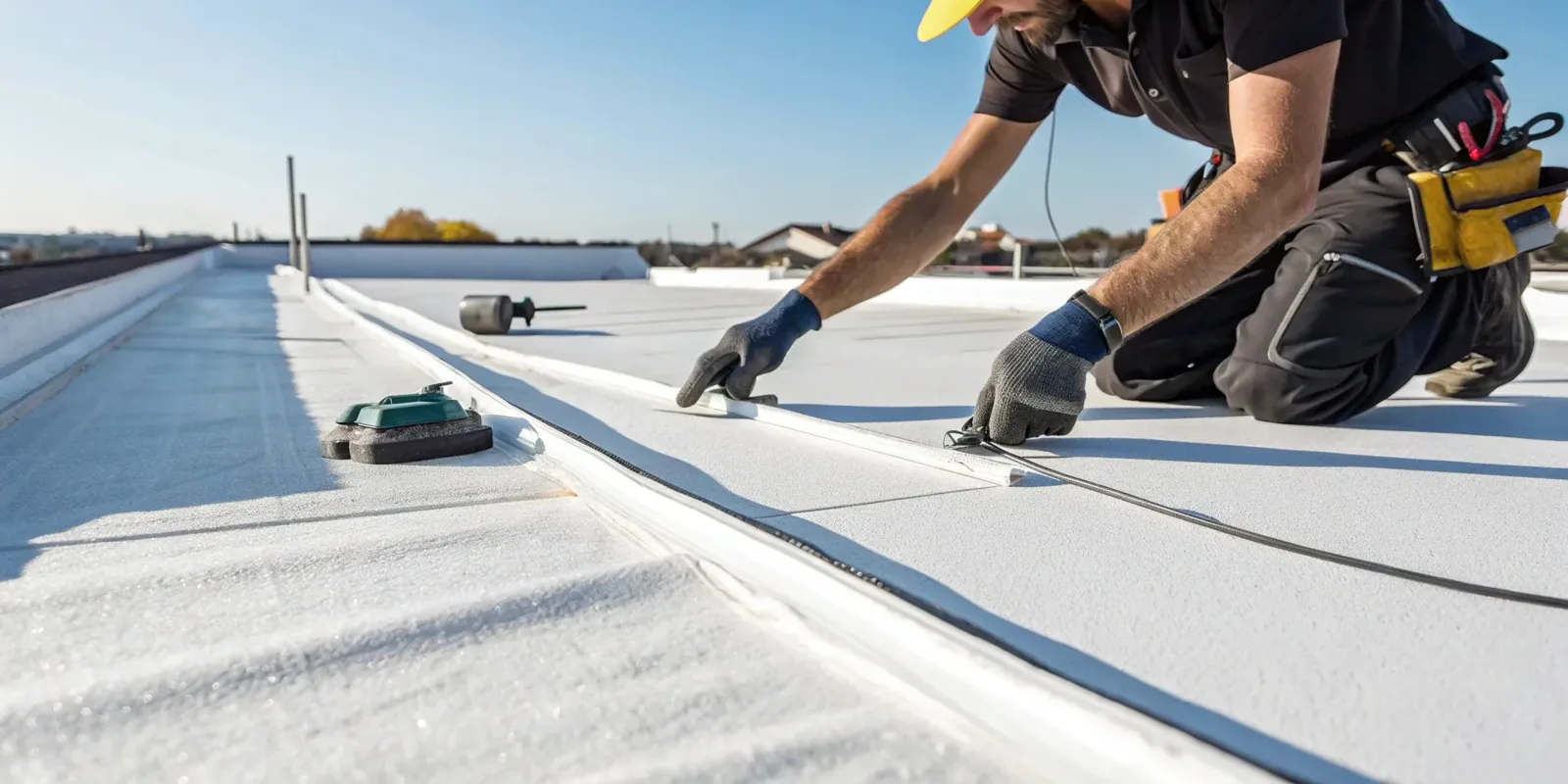
If the metal roof meets a low-slope membrane, use separate details for both systems. A TPO-to-metal transition needs compatible edge metal and a supported termination. Keep material requirements and responsible installers clear on each side.
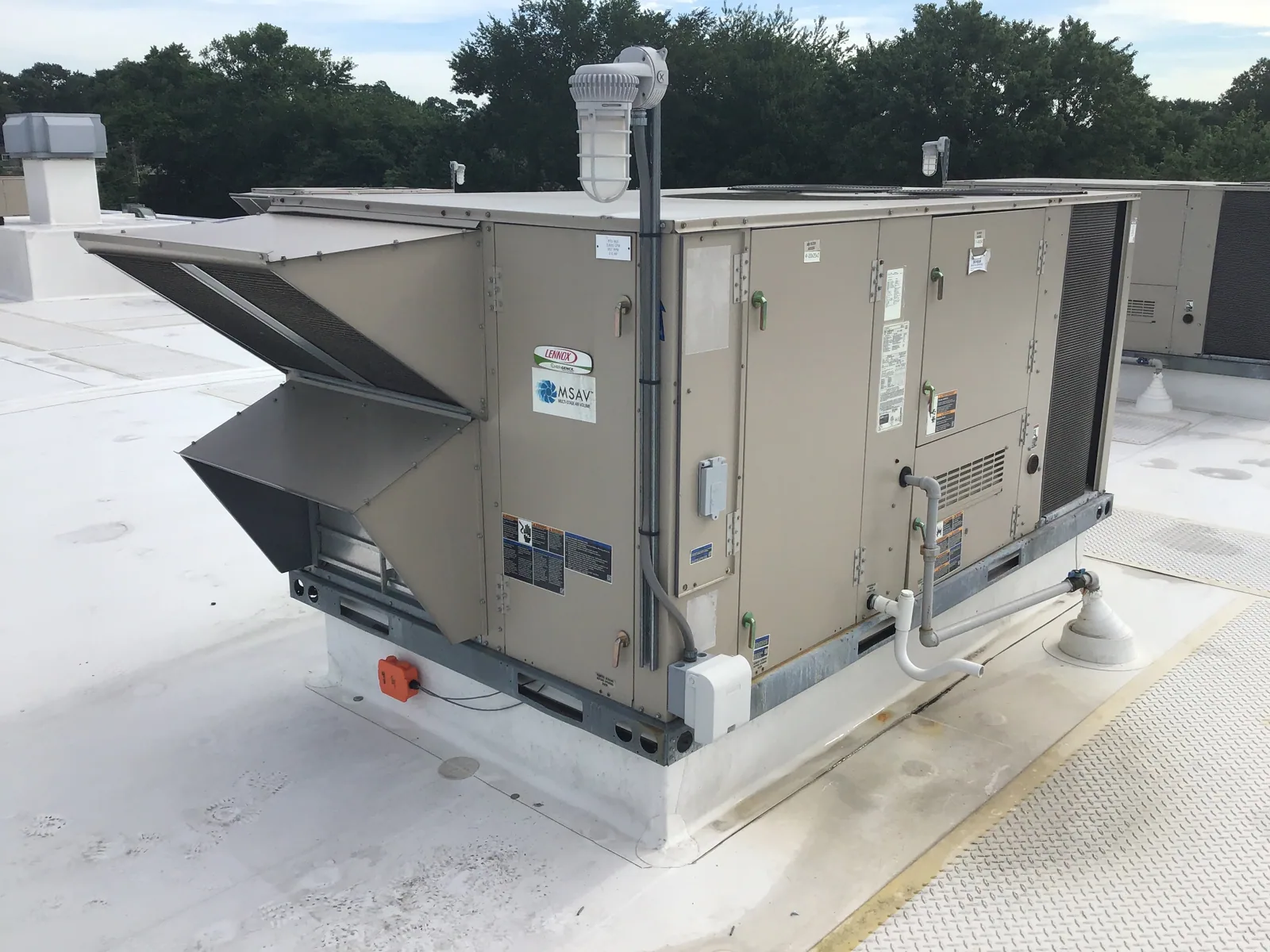
Where a curb blocks access, a repair at an equipment curb may depend on operator preparation. Coordinate the unit before removing metal or flashing. The repair price should show which party prepares the equipment, who restores the panel and how the connection will be inspected before closure.
Plan panel handling and work periods
Plan panel replacement around the roof layout and the building below. Long panels may require a clear lift path and enough room to stage material. Confirm handling limits, work hours and protection needs with the property contact. A metal roof plan for an occupied building should identify exposed sections and the closure point for each stage.
Compare a short panel repair with replacing the full damaged run. A localized fix can preserve sound panels, but it still needs a durable joint at each end. A longer replacement may reduce added seams while requiring more handling and interior protection. Include clips, underlayment, closures, trim and flashing in the comparison. Do not compare only sheet-metal square footage.
For standing seam projects in Commerce, confirm truck entry, roof access, lift location and affected operations with the property contact before ordering panels.
Document repaired panels and open items
Closeout should identify the panel product, repaired runs, clips or fasteners changed and finished terminations. Photograph seams and penetrations before covering their connections. Note support or underlayment replaced and any areas left for structural review. The manager can compare the finished roof with the approved work order.
Keep the product and repair record with the roof plan. If another leak appears, use the repaired panel location to inspect adjacent seams and transitions. Do not assume that a new stain comes from the same defect. A current roof walk should establish the next repair boundary.
After installation, walk the repaired run with the work order. Confirm panel alignment, fasteners, seam closure, edge metal and penetrations included in the scope. Photograph any concealed work before it is closed. If a component was not part of the repair, keep it on a separate list instead of marking the full roof complete.
For seasonal maintenance, check exposed seams, edge metal, fasteners and sealant. Clean debris from valleys and drain points where the roof design carries water. Record panel changes after equipment work or roof access. That gives the owner an early repair list before small connection issues become larger removal decisions.
At each panel transition, document the seam direction, clips or exposed fasteners, end conditions and penetrations. Compare those observations across the approved repair area before selecting a connection detail; a nearby panel can look similar while ending at a different curb or wall condition. Keep any replacement metal, sealant and closure pieces tied to that transition in the work record.
Commercial Roofing Questions
What should be identified before repairing a standing seam roof?
Confirm the panel profile, seam method, clips or fasteners, finish and damage length. Review drawings or product labels against the installed roof. Keep uncertain attachment or support details open for examination.
Can a metal roof leak far from the visible stain?
Yes. Water can travel beneath panels from a seam, termination or penetration. Compare the interior report with roof details above and along the drainage path. Mark each observed opening before setting removal limits.
Should loose standing seam fasteners simply be tightened?
First inspect the panel system, hole, clip and supporting material. A panel may need movement at its connection. Repair the fastener only through the product detail and substrate that are actually present.
What belongs in a standing seam repair quote?
Show damaged panel runs, removal, clips or support, underlayment, closures, trim and flashing. Include lift access and protection. Compare a short repair with a full panel run using the same finished details.
Get a standing seam repair estimate
Have a leaking or wind-damaged standing seam roof in Downey? Send us the affected areas and any panel information, and we will identify the system and price the repair.