Built-Up Roofing in Downey, CA
Built-up roofing in Downey, CA: we identify the plies and surfacing, find blisters and wet layers, and price repair, coating or recover on what is really there.
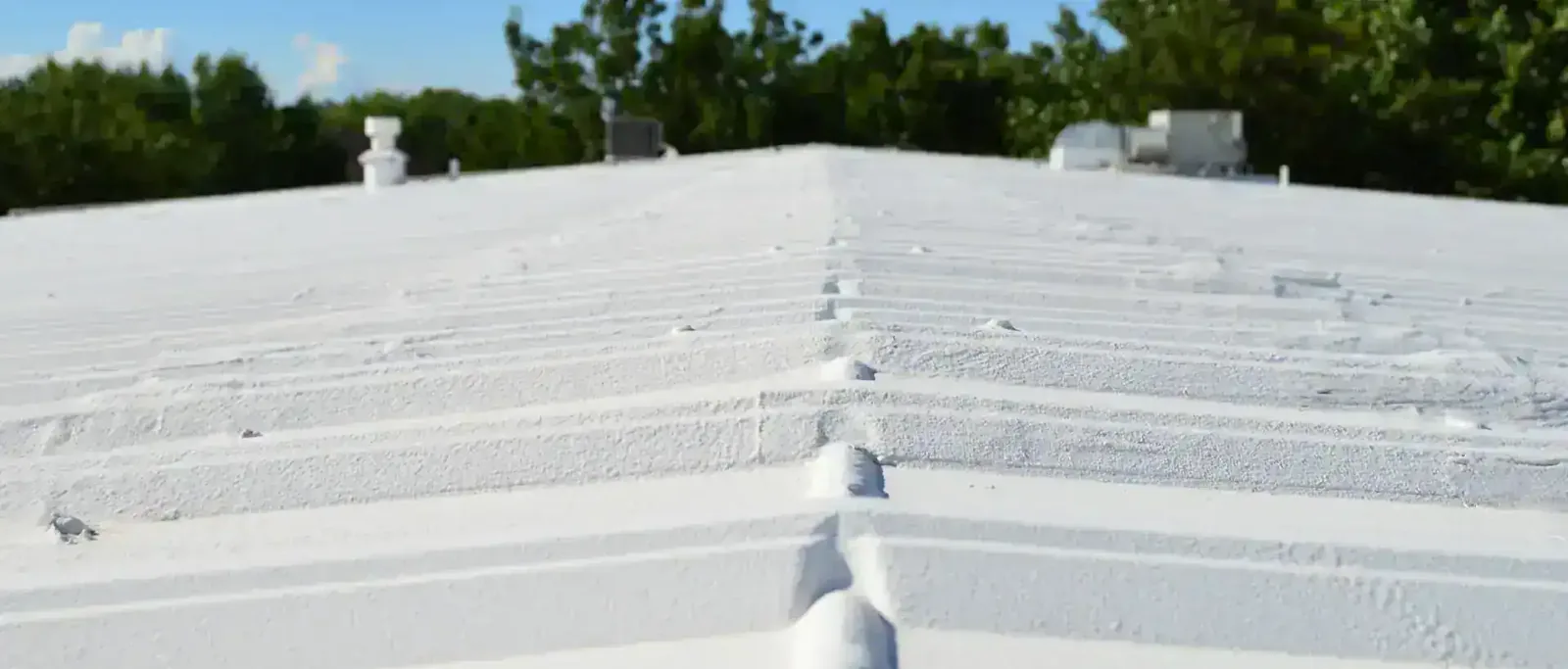
Built-up roofing is a layered asphalt system, not a single sheet. Repair depends on the surfacing, plies and layers beneath it. GAF describes the system as reinforcing felt and asphalt layers with a protective cap or aggregate surface. A roof walk should identify what is installed before pricing a patch, coating or recover.
Downey gets long dry periods before rain concentrates in the cooler months. Heat ages exposed asphalt and seals; winter water tests seams, drains and walls. Check blisters, open laps, loose aggregate, ponding and penetrations before deciding how much of the roof can remain. A familiar roof type does not prove its current condition.
Examine the layers within the proposed work
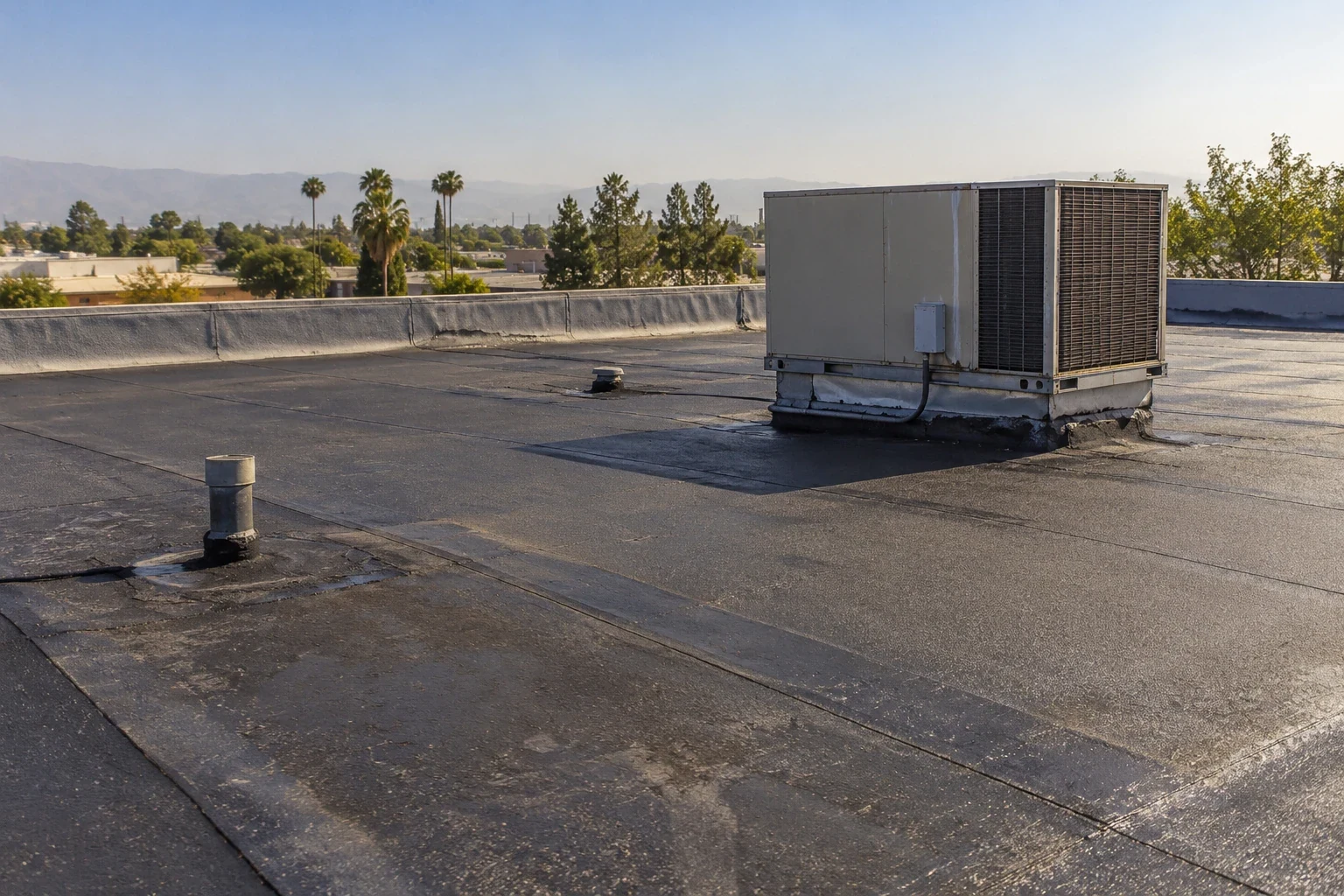
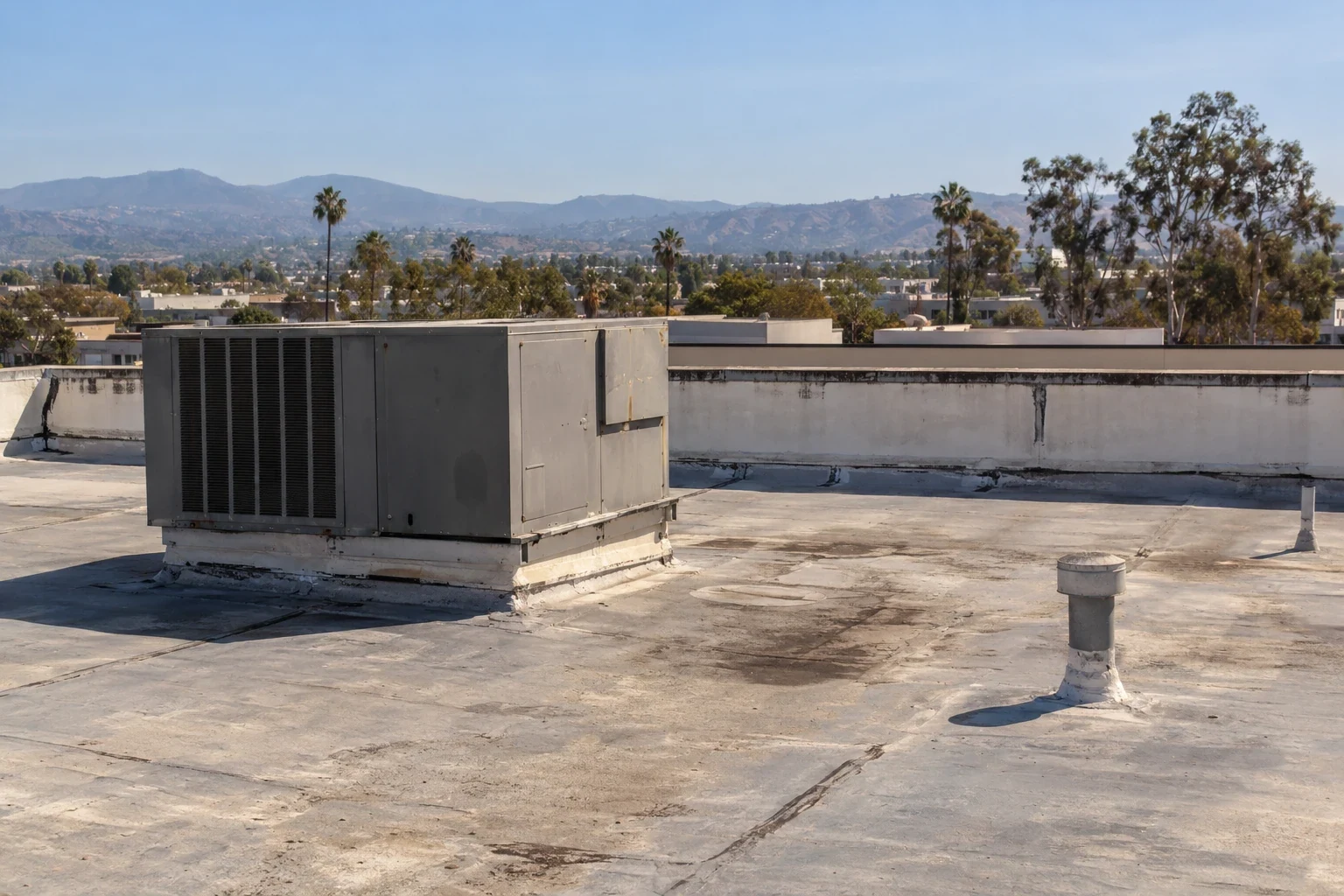
We start by identifying the surface. Some built-up roofs have gravel surfacing; others use a smooth cap sheet or coating. We look for displaced gravel, exposed asphalt, cracking, blisters and earlier patches, check for ponding at drains and low points, and photograph each defect before moving surfacing or applying new material.
A roof inspection should mark every repair area, including seams, walls, drains, curbs and changes in elevation, and note where access stops. A modified bitumen cap sheet over an existing roof may be present, but the material below it still needs identification before repair methods are selected.
A blister is not a simple puncture. We check whether it contains trapped air or moisture and whether surrounding plies remain attached. The right correction depends on the cause and the condition of the nearby layers. Keep each finding separate until the inspection shows a common failure.
Price removal to sound construction
Water can enter through a split seam, open edge, failed flashing or worn surface. Trace the leak from the interior report to the roof detail above it. Water may travel before it drips. Examine the deck direction, low points, wall lines and penetrations along that path. The visible stain narrows the search but does not define the removal area.
When a patch is appropriate, remove loose or unsound material until the repair reaches a firm boundary. Prepare the surface and rebuild the asphaltic layers required for the repair. Reinforce corners and transitions where the selected method calls for it. A patch placed over loose aggregate or a wet layer will not correct the underlying defect.
For a repair with soft insulation below the roof, confirm the affected area before removal. Mark the opening, photograph each layer and replace unsuitable material. Keep the new membrane connection tied into sound roofing. An insulation and cover board replacement should show removal depth and rebuilt surface, not just a surface patch allowance.
Define surfacing and permanent connections together
Price removal and rebuilding separately from surfacing. Identify the plies and support the crew can verify. If the deck or substrate is concealed, list the examination needed before assuming it is suitable. New insulation changes the roof height and may affect drains, walls and penetrations. Check those details before choosing board thickness or setting metal heights.
Keep retained layers only when their condition and compatibility support the proposed assembly. Note where the crew inspected and where material remains unconfirmed. If opening reveals additional deterioration, stop at a protected point. Photograph the finding, measure the added work and price the change before the crew covers it.
A recover adds material above the existing roof, so it changes the assembly height. Check drains, equipment curbs, skylights and parapet edges for available clearance. The inspection should identify details that need rebuilding to accept the new height. Do not compare a recover price with replacement until both options include those transitions.
When comparing repair with replacement, price the same roof area and permanent details. A targeted repair costs less only if the remaining roof condition supports retention. A broad removal allowance should identify its evidence, not spread one test result across unexamined sections. Ask what the bid includes at walls, drains, penetrations and edges.
A coating over built-up roofing is another assembly decision. The substrate must be suitable for the selected product. Repair blisters, seams and wet material first. Do not use a coating to hide unresolved drainage or support issues. The proposal should explain surface preparation, repairs, coverage and permanent details together.
Plan prep, access and the order of work
Check roof drains and scuppers before setting a repair boundary. The drain connection and surrounding membrane must both shed water. Look for loose clamping rings, open asphalt and cracks at the scupper corners. Clear accessible debris and record standing water. A slow drain may need cleaning; a failed membrane connection needs a permanent repair.
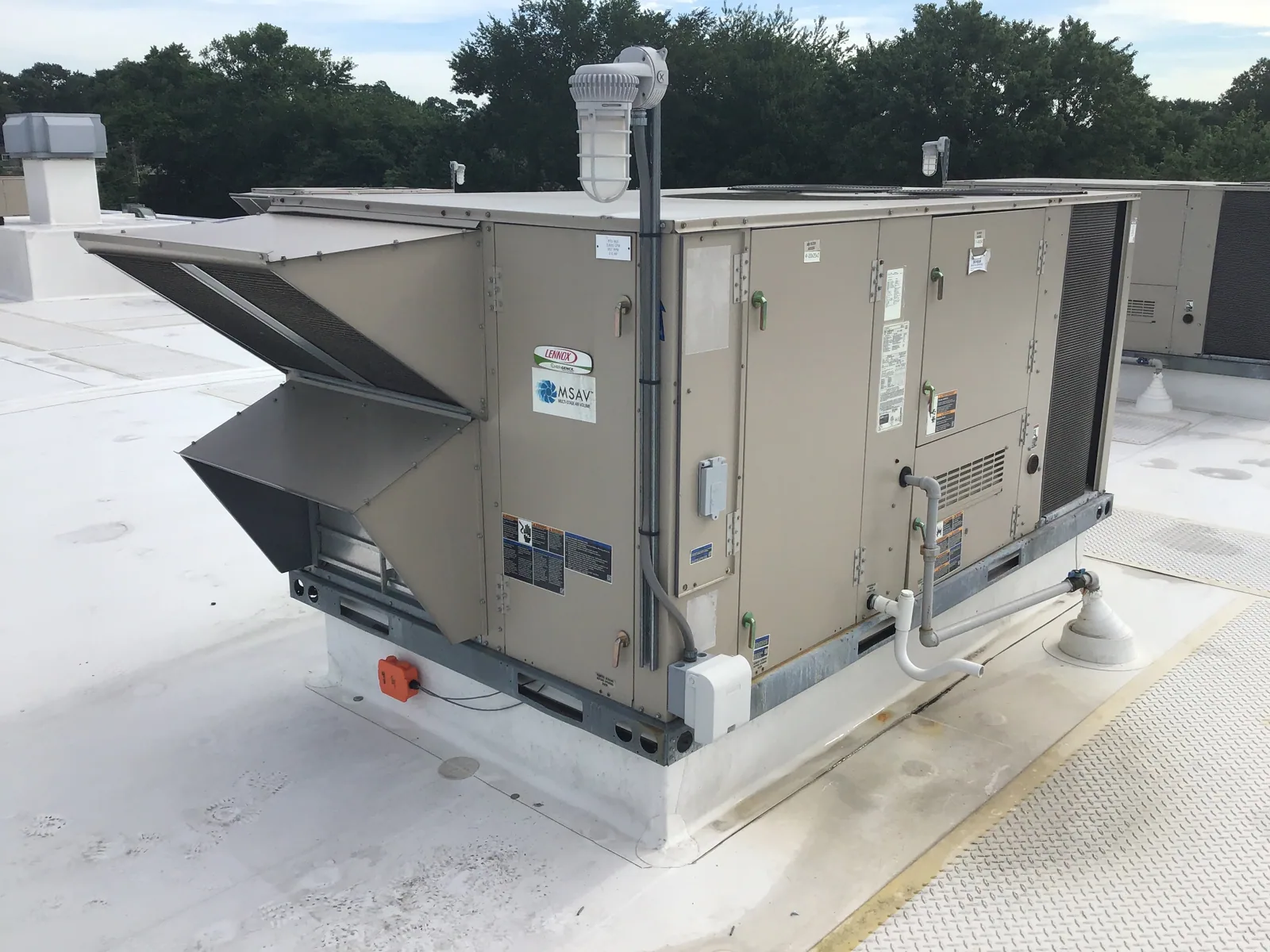
At equipment curbs, inspect all sides and the adjoining wall or metal. A equipment curb repair should state what the equipment operator must prepare. Do not assume a roofing crew can move a unit. Include backing or blocking only when inspection identifies a repair need.
I-5 and I-605 meet in Downey, and both serve the industrial properties north and south of the city. We confirm delivery access, roof loading and debris routes with the site contact before ordering asphalt, gravel or insulation, since each property controls its own truck entrance and staging.
For an occupied property, stage the work so each opened section can close securely. A reroof plan for an occupied building should show daily stopping points, interior protection and material handling. Smaller areas can repeat setup. Larger areas expose more construction at once. Compare the full cost and protection needs of each option.
Keep the layer findings with the finished repairs
Closeout should show the roof surface, layers removed or retained and details rebuilt. Keep photographs before covering seams, drains and flashing. Identify the product and surfacing installed. Mark any area that the crew could not inspect or left for another trade. The owner should not have to infer whether a blister or drain was repaired from one wide roof photo.
For built-up roof work in Santa Fe Springs, we identify the building and roof section on every record, inspect each roof's surface and exposed layers before estimating removal, and tie each finding to the section where the crew found it. Future repair recommendations are kept separate from work already completed.
A useful maintenance list names the next action, location and timing reason. That may be a drain cleanout, a seam repair, or a separate opening to confirm concealed layers. The owner can approve a short repair before it grows into broader work. The next inspection can compare the same locations and track whether the roof changed.
Commercial Roofing Questions
How can I identify a built-up roof before repair?
Review records and inspect the surface, seams and exposed edges. Note whether the roof has aggregate, smooth surfacing, a cap sheet or an older coating. Confirm concealed layers where the repair depends on them.
Can a roof coating fix a blister or wet layer?
Not by itself. Identify the blister cause and confirm whether surrounding layers are dry and attached. Repair unsuitable material and prepare the surface before applying a coating approved for that substrate.
What should a built-up repair quote include?
Show the repair boundary, surfacing removal, layers rebuilt, surface preparation and permanent tie-in. Include affected drains, walls and curbs. Separate concealed conditions that need confirmation from verified quantities.
What should I keep after the work?
Save photos of opened layers, repairs and finished details. Record materials installed and roof areas completed. List inaccessible sections and work left for another trade separately.
Get a built-up roof estimate
Have a built-up roof in Downey that is blistering, ponding or leaking? Send us the roof areas and any records, and we will check the layers and give you a clear repair estimate.