Heat and UV Roof Damage Repair in Downey, CA
Heat and UV roof damage repair in Downey, CA: we inspect sun-worn membranes and coatings and tell you honestly whether repair, restoration or replacement makes sense.
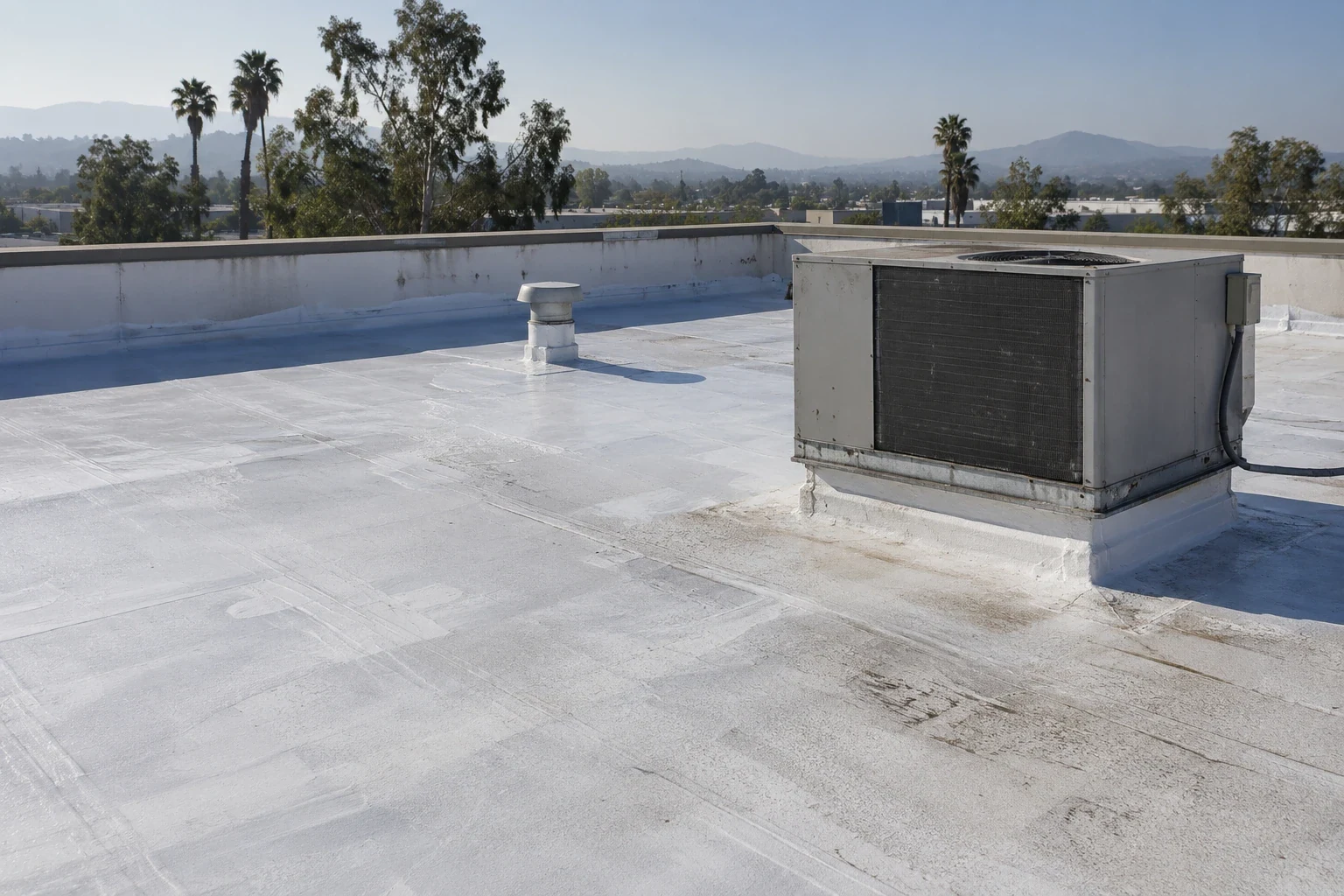
A roof that looks chalky or faded in the Downey sun does not automatically need a coating. Before you pay for one, the membrane underneath has to be checked to see whether it is still sound enough to keep. We inspect the roof, look for cracking, shrinkage and open seams, and explain whether it needs cleaning and repair, a coating, or replacement. Looks alone cannot tell you how much life a roof has left.
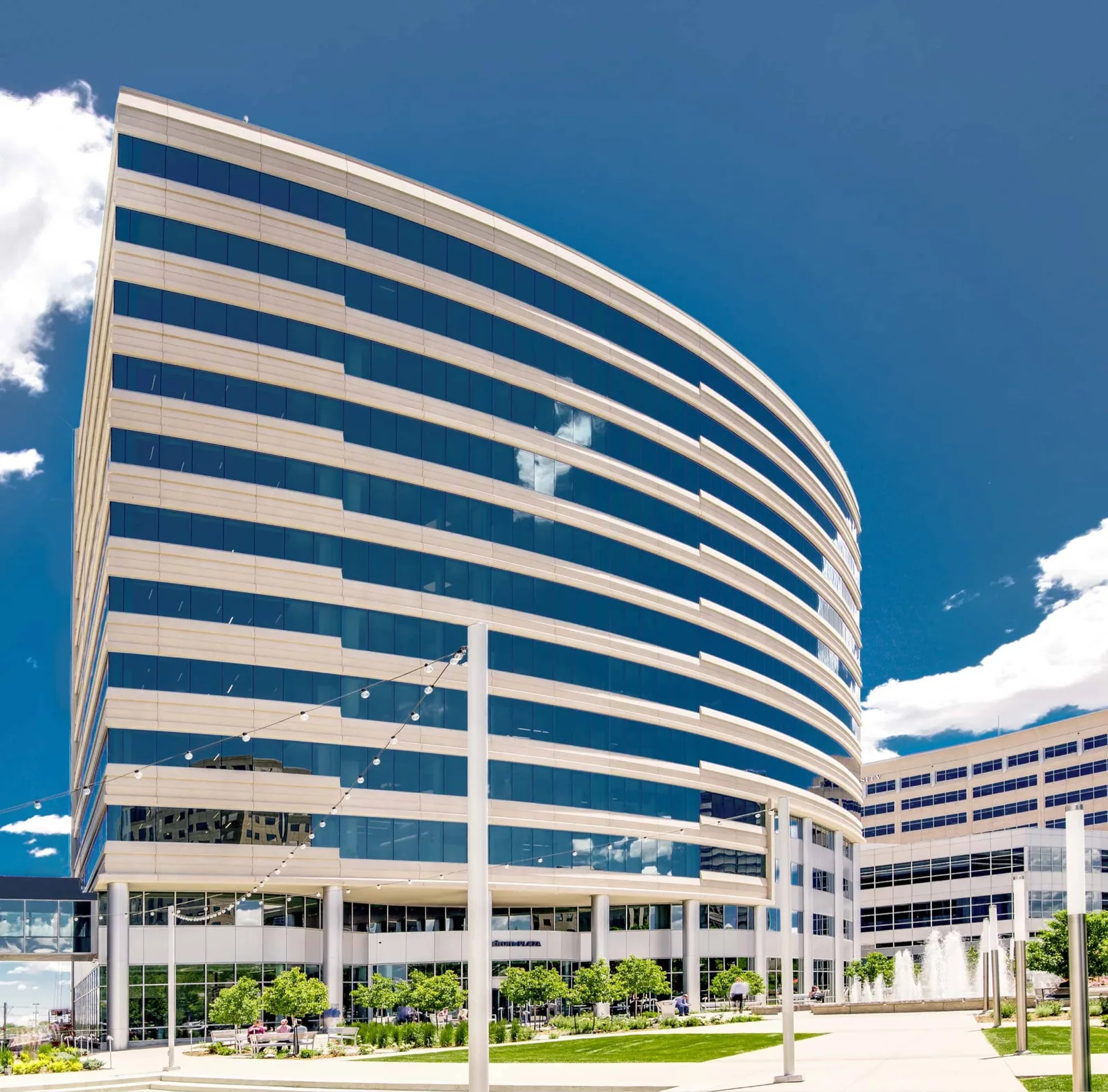
Heat and ultraviolet exposure can age exposed membranes, coatings and sealants, but the repair should follow the wear we actually find. We inspect for brittleness, surface cracking, open seams and failed terminations, then identify whether cleaning, local repair or a broader restoration is appropriate. An office building roof assessment records the actual membrane and the affected sections. The proposal separates real defects from material that still has life in it, so the owner can compare repair with replacement based on the roof itself. Long, hot, dry summers in inland communities along the I-105 corridor are hard on exposed roofing, but the condition of your membrane is what decides the repair.
Find out what is causing the wear
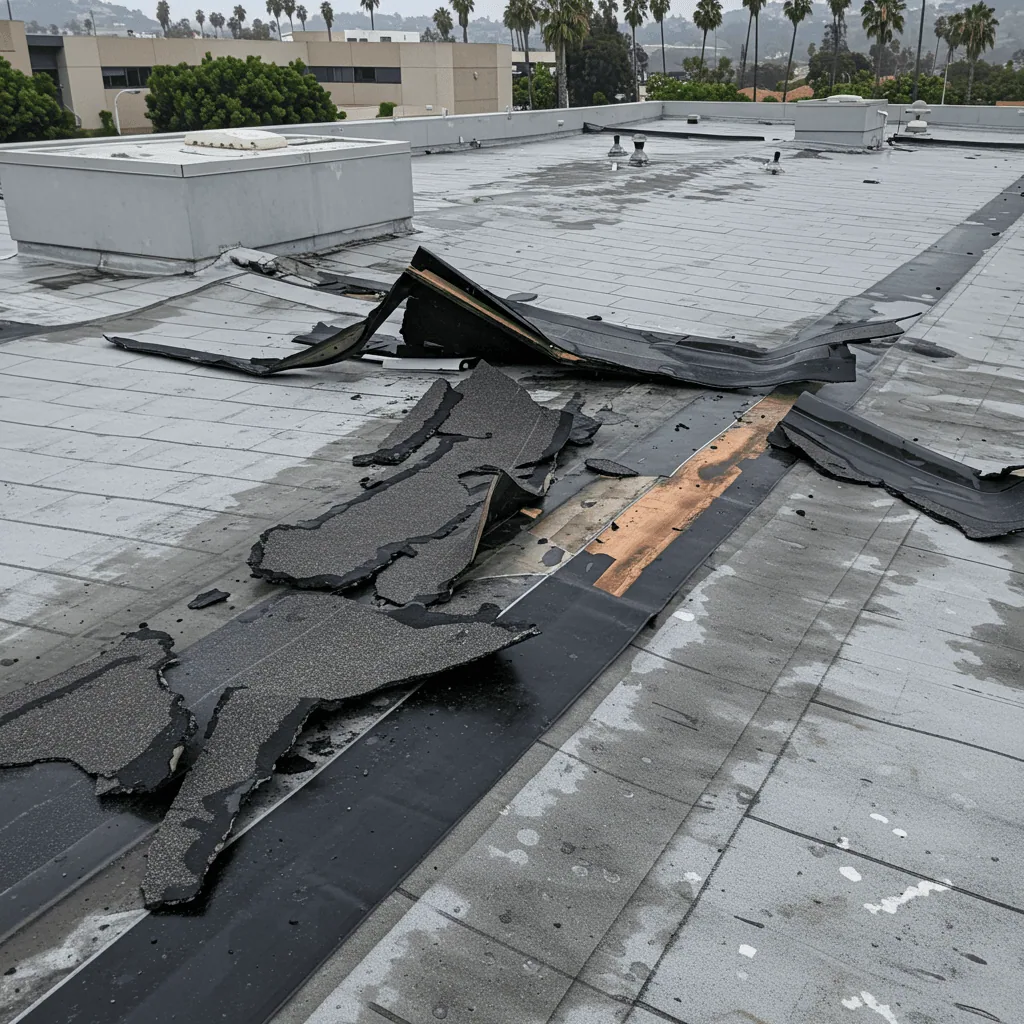
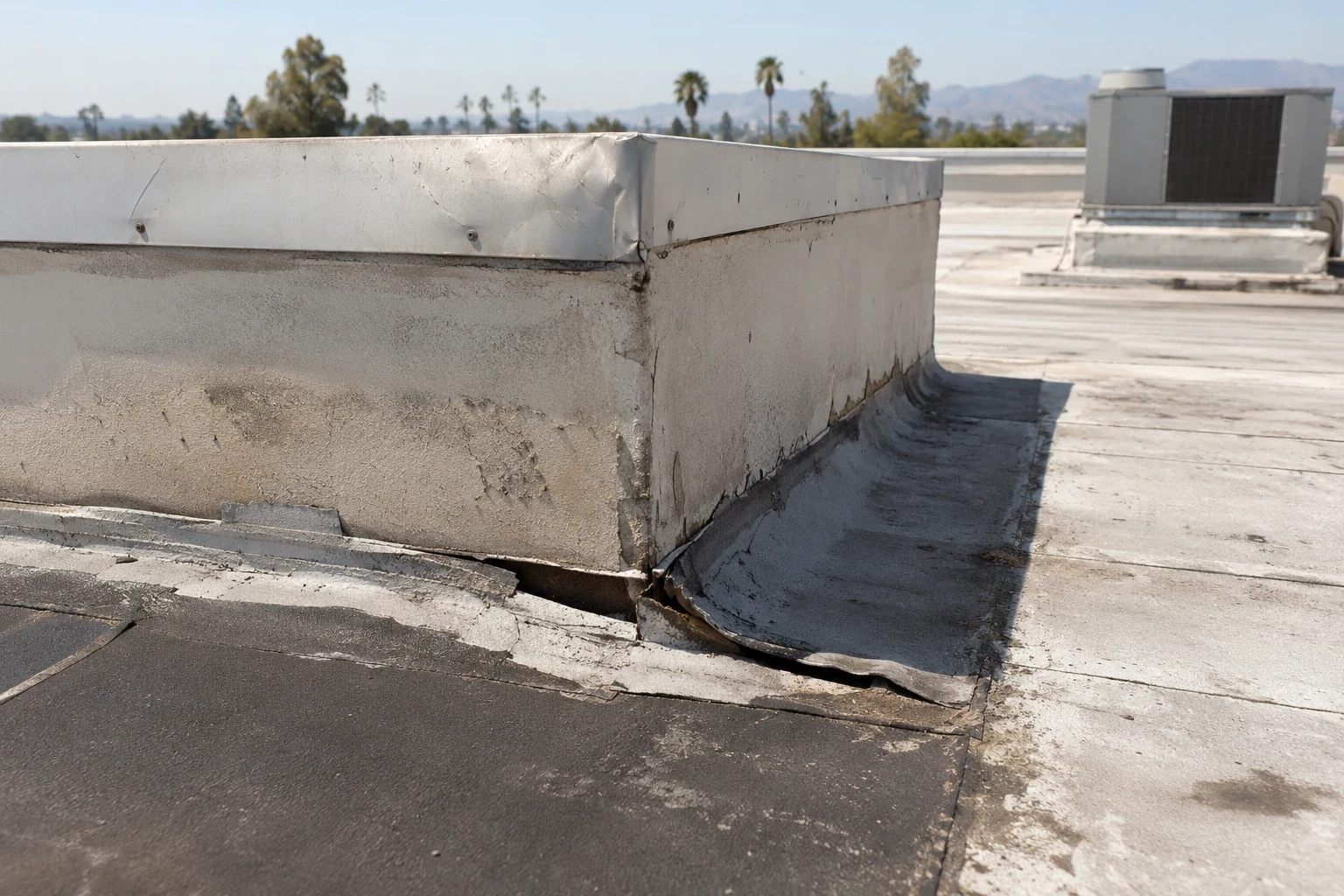
Sun damage shows up as crazing on asphalt roofs, chalking and thinning on single-ply membranes, and cracking in older coatings and sealants. But not every crack is caused by the sun. Building movement, poor installation, ponding water or an incompatible repair material can cause similar damage. We look at the pattern and location of the damage to tell the difference, because the right repair depends on the cause.
A roof inspection notes which areas we checked and what the membrane is. If original installation records exist, they help us identify the system. Seams deserve special attention, since heat-aged seams often open before the field of the membrane fails. A seam failure repair is a different job from resurfacing, and we price it separately. One worn section does not mean the whole roof is in the same shape, so we report each area on its own. South- and west-facing sections, and areas around reflective walls or rooftop units, often wear faster than the rest of the roof.
Know what a coating needs to work
A coating can add years to a roof, but only if the membrane underneath is still attached, mostly dry and compatible with the coating. A roof that is badly cracked, blistered or covered in an old incompatible coating may need more preparation than a coating is worth. We check adhesion, look for prior coatings and repairs, and explain what cleaning, priming and repairs would be needed first.
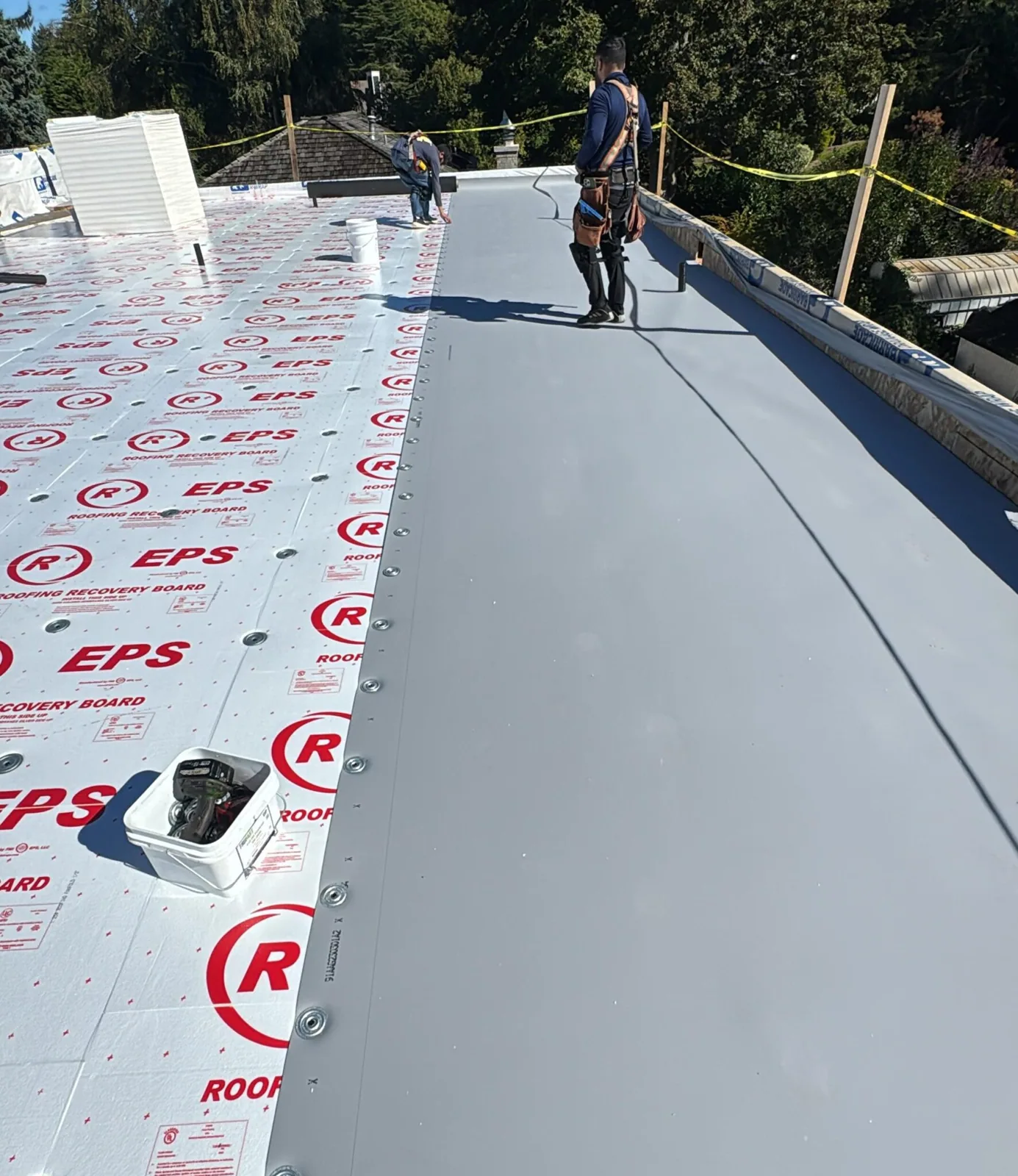
Roof coating restoration should follow the coating manufacturer's requirements for that specific membrane. The estimate should include the prep work, seam and detail repairs, and the coating itself. Worn or loose flashings need a flashing failure repair before coating, since a coating will not hold a failed flashing in place. Doing both at once saves setup, but each item is listed separately so you can see what you are paying for.
Test before committing to a coating
Sun-damaged roofs often have small cracks that have been letting water in for a while. If the insulation underneath is wet, a coating will trap that moisture and the roof will keep deteriorating. We test where the answer would change the decision, using core cuts, moisture meters or an infrared scan, and record where we checked. Areas we did not test are noted as untested.
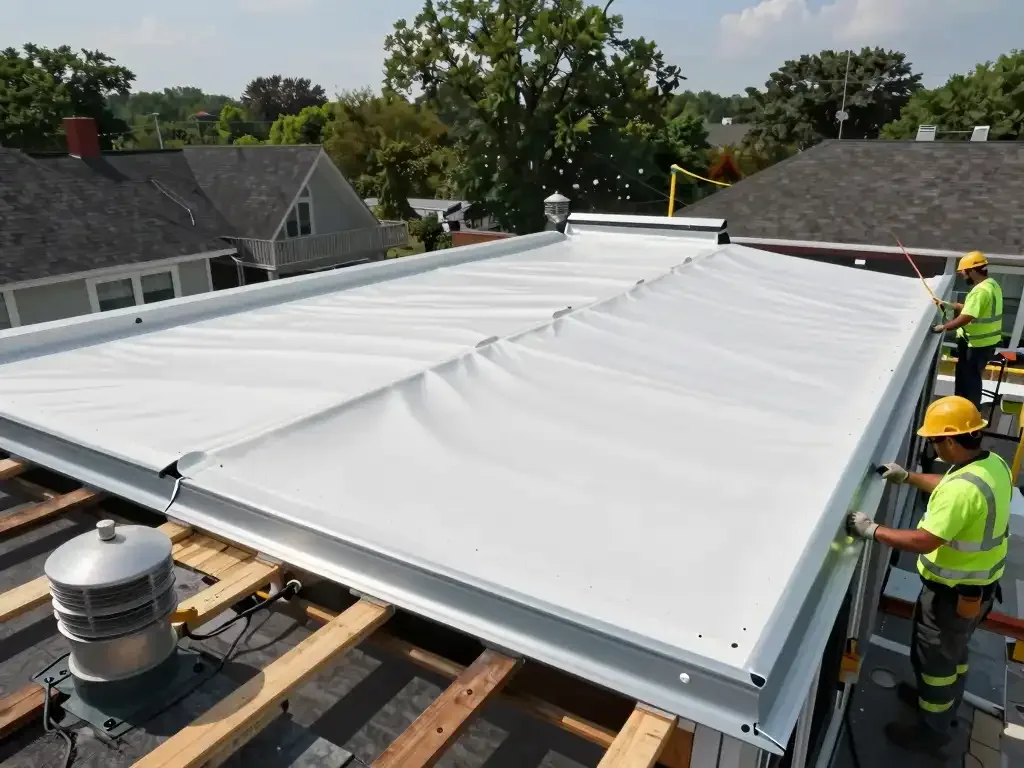
If testing shows large wet areas, a commercial roof replacement of those sections, or the whole roof, may be the better value. We compare the full cost of each option, including prep, flashings and any work by other trades, such as moving rooftop units. If more damage turns up after the work starts, we document it and price it before continuing, so the final cost follows what was actually found on the roof.
Schedule the work for the right weather
Coatings and many membranes have temperature and moisture limits for installation. Too hot, too cold or too damp and they do not cure properly. We plan the work for suitable conditions and explain the drying time and any steps that need to happen in order. The building contact handles access, tenant notices and any areas that need to stay clear, and we confirm separately that we are approved to do the work, not just inspect.
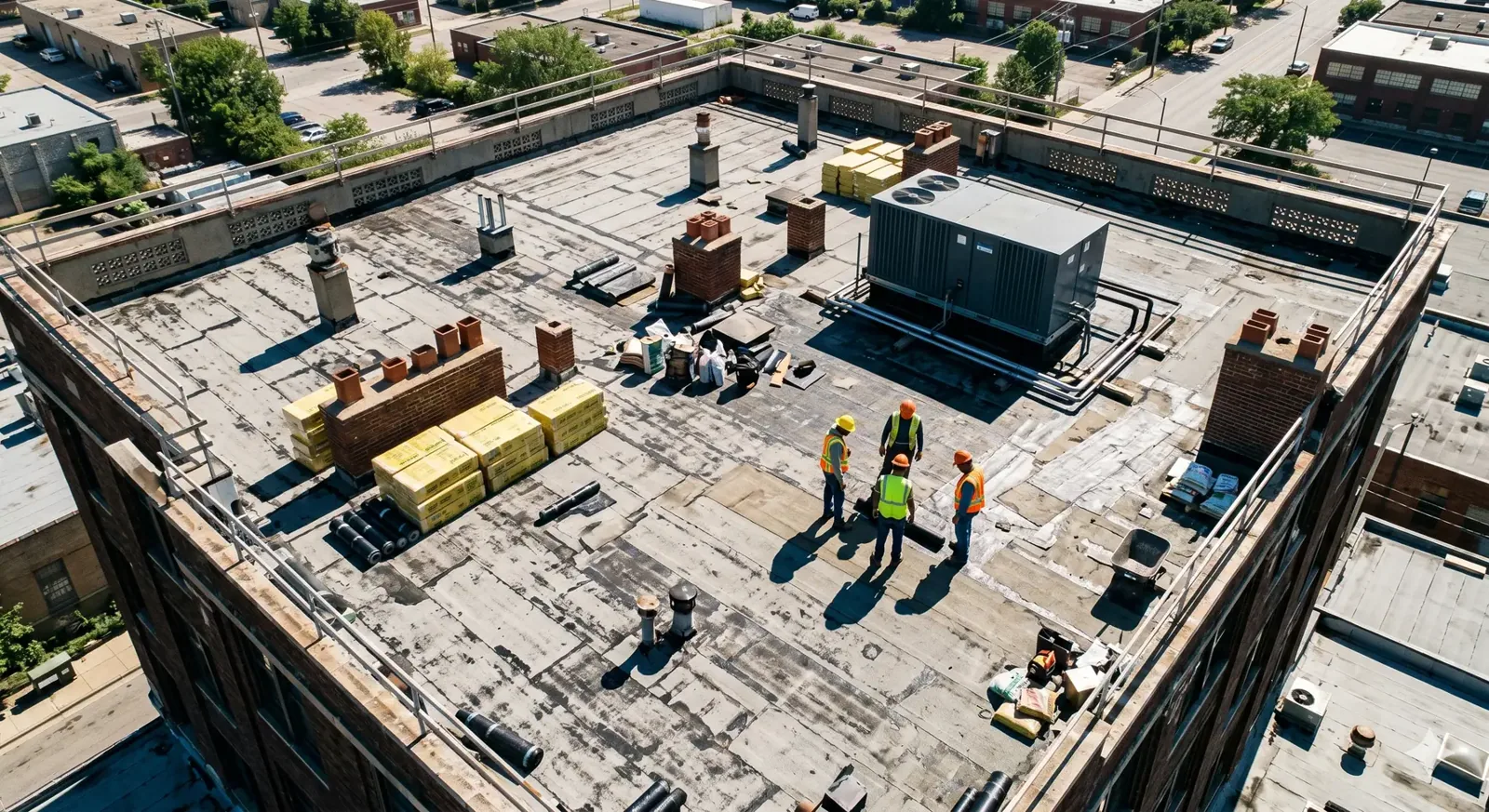
For a roof in Paramount, we confirm the building's access hours and any tenant restrictions before scheduling. If the roof has to be done in phases, each phase adds setup time. One continuous job is usually cheaper if the weather and building allow it. We price both and do not cut the prep work to make the schedule shorter. Before the crew arrives, drains and rooftop units should be accessible, and anything stored on the roof should be moved so the whole surface can be cleaned and prepared.
Keep a record of what was done
When the repair or coating is finished, the record should show which areas were treated, what products were used, and what prep work was done, with photos taken before the surface was covered. Any open items from other trades are listed with who is responsible.
Add those records to the building's roof condition reports. If cracking or wear shows up again later, the next inspection can compare it with what was done and decide whether it is normal aging, a missed problem or something new. A coating that worked once is not automatically the right answer the second time; the roof needs to be checked again.
Keep the coating or membrane warranty and the manufacturer's maintenance requirements with the roof file. Most require regular inspections and cleaning to stay in effect. Inspection dates and notes help with future decisions, though they do not guarantee how long the roof will last. A clear record makes the next repair decision faster and easier.
Commercial Roofing Questions
Does a weathered appearance establish that coating is the best option?
No. A faded or chalky surface may still be sound, or it may hide cracks and wet insulation. We inspect the membrane and test where needed before recommending a coating. If the roof is too far gone, replacement is often the better value.
What should accompany the amount for a retained surface finish?
The estimate should include cleaning, priming, seam and flashing repairs, and any wet insulation replacement needed before the coating goes on. A price for coating alone often leaves out the work that makes the coating last.
When is more investigation useful before the material order?
Test when the roof has cracks, blisters or a leak history, or when the choice between coating and replacement is close. The test should answer whether the insulation is dry enough to keep. The report should say where samples were taken and how much of the roof they represent.
What should be preserved after the surface task is complete?
Keep a record of the areas treated, products used, prep work done, photos and the warranty paperwork. Note any open items from other trades. That record helps the next manager decide what to do when the roof needs attention again.
Find out if your sun-worn roof can be saved
Tell us about your Downey roof and send any photos or installation records you have. We will inspect the membrane and tell you whether repair, coating or replacement makes the most sense.