Home / Commercial Roofing Services
Roof Coating and Restoration in Downey, CA
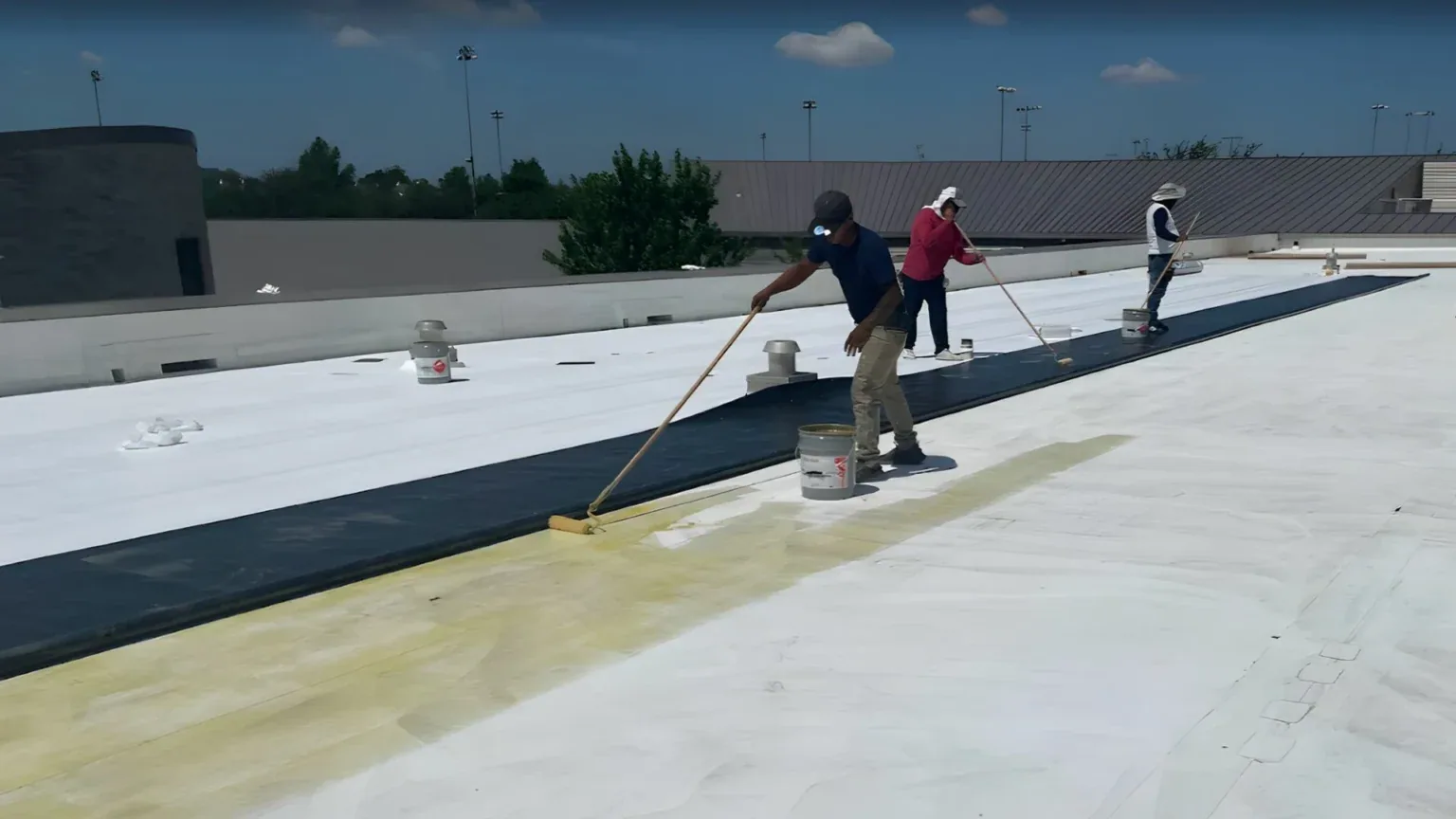
Commercial roof coating and restoration in Downey, CA. We check the existing roof, fix wet areas and failed flashings first, then price the coating separately.
A roof coating does not pay for the repairs that have to happen before it goes on. When comparing proposals, those repairs should be listed right next to the coating price. Roof coating and restoration in Downey, CA starts with identifying the existing roof and any earlier coatings or patches. We inspect the roof before recommending a product. Wet insulation, rotted backing and failed flashings are separate repair items. The manager should see exactly what the coating covers and what has to be fixed before it can be applied.
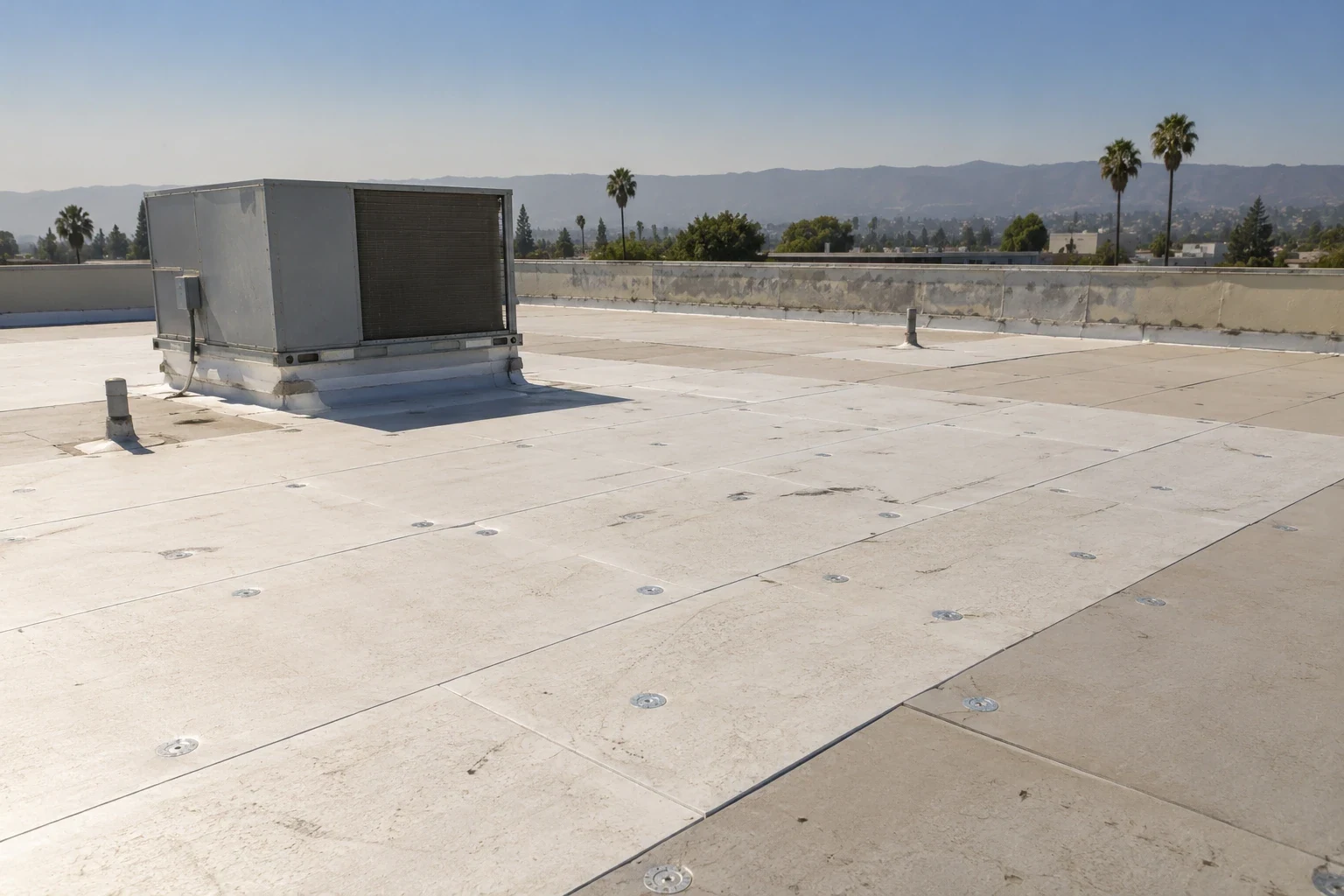
Before coating, confirm that the existing membrane is a suitable substrate and that moisture, loose surfacing, and failed seams have been corrected. A coating can protect a prepared surface, but it cannot restore wet insulation or secure a loose edge by itself. Record adhesion testing where specified and identify the areas that need separate repair. Downey’s inland heat can age exposed surfaces, so inspect south- and west-facing details for brittleness before estimating preparation.
A good proposal lists prep quantities as well as coating quantities. If an old coating cannot be identified, it gets tested before anyone relies on it. The final scope names the existing roof, the repairs needed and the specific coating system going on the surfaces that pass.
Identify the existing roof and the right coating
We compare any product records with what we find on the roof, identifying the existing membrane and any earlier coatings. "Roof coating" covers many products, and not every one sticks to every surface. The specific product we propose has its own prep and flashing requirements, and we check them.
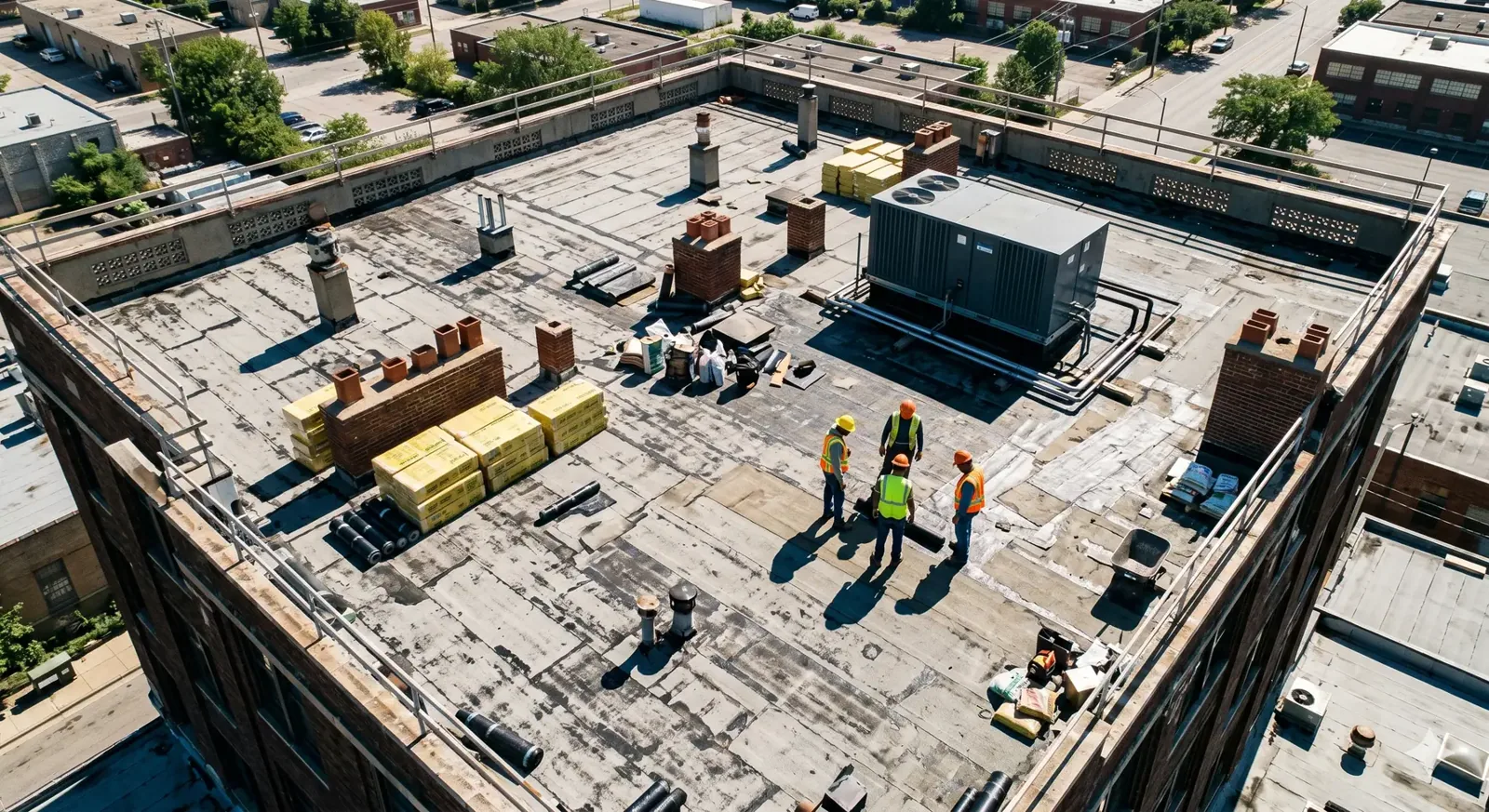
A commercial roof inspection before restoration notes old coatings and the condition of each area. Areas we could not inspect are listed before we estimate prep for them. If the records do not match what is on the roof, we sort that out first, so the crew does not arrive unsure whether the coating will bond.
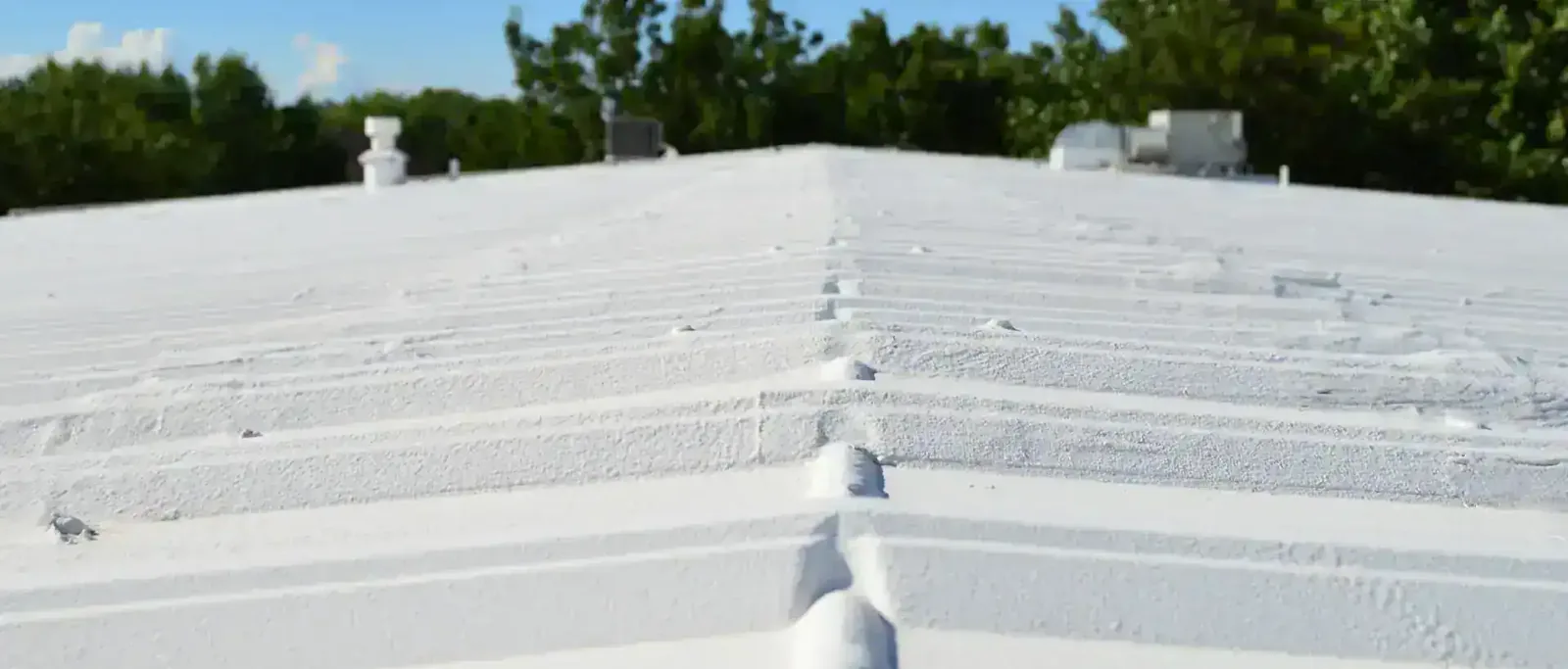
A silicone roof coating is evaluated against the manufacturer's requirements for this specific roof. Any other coating type gets its own review. We show which areas we inspected and why we think they can be kept, so the manager compares prep methods based on the same findings, with any incompatible old coatings flagged before materials are ordered.
Fix the details before coating the field
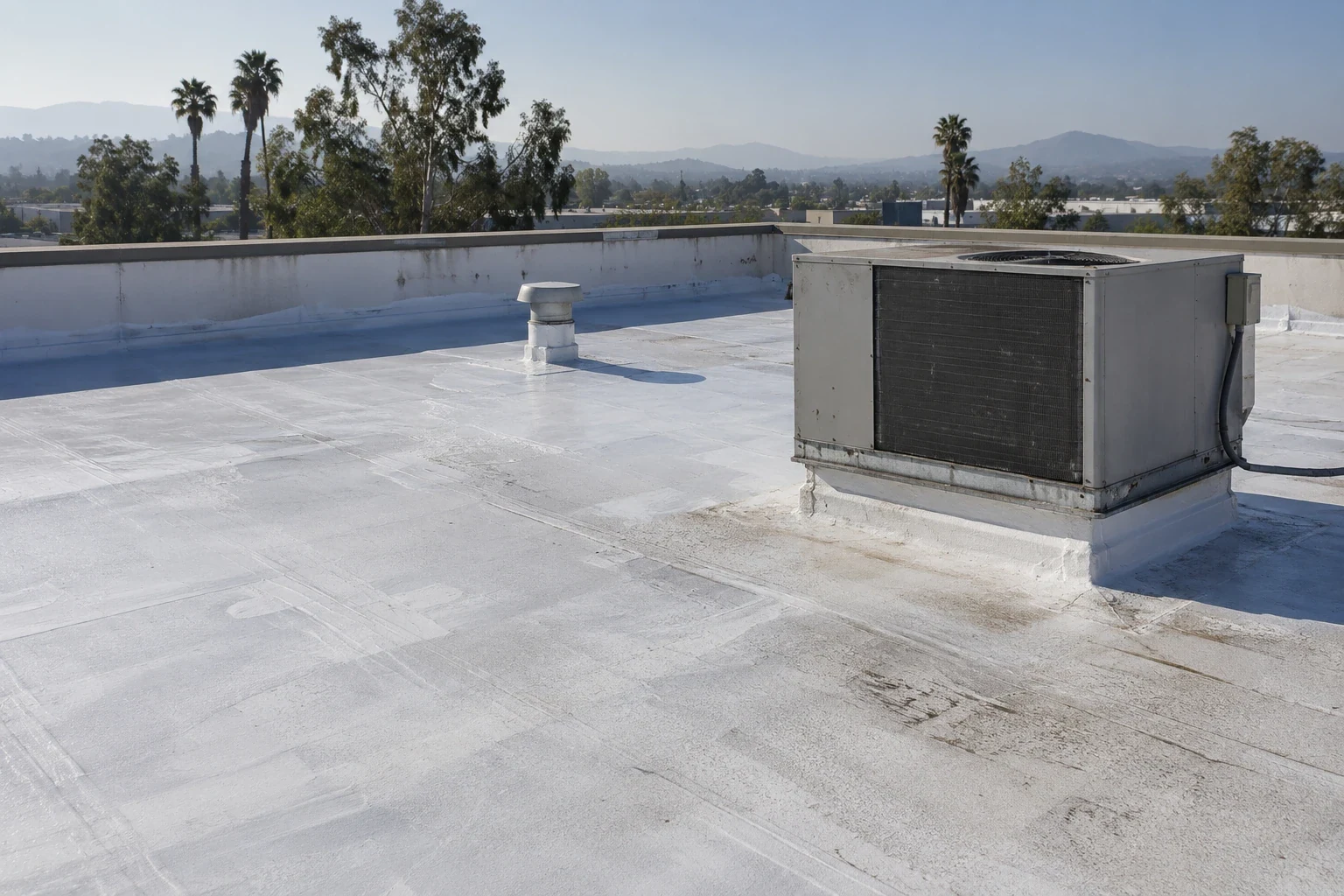
A restoration has to address seams, flashings and edges, not just the open field of the roof. We mark every spot that needs a permanent repair and identify its existing materials. Damaged curbs or flashings are priced separately from the coating. Coating over a flashing with rotten backing does not fix it.
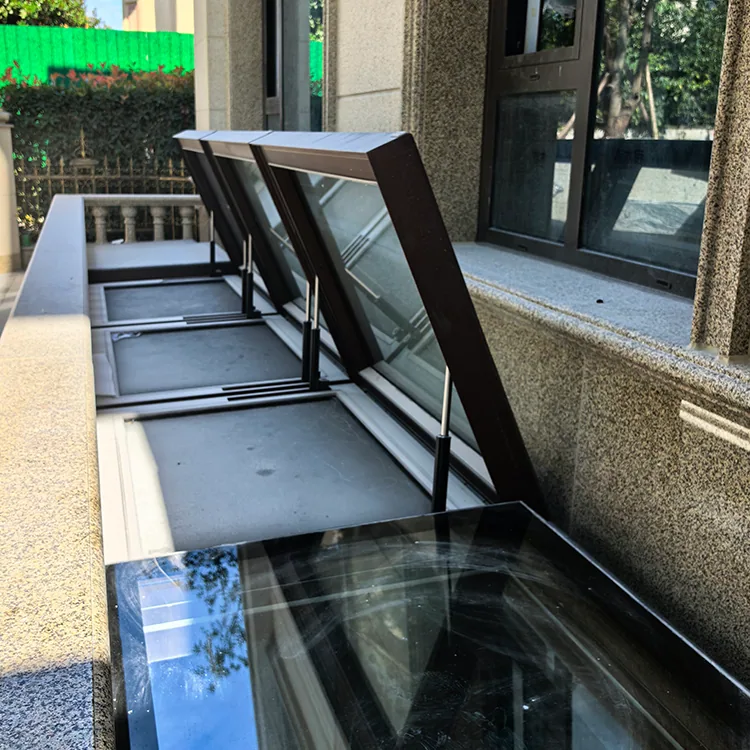
Where skylight and penetration flashing needs repair before the coating, the estimate lists the location and the work. If a rooftop unit blocks access, we note what the HVAC contractor has to do and keep that step tied to the roof repair it allows.
An acrylic roof coating option has its own surface prep rules but still needs the same flashing and detail repairs. Switching products does not make damaged backing go away. If added material changes how the roof meets a curb or wall, we get the right review. The property manager gets complete options showing both the coating and the repairs needed at every edge.
Keep wet insulation out of the coating price
A surface inspection can raise questions a coating cannot answer, especially about wet insulation. We test the layers underneath where the coating system depends on them, and we keep confirmed wet areas separate from areas still being checked. Keeping existing layers depends on what we find and what the coating manufacturer allows.
An insulation and cover board repair is priced separately from the coating, with its own removal and replacement quantities. We explain that work before choosing a coating that depends on it. A membrane that looks dry on top does not mean the insulation underneath is dry.
If opening the roof shows more wet or damaged material, we mark where, revise the removal and explain the rebuild. We get approval before doing the extra work, and the open area is protected meanwhile. Structural questions go to the right reviewer. The manager can see why the quantity grew, instead of getting a coating total that quietly assumes wet insulation can stay under the new surface.
Price prep and phased work alongside the coating
Prep depends on the specific product and the surfaces being coated. We review the manufacturer's requirements before setting the order of work. That may include power washing, removing failed old coatings, priming and repairing flashings. Open questions about old materials stay open until answered; ordering coating does not settle them.
The building's rules set material routes and work hours. If those rules split the job, we include the extra setup and protect unfinished areas between visits. The coating price should not hide the cost of returning to finish a curb once it is clear.
Sometimes the HVAC contractor has to move or service a unit before we can finish. We note that step and the flashing repair that follows. Finished field coating is reported separately from details still waiting on access. The manager has remaining tasks tied to roof locations, and the crew comes back using the same product and prep when the area is ready.
Record the restored areas and what is still open
At each penetration and perimeter, the coating must meet a sound, compatible detail. Remove failed sealant and repair flashing before applying the field product; do not bridge a moving joint with a surface coat. Note drains, curbs, and wall transitions separately on the preparation list. For a commercial roof in Santa Fe Springs or Norwalk, confirm the installed membrane and surface at that property before choosing preparation or coating.
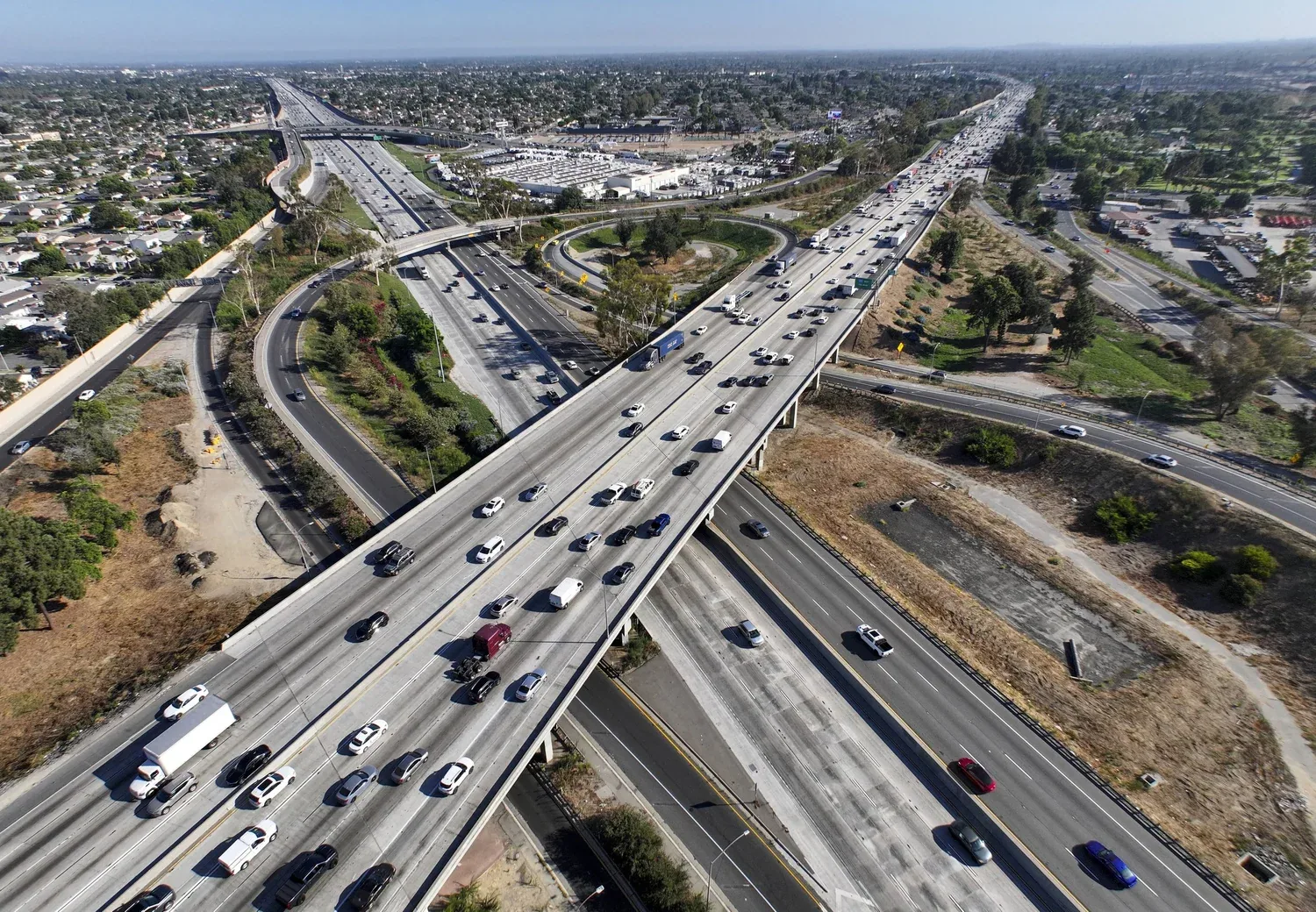
For restoration work near the I-5/I-605 interchange, identify the building, roof sections, access route and existing surface treatments before selecting preparation or coating.
A roof condition report after restoration records the coating used, the prep done and the flashing repairs completed. It shows where backing was replaced and which areas of existing roof were kept, with photos, adhesion or test results and approved changes by location. Areas we could not inspect and HVAC work still pending are listed separately. The property manager can see what the restoration covered and what still needs attention before any future work relies on the coated roof.
Commercial Roofing Questions
How do you know if a roof is a good candidate for coating?
We identify the existing membrane and old coatings, check for wet insulation and failed seams, and compare the roof with the coating manufacturer's requirements. Adhesion tests may be needed. A roof with widespread wet insulation is usually a poor candidate.
Which repairs should be listed beside the coating price?
Seam, flashing and edge repairs, wet insulation replacement, and any curb or penetration work, each shown separately. HVAC work needed to reach a curb should be listed too, so you are comparing complete jobs rather than coating prices alone.
How do you handle prep when the work has to be split up?
We schedule around the building's rules, price the extra setup, and protect unfinished areas in between. HVAC work is lined up before the flashing it affects, and our notes keep finished areas separate from what is left.
What records do I get after restoration?
The coating product, prep work, repaired flashings and replaced insulation by location, photos and test results, approved changes, and a list of any open items. That helps with warranty questions and future maintenance.
Get the prep and coating priced together
Send us the roof areas, address and any product records. We will inspect the existing roof and explain the repairs needed under and around the coating, along with the coating system we recommend.