Naval Facility Roofing in Downey, CA
Naval facility roofing for the Downey area: drain and curb flashing repairs, moisture testing and roof openings approved by the installation contact before work starts.
A naval facility roof repair price has to include the drain or curb the membrane ties into, not just the membrane. A drain leak can need more work than the visible split suggests. For a request from the Downey, CA area, we start with the specific building. We inspect the roof and outline the permanent repair. Pipe and plumbing questions below the roof stay with the installation's plumbing staff. The installation contact arranges review of the work area. Protection and patching are priced with the tear-off, because more membrane cannot fix a drain that still needs work.
Naval Weapons Station Seal Beach is the regional naval installation, but its name does not tell us which building needs work. Send us the building address, where the leaks are and any roof records available, plus the contact who can arrange roof access and review the planned opening. We plan the visit for that building, and what we find there is the basis for our recommendation. The station name does not describe another building's roof or approve opening it.
Find the drain the new roofing has to seal to
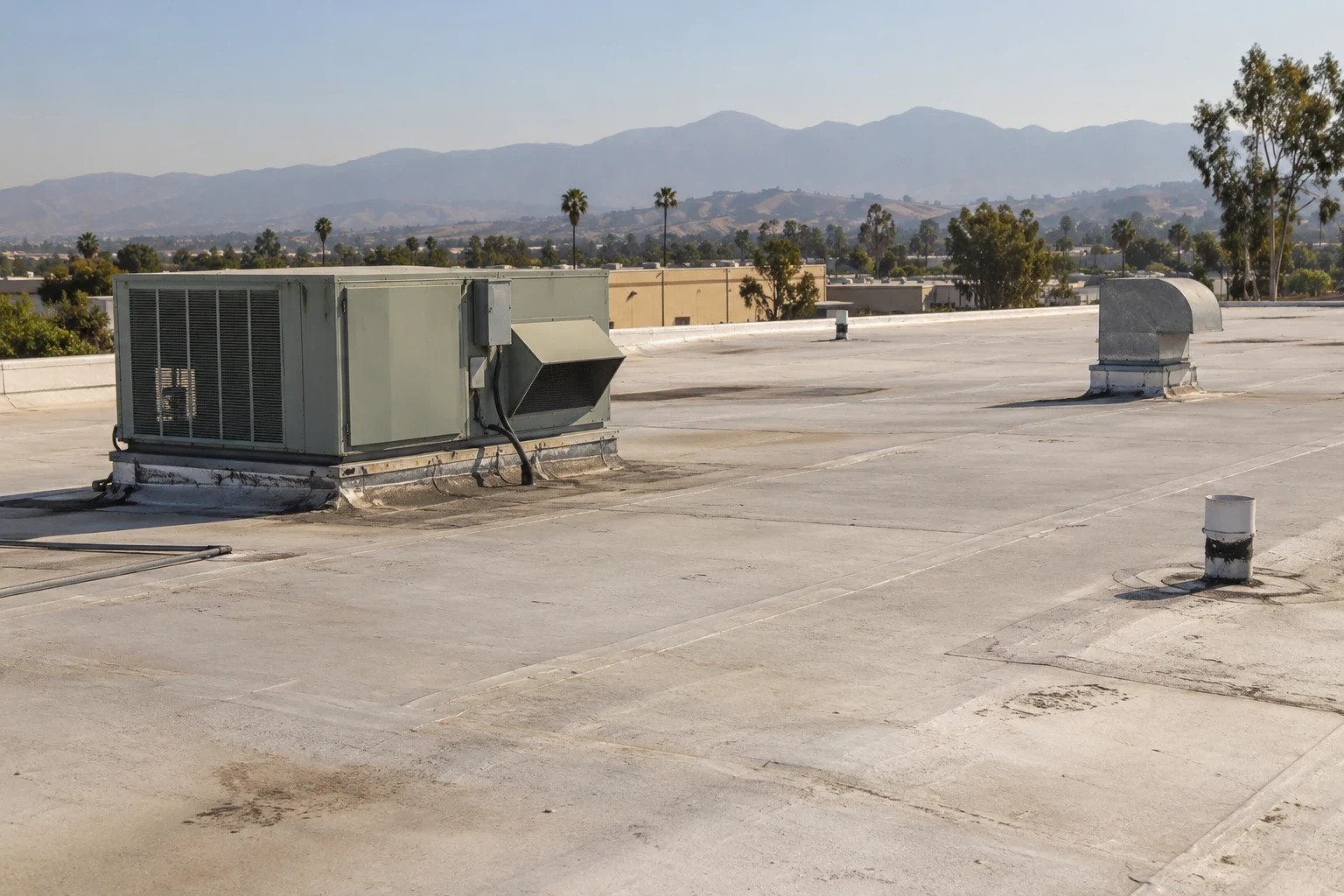
A drain needs sound material all the way around it. Our roof drain and scupper repair follows the water across the roof to the outlet. We mark where the membrane repair ends and what the drain itself needs. A problem with the pipe below belongs to the plumbing staff. If the repair changes how the roof drains, an engineer weighs in. New membrane cannot fix a damaged drain bowl, so that work is listed next to the roof repair. Once both are clear, the owner can compare complete drain repairs.
The membrane around the split may need more than cleaning. Sound membrane can be primed for the repair method, but worn or brittle material may need to come out until we reach good material. We set the repair edges there rather than just bridging the gap. TPO and PVC need clean, weldable material. Other roof types need the right primers and fasteners for their build-up. The estimate should explain what it takes to finish the detail on this building.
Include wall and curb prep with the field work
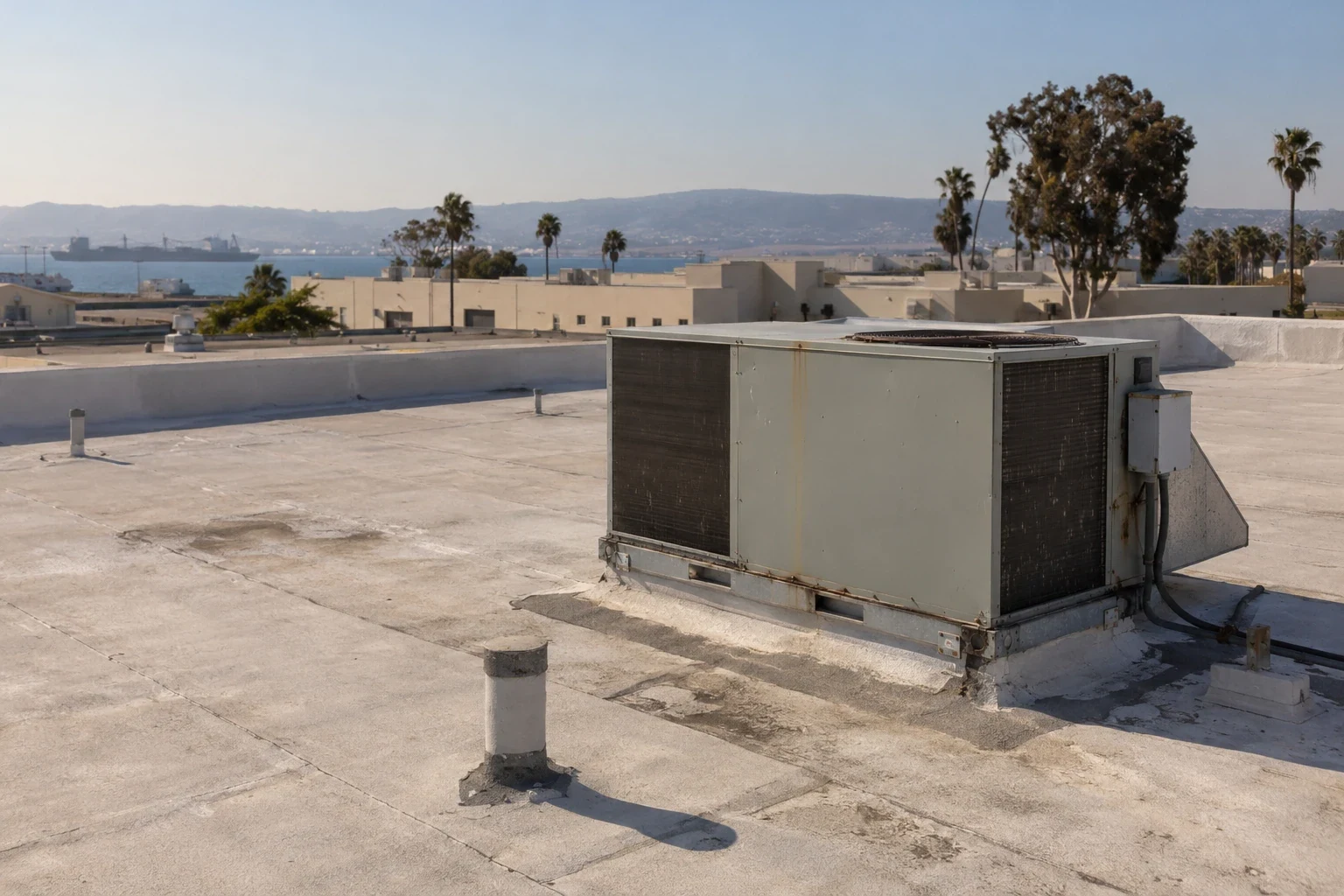
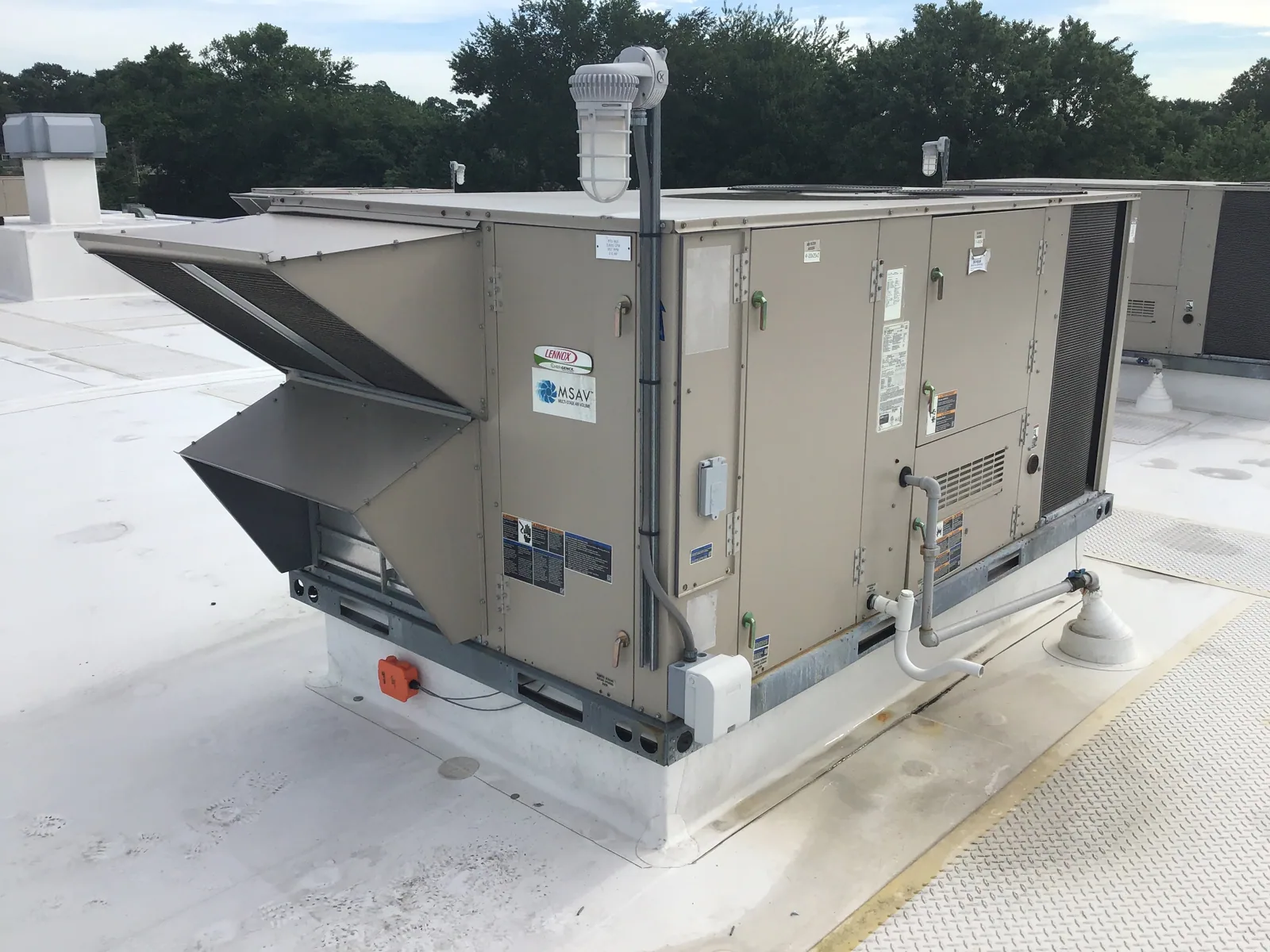
The roof often ends against a wall or curb that someone else has to repair. Our curb and equipment support work checks the backing and flashing at each unit. Equipment staff handle service, clearances and prep for their units. Engineers review any support changes the repair introduces. A damaged wall may need its own repair before flashing goes on. We show where our membrane will meet that work and include it before field prices are compared. More membrane cannot replace unfinished curb or wall work.
Any larger tear-off is explained by what we found. Replacing rotted backing is different from adding membrane over a sound roof. Changes to curb height or drainage may need an engineer's review, and the roofer does not sign off on equipment decisions. We bring the right people in while the detail is being planned, and their work stays visible in the project scope. The owner should see a reason for every change in price.
Approve the opening before the work area is ready
Approval has to match the opening and the handling we actually plan. Our military installation roofing plan lays out the tear-off, delivery routes and debris removal. The installation representative reviews the area below. Staff decide how their rooms, stored items and systems are protected, and specialists handle their own operations. We include that protection with the roof work. Permission to inspect does not clear another opening, so the full plan is confirmed before more roof is exposed.
If more rotted backing turns up, the original tear-off area may grow. We describe the added area and why before opening further. Access and protection for the new area are reviewed, and the added handling and prep are priced with the extra roofing. The first plan does not cover every later area. A temporary seal can protect a section while the permanent repair is scheduled, and it is recorded separately from finished work.
Test the insulation before keeping the old roof
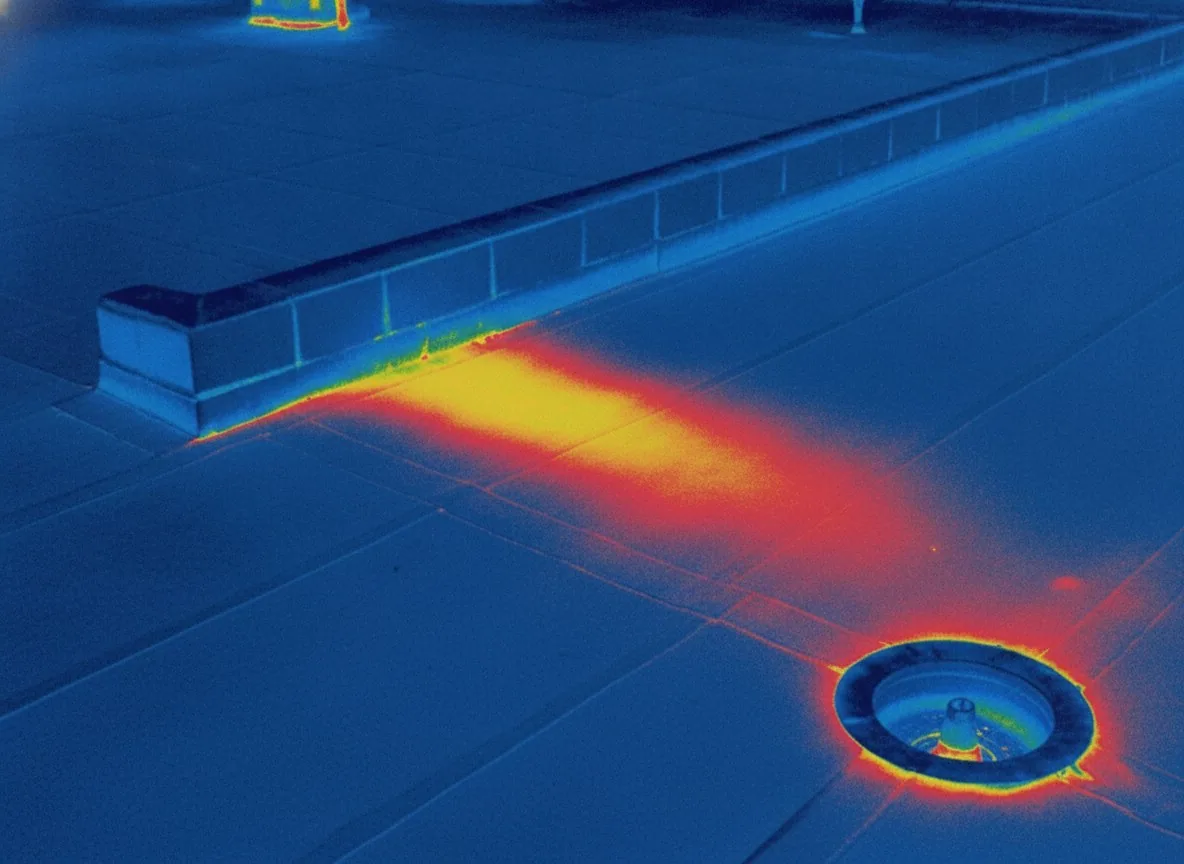
A continuous roof surface does not prove the layers under it can stay. Our infrared moisture survey compares thermal scans with the roof records. We read the results with the conditions during the scan in mind. A temperature difference helps us find areas worth checking. It cannot prove the whole roof is dry. We confirm with core cuts wherever keeping the old layers affects the repair choice. Patching those cuts is included, and protection below each one is reviewed with the installation contact.
When a wet area is confirmed, we define how much has to be replaced. Widespread moisture may need more testing before approving a method. We explain what the tests showed and what is still uncertain. New roofing on top does not make wet insulation sound. The owner should understand why we propose keeping or removing layers. Once the material question is answered on this building, the options can be compared on more than square footage.
Record finished drain work and open service items
The closeout shows the membrane and drain repairs we completed. It includes patched test cuts and backing problems found during tear-off. We photograph sound material before it is covered. Temporary seals are marked separately from finished work. Pending plumbing, wall or equipment work is listed at each spot. A dry roof does not mean every equipment or pipe question is settled. The installation contact can see what remains before approving more work, so future estimates follow what is actually left.
For a roof project in Long Beach, confirm the assigned property and authorized contact before scheduling. The building's roof material, leak location, seams, flashing, drains and equipment curbs determine the inspection. A warehouse roof repair should include protection for identified stored contents; a Coast Guard station repair needs its own access review. Confirm gate access, escort requirements and delivery limits for the assigned property. Price roofing separately from equipment preparation, and identify the protected area below each opening. Set the repair boundary from the building's actual roof and assign each component duty to the responsible party. Record any required interior protection with that task.
Commercial Roofing Questions
What does a naval roof drain repair need beyond new membrane?
It needs sound membrane around a sound drain bowl and clamping ring. Pipe problems below the roof stay with the plumbing staff, and any drain prep is priced with the roof repair. Compare complete drain repairs rather than a membrane-only price that cannot seal a damaged outlet.
Does permission to inspect the roof approve every opening?
No. We show the installation contact the planned opening and how materials will be handled. Staff review the activities and stored items below it. The resulting protection is included in the price. Inspection approval does not clear a different area for a larger opening.
How does testing support keeping the existing roof layers?
Where keeping the old layers affects the method, we test with scans, roof records and core cuts, taking conditions during the inspection into account. Patching the test cuts and protecting the space below are priced in. The results show what can stay, what must come out or whether more testing is needed.
What goes in the closeout if plumbing work is still pending?
The closeout shows the drain flashing we finished and lists the plumbing work still needed. Temporary seals are recorded separately from permanent repairs. Plumbing staff sign off on their own work. Keeping that item visible means the next approval covers what is actually left.
Price the naval facility roof repair
Send us the building address, the drain or leak problems and any roof records you have. Working with your installation contact, we will inspect the roof and price the permanent repair, related work and protection for the space below.