Coast Guard Station Roofing in Downey, CA
Coast Guard station roofing for the Downey area: wall flashing repairs on sound backing, moisture testing and roof openings cleared with the station contact.
A flashing repair can fail again when the wall behind it is loose or wet. Find the separation and check the backing where the permanent detail will end. For a Downey-area Coast Guard roofing request, provide the assigned building, the authorized contact and the reported leak. We inspect accessible material and price the flashing, wall preparation and protection needed to close that connection.
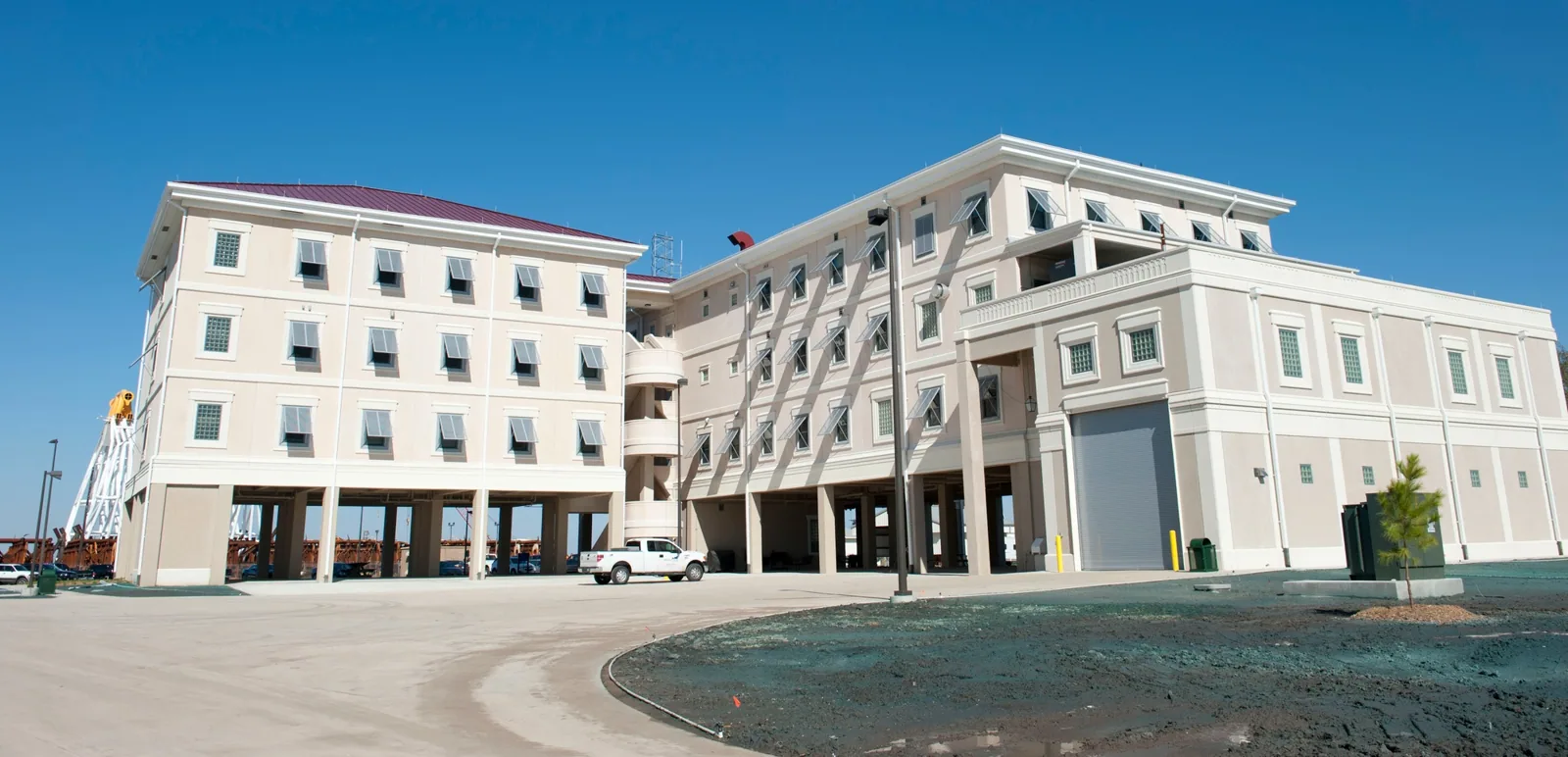
Base Los Angeles/Long Beach sits on Terminal Island. For a Downey-area request, name the building and roof concern; its authorized contact can arrange the inspection and review the space below. We price only the roof and wall work supported by the examination. Access and interior protection stay in the work plan before an opening is made.
Check the wall backing before patching the flashing
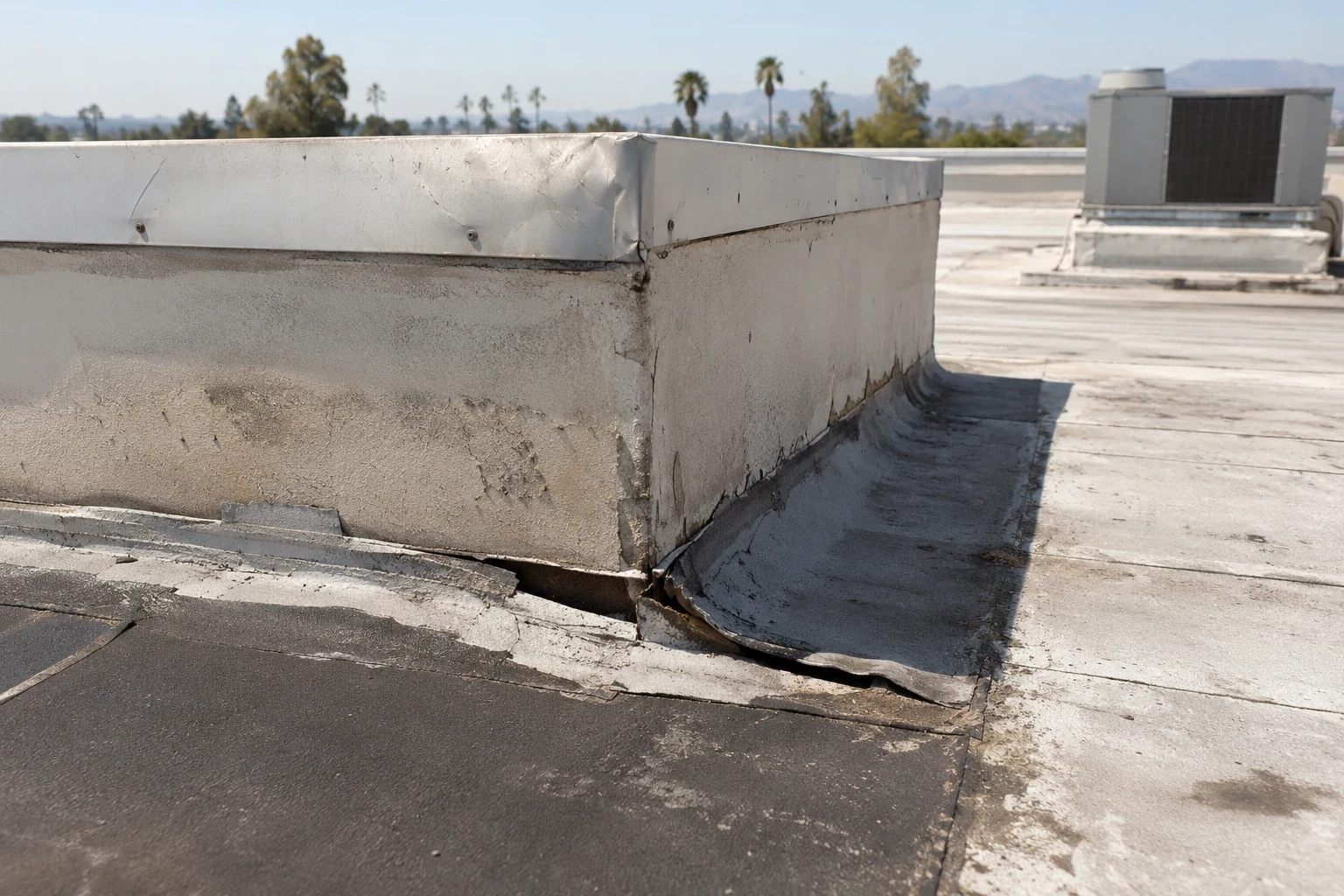
When flashing pulls away from a wall, the material behind it needs a look before anything is patched. Our wall flashing repair traces the problem back to the wall surface and the termination bar that hold the new flashing. If that backing is wet or crumbling, it has to come out, sometimes beyond the visible split. Cleaning sound membrane and rebuilding rotted backing are different jobs with different costs. We set the repair edge where the material is solid. A patch over bad backing will leave the real problem in place, so the bid should describe a repair that actually holds.
The wall itself may need a separate contractor, such as a mason or stucco crew. We make clear who removes the damaged material and who provides a sound surface for the flashing. That work sits next to the roof repair in the project scope, because new membrane cannot fix a failing wall. Photos show the condition, the proposed repair edge and where another contractor's work begins. With those responsibilities spelled out, the owner can compare complete bids.
Before covering the repair, check that new flashing lies flat against sound backing and sheds water toward the roof field. Photograph the wall and termination together. That view helps the next crew find the repair boundary and see whether adjoining wall work remains open.
Match the repair method to the roof
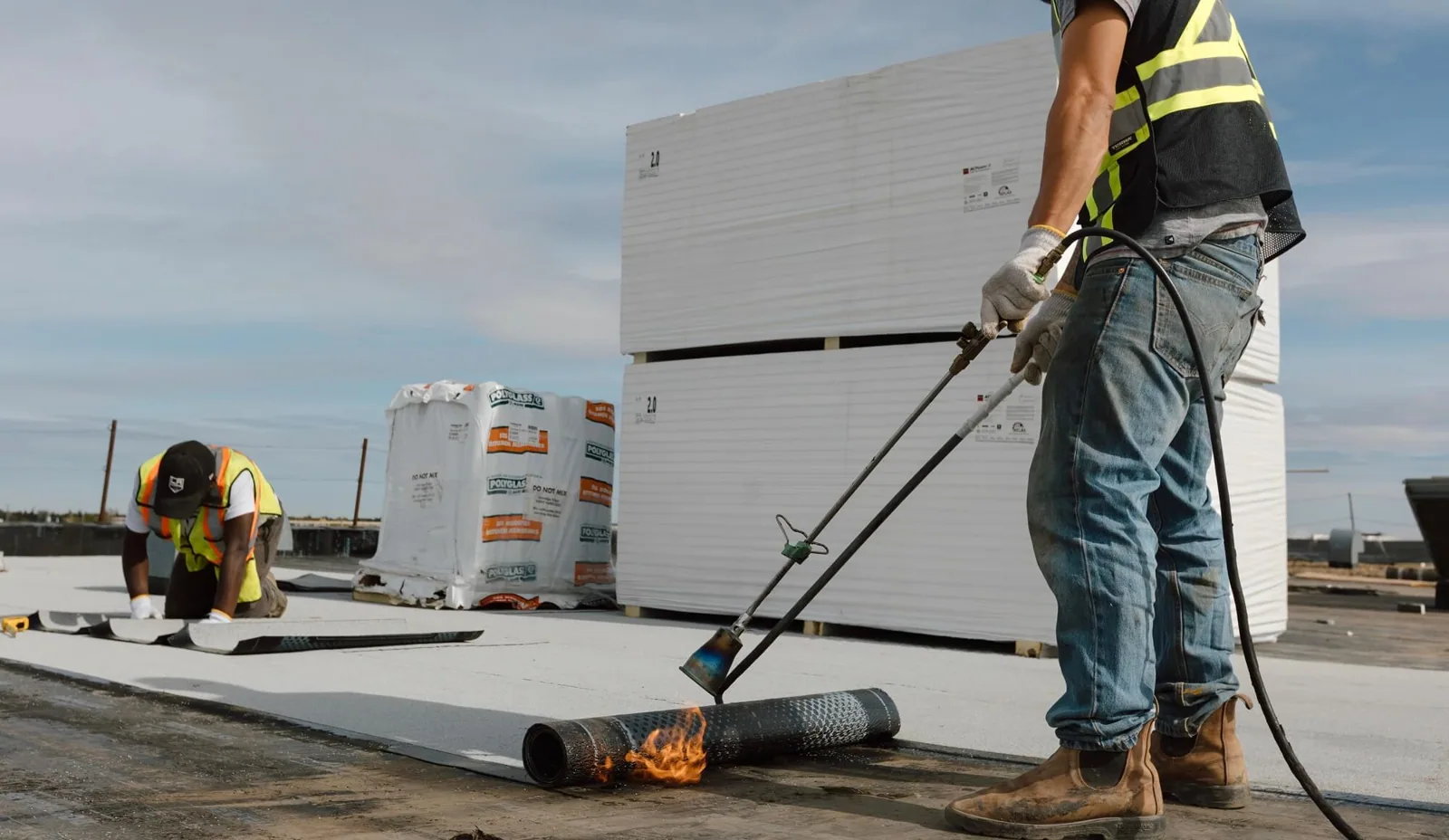
The existing roof decides how the new flashing is joined to it. Our commercial roof repair starts by identifying the membrane and backing. TPO and PVC get heat-welded seams suited to the installed sheet. Other systems need the right adhesive or fasteners. Salt air, dirt and age can leave a sheet that looks fine but will not accept a weld or adhesive. We separate membrane that only needs cleaning from membrane that has to be cut out, and we set the repair edges on both sides of the joint. The size of the visible split does not tell you the full cost.
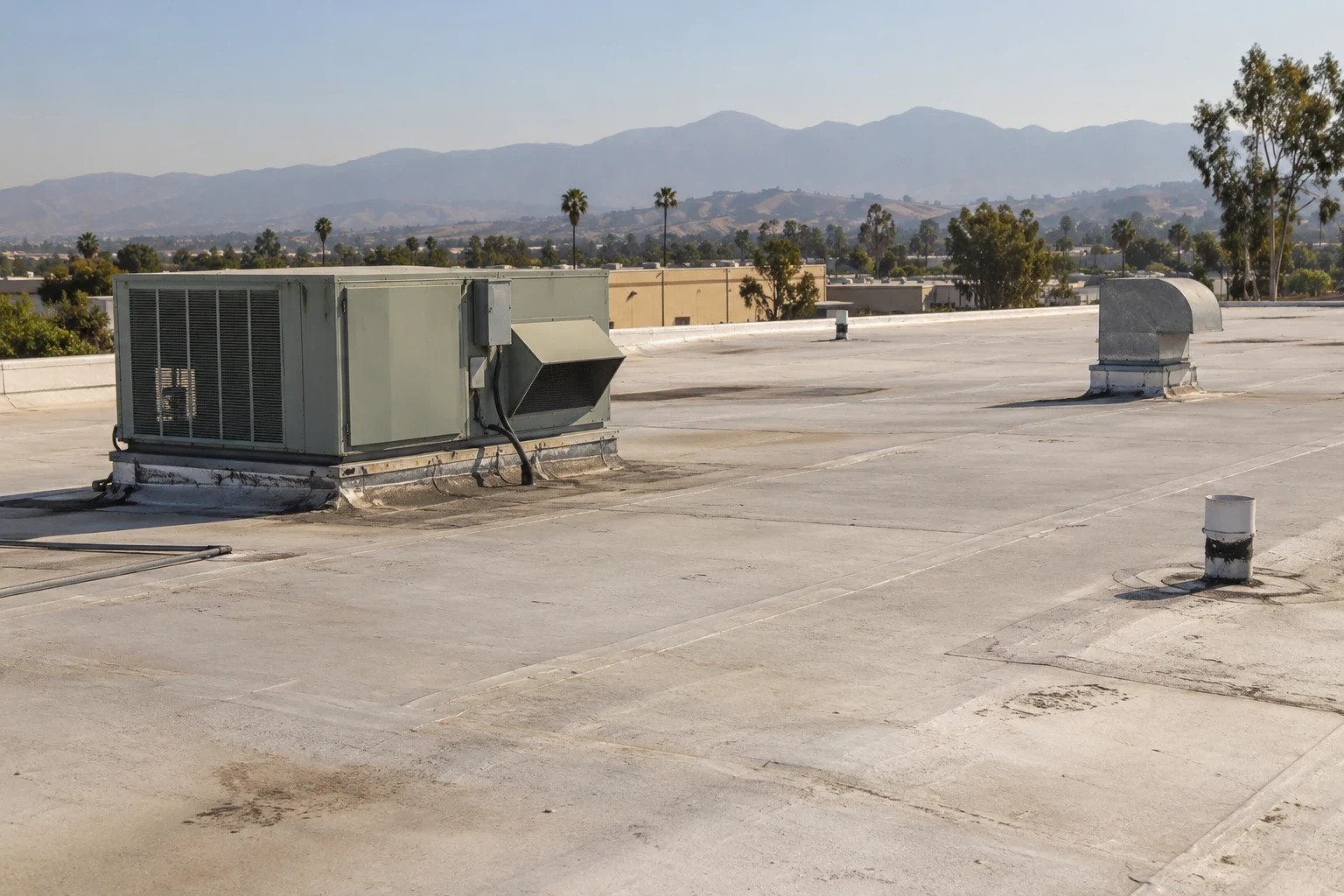
Rooftop equipment may need its own preparation alongside the roof repair. HVAC and electrical contractors handle servicing and clearances for their units. If a support moves or drainage changes, an engineer may need to review it. We show where our flashing ends against the approved equipment setup. That work stays visible before installation, because more field membrane will not fix an unprepared curb. The price should explain what each step makes possible.
Get approval and protection before opening the roof
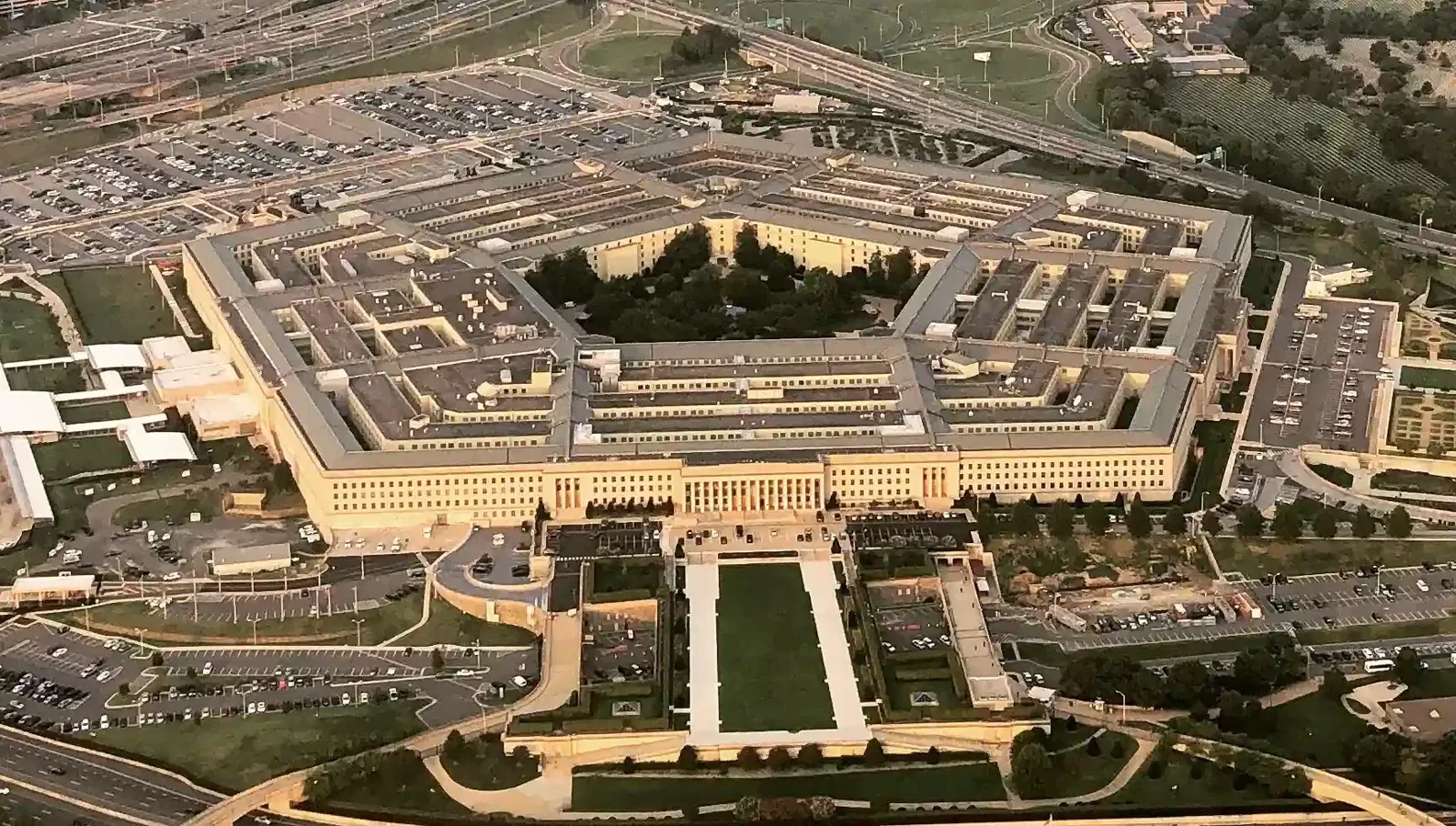
An inspection visit does not give permission to tear off roofing over occupied rooms. Our military installation roofing plan shows how much roof will be opened and how materials and debris will move. We show the station contact where deliveries arrive and debris leaves, and which rooms or equipment spaces are below. Station staff arrange access and decide on protection for those areas. Equipment specialists make their own calls about their systems. We price that protection with the tear-off and repair, and we confirm the agreed area before opening anything.
If more damaged backing turns up, the opening may need to grow. We explain the extra removal and the reason first. The newly affected space is reviewed for access and protection, and those changes are priced along with the added roofing. Approval for the first area does not cover the next one. A temporary seal can protect a spot waiting for its permanent repair, and it is recorded separately from finished work.
Test the insulation before keeping the old layers
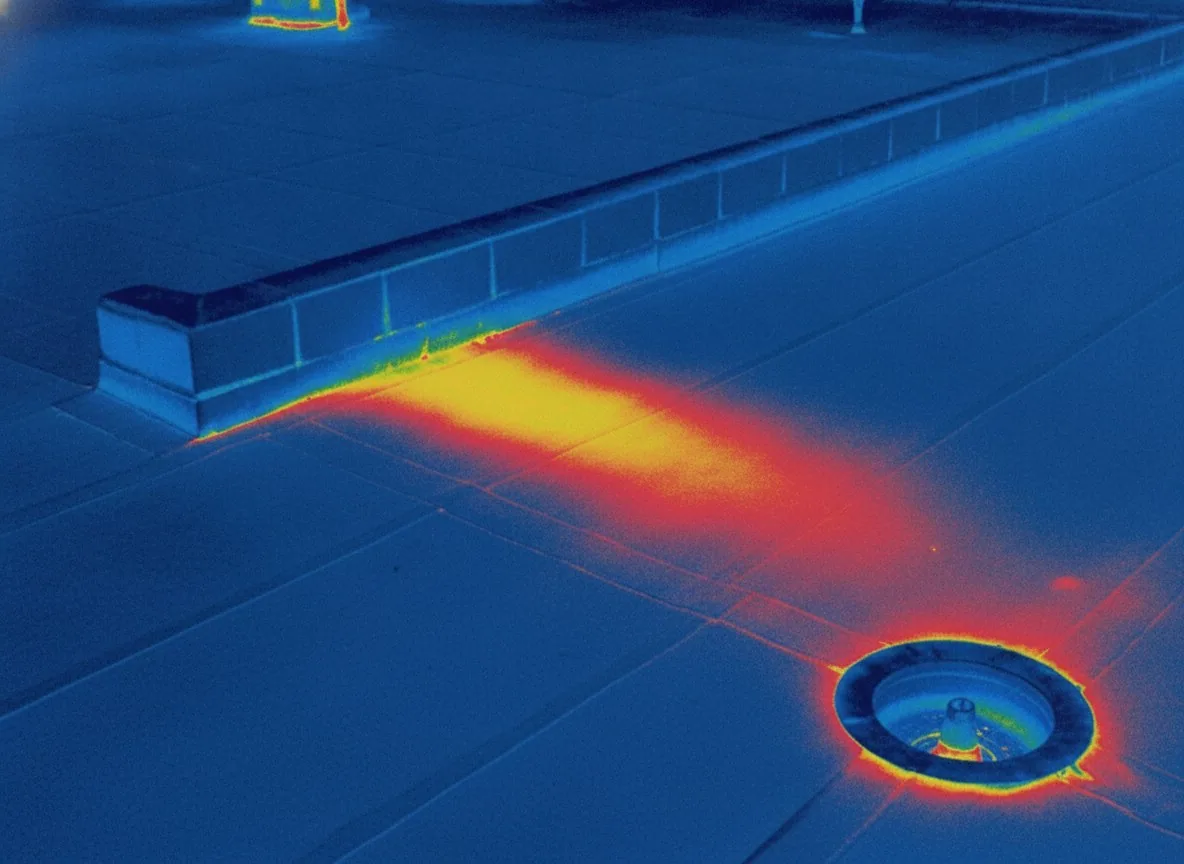
You cannot tell from the surface whether the insulation underneath is dry. An infrared roof survey compares thermal scans with the roof records, and the weather during the scan affects the results. A temperature difference can point to wet insulation that needs a closer look. Core cuts confirm whether the existing layers are fit to keep. We test wherever keeping the old roof affects the repair method. Test cuts are permanently patched as part of the survey, and protection beneath them is reviewed with the station contact.
When a wet area is confirmed, we mark how far the removal needs to go. If the moisture is widespread, more testing may be needed before choosing a method. We explain what the cores showed and what is still unknown. Another layer of roofing will not dry out wet insulation. The owner needs that information before choosing to keep or remove the old layers. The options can be compared once the moisture question is answered, and the work follows what we found on that particular station building.
Record repaired flashing and the work still needed
The closeout shows where we finished the wall flashing and membrane repairs. It marks patched test cuts and any backing problems found during tear-off. We photograph sound backing before it is covered. Temporary seals are listed separately from permanent work. Wall or equipment work still needed at each detail is noted. A finished roof does not mean another contractor's work is done. The station contact can see exactly what remains and where, so the next roofing price covers only what is still outstanding.
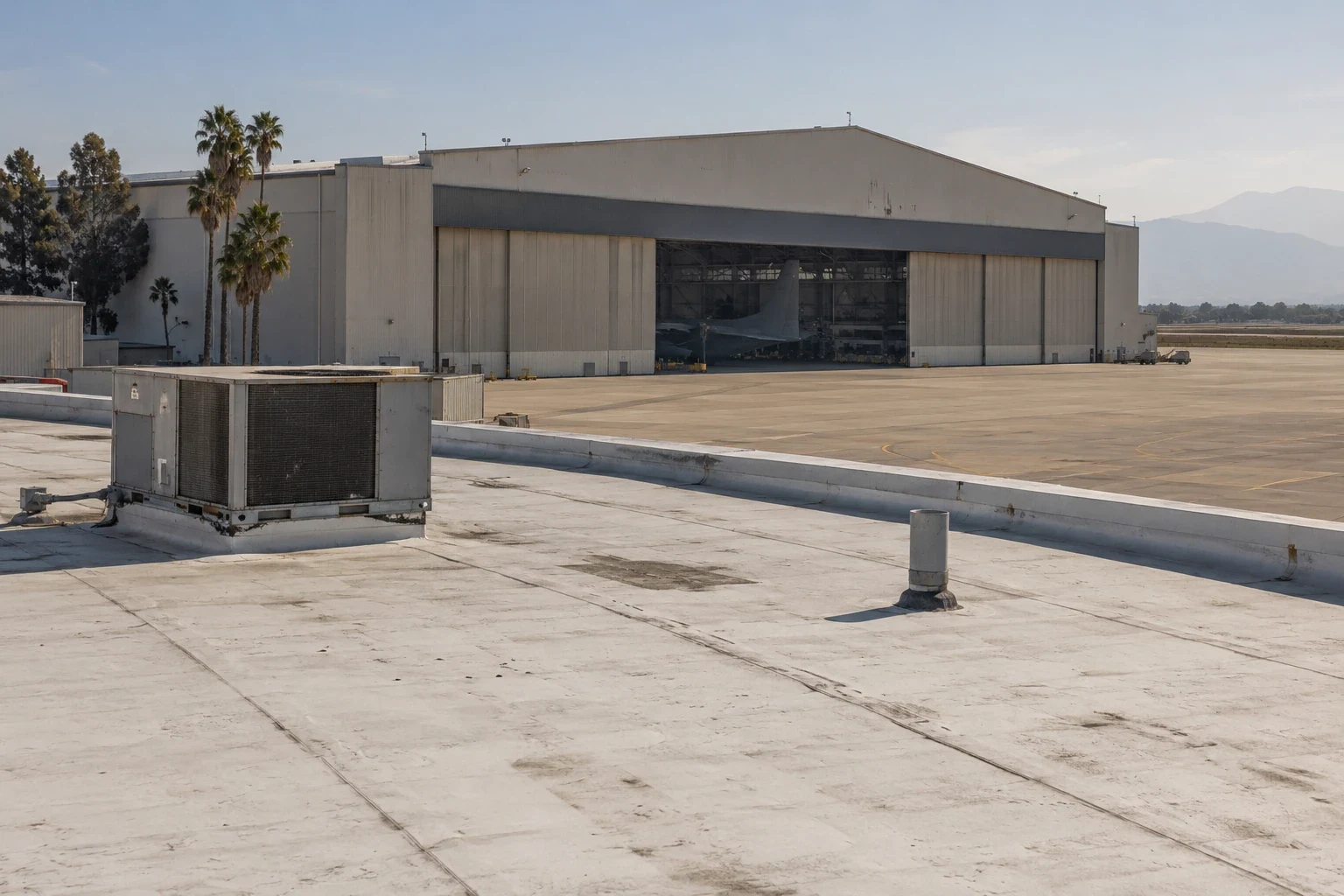
We identify the assigned building, roof section and area beneath the proposed opening with the station representative. Site access, delivery limits and any required protection are confirmed before scheduling. We inspect the actual roof, the leak report, seams, edge metal and nearby equipment. Hangar roof repairs need a plan for the bay and overhead equipment; warehouse roof repairs need a plan for stored goods. For a project handled through our commercial roofing in Long Beach, the site and approved access are confirmed with its contact. Restricted areas and unfinished roofing stay visible in the work record.
We open only the area the representative has approved. The backing, fasteners and membrane edge are photographed before they are covered. If the substrate is wet or crumbling, we stop and show the contact before removing more. The added rebuilding is priced separately and kept outside the original repair until it is approved.
Commercial Roofing Questions
Why does a wall flashing repair need more than another strip of membrane?
Because the flashing has to fasten to sound backing. We check the wall and backing behind it, and wet or rotted material may need to be removed past the visible split. If the wall itself needs repair, another contractor may handle it. Compare complete repairs before accepting a strip of membrane as the whole fix.
What approval is needed before opening the roof over station rooms?
The station contact reviews how much roof we plan to open and how materials will move. Station staff arrange access and protection for the rooms and equipment below, and equipment specialists make their own decisions. That protection is priced with the tear-off and repair. An inspection visit alone is not approval to open the roof.
What supports keeping the existing roof layers in a local repair?
Testing where it matters. We use infrared scans, roof records and core cuts, and take the weather during the scan into account. Test cuts are permanently patched and the space below is protected. The results show whether the layers can stay, need to come out or need more testing before you approve the price.
What happens if damaged backing means a bigger opening?
We show the added area and explain what we found. Station staff review the newly affected rooms, access and protection before we open more roof. Changes in handling and preparation are priced with the extra roofing. Approval for one area does not automatically cover another.
Plan the Coast Guard station wall and roof repair
Send us the building, where the leaks show up and any roof records you have. Working with your station contact, we will inspect the roof and price the backing repair, wall preparation and protection needed for a lasting flashing repair.