Military Hangar and Maintenance Facility Roofing in Downey, CA
Downey-area military hangar roof work starts with the subject building. Examine backing, adjoining components and protection required during roof removal.
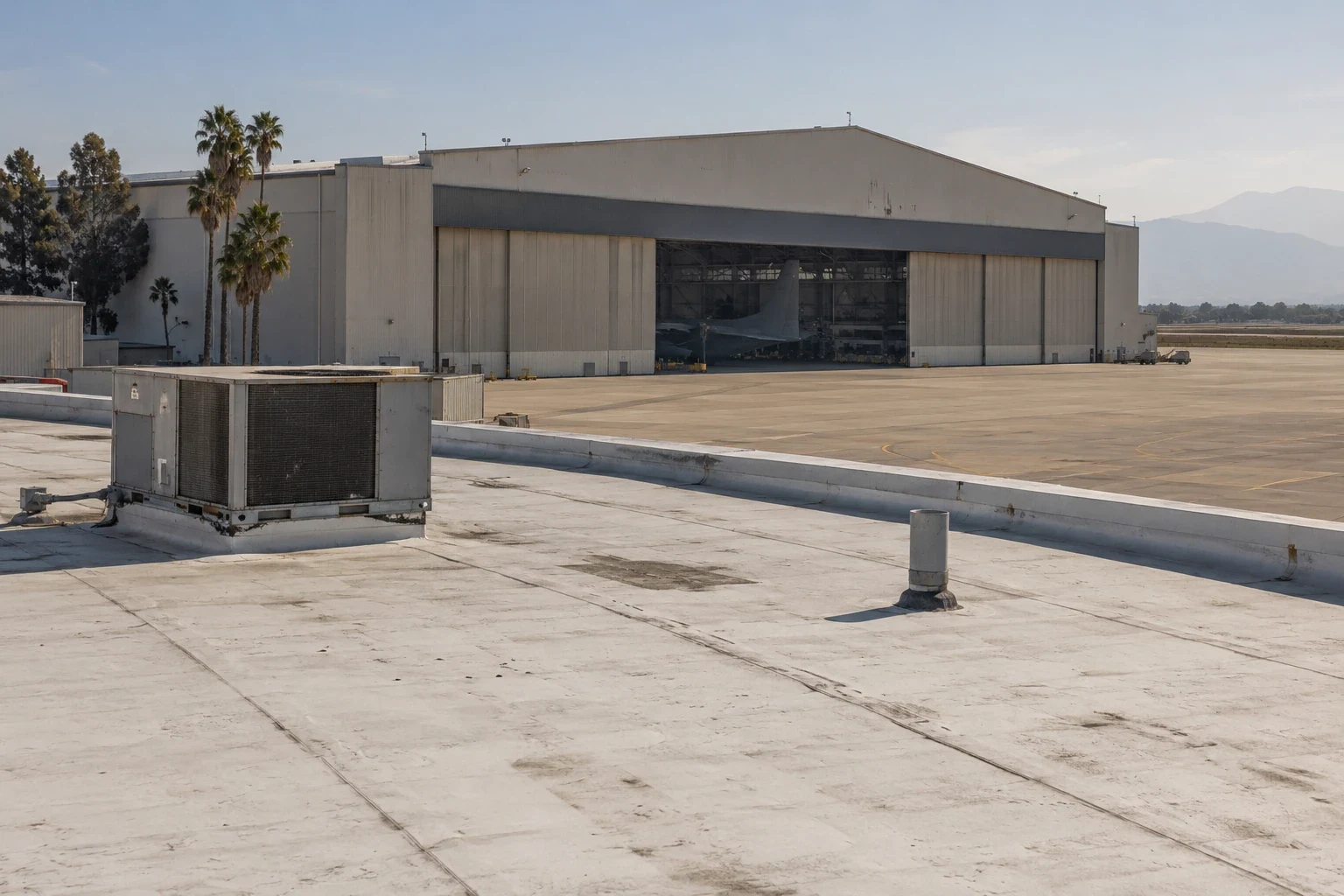
A hangar roof repair has to protect the work bay below. Start with the roof section above the reported leak or damaged seam. Identify the interior clearance, overhead equipment and operating area beneath the opening. Then check the roof material, seams, edge metal and penetrations. A wide-span roof can have long panel runs and few interior columns, so a small opening still needs a clear closure plan.
For a Downey-area assignment, separate the roofing inspection from installation access rules. The owner or authorized base representative sets site permissions. The roofing contractor identifies the repair, material and protection required. Our military installation roofing scope should show the work that can be priced from an actual inspection, without assuming a particular installation uses a particular roof system.
Locate the opening above the space being protected
Locate the leak or damaged area from both sides of the roof when access allows. Match any interior drip or stain to the roof plan. Water can travel along a panel seam, purlin or deck before appearing inside. Inspect the closest seams, curb flashing, skylights, drains and perimeter. Photograph the visible defect before removing material.
A leak repair that follows the water path to a roof detail should name each location checked. Identify what the crew found and what it could not reach. Do not use a room stain as the full repair boundary. If a second opening is needed, explain what question it will answer and how the bay below will be protected.
Keep separate leak reports apart until the inspection links them. A nearby seam may look similar and still need its own check. Use roof-plan markers and interior references that the facilities team can find later. The repair proposal can then distinguish a confirmed opening from a suspected route.
Follow the seam into usable repair material
Access and protection shape hangar roof work. Confirm the work zone, roof hatch, lift route and equipment clearance before scheduling removal. Identify activity below the repair and the point where the bay can be isolated. The installation contact should approve access and any effect on operations. The contractor should describe how it will contain debris and close the roof at each stage.
Where a hangar roof replacement or repair requires staged work, price each stage with its setup, protection and permanent flashing. Smaller openings reduce the area exposed but can repeat mobilization. A wider opening can simplify a long seam repair while increasing protection needs below. Compare complete scopes rather than material quantities alone.
Choose staging based on the opening size and the work below. A narrow repair may let normal activity continue outside its protection zone. A long seam replacement can need a larger exclusion area and more debris handling. Put the boundary on a sketch. Identify where tools, removed panels and replacement material will travel so crews do not carry them across an active bay.
Before removal starts, agree on temporary cover and the stopping point for the shift. If weather or access changes the sequence, record which opening is protected and what remains. A temporary cover keeps the building dry for the moment; it is not the finished roof repair.
Include the backing that lets flashing finish
Inspect the roof panel, membrane or built-up assembly actually installed. Check the profile, fasteners, seams, laps and previous patches. A metal panel can move with temperature changes, while a membrane relies on compatible seams and flashing. The repair needs a method suited to that system. Do not specify a material from the building label alone.
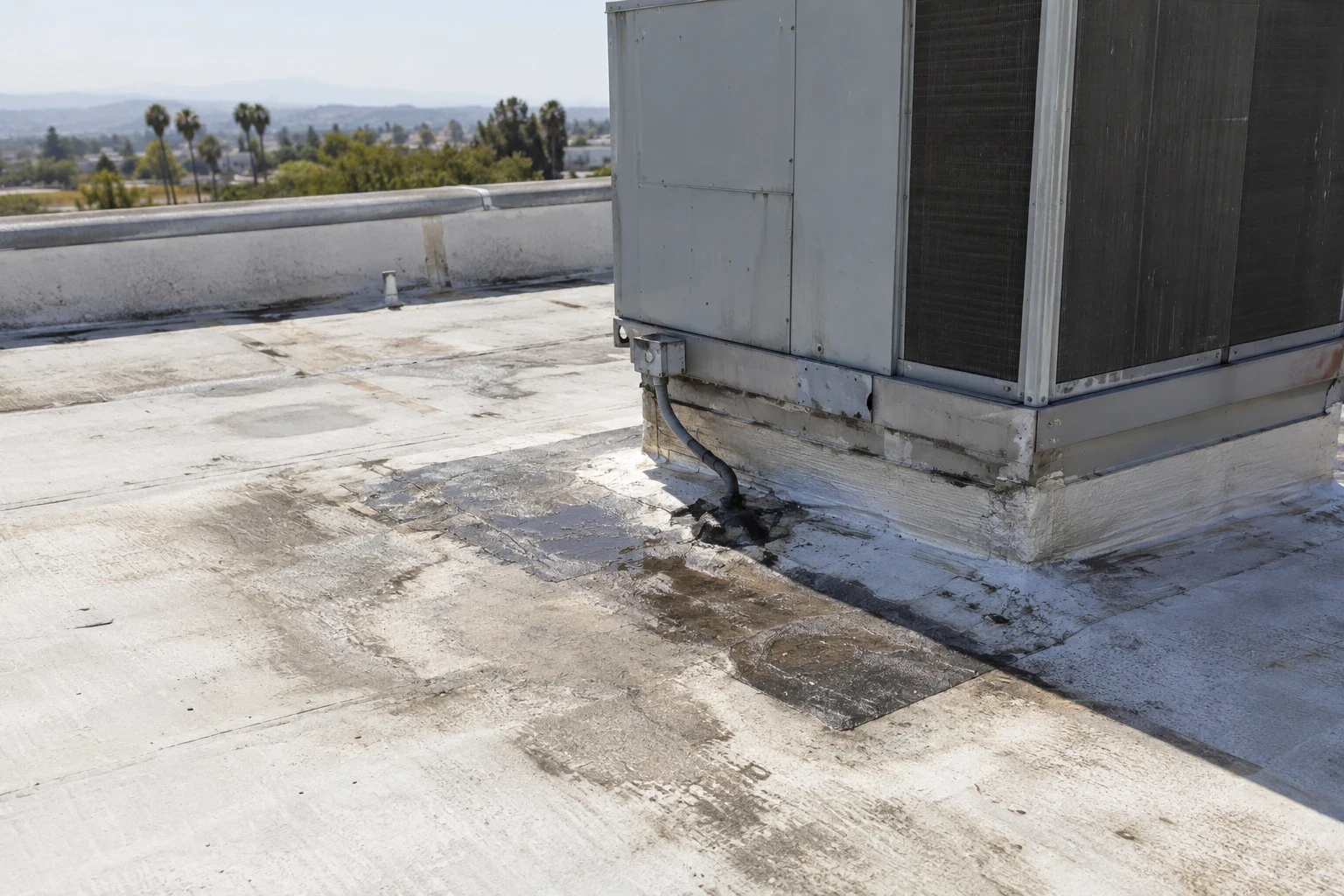
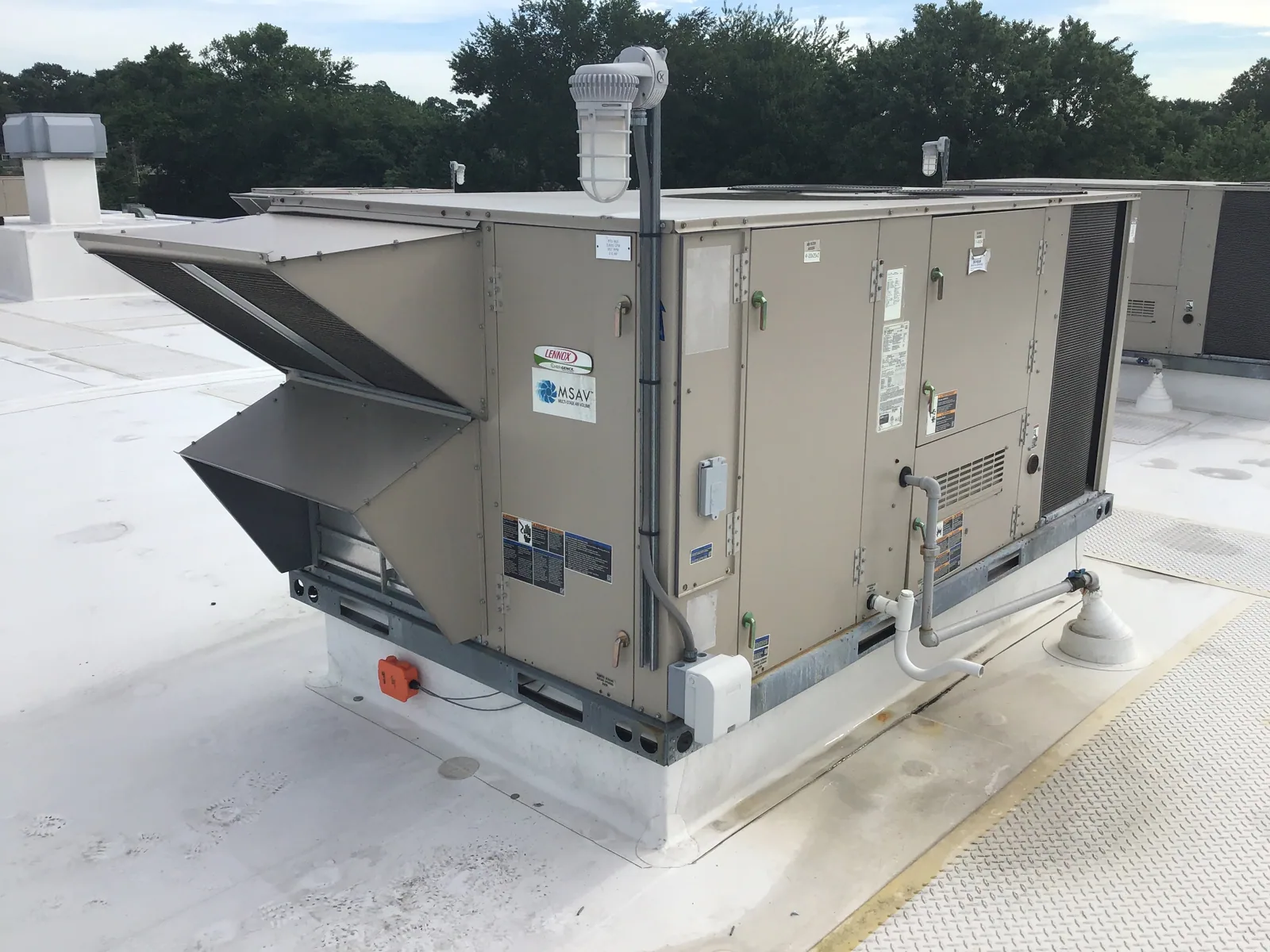
At a curb or rooftop unit, inspect all sides of the flashing. Look for split corners, loose metal, movement or deteriorated support. A curb repair that includes the roof-side connection should show whether equipment work must happen first. The unit operator may need to secure or move equipment. Keep that action separate from roofing unless the project assigns both tasks.
On metal roofs, inspect clips and fasteners near the damaged panel. A loose fastener can permit movement or admit water through its washer. Do not tighten a line of screws without checking the panel and support. Include replacement or support repair only where inspection finds a need. Mark the exact panel run so the field crew can match the scope to the roof.
Check hangar roof edges and large door transitions carefully. The door track or supporting structure may fall outside roofing work, but the membrane and metal at its roof boundary still need a defined termination. Identify the receiving surface, fasteners and sealant required. Ask the appropriate project specialist to review structural changes before the roof detail depends on them.
Confirm concealed material before choosing retention
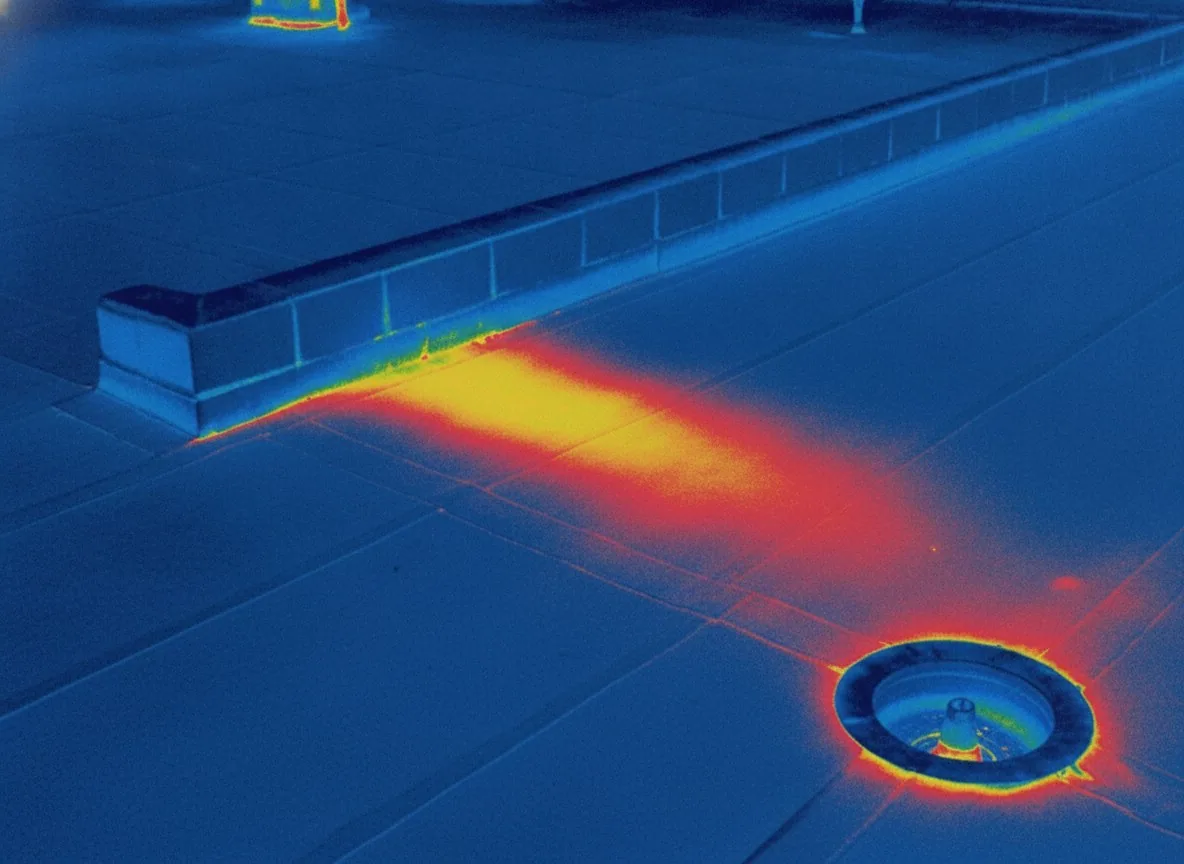
Use a test opening or survey only to answer a specific condition question. Infrared patterns can point toward a location that needs confirmation, but they do not show every concealed layer. A roof survey that maps indications and confirmed test locations should keep its limits clear. The owner needs the roof section, test result and material found.
If removal reveals wet insulation or damaged deck, photograph it before reconstruction. Measure the affected area and price replacement layers separately from membrane work. Keep the opening protected while the owner reviews added work. Do not extend the removal into another bay unless the inspection shows why.
I-5 and I-605 intersect in Downey, while I-105 and I-710 serve the city’s southern and western edges. Before delivery, confirm the authorized entrance, vehicle requirements and material staging with the installation contact.
Document roofing completion and adjoining work still open
Close out the roof by bay and panel. Record the layers removed, repair products used, seams restored and flashing completed. Keep photos of the open deck or insulation before covering it. List any area that could not be inspected and any equipment or structural question still awaiting review. The owner should see the completed roofing work and remaining action separately.
For commercial work in Long Beach, site access and roof systems vary by property. Do not use a regional city or base name to identify the building under repair. The work order should name the property contact and roof section. An air-force facility roof scope also needs its own authorized location and review. Those are different building assignments, not evidence of shared roof conditions.
Keep the service record concise and practical. Mark each completed connection on the roof plan. Note the test or inspection that supports retained material. Identify anything left under temporary cover. This gives the next crew a clear starting point and lets the owner close the actual roofing task without assuming every building on an installation has been inspected.
Commercial Roofing Questions
What should a hangar roof repair quote identify?
Name the inspected roof section, installed assembly, defect and permanent repair. Include access, protection below, removal and closure. List equipment or structural work separately when another responsible party must act.
How can the repair limit disruption inside the bay?
Confirm the affected floor area, overhead equipment, access route and closure point before opening the roof. Compare stage size and protection needs. The installation contact sets operational permissions.
Does a thermal scan prove that hangar insulation is wet?
No. It can show an indication that needs interpretation and confirmation. Mark test locations, record the material found, and separate confirmed removal from areas that remain unexamined.
What information belongs in the roofing closeout?
Keep roof-plan locations, photos before closure, materials installed and details completed. List inaccessible areas and open equipment or structural items separately from finished roofing.
Define the military maintenance roof repair
Send us the building location, the roof problems you are seeing and any roof records available. Working with your base representative, we will inspect the roof and price the permanent repair, flashing details and protection for the bay below.