Aircraft Hangar Roofing in Downey, CA
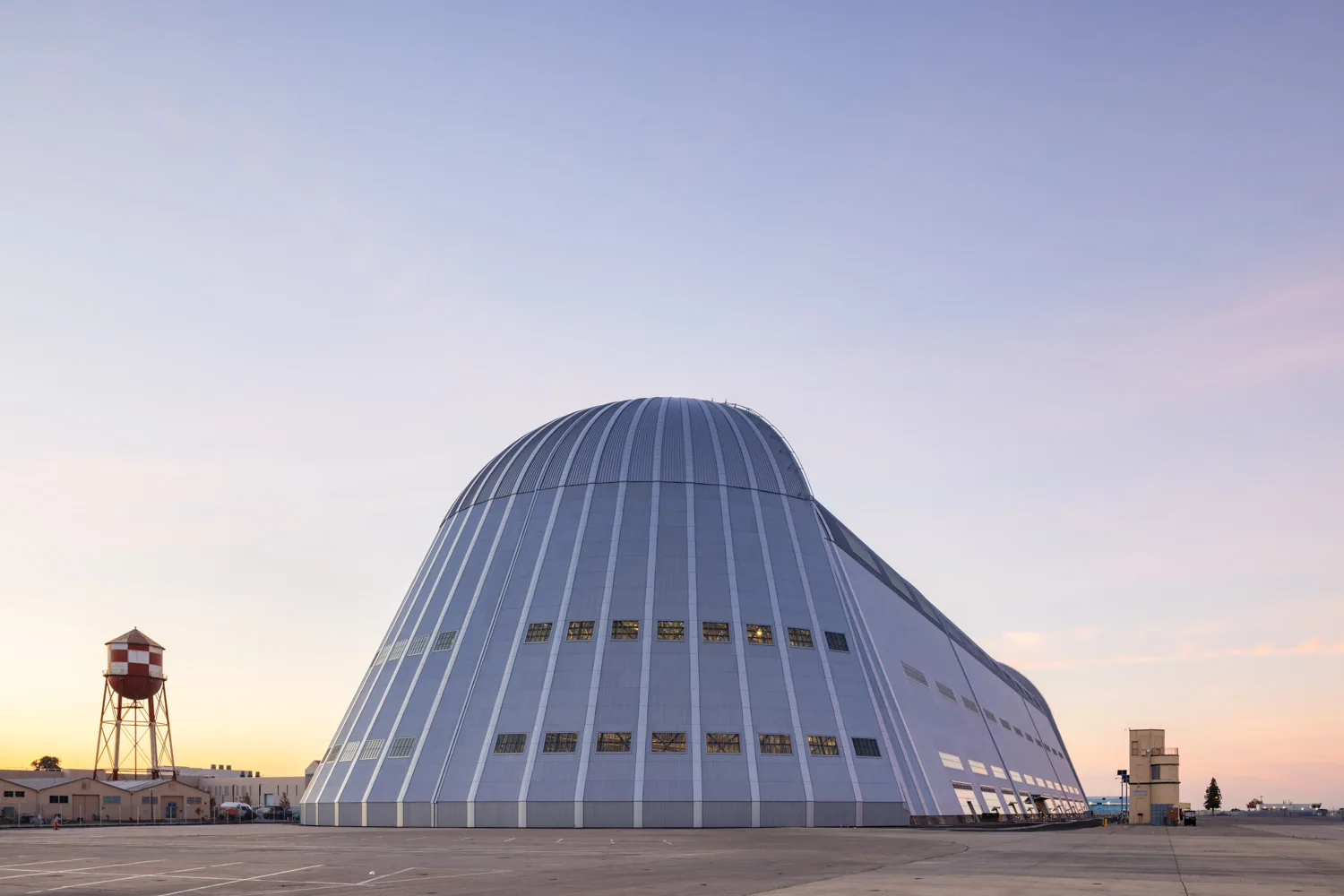
Aircraft hangar roofing for the Downey area: edge and backing repairs, curb flashing, moisture checks and roof openings planned around aircraft and equipment below.
On a hangar, the hard part of a roof repair is often what sits underneath it. A short section of failed edge metal can sit over a bay full of aircraft, tooling or parts. For a Downey, CA area request, we figure out how much roof has to be opened before anyone compares bids. We inspect the roof and explain where a lasting repair can tie in. The hangar operator reviews the space below and how materials will move, and the people responsible for aircraft and equipment decide how those are protected. That protection is priced with the tear-off and repair, because membrane square footage alone does not cover the real job.
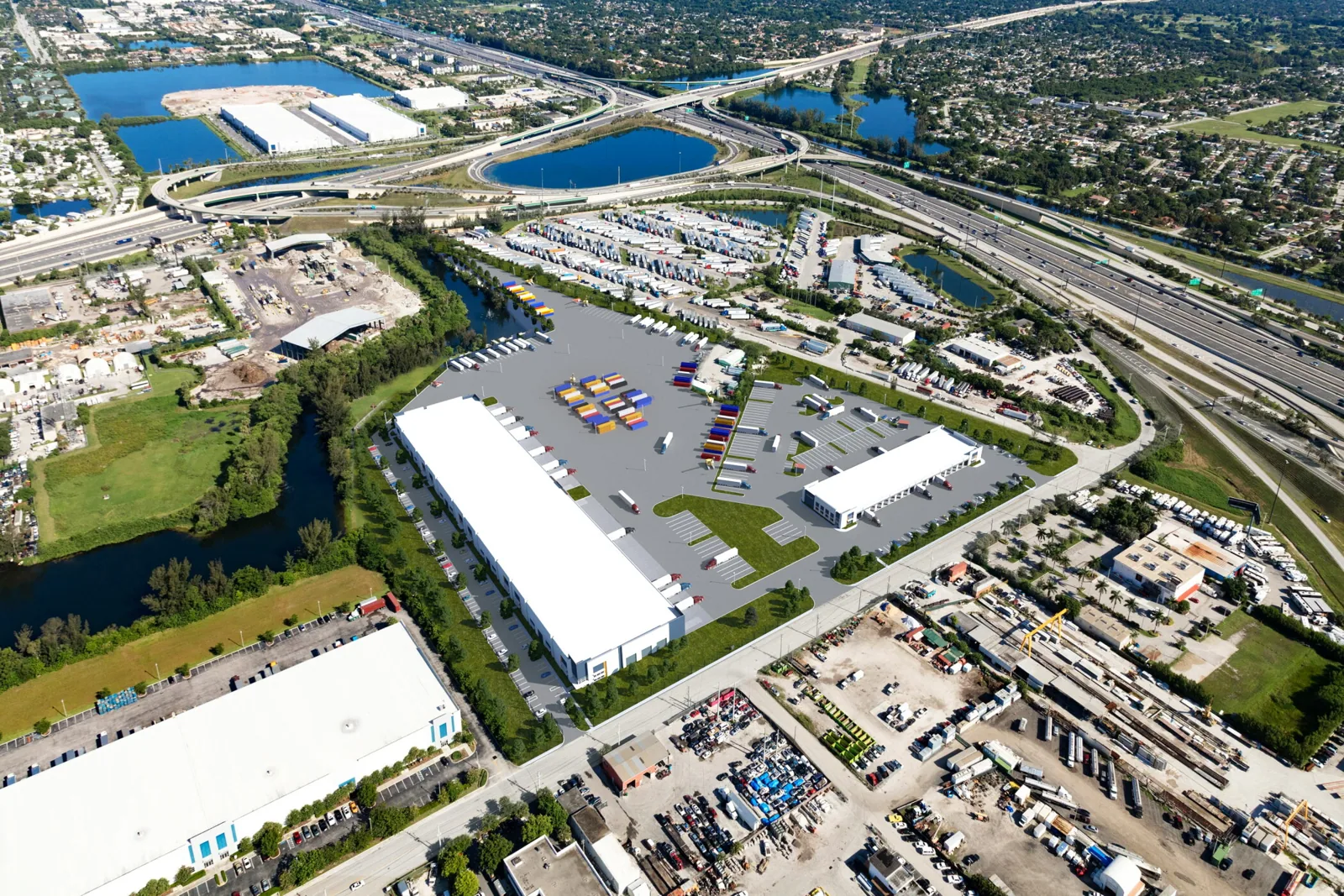
Long Beach Airport is outside Downey, in the wider area served by regional roofing work. For a hangar request, send us the building, an operator contact, where the leaks show up and any roof records you have. We inspect that specific structure and base our recommendation on what we can see and the area we are cleared to work in. The operator confirms access before we go up.
Check the backing behind a failed roof edge
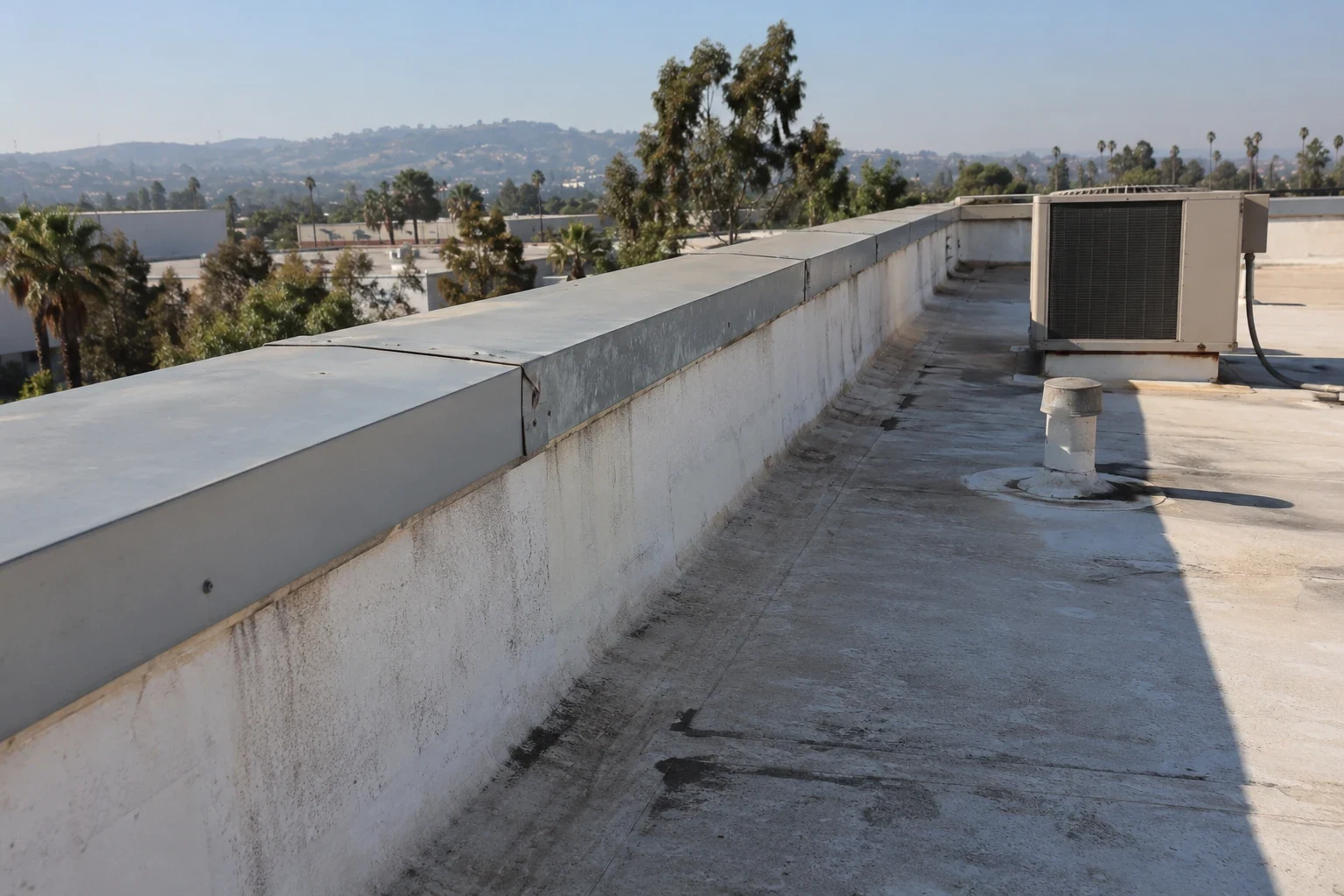
A damaged hangar roof edge often needs more than new metal. Our edge metal and coping repair work starts by checking the wood nailer and wall behind the metal. New edge metal has to be fastened into something solid. If the nailer is rotted, it has to come out, and the repair extends to where the wood is sound. Wall repairs may belong to another contractor, and we list that work next to the roofing so nothing falls through the gap. The price should cover an edge that is actually finished, not just new metal over bad wood.
The visible gap rarely shows how much needs to come off. We check the membrane around the edge where the repair will end. Cleaning sound material is one thing; cutting out damaged backing is another, and it changes the price. We tell you which applies. New metal cannot make rotten blocking hold a fastener. Knowing this helps the owner compare two edge proposals fairly instead of just picking the shorter length of metal.
Get operator approval before opening the roof
Permission to walk the roof is not permission to tear it open over an aircraft. Our occupied-building reroofing plan shows the operator how much roof will be open, how materials come up and how debris comes down, and which bays are underneath. The operator arranges access and decides what has to be moved or covered below. Aircraft and equipment specialists make their own decisions about their equipment. We price the protection that comes out of that review and confirm the plan on site before tear-off starts.
If the rotten backing runs further than expected, we show you the larger opening first. There may be different aircraft or equipment under the added area, so access, protection and handling get reviewed again. Those changes are priced along with the extra material. Approval for the first area does not cover the next one. If the permanent repair has to wait, a temporary seal keeps water out, and it is listed separately from finished work.
Include curbs and equipment flashing in the price
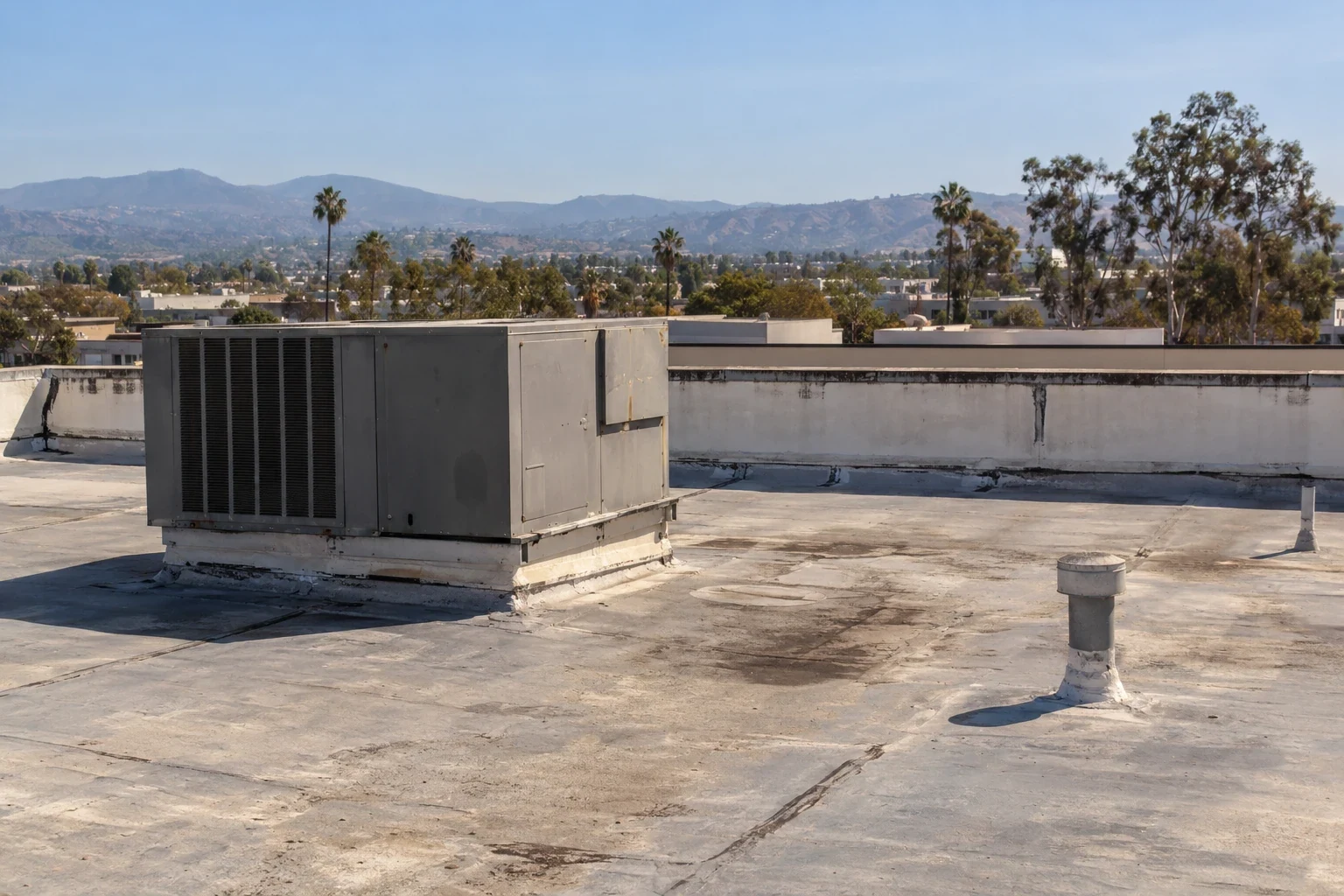
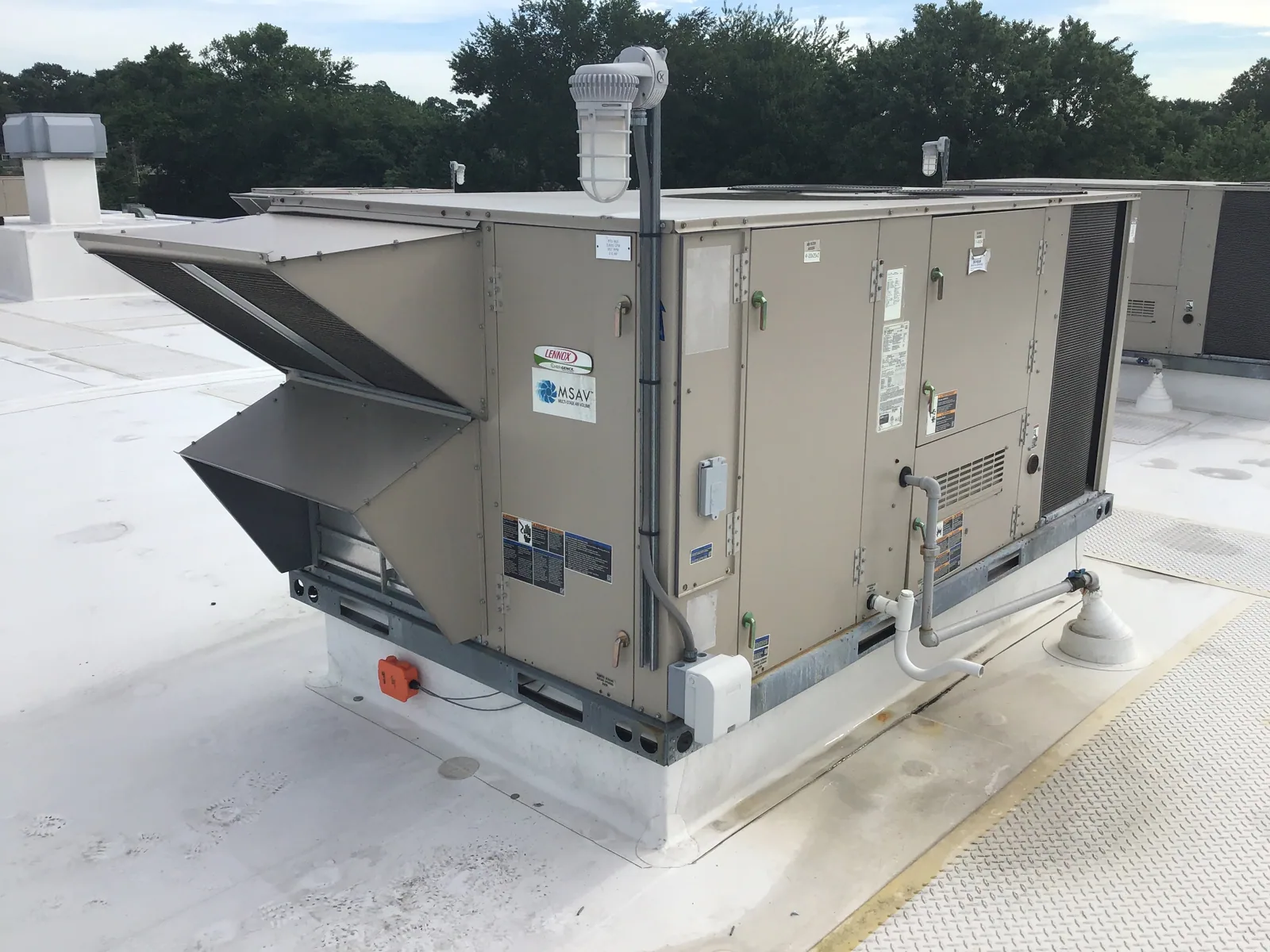
Many repairs run into a curb or equipment stand before they reach sound roofing. Our curb and equipment support work checks the flashing and the roof around each unit. The mechanical contractor handles servicing and moving units, and an engineer weighs in if supports need to change. We identify where the new membrane will tie in at each curb. Work by other contractors stays visible in the overall plan. A quote that only covers the open field of the roof can leave the curbs leaking, so the owner should see who does what before comparing prices.
The flashing method has to match the roof. TPO and PVC need clean, weldable material. Other roof types need compatible primers, adhesives and fasteners. Dirt, oil or aging can make a sheet that looks fine impossible to bond to. We separate membrane that only needs cleaning from membrane that has to be cut out. If raising a curb or changing how water drains is part of the fix, it may need an engineer's review, and we include that in any larger option before you compare costs.
Check for wet insulation before keeping the old layers
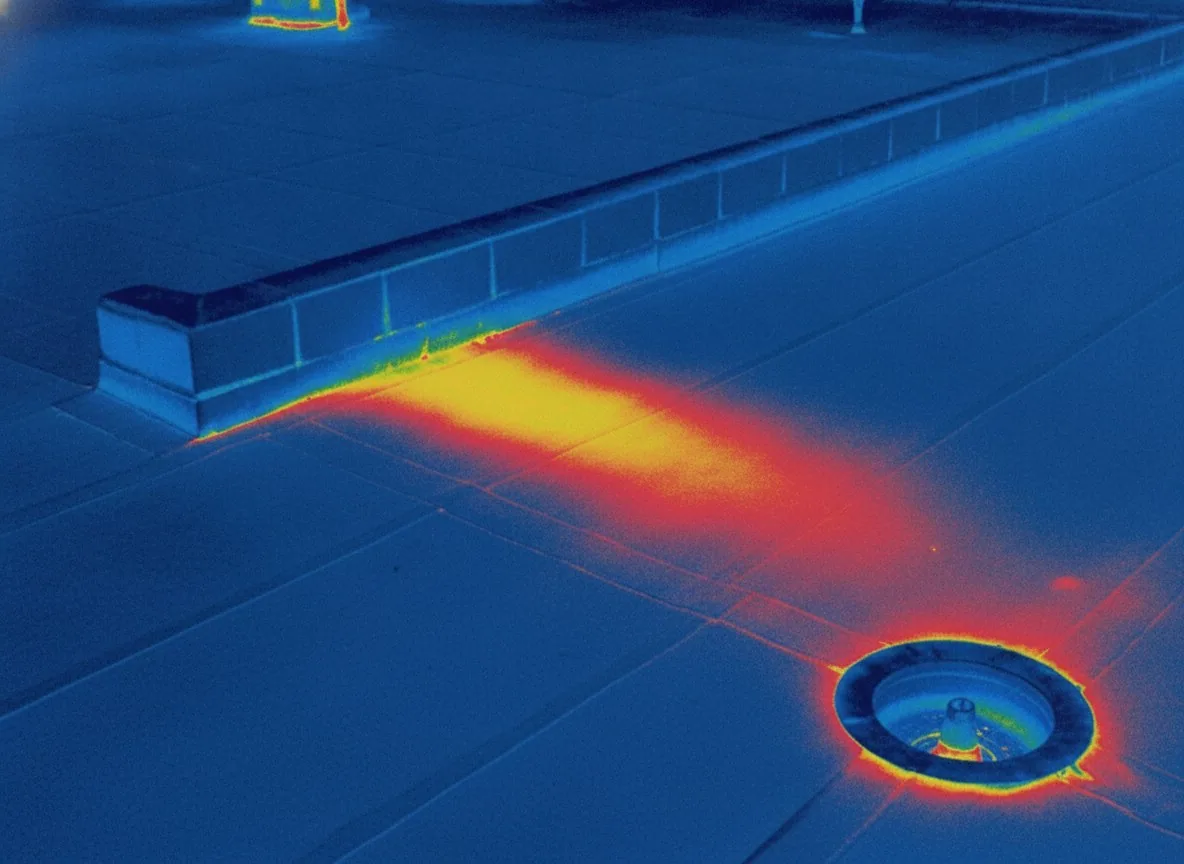
A hangar roof can look intact while the insulation under it is soaked. Our infrared moisture survey compares thermal scans with the roof records. Weather and recent rain affect the readings, so suspect spots are confirmed with core cuts. A scan can find likely wet areas but cannot prove the whole roof is dry. We test wherever keeping the old layers would change the repair method. Test cuts are patched as part of the survey, and protection under them is reviewed with the operator.
When a wet area is confirmed, we mark how far it goes. If moisture is widespread, more testing may be needed before choosing a method. We explain what the cores showed and what is still unknown. Covering wet insulation with new membrane only hides it. The owner should understand why layers are being kept or removed before comparing options. Each price then follows the actual condition of this hangar's roof.
Record finished repairs and remaining work
Closeout photos show the finished edge metal, membrane and curb flashing. They include patched test cuts and any backing problems found during tear-off. We photograph sound substrate before it is covered. Temporary seals are marked separately from permanent repairs. Any work still needed from other contractors at a detail is listed. A dry roof does not mean every other system is fixed. The operator gets a clear list of what remains, so the next estimate starts from the work actually unfinished.
A hangar roof can span a large clear bay with limited room for interior protection. We identify the panel or membrane, the damaged run and the space below. We check long seams, roof edges, skylights and penetrations around equipment. For a hangar project near Long Beach, the building contact still needs to confirm access and the lift path. Aircraft, tools and other contents under the opening must be protected. Warehouse roof repairs and manufacturing roof work raise different operating needs, but each requires a secure stopping point. We price the access setup, removal, backing repair, panel or membrane replacement and final closure together, and mark the work area on a roof plan. The manager can then compare a spot repair with replacement of a longer panel run without leaving out the protection and lifting either one needs. I-605 and I-105 connect Downey with neighboring cities. The building operator confirms approved access, delivery and lift arrangements for the job.
Commercial Roofing Questions
What should a hangar edge repair price include besides new metal?
It should include the wood nailer or wall backing the metal fastens into. If that backing is rotten, it has to be removed and replaced, or repaired by another contractor, before new metal goes on. We price the membrane tie-in alongside that work so you are comparing complete edge repairs, not just lengths of metal.
Does permission to inspect the roof allow opening it over aircraft or equipment?
No. The operator reviews the planned opening and arranges access and protection for the space below. The people responsible for aircraft and equipment make their own decisions. We describe how materials and debris will move so those plans can be made, and the full work area is confirmed before tear-off.
How do you decide whether existing insulation can stay?
We test wherever keeping the old layers affects the repair method, using infrared scans, roof records and core cuts. Test cuts are patched and protection below is reviewed. The results tell you whether the layers can stay, need to come out or need more testing before you approve the price.
What happens if more damage extends the hangar roof opening?
We show you the added area and why it is needed. The operator reviews the space underneath, how materials will move and the protection required before we open more roof. That preparation is priced with the extra roofing. Approval for the first area does not automatically cover the new one.
Plan the hangar roof opening and repair
Send us the building, where the leaks are showing and any roof records you have. Working with the hangar operator, we will inspect the roof and price the backing repair, the permanent fix and the protection needed for the space below.