Home / Commercial Roofing Services
Edge Metal, Coping and Gutters in Downey, CA
Edge metal, coping and gutter repair in Downey, CA. We check the wood backing and membrane seal behind each piece and price the full watertight edge.
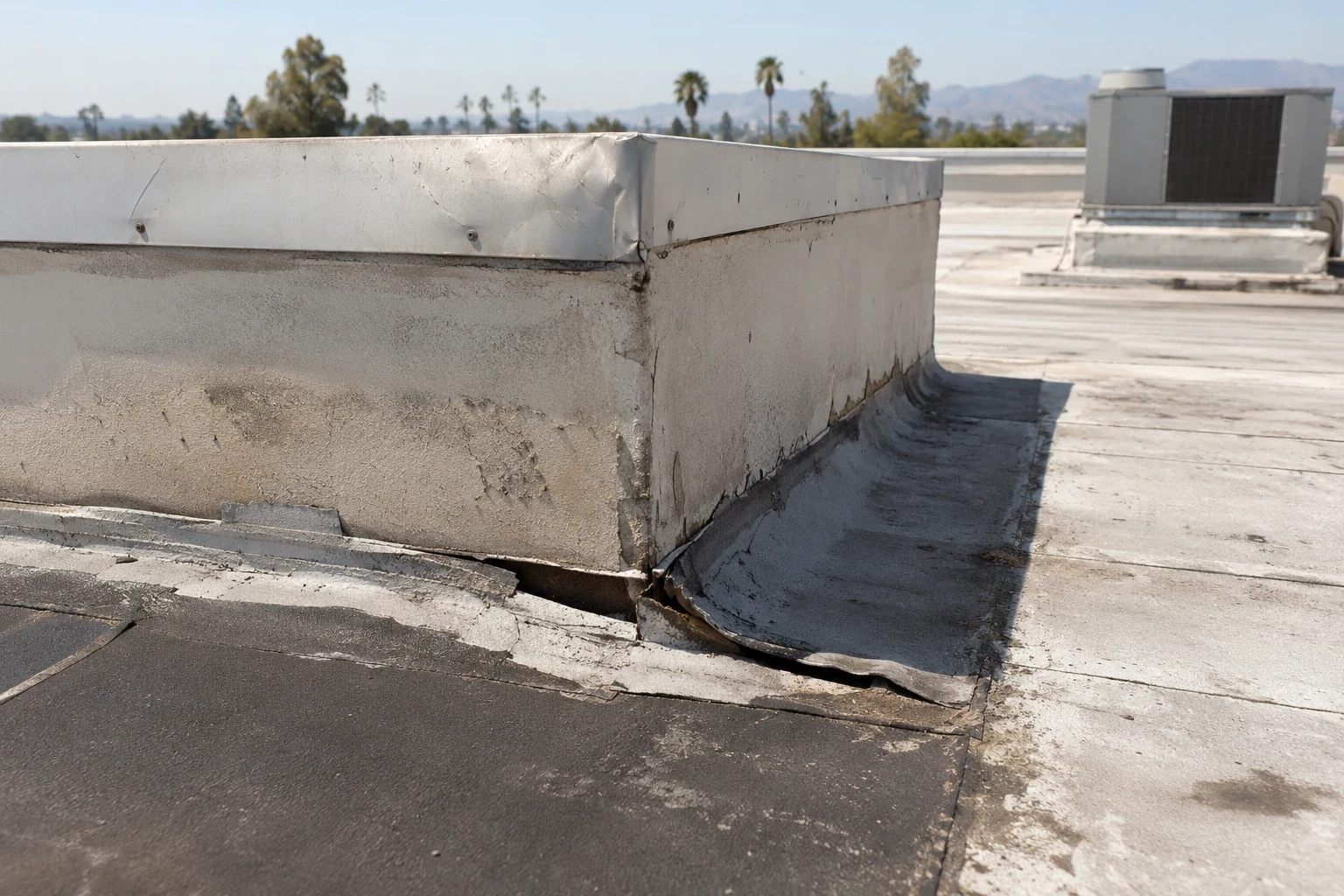
A price for new edge metal should include what that metal is fastened to. Rotted nailers and loose blocking change the job before the roofer even reaches the edge. Edge metal, coping and gutter work in Downey, CA means inspecting each piece along with the roof membrane it seals against. We check what we can reach and what each repair will tie into. The manager gets removal and prep work listed next to the new metal, because a price per foot of metal does not describe a finished, watertight edge.
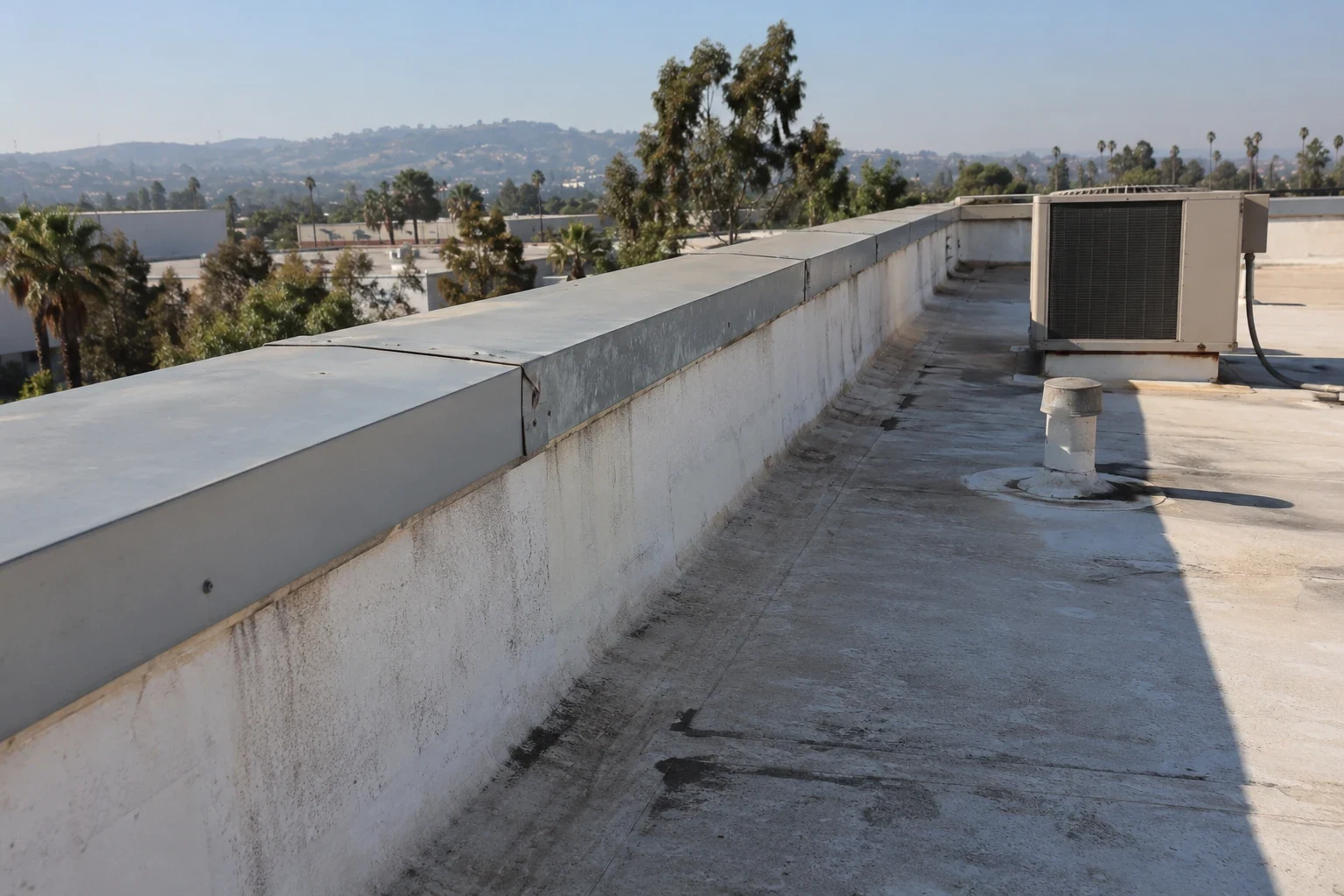
Roof edges need the coping, cleats, laps, membrane termination and wall backing inspected together. We identify loose metal, open joints, corrosion or failed flashing, then determine which components can remain and which need replacement. A gutter repair also needs a sound slope and a secure outlet connection. The estimate describes the perimeter sections and tie-ins required to leave the edge weather-tight.
A clear estimate shows the damaged pieces and the backing repairs together, and lists any work another trade has to do first next to the edge it affects. The crew then shows up to do a complete job, not just swap metal over backing nobody checked.
Map the metal and the roofing beside it
We confirm which edges, coping runs and gutters are part of the job, then inspect each one along with the roof material next to it. Damaged joints, loose cleats and old sealant repairs get marked by location. "Edge metal" covers a lot of different profiles and details, so we identify exactly what is there.
A roof edge inspection shows where repairs start and stop. Backing we could not see and fasteners hidden under the metal are listed for a closer look once the metal is opened. The manager can see which parts of the scope are confirmed and which still need checking.
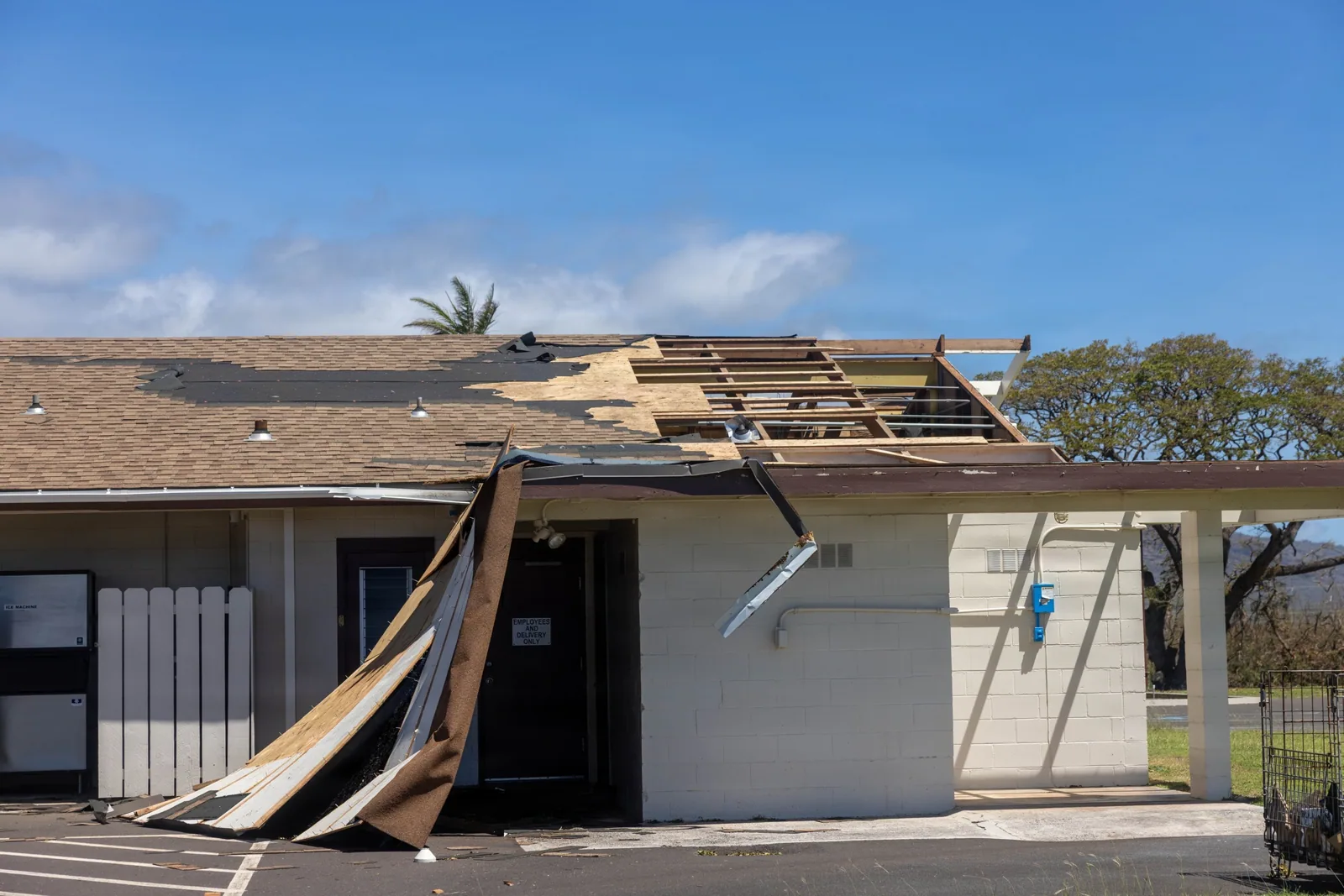
A wind damage repair at the roof edge has to match the existing roof and meet the fastening requirements for the new metal. Original drawings help, but we go by what is actually installed. If the drawings and the roof disagree, we sort that out before ordering. The repair plan describes the membrane work and the backing it fastens to at every section being replaced.
Repair the backing under new metal
Pulling old metal often reveals rotted or loose wood behind it. We check the backing where we need to and say what we could and could not see. Wood we know is bad is listed separately from sections we have not opened yet, and the cost of replacing it sits right beside the metal price.
Where insulation or cover board at the roof edge is wet or crushed, we note how much comes out and what goes back. If there is a structural concern, such as a damaged parapet or deck edge, we recommend the right reviewer before relying on it. New metal on top cannot tell you whether the wood under it is sound.
If removal uncovers more bad backing, we mark where, explain the added work and get approval before going ahead. The open edge is protected while that is decided. Approved changes are tied to the actual lengths of edge they affect, so the manager can see why the cost changed instead of receiving a metal price that quietly assumed every hidden repair was included.
Check coping and the wall before choosing the detail
Coping sits on top of a parapet wall, so the repair has to account for both the roof and the wall. We check the cap, the splice plates, the wall backing and the membrane running up the inside of the parapet. Wall or masonry damage is listed separately from the roofing work, and any old coatings we cannot identify get checked before we plan around them.
A flashing repair at the parapet describes how the membrane will be finished under the new coping. If new blocking or insulation changes the wall height, the coping and flashing detail may need to be redesigned. A different metal profile does not automatically fit.
We describe the removal, backing repair and new coping products together, tied to each location, so the property manager compares complete work rather than just lengths of metal. If a mason or another contractor has to repair the wall first, we list that step and who to call. Our crew starts the permanent coping only once that work is actually done.
Keep gutter work separate from drainage design questions
For gutters, we locate each run and its outlets, inspect their condition and describe the repair. Problems further down the line, like underground drains or downspouts tied into storm piping, stay separate from what we confirm on the roof. A plumber or civil contractor may need to look at those before the roof side is finished.
An outlet and scupper repair involves inspecting the actual drain or scupper that feeds the gutter. A new gutter does not answer whether the roof has enough drainage overall. If the repair depends on that question, we say who should review it.
The building's rules set material routes and work hours. If those rules split the job, we price the extra setup and protect unfinished edges in between. Our notes show which edges are finished and which are waiting on another trade. Metal sitting on site is not the same as a finished gutter, and the manager can see the difference by location.
Keep a record of the finished edge and what remains
Walk the roof edge and follow each coping or gutter section to its outlet. Check loose cleats, open laps, corrosion, failed sealant and separation from the membrane. At parapets, inspect the cap, splice plates and wall backing before ordering new metal. A gutter replacement also needs a sound slope and a secure discharge. Show metal lengths and tie-in work separately so a short piece of new coping does not leave an adjoining leak path open.
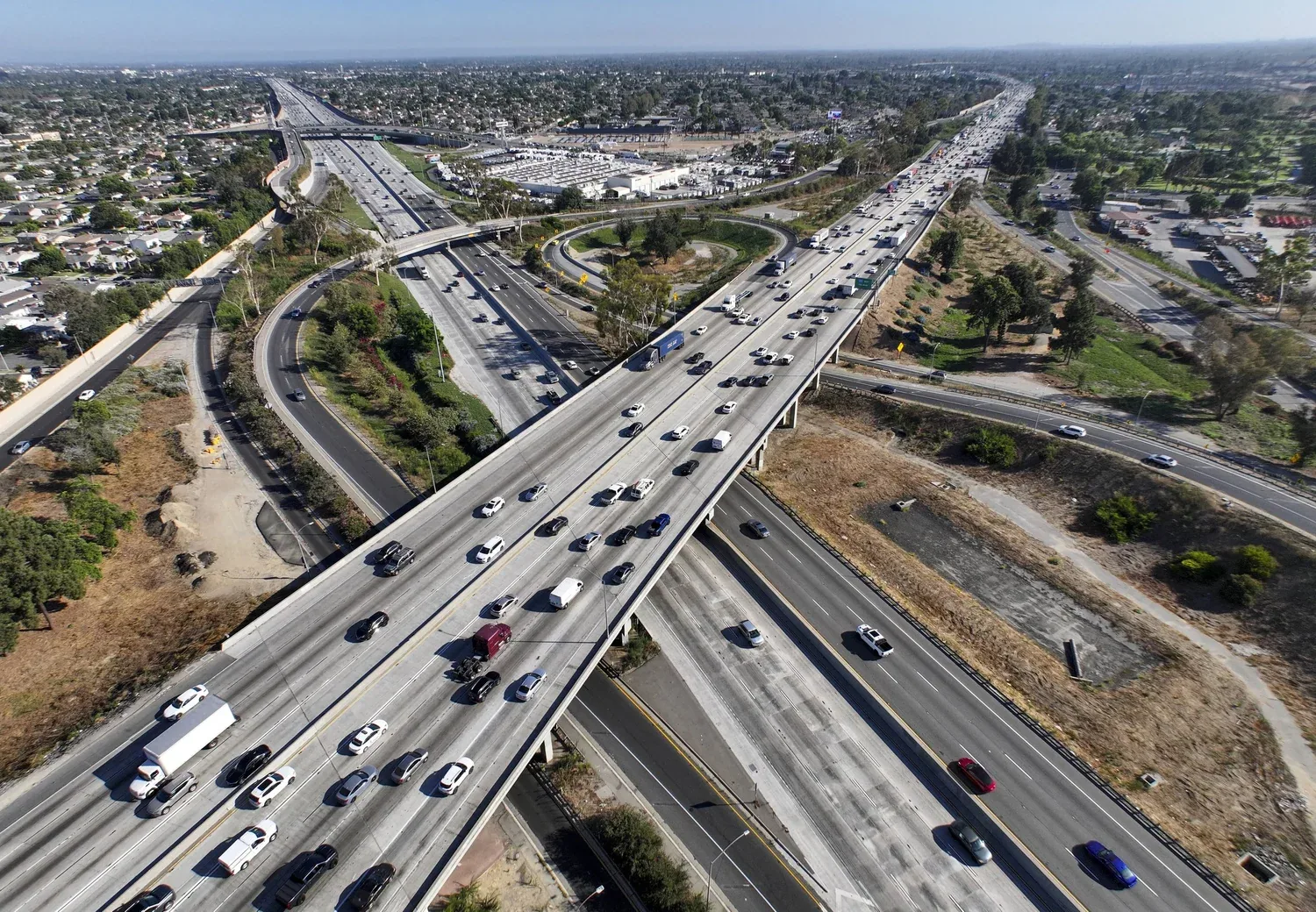
For buildings near the I-5/I-605 interchange, we confirm what edge and gutter work that specific property needs. A neighboring roof's materials or access setup does not decide this building's repair.
An edge repair report lists the products installed and the backing rebuilt, with photos and test results at each finished section. Approved changes are tied to the edges they affected. Backing we could not see and work still owed by another trade are listed separately. The property manager gets a usable record of what was fixed and what still needs attention.
Commercial Roofing Questions
What should an edge metal replacement price include?
The metal pieces, the membrane seal under them, and any wood backing repairs, each listed separately. Areas we could not inspect and work by other trades should also be shown, so you are comparing a finished, watertight edge rather than a parts price.
What happens if you find rotted backing when the metal comes off?
We show you where it is, explain the extra removal and replacement, and get approval before continuing. The open edge stays protected. Structural concerns go to an engineer before we rely on that backing.
When does a gutter job need another contractor?
When the problem is in downspouts, underground piping or overall drainage design rather than the gutter itself. We identify who should look at it and leave the roof-side connection unfinished until that work allows us to close it properly.
What records do I get after edge work?
The products installed, where backing and flashing were replaced, photos and test results, approved changes, and a list of anything still open. That gives the next contractor a clear picture before they recommend more work.
Price the full edge, not just the metal
Send us the address, which edges or gutters are affected and any drawings you have. We will inspect the metal and roofing, then explain the removal, backing repairs and any other trades needed alongside the new edge or gutter work.