Johns Manville Roofing in Downey, CA
Johns Manville roof repair in Downey, CA: we confirm which JM membrane is installed, check insulation and flashing, and price a repair that matches the system.
Johns Manville makes several roofing products, so the brand name alone does not tell you what is on your building. We check the membrane, any earlier patches and the layers underneath where the repair will go. Then we compare what we find with the product information available and price the seams, flashing and insulation work a lasting repair needs. We do not guess at hidden layers; removal is priced once inspection confirms what is there.
Johns Manville commercial roofing includes TPO, PVC, EPDM and APP or SBS modified bitumen product lines. These are very different materials with different repair methods. Knowing the roof is "JM" is a start, but the repair method depends on which of those membranes is actually installed.
The repair materials and installation method should match the existing roof assembly. We identify the membrane, the surface it is attached to and the details that are leaking before pricing a repair or replacement. We check the preparation and accessory requirements for that system and include the flashing, edges and drain connections that are part of the finished job. Your project file should keep a note of the product and where it was installed.
Confirm which JM product is on the roof
We start by comparing any roof records with what we see in the repair area. Old patches, coatings and repairs by other contractors often sit right where the new work has to tie in. If we cannot tell what a material is, we flag it and check further before ordering anything. A brand name or product category is not enough to choose the right flashing or seam method.
If the roof is Johns Manville PVC, we match the repair to the PVC installation instructions before choosing a seam or flashing method. A JM TPO or modified bitumen roof would need a different approach entirely. The identification and the repair method stay tied to the actual roof section.
Where a repair meets a GAF roof on another section, we identify both materials and plan the transition between them before ordering parts. Two similar-looking membranes from different manufacturers do not always bond to each other. You will know which findings the material order is based on, and which old patches or coatings might still change the detail once the roof is opened.
Price insulation repair separately from the membrane
We check the insulation and cover board under the membrane in the affected areas. Wet, crushed or rotted layers are marked for removal, and we note which layers are dry and sound enough to keep. A new membrane on top cannot fix wet insulation underneath, so that work is priced on its own line.
We price insulation and cover-board repair from the layers we actually find, not an assumed amount. If the new system depends on the existing layers staying in place, we check them against the system's requirements. If a structural or design question comes up that a roof inspection cannot answer, we bring in an engineer before materials are ordered.
Once the roof is opened, the damage sometimes turns out to be larger than it looked. When that happens, we measure the extra area, photograph it and explain how it changes the repair. We get your approval before extending the tear-off, and we keep the open area protected while you decide. The original inspection limits stay on record next to what we found later, so you can see exactly why the quantity changed and which costs belong to the insulation repair versus the new membrane.
Build seams and flashing to the JM instructions
Seams and edge terminations are built to the instructions for the specific Johns Manville product on the roof, and the flashing method follows the same instructions. We check the existing surface at every point where new material meets old, and we include any cleaning or cut-back needed before the two can bond. A detail that works for JM TPO should not be used on a JM modified bitumen roof just because the brand is the same.
A modified-bitumen roof needs its own preparation and flashing detail, separate from a single-ply repair. We carry the right product requirements alongside the insulation and wall flashing affected by the work.
If the work runs up to a SOPREMA roof on an adjacent section, we identify the material on each side and plan how they will be joined. You should be able to follow the repair from identification through preparation and insulation repair to the finished roof. Any open questions about materials stay on the list until they are answered, so nobody assumes every joint can use the same parts and method.
Line up equipment work before the roofers arrive
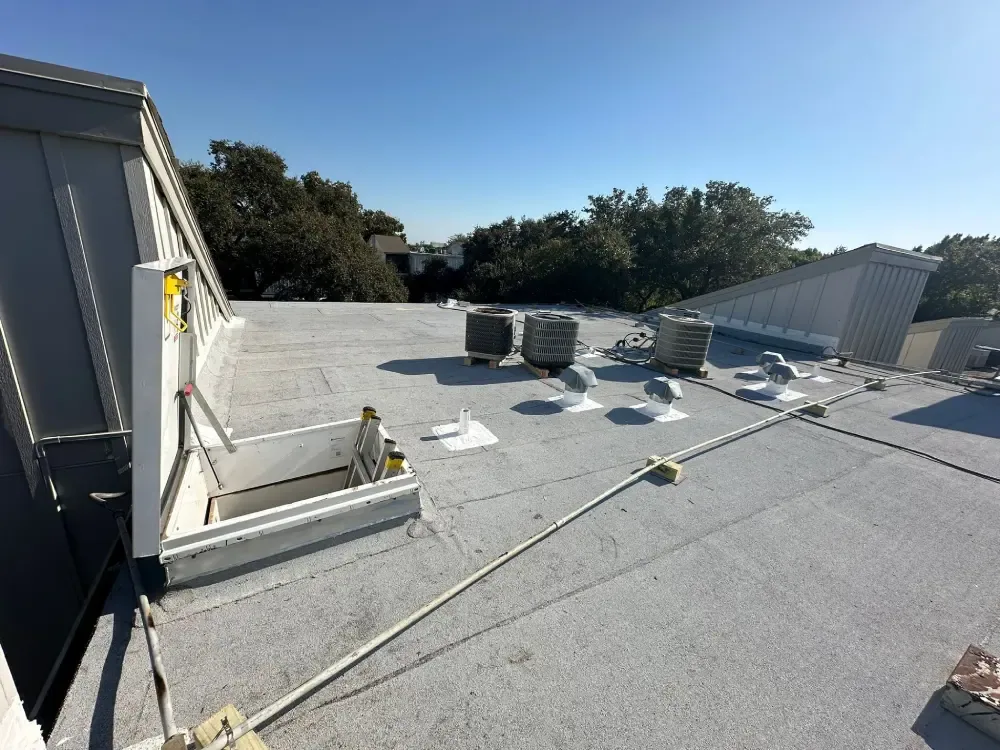
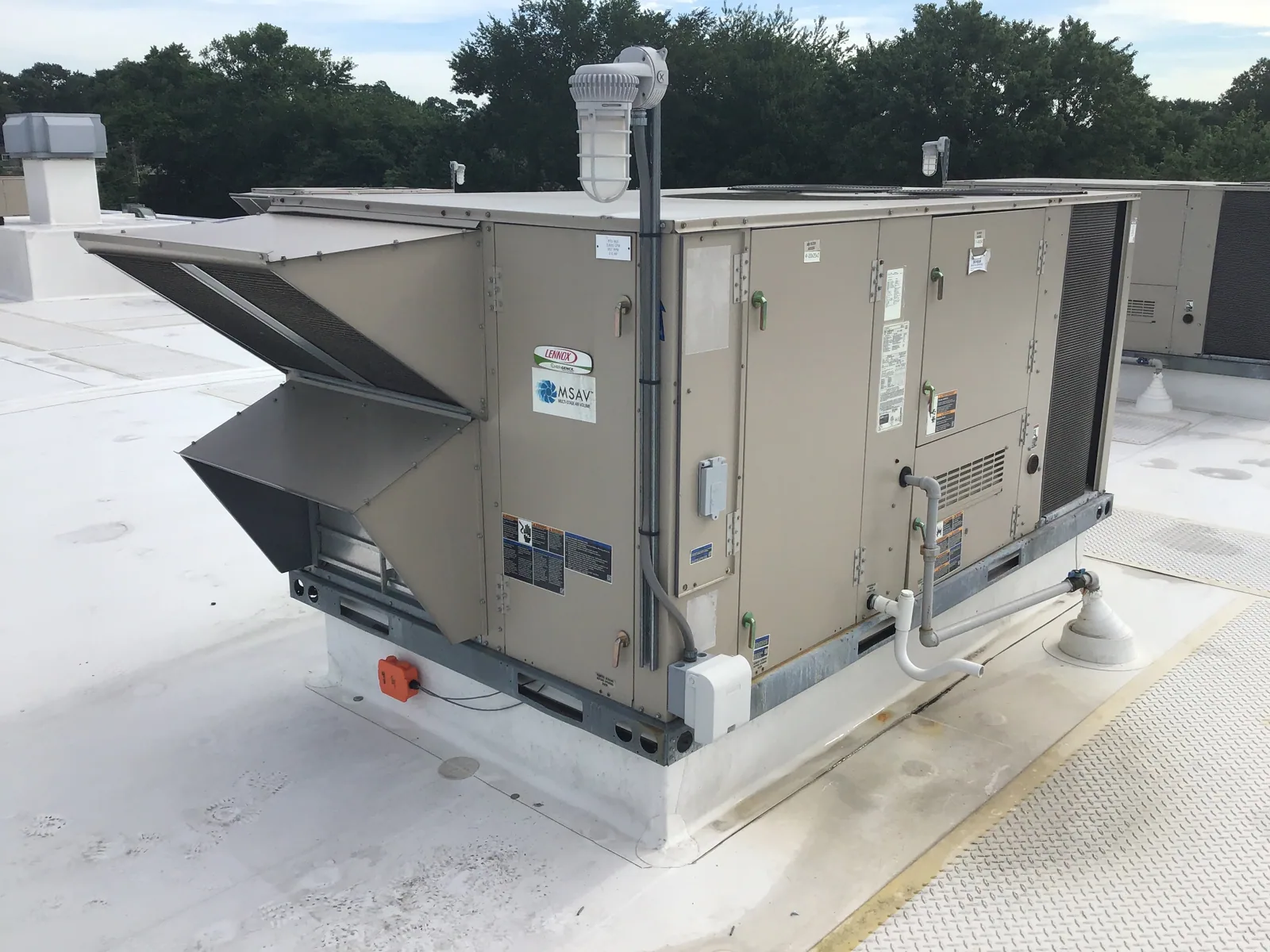
Rooftop units, ductwork and pipe supports can block the flashing that needs repair. We identify which equipment is in the way and what your mechanical contractor needs to do to give us access. That work is scheduled ahead of the roofing. Finishing the membrane nearby does not finish the job if a curb is still left unflashed.
For rooftop curb and support work, we coordinate the equipment work and price the wood blocking or backing needed for the flashing. If a thicker roof build-up changes how high the curbs need to be, we get that reviewed before assuming a detail. Equipment work and roofing work are clearly assigned.
For work on an occupied building, we confirm access, material handling and how the roof is sealed at the end of each day with your site contact. If the roofing is done in phases, the extra setup and temporary protection are included in the price. Unfinished areas are noted at the end of each work period, along with what has to happen before they can be completed. You get a practical schedule tied to specific roof areas, and a clear picture of what is done and what is still waiting on equipment work or a decision.
Keep the installed product and repaired areas on record
A lasting Johns Manville repair has to tie into sound existing roofing. We inspect where the new work will meet the old and decide whether the surface needs cleaning, whether layers need to come off, or whether new flashing is required first. If we cannot confirm the existing assembly, that stays an open question until records or a test cut answer it. The final scope lists the materials installed and the details completed.
For a building near the I-5/I-605 interchange, we keep the installed product and repair findings with that specific building's file. Each finished seam, curb and flashing detail is recorded. The next repair can then start with the material actually on the roof, not a guess based on the brand name.
The closeout package includes product names, where each repair was made, how much insulation was replaced and photos of the finished details. Any agreed inspections or tests are noted at the location where they were done. Approved extra work is listed with the condition that triggered it and the added quantity. A separate list covers anything still open, such as materials we could not identify or equipment work still pending. That way the record shows what was completed and what still needs a decision, without treating the manufacturer's name as proof that every hidden layer is sound.
Commercial Roofing Questions
What should be identified before choosing a repair method for a Johns Manville roof?
First confirm which Johns Manville product is on the roof, and look for earlier repairs where the new work will tie in. We compare what we see on the roof with any records you have. Anything we cannot identify goes on a list to check before parts are ordered. The insulation repair and flashing work are then priced to that product's requirements, so the estimate reflects the real roof rather than a broad brand category.
How does hidden damage under the membrane affect the price?
We price what we can see and confirm with test cuts, and we tell you which areas could not be checked. If the roof is opened and the damage is larger, we measure the extra area, explain the added work and get your approval before going further. The original inspection areas stay on record next to the new findings, so you can see why the quantity changed.
What happens when equipment blocks a flashing repair?
We work out who needs to move or prepare the equipment, usually your mechanical contractor, and what we can build once it is out of the way. If that requires a separate trip, the extra setup is priced. The blocked flashing stays on the open-items list until it is finished, even if the membrane around it is already done.
What should the finished Johns Manville work record include?
It should name the Johns Manville product installed and show which roof sections were repaired. It should include insulation quantities, photos of finished details and any tests done at those spots. Approved changes are listed with the conditions that caused them. Open items, like unidentified materials or pending equipment work, stay on a separate list so you know what to schedule next.
Identify your Johns Manville roof and repair areas
Tell us where the roof is leaking and share any product information you have. We will inspect the roof, confirm the materials and give you an estimate covering insulation repair, flashing details and any equipment coordination the job needs.