GAF Commercial Roofing in Downey, CA
GAF commercial roofing in Downey, CA: we identify the GAF product on your roof, check what is underneath and price repairs or replacement with the right GAF details.
The GAF name does not tell us what is on a roof. We first identify the installed sheet, cover board and earlier repairs. GAF lists TPO, PVC and modified-bitumen commercial product families; the actual product and its instructions set the repair method. We check seams, flashing and backing at the work area, then price the permanent connection and any layer repair separately.
Knowing the roof is GAF narrows the search, but it does not tell us which product is on this building. We match any available records to the roof itself before choosing a repair method, and keep questions about hidden layers separate from the product choice.
Downey's long sunny stretch puts seams and sealants under heat before winter rain returns. Santa Ana winds can dry sealant and stress loose roof edges. Inspect the installed material and its perimeter before pricing a reflective GAF system or a larger replacement. The actual assembly decides which option fits.
Match the records to the roof
We compare any product records with what we actually find at the repair areas. We look for old patches, coatings or sealants where the new work will tie in. If we cannot identify a material, it stays on the list as something to check. The material order should match what the repair really needs, not assume that a familiar brand covers every old repair on the roof.
If the roof is GAF TPO, match the sheet and its repair instructions to the material found before choosing a permanent seam or flashing detail. The upper sheet description cannot confirm backing condition. Carry the selected method beside the supporting decisions that make its permanent use possible on this roof.
A roof section with Johns Manville material needs its own identification and repair detail. Instructions from one manufacturer do not apply to another's products. Where two different products meet inside the repair area, we mark the line between them and plan a proper transition. The manager gets product findings to order from, with uncertain patches and old coatings clearly separated from areas we have checked and confirmed.
Fix the layers underneath first
We check the insulation and deck in the damaged area. Where they are wet or damaged, we mark the area and explain what has to come out and what goes back. Material that stays is listed separately from areas we have not been able to test. Choosing a GAF product does not tell us whether the layers under it are sound.
Insulation and cover board repair is priced from the layers we actually found, with any material staying in place listed separately. We check GAF's requirements wherever the new work relies on existing layers. If the question involves structure or design, we get the right professional's review before ordering material.
Opening the roof can show more damage than the first inspection revealed. When that happens, we measure it, explain the extra tear-off or rebuilding and get approval before continuing, keeping the area protected while you decide. The original inspection limits stay on record next to the new finding. That way the manager can see why the repair changed and how the cost of the insulation work differs from the membrane on top.
Use details from the specific GAF system
We identify the seam, flashing and prep requirements for the exact GAF product being used, check the existing material at each connection, and cut back to sound roof where needed. A detail that works for GAF TPO does not automatically work for GAF modified bitumen just because both carry the same name.
Modified bitumen roofing from GAF needs the exact product and its installation instructions confirmed. It is a different system from a single-ply membrane, with its own repair methods. We keep the chosen method alongside the insulation repairs and the edges it has to tie into.
If a GAF repair reaches a Carlisle product, mark both materials at the seam. Specify the transition for the products installed; do not carry one flashing method across both. Record the backing and preparation before ordering new membrane. Keep the repair location and selected method on the work record. The manager can see what material is installed and what work remains. If a transition still needs product confirmation, settle that detail before the crew opens the roof. The repair can then close at a known boundary instead of stopping at an unfinished tie-in.
Coordinate equipment work with the roofing
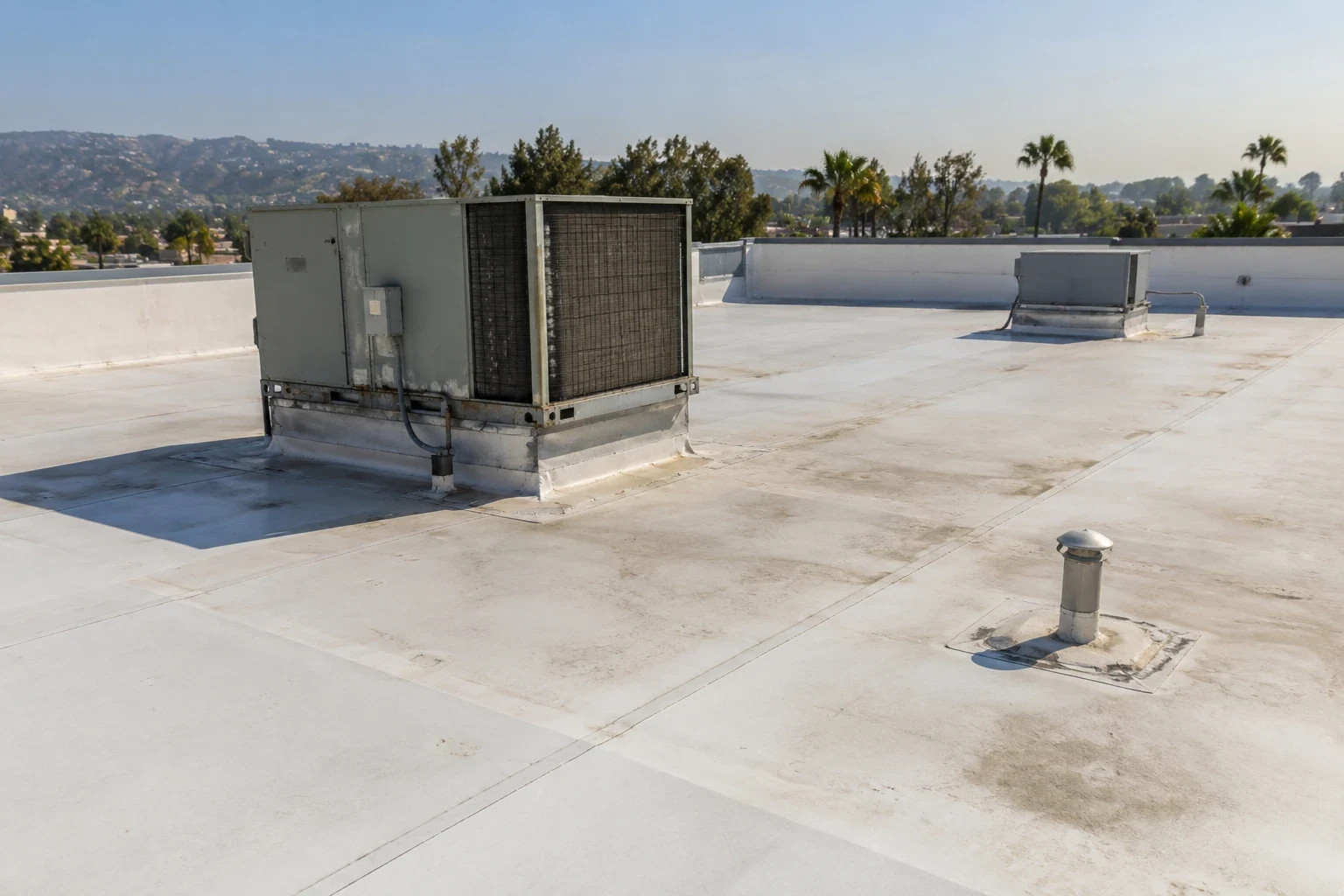
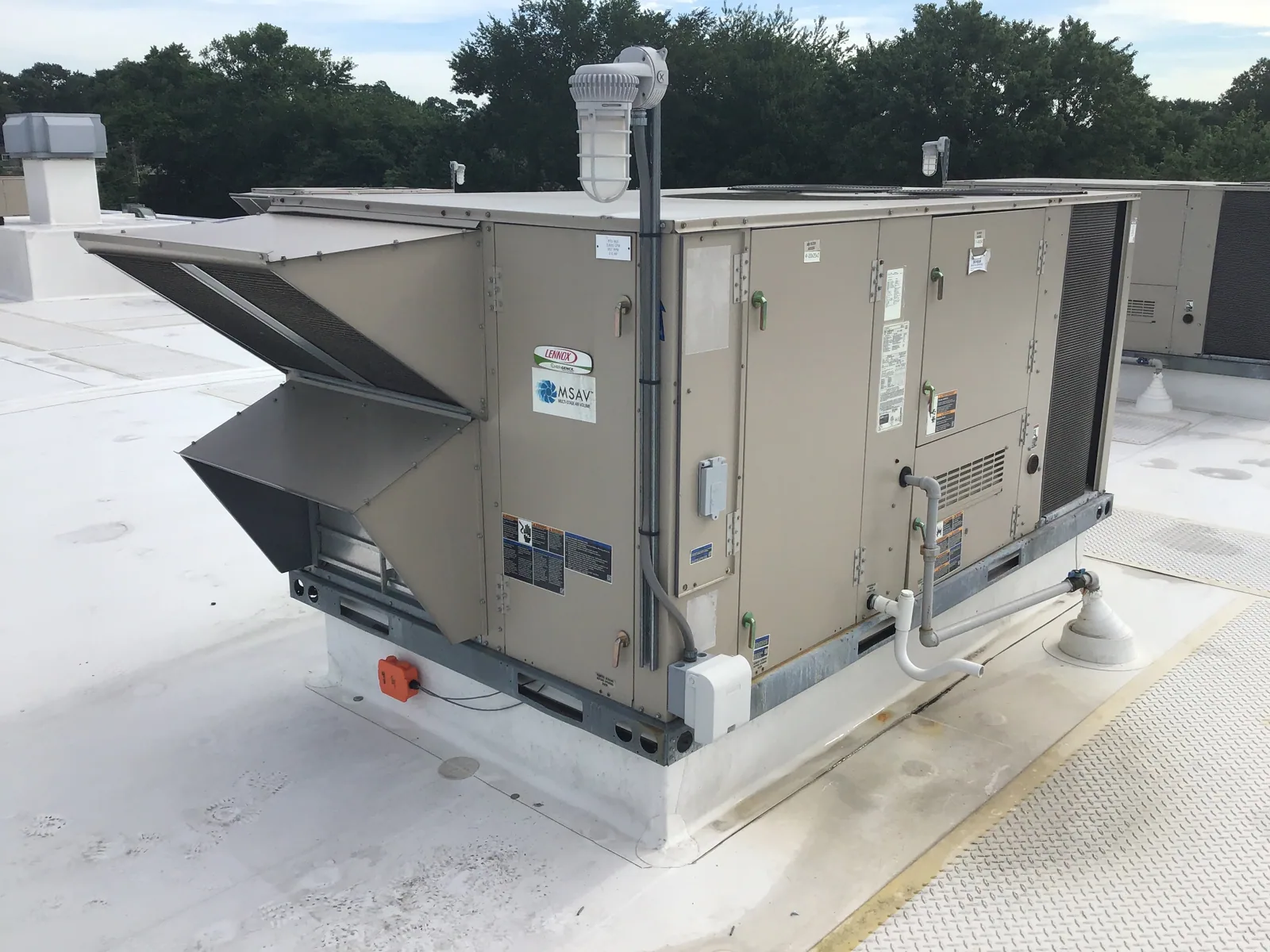
If a rooftop unit or other equipment blocks a repair, we identify who owns it and what they need to do. That work happens before we finish the roofing at that spot. Finishing the membrane around it does not take care of the equipment or prove the blocked detail has been fixed.
For rooftop curb repairs, assign equipment preparation first and price the backing needed for flashing. Obtain relevant review if proposed layers change the supporting relationship. Keep the component action separate from the roofing task that follows its completion.
Phased roofing in an occupied building follows the building's current work rules and access routes. If the work is split into phases, each return trip adds setup and protection, and we include those costs. We also list what is still needed for each unfinished area. The manager gets a work order tied to real roof sections and GAF's requirements, so finished areas are easy to tell apart from details still waiting on another trade or a decision.
Keep product records with the finished repairs
We record the GAF products installed and where the permanent work is. Rebuilt insulation and deck areas are mapped with their measurements, and photos of the finished details are attached along with any agreed inspection checks. Approved extra work is listed with what we found and where. Untested areas and equipment work still pending are listed separately. The manager gets a record of the GAF work done and what is left, without treating the brand name as proof that every layer or connection has been checked and completed.
For work near the I-5/I-605 interchange, keep the product, backing repairs and finished details with the inspected building. Record seam and curb work separately; their preparation can change the repair amount. Keep unresolved material and operator duties on the remaining-work list.
Commercial Roofing Questions
What should be identified before GAF roofing materials are specified?
The actual GAF product on the roof and any old patches, coatings or repairs where the new work will tie in. We compare records with what we find and list anything uncertain as open. The repair follows GAF's requirements for that product, with any insulation and equipment work defined before materials are ordered.
How should unexamined backing appear beside the selected upper material?
Layers we have confirmed are sound are listed separately from those we could not inspect, along with what testing is needed. Confirmed wet or damaged insulation is measured and priced. If more damage turns up after opening, we explain it and get approval for the extra work. The original inspection limits stay on record so the added repair can be checked against what was found.
Which action should precede a GAF roof detail blocked by equipment?
The equipment owner or contractor has to move or prepare the unit so the full roof detail can be reached. We identify who handles that and what roof repair follows. If we need to return, that visit is priced separately, and the detail stays on the open list until both steps are done, even if the membrane around it is finished.
What should the completed GAF roof record identify?
The GAF products installed, where the finished details are, the measured insulation or deck repairs, photos and any agreed inspection checks. Approved extra work is listed with its area and quantity. Untested areas and pending equipment work are listed separately so the manager can see what is done and what is left.
Get your GAF roof identified and repaired
Send us the roof sections in question and any existing material records. We will inspect the roof, confirm the GAF product and explain the repair, any insulation work and the details needed to finish it.