SOPREMA Roofing in Downey, CA
SOPREMA roof repair in Downey, CA: we identify whether you have a SOPREMA sheet or liquid-applied system, check the layers below and price the right details.
With SOPREMA, the first question is which product is on the roof. A liquid-applied system and a sheet membrane are repaired in completely different ways. SOPREMA roofing work in Downey, CA starts with what is actually installed, any earlier repairs and the specific area you want fixed. We tell you what we could confirm and where we need a closer look, and the property manager gets a repair price tied to those roof areas and the real condition underneath.
SOPREMA's product range includes PVC single-ply membranes, liquid-applied PMMA and PMA systems, and SBS modified bitumen. Those categories help narrow things down, but they do not tell us how to prepare a particular roof or whether every existing surface will accept new material. We confirm the specific product and its requirements before choosing a repair detail.
For a SOPREMA proposal, the new system has to match the roof it goes on. We confirm the existing membrane, the layers being kept, the deck and the transitions before choosing a sheet or liquid-applied detail. We note the technical requirements that apply and identify any preparation or replacement needed at drains, curbs and edges. A manufacturer name is not proof that the existing roof can accept a particular product; the roof inspection and the product documentation should support that choice.
Identify the material where the repair will tie in
We compare any records you have with the roofing we find where the repair is needed. Old patches and coatings at the tie-in point are noted. If we cannot identify something, we say so and explain how we will check it. The crew should get a clear preparation and repair method for the actual surface, not a guess based on the product category.
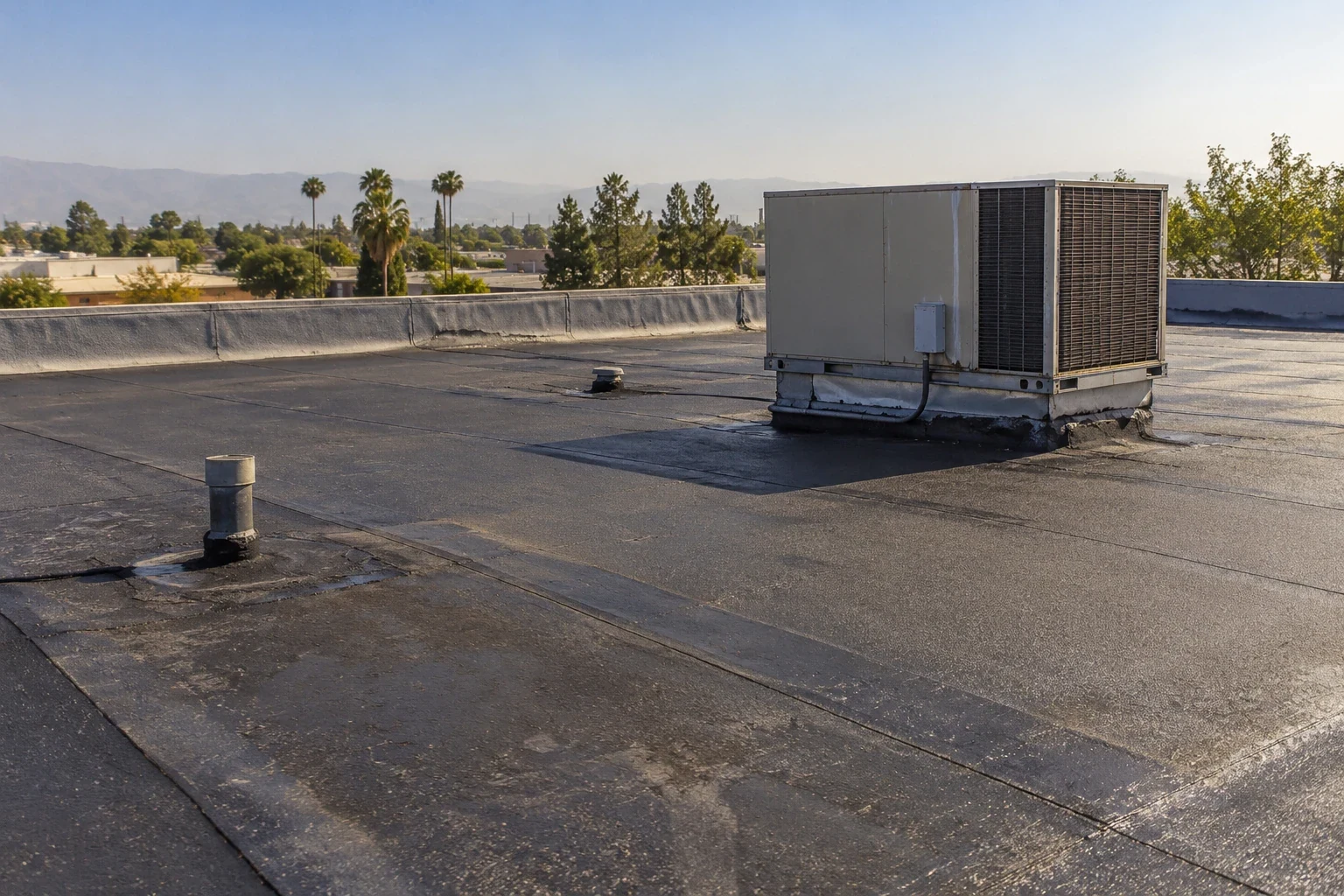
For a SOPREMA SBS modified bitumen roof, we follow that product's instructions once we have confirmed the material and any old repairs. A liquid-applied repair needs its own check of the surface and details. We keep those two approaches separate until we know where each one actually fits.
Where the work meets a Johns Manville roof on another section, that material is checked on its own. Similar product lines from different manufacturers are not automatically compatible. We plan the joint where the two products meet and keep any questionable old coatings on the list to investigate. That way the manager can see that the material order matches what is really on the roof, rather than assuming every old patch will accept the new product.
Check the layers underneath before choosing a product
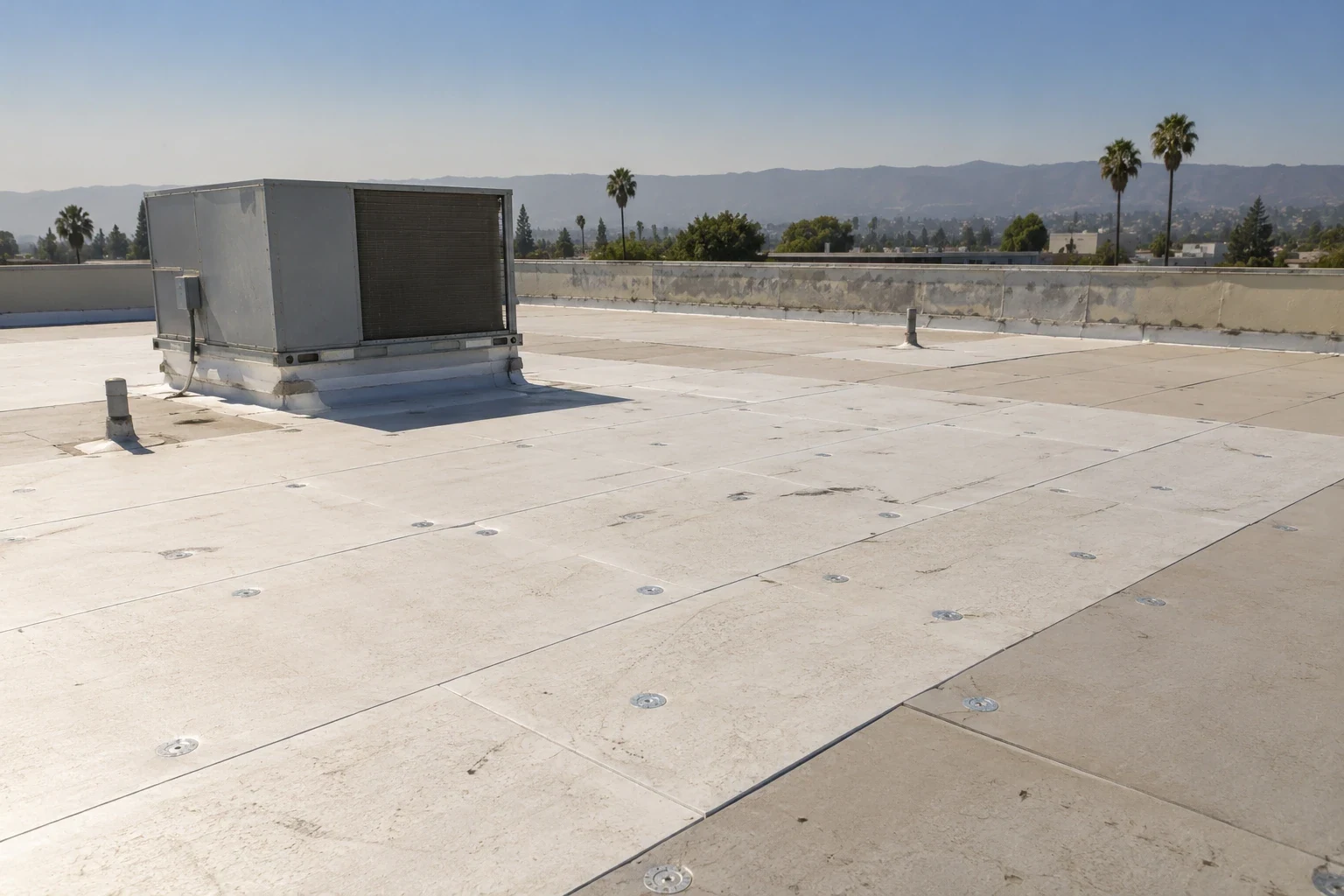
We look at what we can reach beneath the affected roof area. Wet, crushed or deteriorated layers are marked and measured for removal. Layers that are dry and sound are noted as staying. Picking a liquid or sheet product does not tell us anything about the condition of layers we have not yet seen.
Our insulation and cover-board repair estimate ties every quantity to what we found. Where the new system relies on existing layers, we check them against the system's requirements. If a structural or design question comes up that a roof inspection cannot answer, we bring in the right specialist.
If we open the roof and find more damage, we mark it and measure the extra work. We explain how it changes the amount of tear-off or rebuilding and get your approval before going further, with the area protected while you decide. The original inspection area is kept on record next to the new finding. This lets the manager compare the added cost against what was actually exposed and understand why the layers below still need their own repair before the new SOPREMA product goes on.
Plan each product layer and detail together
We list every sheet, resin and flashing component in the proposed repair and follow its requirements for preparation and installation. Existing material at seams, edges and pipe penetrations is checked within the work area. Any old coating or patch that could change how the repair is built stays on the list until it is resolved.
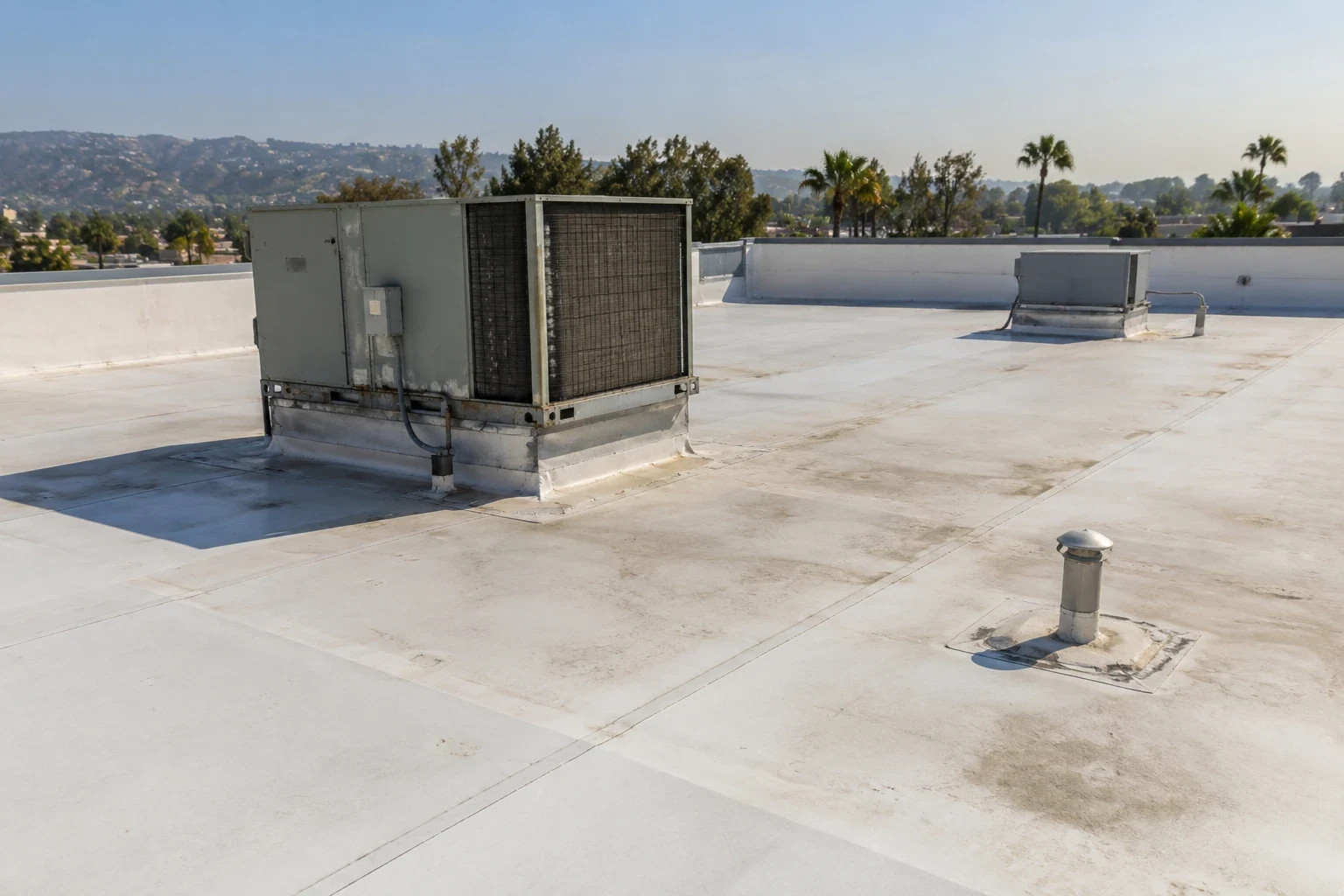
A SOPREMA PVC roof needs the specific membrane's requirements for seams and flashing. That is a separate decision from a liquid-applied repair. The SOPREMA name should not blur the two into one assumed detail.
Where a Sika Sarnafil roof sits next to the repair area, the joint between the two PVC products needs its own review. We plan the connection for the actual products we find. That includes cutting back to sound material and repairing any damaged backing before the top layer goes on. The manager should see a complete repair plan, with each product layer, the backing work and any open material questions clearly marked before the order is placed.
Schedule equipment work before roofing resumes
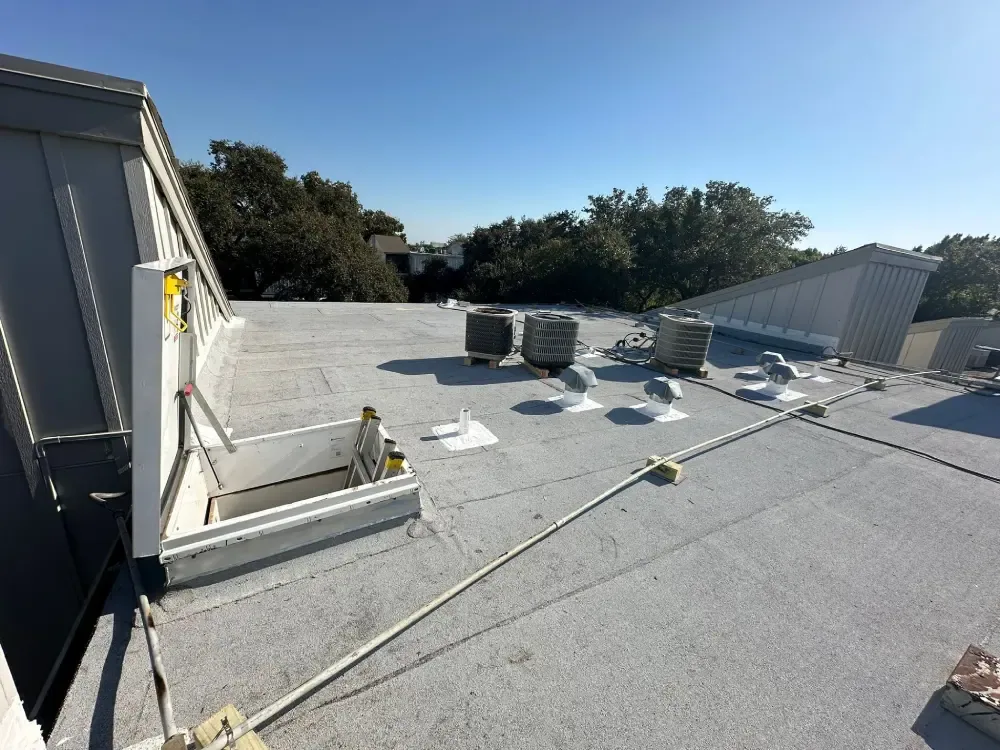
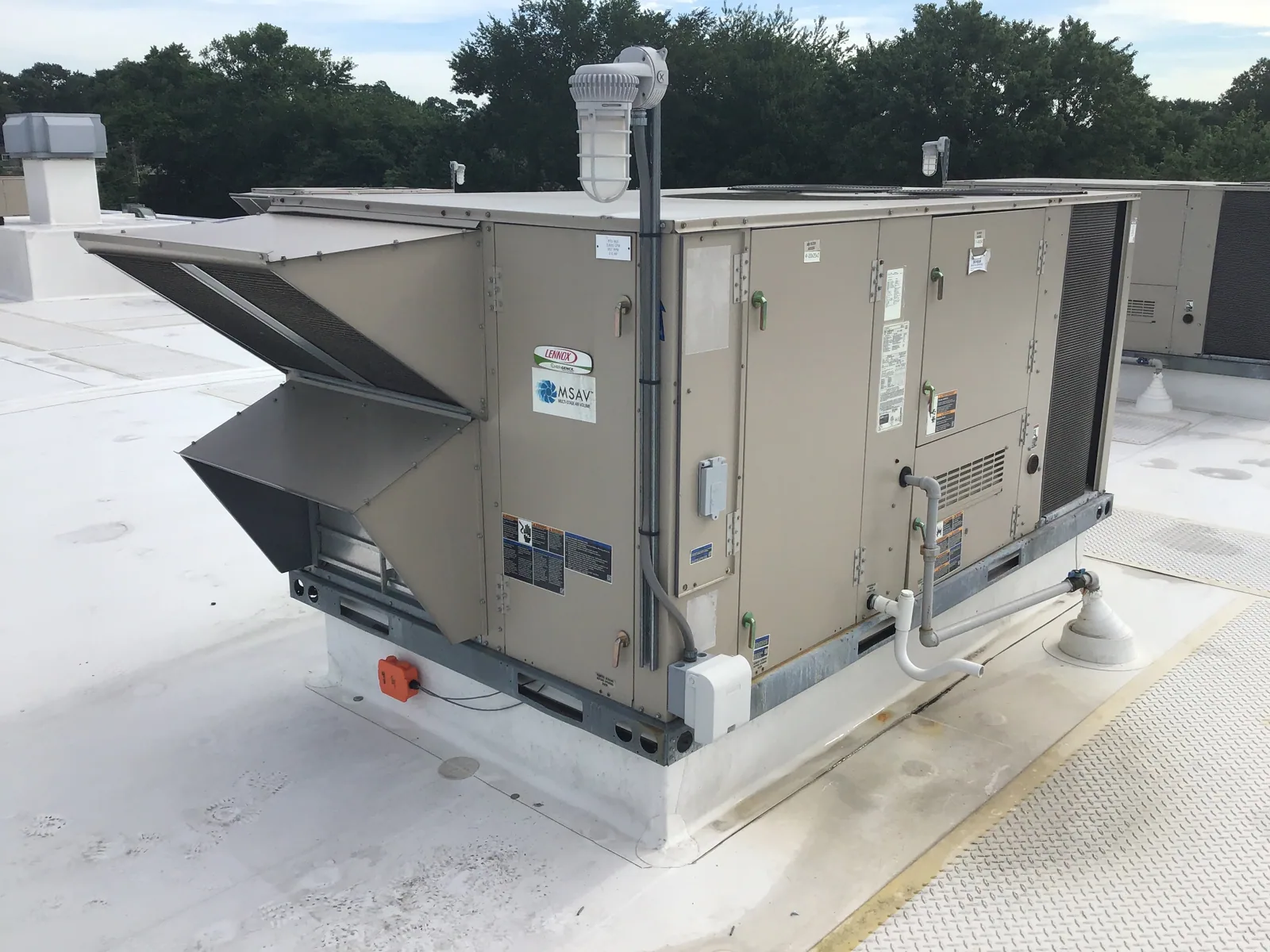
Rooftop units, ducts and pipes can block access to the flashing that needs repair. We identify who needs to move or prepare that equipment, usually your mechanical contractor, and what it frees up for us. The roofing at that detail follows their work. Finishing the sheet or liquid repair around it does not mean the blocked detail is fixed.
Our curb and equipment support work identifies damaged backing and how we will repair it. If the new roof build-up changes how a unit or curb sits, we get that reviewed before proceeding. The equipment work and the roofing that follows are listed as separate tasks.
For work on an occupied building, we plan material handling around how the building operates. Liquid-applied products have cure times, and we follow the manufacturer's requirements when scheduling. Separate visits may mean extra preparation and fresh protection each time. At each stopping point we note which details are unfinished and what has to happen before we return. The manager gets a clear plan tied to real products and roof areas, so finished work is easy to tell apart from details still waiting on preparation, inspection or a decision.
Record products and repaired areas by location
When restoration or replacement is on the table, we compare the specified SOPREMA system with the condition of the actual roof. The estimate covers how deep the tear-off goes, insulation, cover board, fastening or adhesive, flashing and roof edges. If existing material is being kept, we show how the new system will tie into it. The owner can review the proposed materials and details with the product documentation before approving.
For a building near the I-5/I-605 interchange, we keep the roof findings with that specific property. Another building's records cannot tell us what is installed on this one. The proposal follows the roof and tie-in details we actually inspected.
The closeout lists the exact products installed and where each repair was made. It includes the measured areas of backing that were rebuilt, photos of finished details and any agreed tests at those spots. Approved extra work is listed with the condition that triggered it and the revised quantity. Areas we could not inspect and equipment work still pending go on a separate open-items list. The manager gets a practical record of what was done and what is still open, without assuming every old layer or blocked detail got the same inspection and repair.
Commercial Roofing Questions
What needs to be confirmed before choosing a SOPREMA sheet or liquid repair?
We confirm the actual product and the existing material where the new work will tie in, comparing what is on the roof with any records you have. Old coatings we cannot identify are flagged before components are chosen. The backing repair and preparation are then based on the selected product's requirements, so you get a defined repair method instead of a broad product-family reference.
What happens if more damage is found during SOPREMA work?
We mark the area, measure the extra repair and explain how it affects the layers being kept or the product being installed. We get your approval before doing more, and the open roof is protected while you decide. The original inspection areas stay on record so you can judge the added quantity against what was actually exposed.
How do you handle a roof detail blocked by equipment?
We identify who needs to move or prepare the equipment and what has to happen before we can reach the full detail. The roofing is scheduled after that. If it requires a return trip, the extra setup is priced. The blocked detail stays on the open list until it is finished, separate from the surrounding work already completed.
What should the final SOPREMA job record include?
It should list the exact products installed and show which roof areas were repaired, with backing repair quantities, photos and any agreed tests at finished details. Approved changes are tied to where they happened. Open items, such as materials still to be identified or equipment work pending, stay on a separate list so you know what to schedule next.
Identify your SOPREMA product and repair area
Tell us which roof areas are leaking and share any product information you have. We will inspect the roof, confirm the system and give you an estimate covering backing repair, the right product layers and any equipment coordination needed.