Home / Commercial Roofing Services
Solar-Ready Roofing in Downey, CA
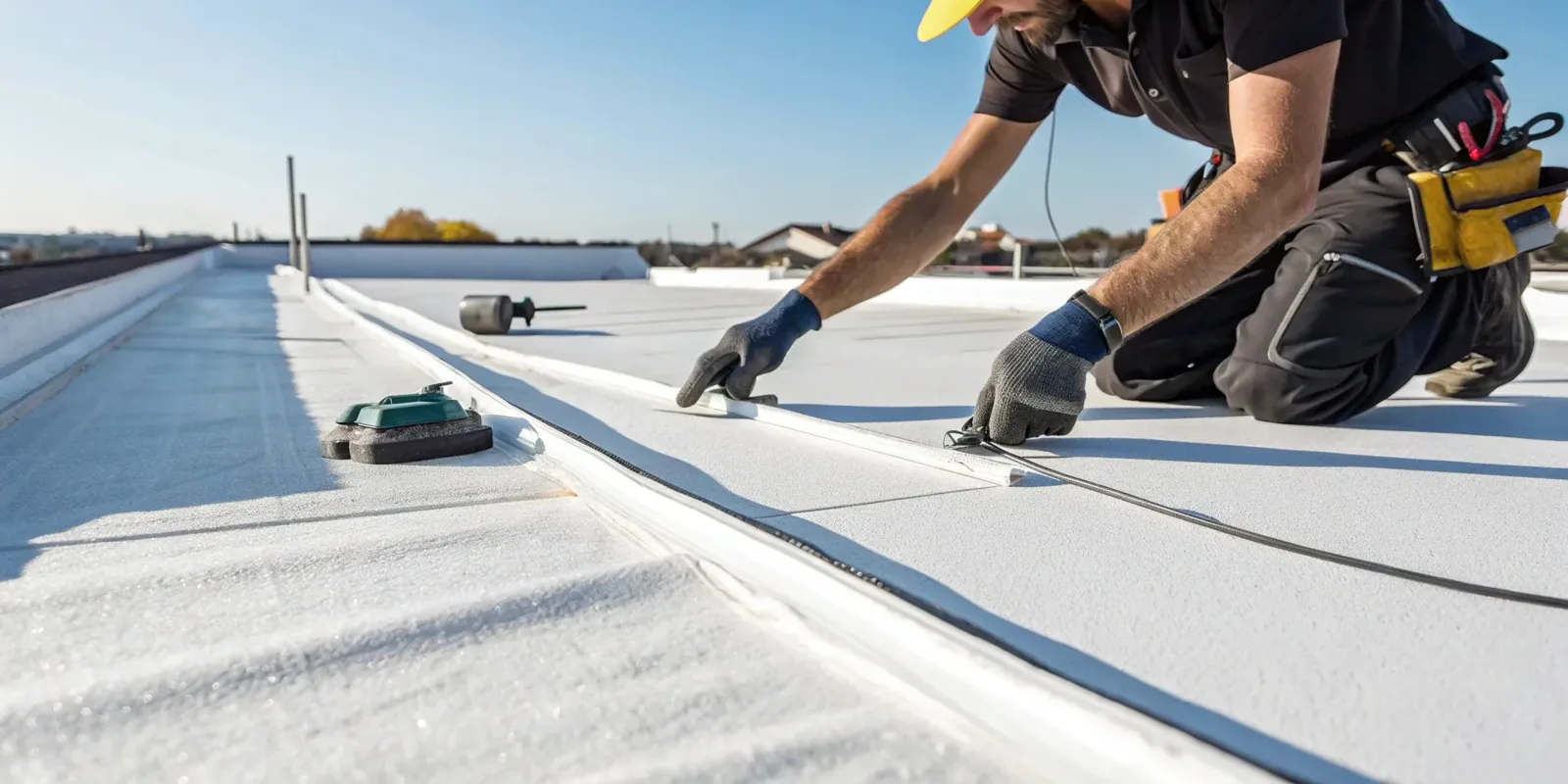
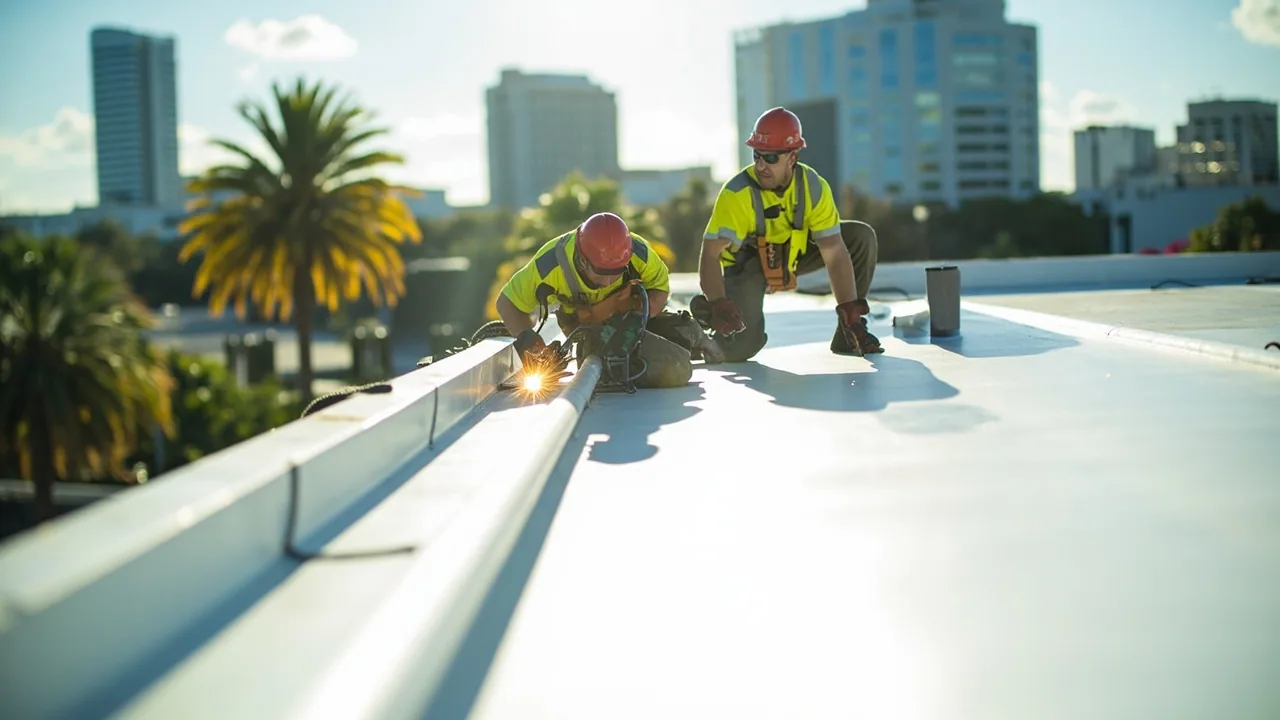
Solar-ready commercial roofing in Downey, CA. We get the roof, flashings and insulation in shape before panels go up and coordinate with the solar contractor.
Getting a roof ready for solar means defining the roofing work separately from the solar installation. Calling a roof "solar-ready" does not settle who handles the racking supports or how each penetration gets flashed. Solar-ready roofing in Downey, CA starts with the roof work we are asked to do and the solar plans the owner shares. We inspect the roof before deciding what stays and what gets repaired. The manager sees our roofing tasks separately from the solar contractor's prep, and the solar team sets its own structural and electrical requirements.
A solar-ready roof needs a sound membrane, secure perimeter and dry, serviceable penetrations before another system is installed above it. We inspect the roof material, drains, curbs and flashing in the proposed work area, then list any repairs needed before supports or conduit are added. The building owner and solar contractor can coordinate attachment, electrical and structural questions with their responsible specialists. The roofing scope covers the membrane connections and weather closure affected by that work.
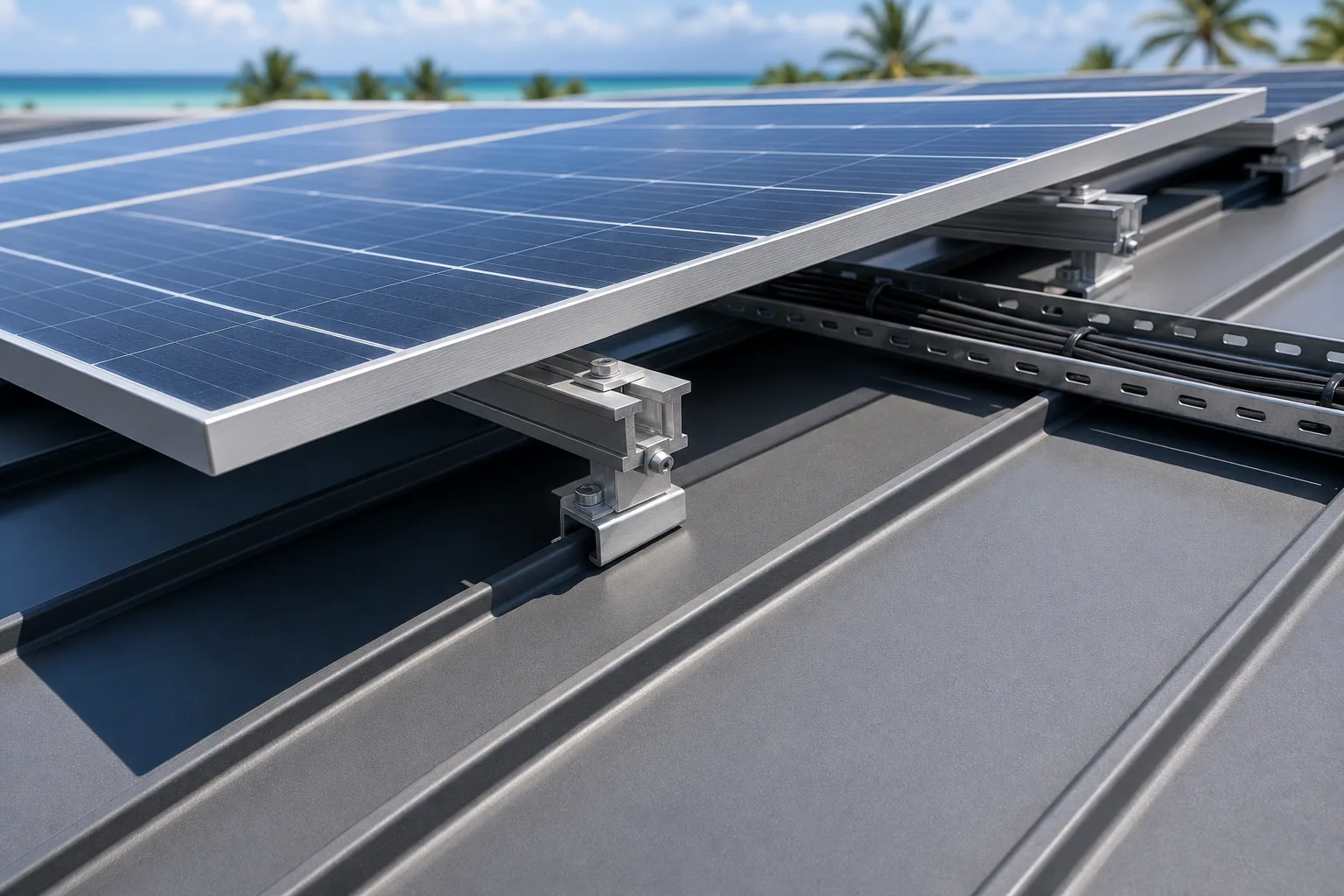
We agree on which roof details we are responsible for, such as stanchion flashings, conduit penetrations and walkway pads. Structural review and the solar contractor's prep are settled before materials are ordered. The scope explains what our crew will finish and what information we need from the solar team first.
Draw the line between roofing and solar work
We confirm which roof areas and attachment locations are included, then compare the solar layout with the existing roof and its condition. We mark the penetrations and flashings our crew will build. Racking design and electrical questions stay with the solar contractor and their engineer.
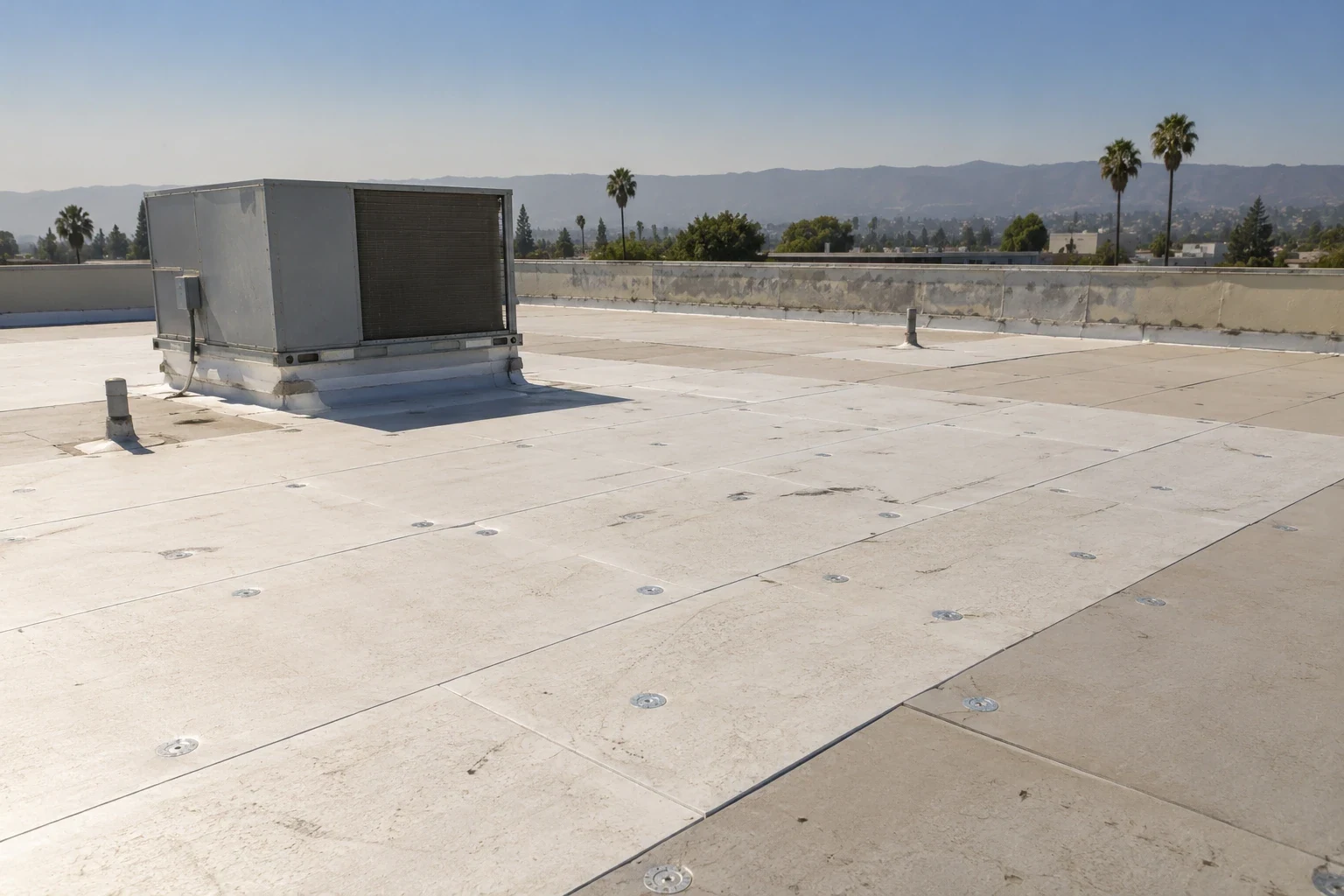
A commercial roof inspection before solar records the areas we checked. It separates defects we saw from structural questions that need someone else's review. Old coatings or patches we cannot identify are flagged before choosing flashing products, so the manager can see those limits in the proposal.
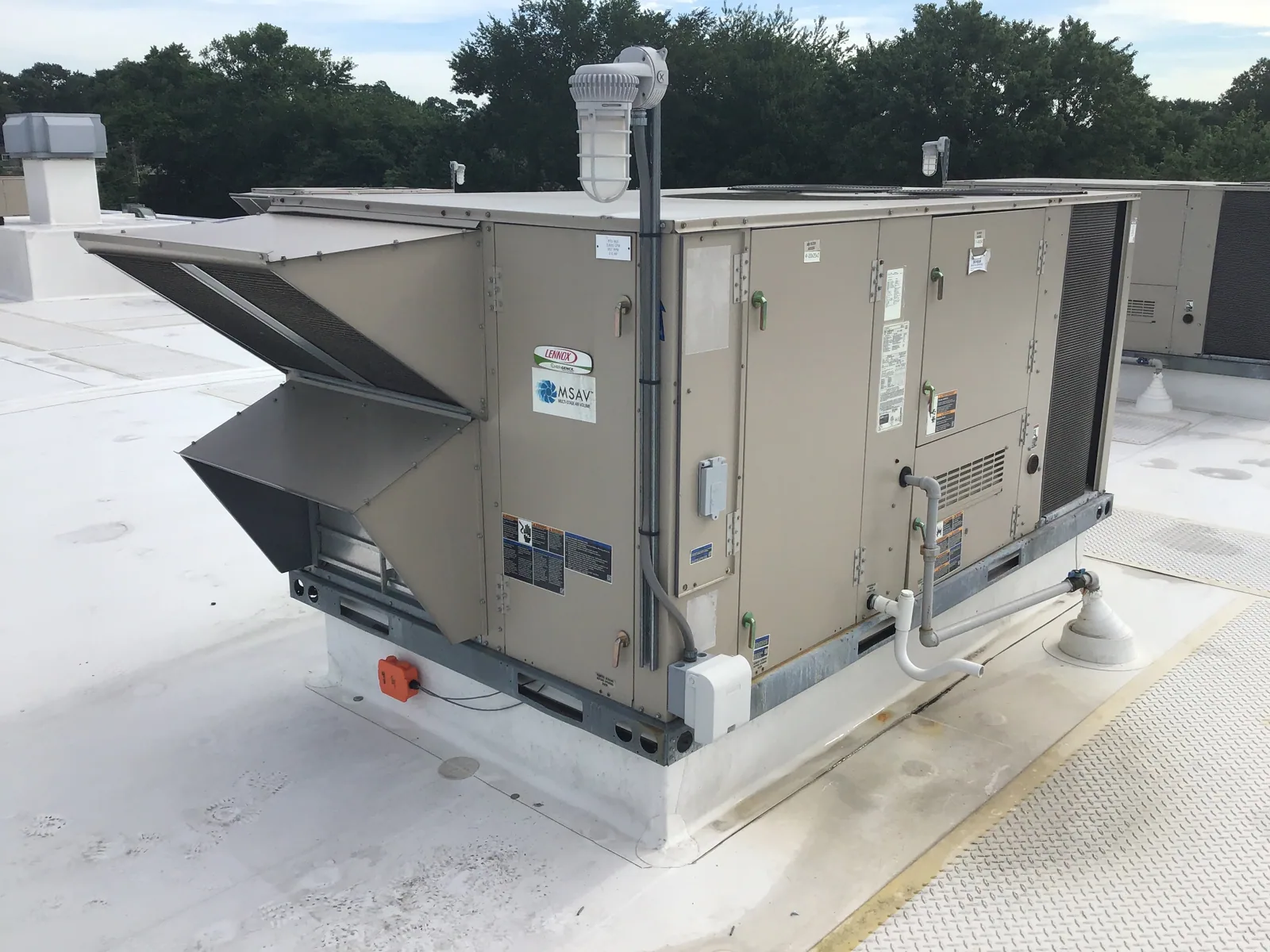
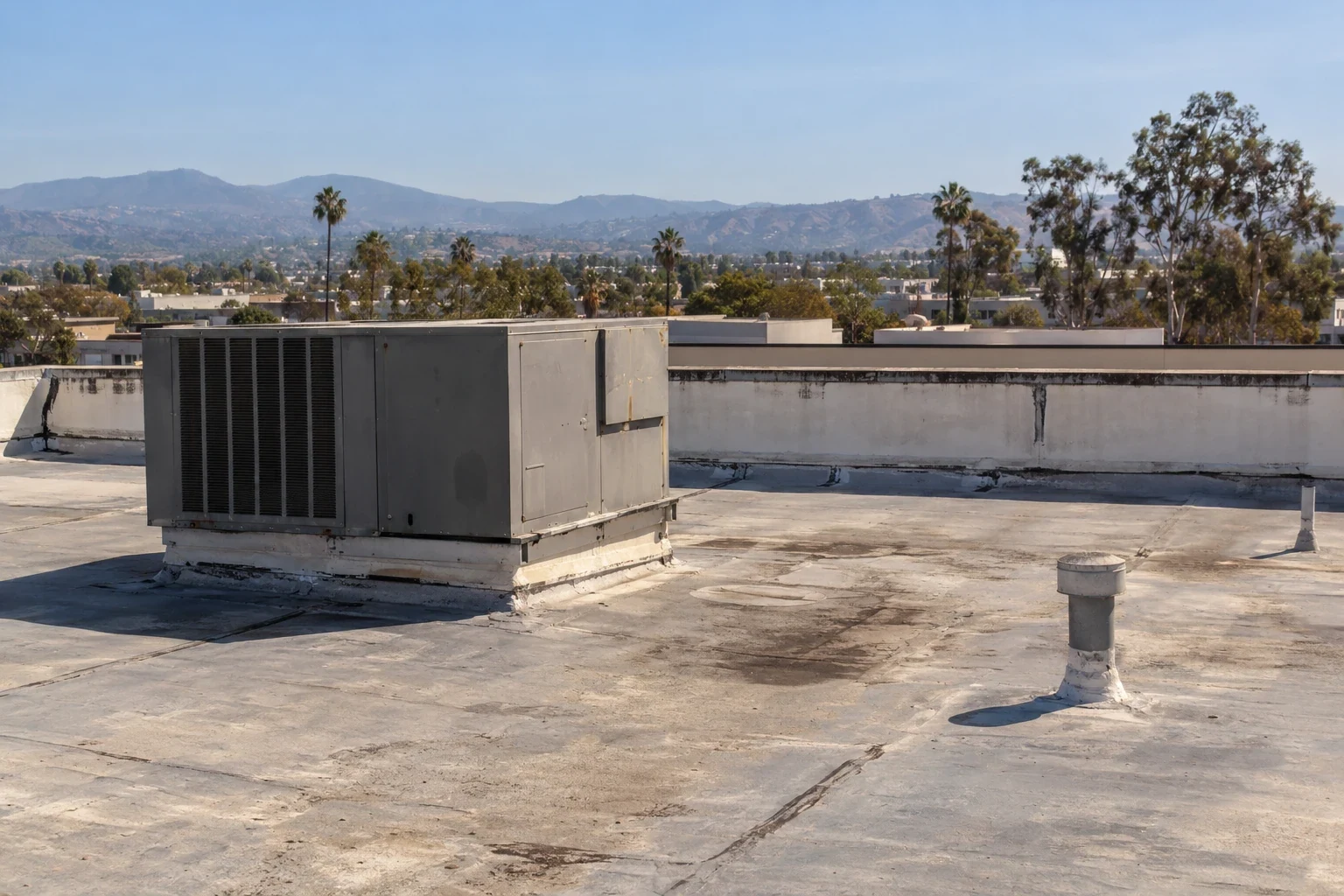
A curb and equipment support repair starts with inspecting the existing curb or support. A solar plan does not prove the backing underneath is sound. When our flashing method depends on racking details, we say who needs to provide them. Our crew gets a clear scope and compatible materials instead of working out the solar contractor's attachment questions in the middle of the job.
Get structural review before relying on the existing roof
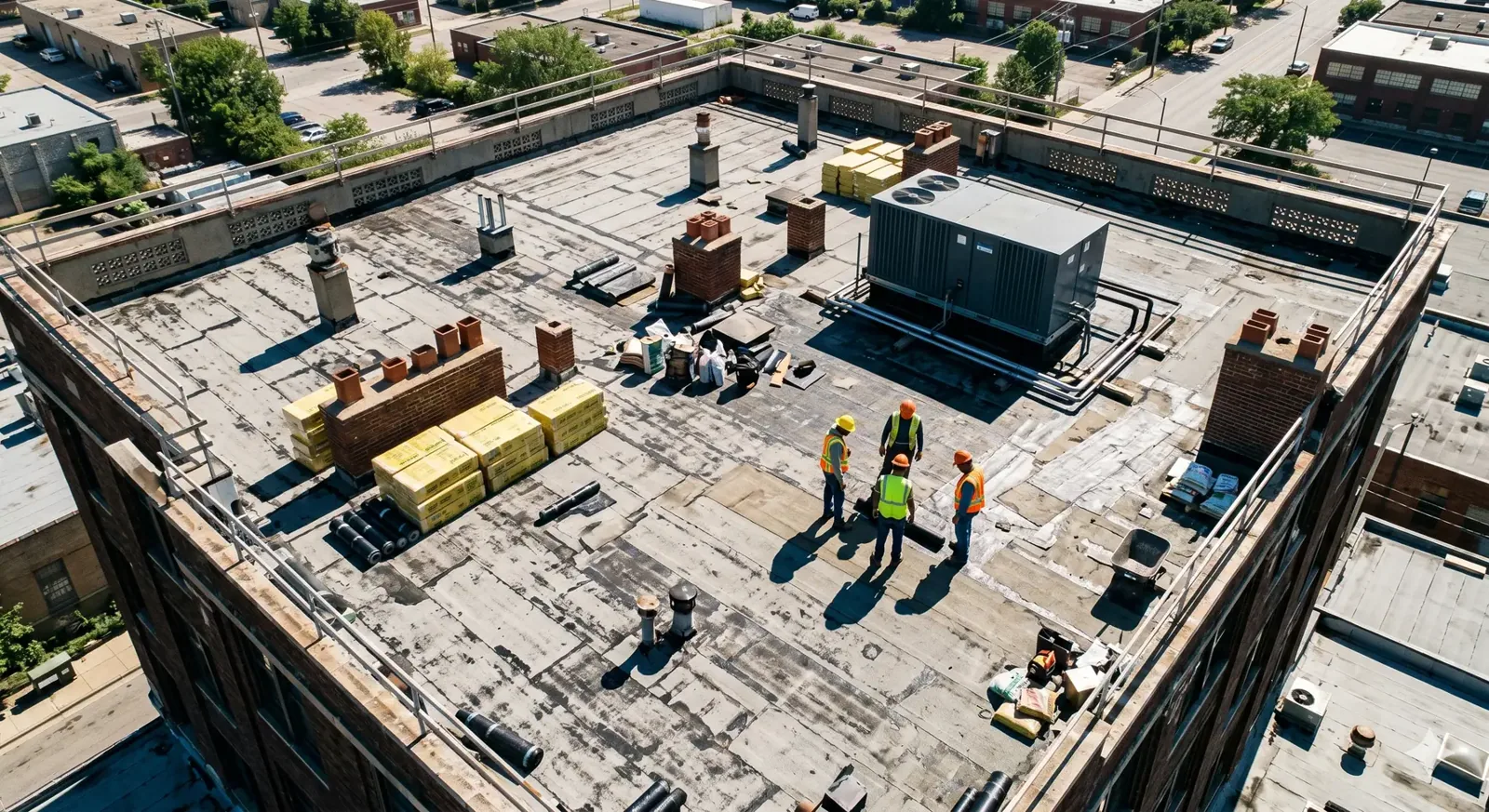
Adding panels and racking can raise structural questions beyond roofing, such as whether the deck and framing can carry the extra load. We flag those and note who should review them. A roof that looks good on top, or in a drone photo, does not answer them. Material orders wait until those decisions are made.
An insulation and cover board scope for a solar-ready roof is based on what we actually find. We check the roof system's requirements before keeping existing layers, and we list confirmed wet or crushed insulation separately from areas we have not tested. The manager can see why we propose keeping what we keep.
If opening the roof shows more damage, we record it, explain the added quantities and get approval. The open area is protected while that is decided. Structural questions stay with the engineer reviewing the solar attachment. The manager can follow why the scope changed and which damage was found only after work began.
Choose roof products that will last under the panels
The roof under a solar array should be in condition to last as long as the array, because removing panels later to fix the roof is costly. We identify the existing materials and the new layers proposed, and check old repairs that affect which flashing products will bond.
A TPO roof has its own flashing products for stanchions and conduit penetrations. A PVC roof has a different set. We compare complete roofing scopes for each, so neither option looks cheaper just because it leaves out the details.
If new insulation changes the roof height at curbs or supports, we get the right structural or design review. Backing repairs and the solar contractor's prep are listed beside the field quantities. Open questions name the next inspection or solar step needed, and materials are ordered after those decisions, not before.
Coordinate with the solar contractor before flashing their supports
The solar crew often controls when we can finish a flashing. Their supports, standoffs or conduit have to be set before we can flash around them. We identify that prep, who is responsible for it, and which flashing it allows. Finishing the roof nearby does not complete those details.
The building's rules set material routes and work hours. If the job is split into phases, we include the extra setup and protection, and we record which areas are unfinished between phases and what happens next. The manager can coordinate both crews by roof location.
Reroofing an occupied building ahead of solar follows that building's own rules and the solar schedule. Our finished roofing is kept separate from details still waiting on the solar crew or a review. Once their supports are in, our crew finishes the permanent flashing with the products and backing already approved for the job.
Keep the roofing record separate from the solar work
Before a solar installation, agree on the areas where roof penetrations, supports and conduit will meet the membrane. We identify roof-side preparation and flashing needed at those locations, then coordinate the timing with the solar contractor. Structural capacity, electrical design and equipment attachment require the appropriate project specialists; roofing work addresses the weatherproof connections shown in the approved scope.
For roofing near the I-5/I-605 interchange, identify the assigned building and roof sections, then confirm access and work-area requirements with the building contact. Keep recommendations tied to that roof’s condition and the approved equipment plans.
A roof condition report for a solar-ready job lists the roofing products installed, backing rebuilt and flashings finished, with photos and test results at each location. Approved changes are tied to the areas they affected. Untested areas and solar work still pending are listed separately. The manager gets a clear record of the roofing we did, kept apart from the structural decisions and solar work that belong to others.
Commercial Roofing Questions
What should be settled before choosing a roof system for solar?
Which roof work we are responsible for, the condition of the existing roof, the solar layout and attachment method, and any structural review. Racking and electrical decisions stay with the solar contractor and their engineer.
How do structural questions fit with the roof inspection?
They are separate. We report what we find in the roof layers, and an engineer reviews whether the structure can carry the array. A good-looking membrane does not answer the structural question.
What order of work should be agreed before flashing solar supports?
The solar crew sets their supports or conduit, then we flash around them. We confirm who coordinates that, plan protection if the work is split into phases, and keep unfinished flashings listed until they are done.
What does the roofing record keep separate from the solar work?
Our products installed, backing repairs and finished flashings, with photos, test results and approved changes, are kept apart from solar work and structural decisions still pending with other parties.
Get your roof ready for solar
Send us the roof areas, address and any roof and solar plans. We will inspect the roof and explain the repairs, flashings and coordination needed before panels go up.