Home / Commercial Roofing Services
Roof Insurance Claim Assistance in Downey, CA
Roof insurance claim assistance in Downey, CA. We document roof damage with located photos and clear repair scopes; coverage decisions stay with your insurer.
When a roof is part of an insurance claim, the manager needs facts the adjuster can follow, not just a total repair number. Roof insurance claim assistance in Downey, CA means organizing what we found on the roof, with photos and proposed repairs tied to specific locations. We are clear about what the inspection confirmed and what is still unknown. Our job is to provide a solid roofing record. Coverage decisions belong to the insurance company.
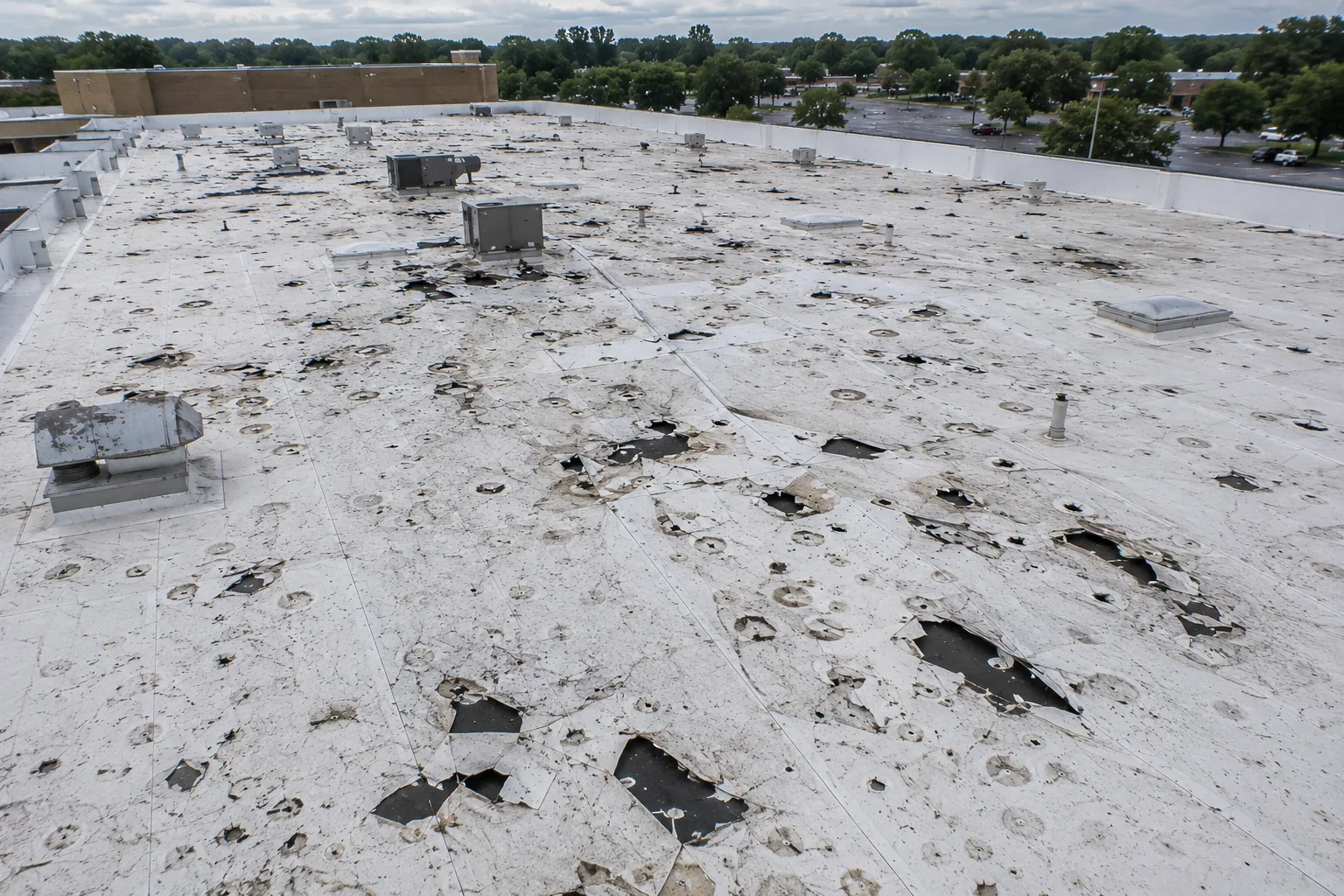
For a storm-related roof file, keep the date and reported conditions beside observations from the roof. Photograph each opening, displaced edge, or damaged flashing before repair changes the evidence. Label the roof section and include a scale or stable reference point. Separate what the contractor observed from a cause or coverage determination, which belongs to the responsible insurer or other reviewing party. This lets the owner share a clear construction record without overstating what the roof inspection proves.
We agree up front on what documents we will prepare. A storm on a certain date is kept separate from damage we actually found. The manager gets a clear account of the repairs proposed and completed, with open questions marked before the adjuster reviews the file.
Tie every repair quantity to what we found
The roof record shows which areas we inspected. Each photo has a location and a description of what it shows. Product information and questions about old coatings or repairs are noted separately. Suspected damage is never listed as confirmed damage in the quantities.
A roof condition report provides the roofing findings for the claim file. Insulation we could not test and flashings we could not reach are listed for follow-up, along with what it would take to check them before choosing a permanent repair.
A storm damage roof repair scope keeps that same line between confirmed and suspected damage. A storm happening does not tell us what failed on this roof or how much needs to come off. Confirmed repairs and areas still being investigated are shown on one roof plan, so the manager can explain what we know, what we propose and what still needs testing.
Keep temporary repairs separate from the permanent proposal
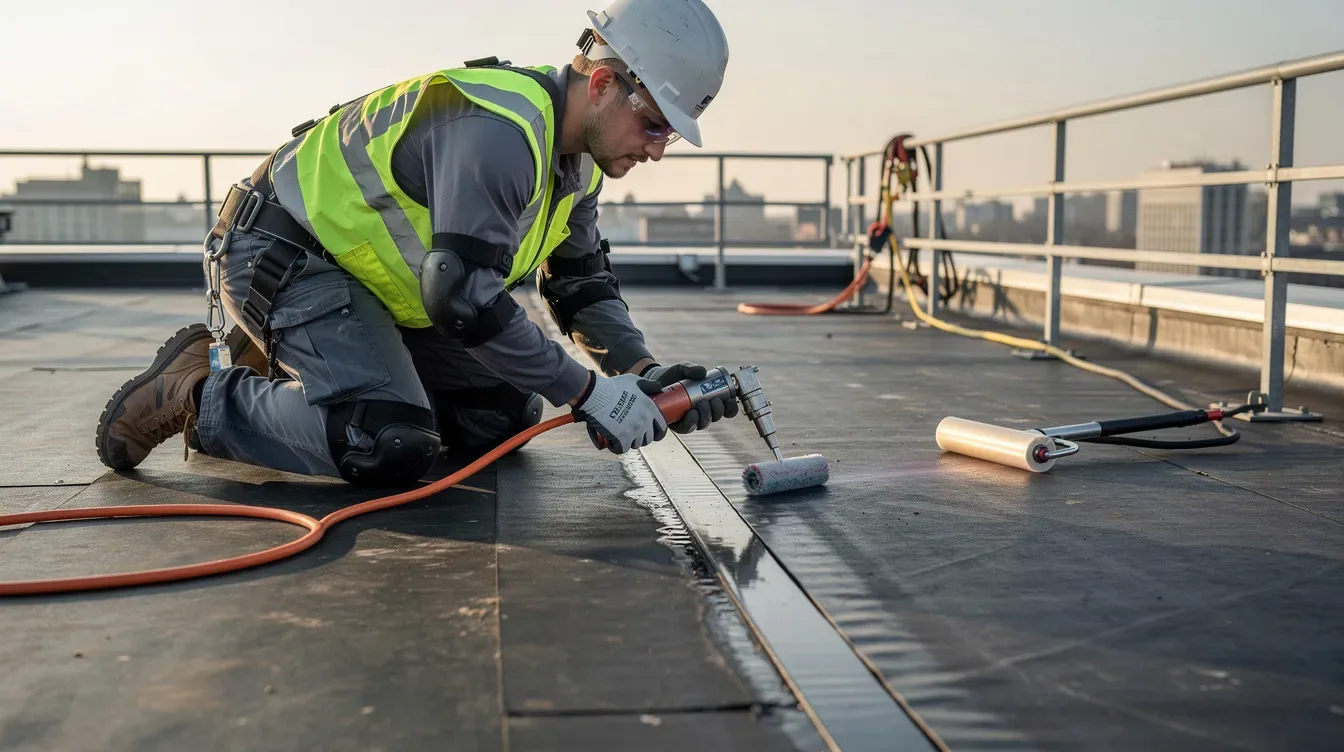
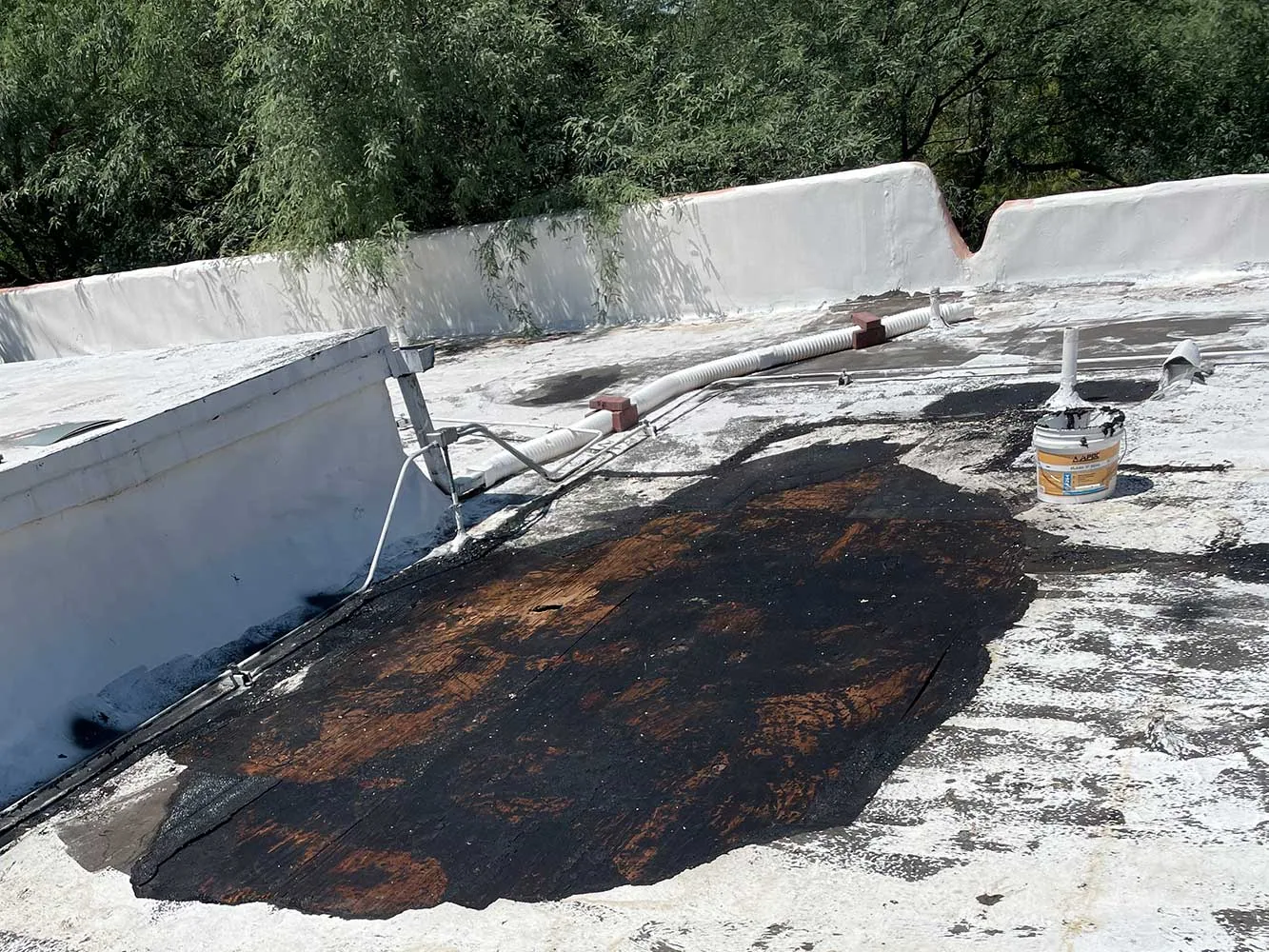
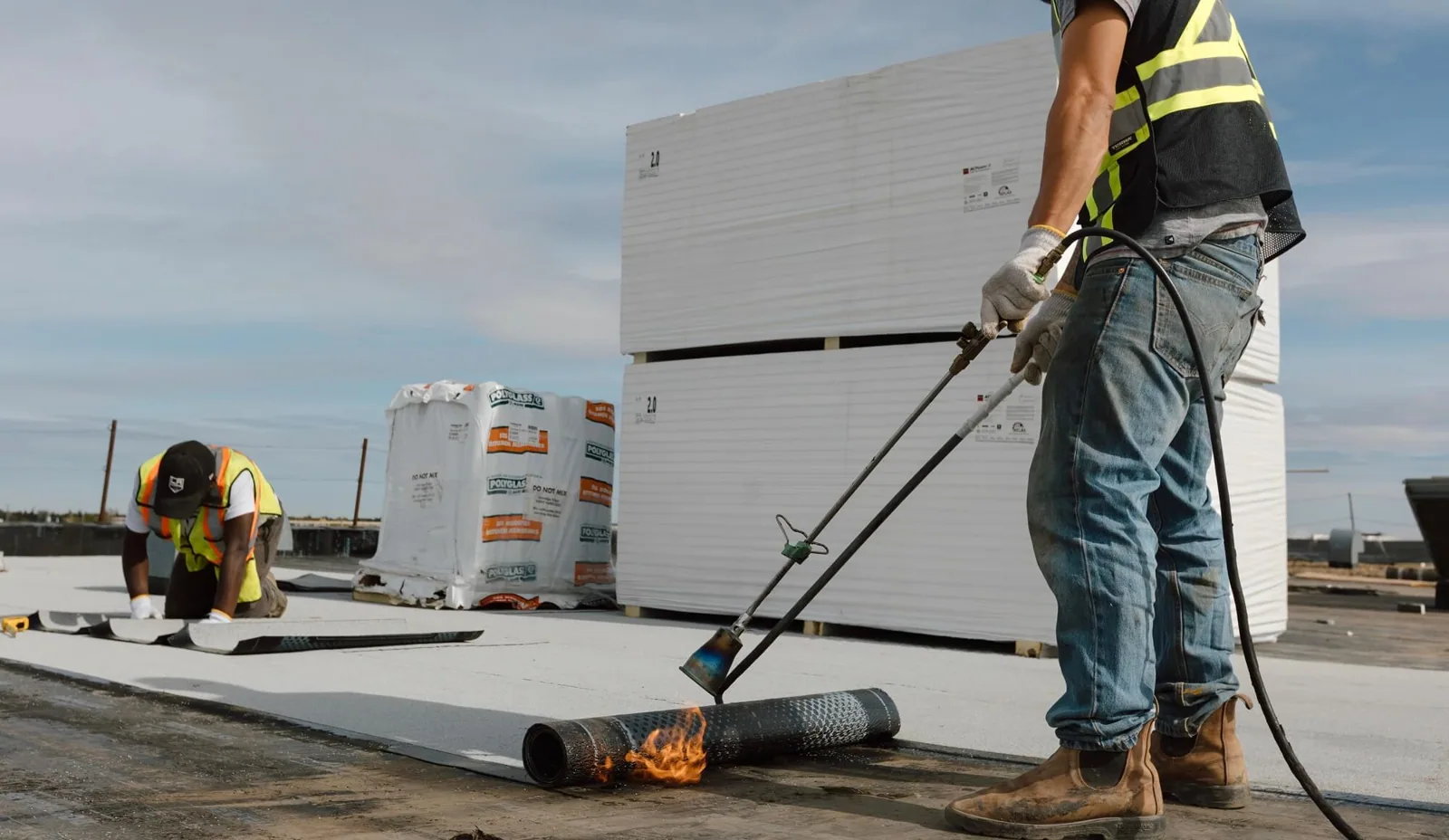
Our documentation describes the actual work at each location. Temporary protection is listed separately from the permanent repair, along with the materials used and what they do not fix. A tarp or patch on top does not repair wet insulation underneath.
An emergency roof repair record keeps who approved it and what was done. The permanent proposal comes after we check the materials and the condition at each spot. It lists removal, rebuilding and any HVAC work next to the repair.
What the insurance company asks to see does not decide how the roof should be repaired. Product, structural or design questions go to the right reviewers. We note who on the owner's side approves changes. The file shows what was agreed and where on the roof, so a reviewer can tell emergency work already done from the permanent repair still planned.
Record scope changes when hidden damage turns up
A first inspection often cannot see everything under the membrane, and we say so in the proposal. If opening the roof later shows wet insulation or damaged deck, we record that location as a new finding and explain how it changes the removal and replacement quantities.
We get approval from the owner's designated contact before doing the added permanent work, and the open area is protected while that is decided. Structural questions go to the right reviewer. Damage found later stays separate from what we found on the first visit.
A commercial roof repair estimate updated for approved changes shows exactly what the revised price covers. We keep the location, how quantities were measured and the finished work together. The property manager can explain why the scope grew, and nobody has to pretend the first photos showed everything. If the adjuster asks for records, we supply the roofing documents covered by our agreement.
Note HVAC work still pending at unfinished repairs
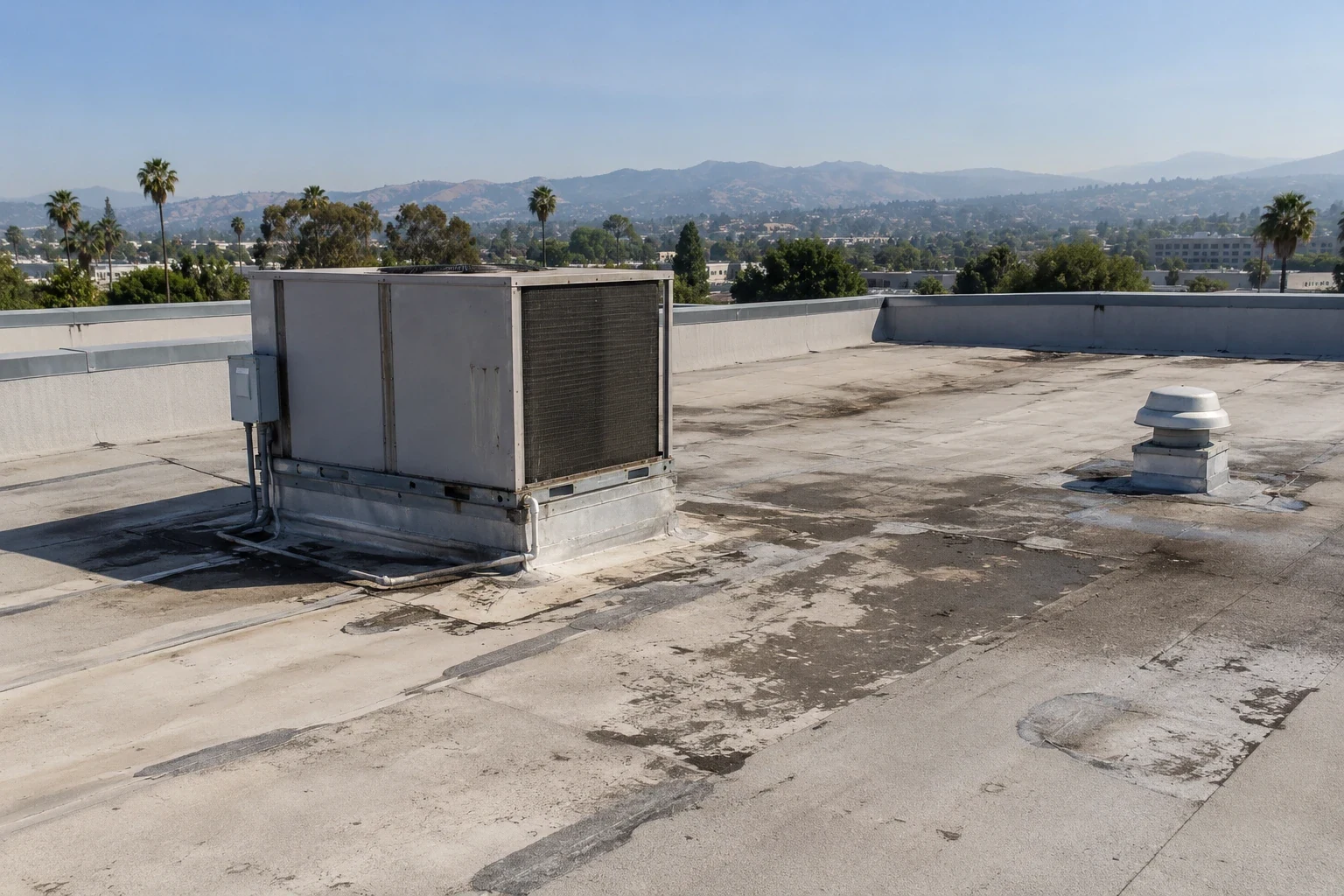
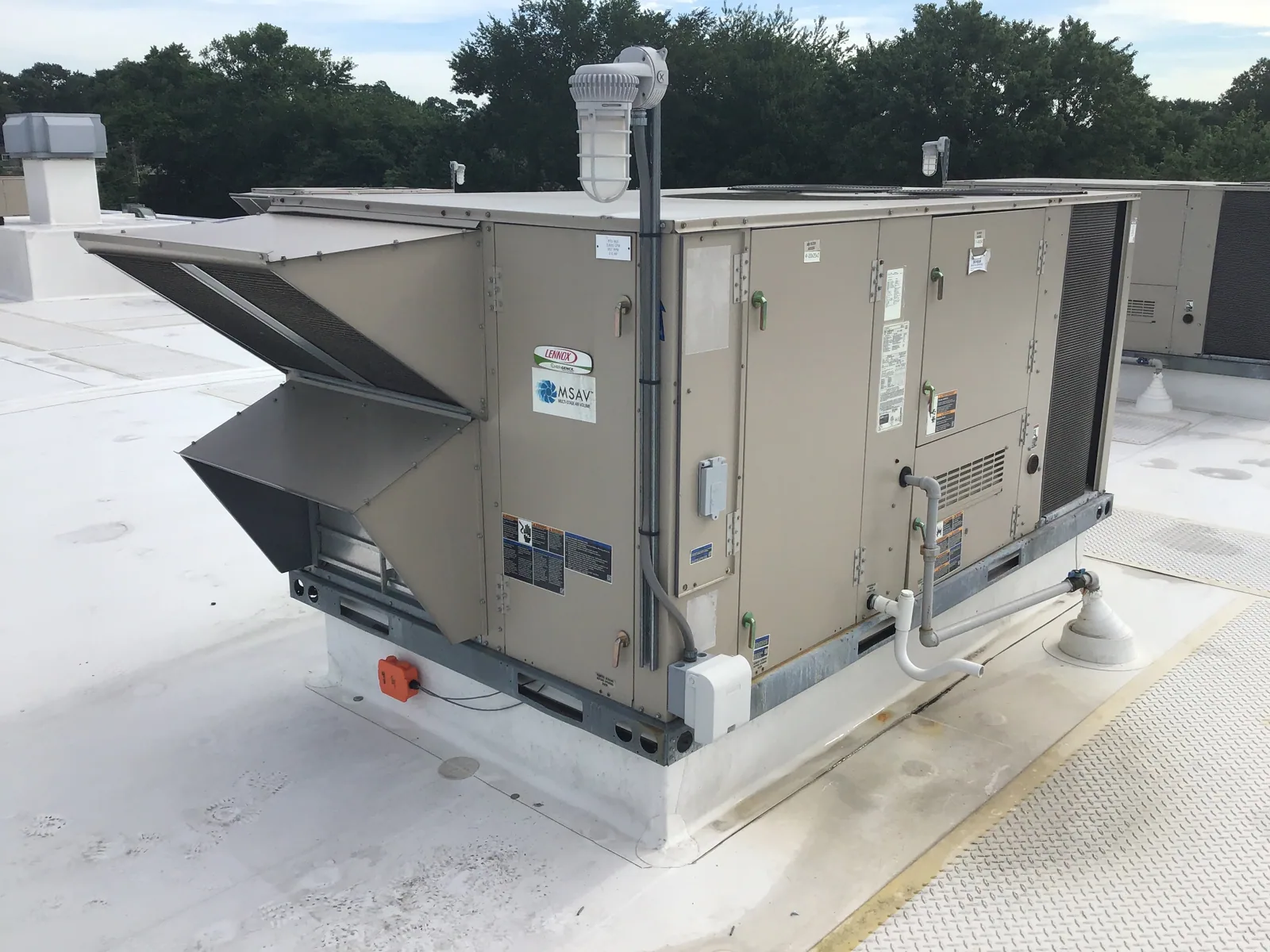
Rooftop units can block part of a repair. We note what the HVAC contractor needs to do and which roof repair that allows, marked at its location on the roof. Work finished elsewhere does not complete that curb.
We confirm who to contact for that work. If the job is split into visits, the extra setup and protection are included in the record. The curb stays on the pending list until it can be finished, so the manager can arrange the HVAC work knowing exactly what it needs to accomplish.
A rooftop curb and support repair keeps its own findings. A damaged curb is not covered just because new membrane was installed around it. The file shows who was responsible for what, so a later reviewer can tell finished roofing from work still waiting on another trade, rather than assuming everything was restored because a material invoice was paid.
Build the record around your property
A useful roof claim file connects the storm or incident to what was found made at the property. Keep dated photographs of the roof and interior, note the locations examined, and distinguish visible damage from conditions that still need testing. A contractor’s scope should describe the repair work and quantities without promising an insurer’s coverage decision.
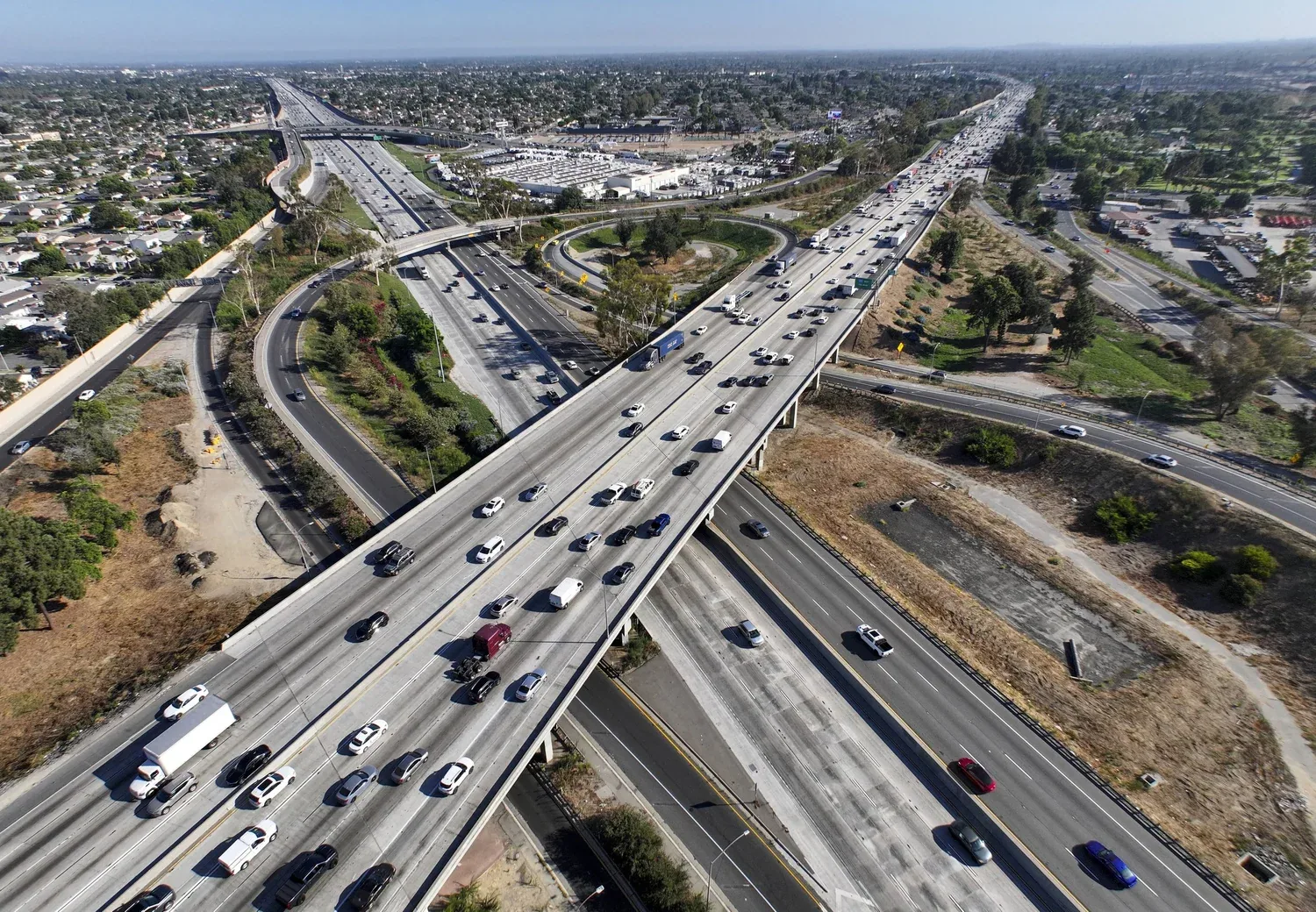
For a building near the Downey I-5/I-605 interchange, document the examined roof section, observed damage and proposed repair. An office roof evaluation uses the same evidence-first record, while the owner or insurer determines claim treatment.
The final file keeps inspected areas, product information and repair locations together, with photos and test results beside the work they show. Approved changes are tied to their quantities, and areas we could not reach are listed separately. The manager has a roofing record that holds up to later questions, while coverage decisions and open investigations stay clearly marked.
Commercial Roofing Questions
What should I sort out before asking for claim help?
The property address, which roof areas are involved, what documents you need from us, and who on your side is the contact. Any photos or notes from the storm help too. We keep what was reported separate from damage we actually confirm on the roof.
How does temporary work show up in the file?
As its own entry: what was installed, where, who approved it and what it does not fix. The permanent repair is proposed separately once we have checked the layers underneath.
What happens if more damage is found during the repair?
We record where it is, explain the added removal and replacement, and get approval before doing it. The file keeps that later finding separate from the original inspection, so the scope change is easy to follow.
Do you decide whether the insurance company should pay?
No. We document the roof and propose repairs. Coverage decisions belong to your insurer and adjuster, and structural or design questions go to the right professionals.
Get a clear roofing record for your claim
Send us the address, the roof areas involved and any photos or repair records you have. We will document the damage we find, the repairs we propose and the work completed, with open questions clearly marked.