Home / Commercial Roofing Services
Storm Damage Roof Repair in Downey, CA
Storm damage roof repair in Downey, CA. We document wind and rain damage, install temporary protection and price backing and flashing repairs before rebuilding.
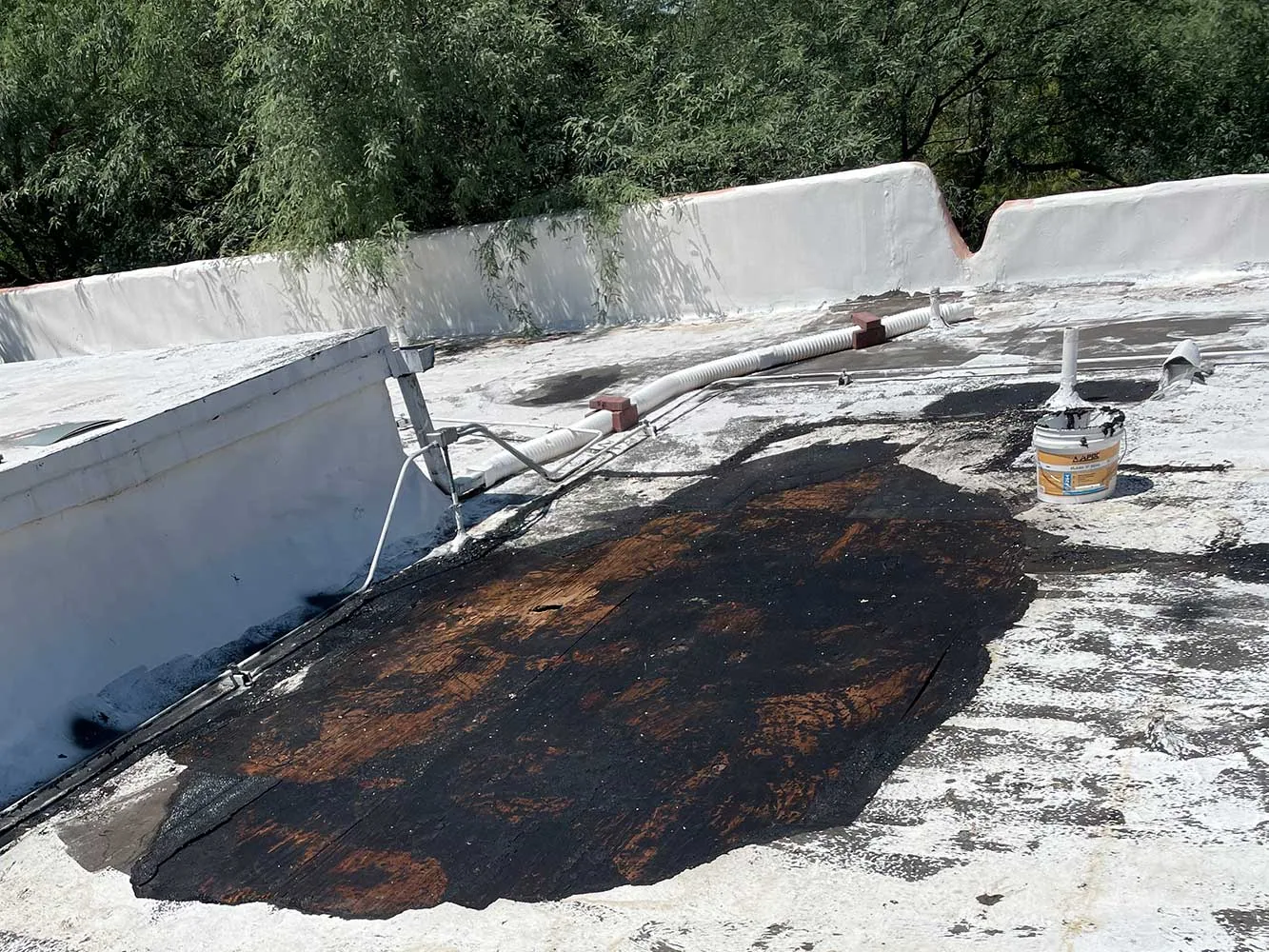
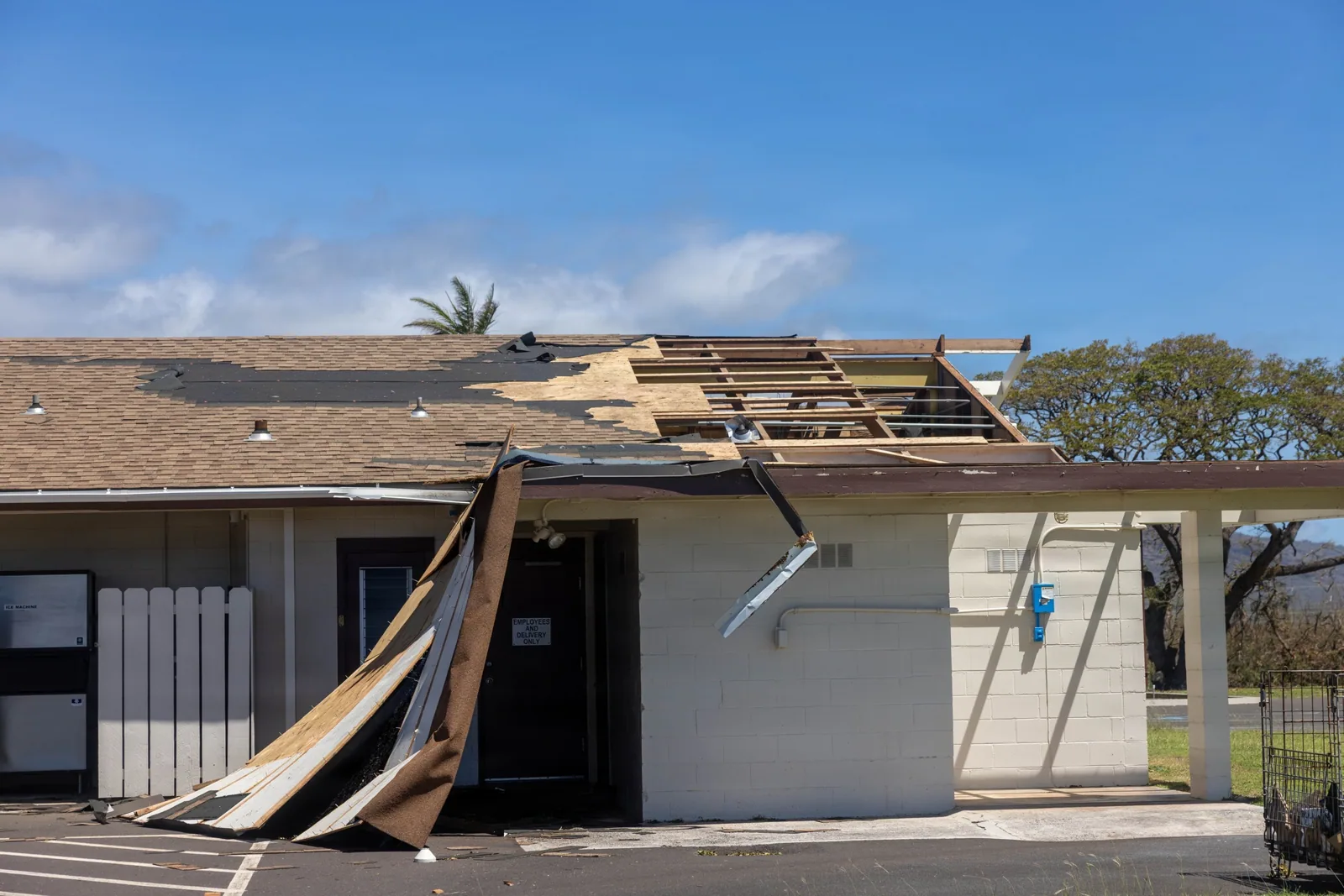
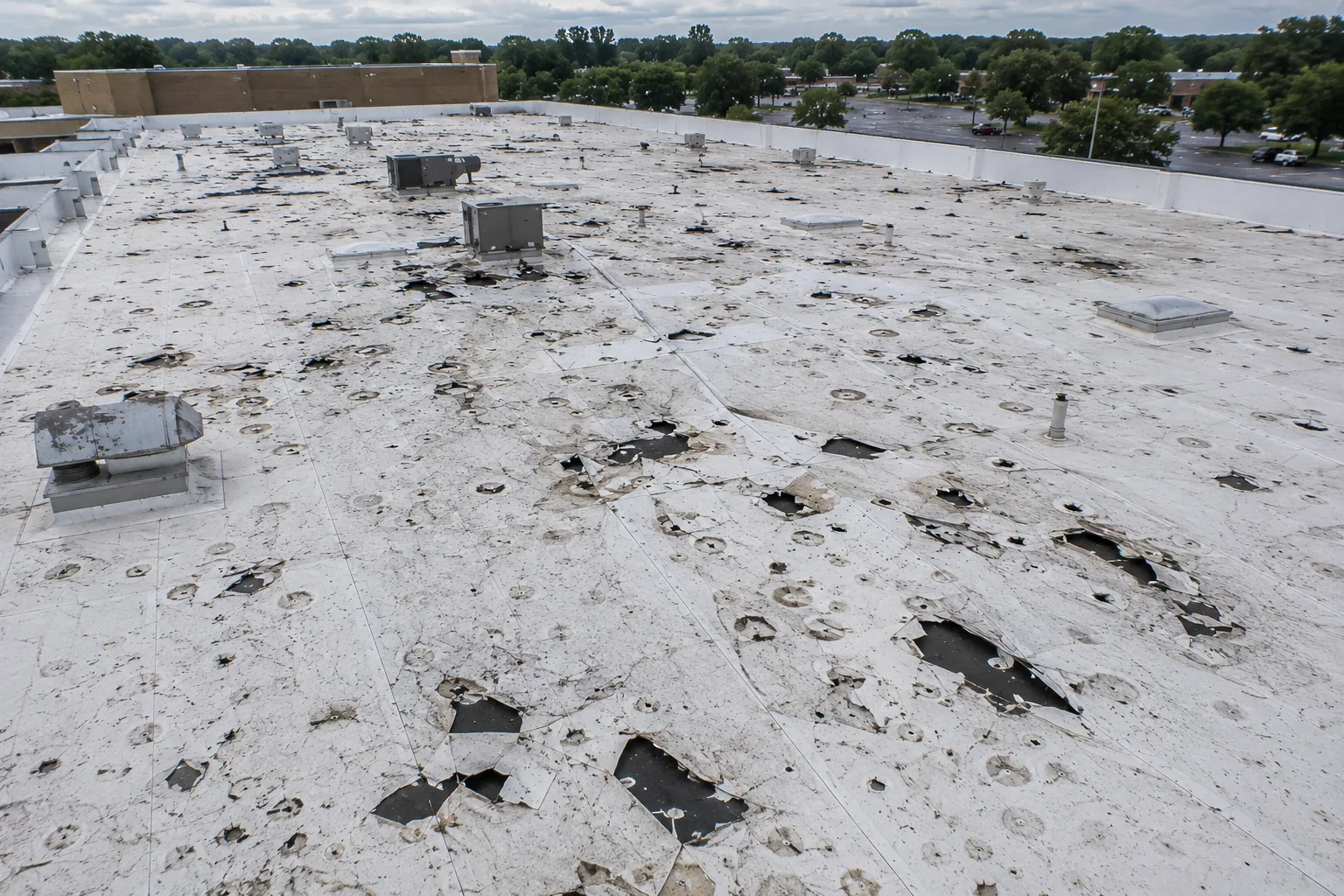
The storm report is only the first line on the roof ticket. In Downey, dry Santa Ana winds can stress sealant and flashings before winter rain exposes a weak seam. We photograph lifted edge metal, punctures, loose flashing and debris impact, then price temporary protection apart from permanent repair. We respond around the clock, including nights, weekends and holidays. Inspect the damaged area before setting removal quantities.
After wind or heavy rain, inspect roof edges, seams, drains, flashings and rooftop equipment. Photograph lifted metal, displaced caps, punctures and debris impact before temporary protection hides the condition. Santa Ana winds can bring very dry air and strong gusts to the region; the roof inspection still needs to identify damage at this building. Separate immediate water protection from permanent repairs. Price each confirmed opening and note areas that could not be reached or checked safely.
When you call, share what you have seen and when, plus any past repair records. We keep the storm itself separate from damage we actually find on the roof. The manager can approve the immediate work while any open questions about the layers underneath stay visible.
Find the actual damage before choosing the permanent repair
Examine the assigned roof sections and identify accessible material condition. Record affected edges, field surfaces and raised components where findings support them. Keep unavailable construction outside the account of completed examination. A photograph should have a location and a description of what it shows.
A wind damage repair requires its actual damage boundaries identified. A membrane puncture repair needs the same care. The storm name does not tell us which repair the roof needs.
We look at earlier patches and coatings before choosing repair materials, and if an old patch cannot be identified, we check it first. Possible damage underneath stays on the list until we can test it. The manager gets findings that support each repair and a next step where we do not know enough yet, so a broad storm damage allowance never assumes the backing is fine.
Approve temporary protection separately from the rebuild
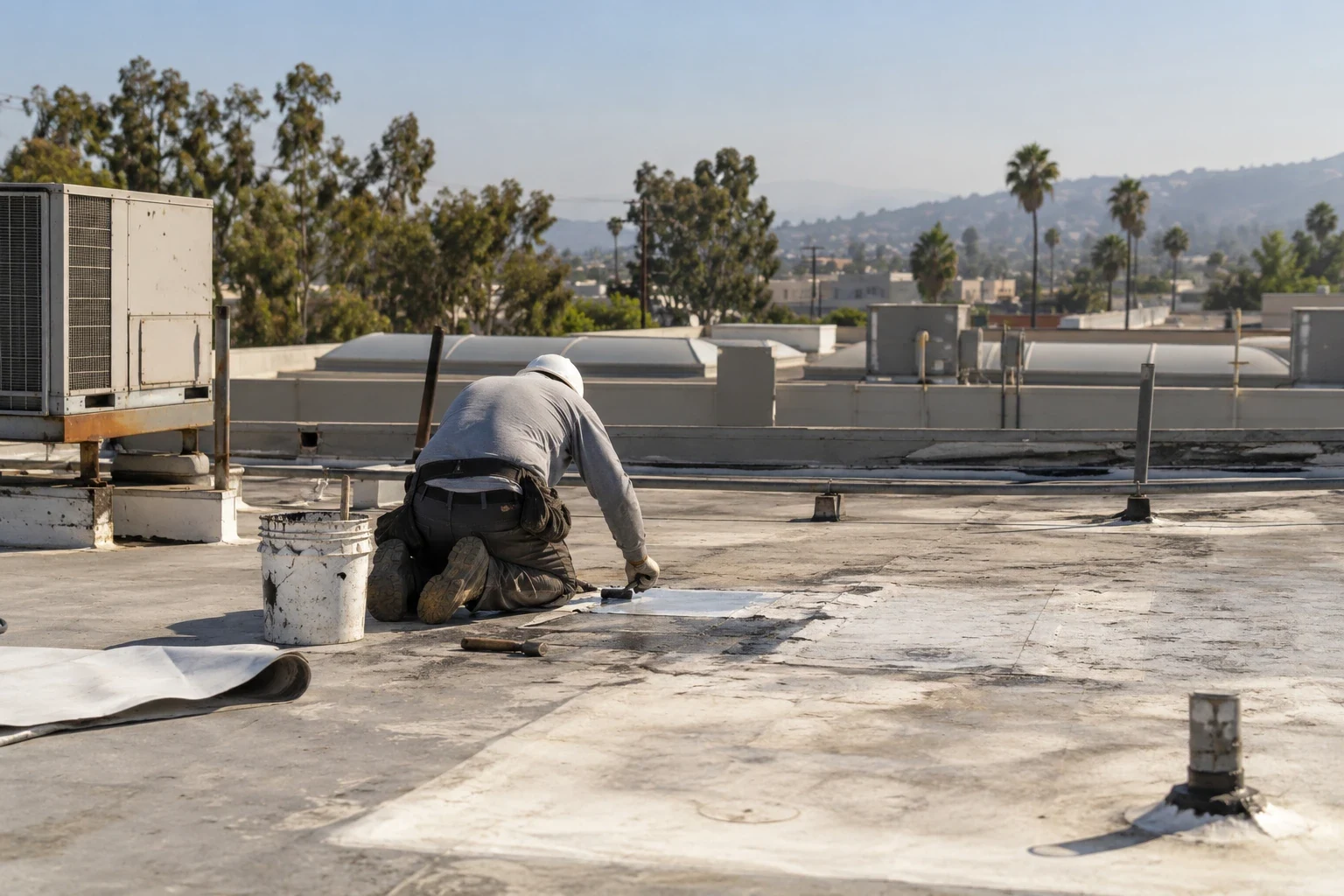
A storm-damaged roof may need protection while the permanent repair is planned. We check what we can reach and the condition of the surface before choosing a temporary measure, then describe where it goes and what it does not fix. The manager knows exactly what is being approved now.
For emergency roof protection, we list the area covered, the materials and the limits before pricing the permanent repair. Temporary materials are tied to their roof locations. The permanent rebuild follows a proper look at the layers underneath and the flashings, and a tarp is never recorded as a repair of hidden damage.
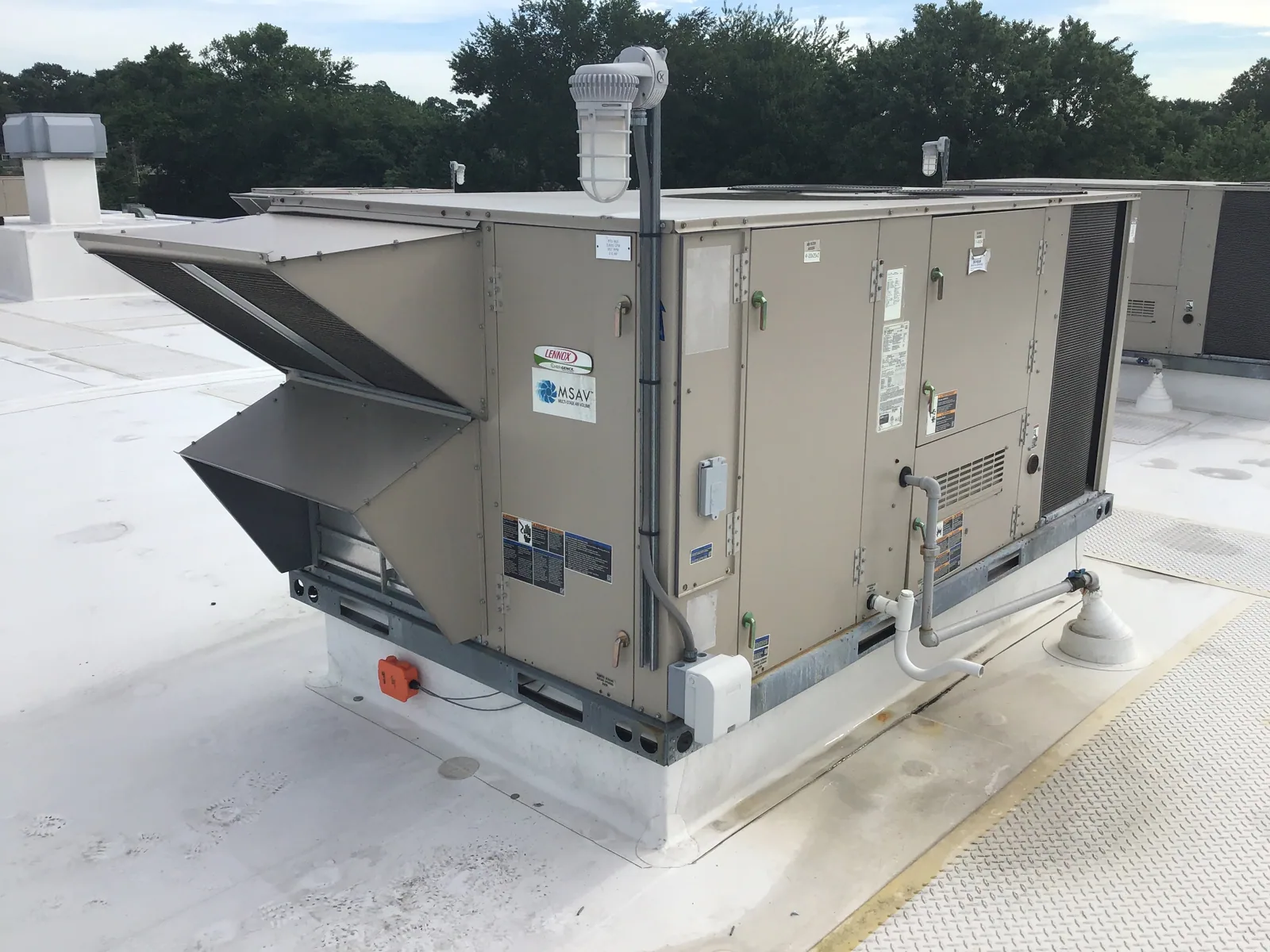
If a rooftop unit blocks part of the damaged area, we note what the HVAC contractor needs to do and arrange it through the building contacts. That stays separate from roofing we can reach. If the work is split into visits, we include the extra setup and protection in between. The remaining-work list shows which spots are still waiting, so progress elsewhere is not mistaken for a finished job.
Check for hidden damage before setting removal quantities
Visible storm damage often raises questions about what is underneath. We check the insulation and backing where it matters for the repair and say how far we checked. Confirmed wet or crushed material is listed separately from areas still to be tested, and anything we plan to keep is based on what we found.
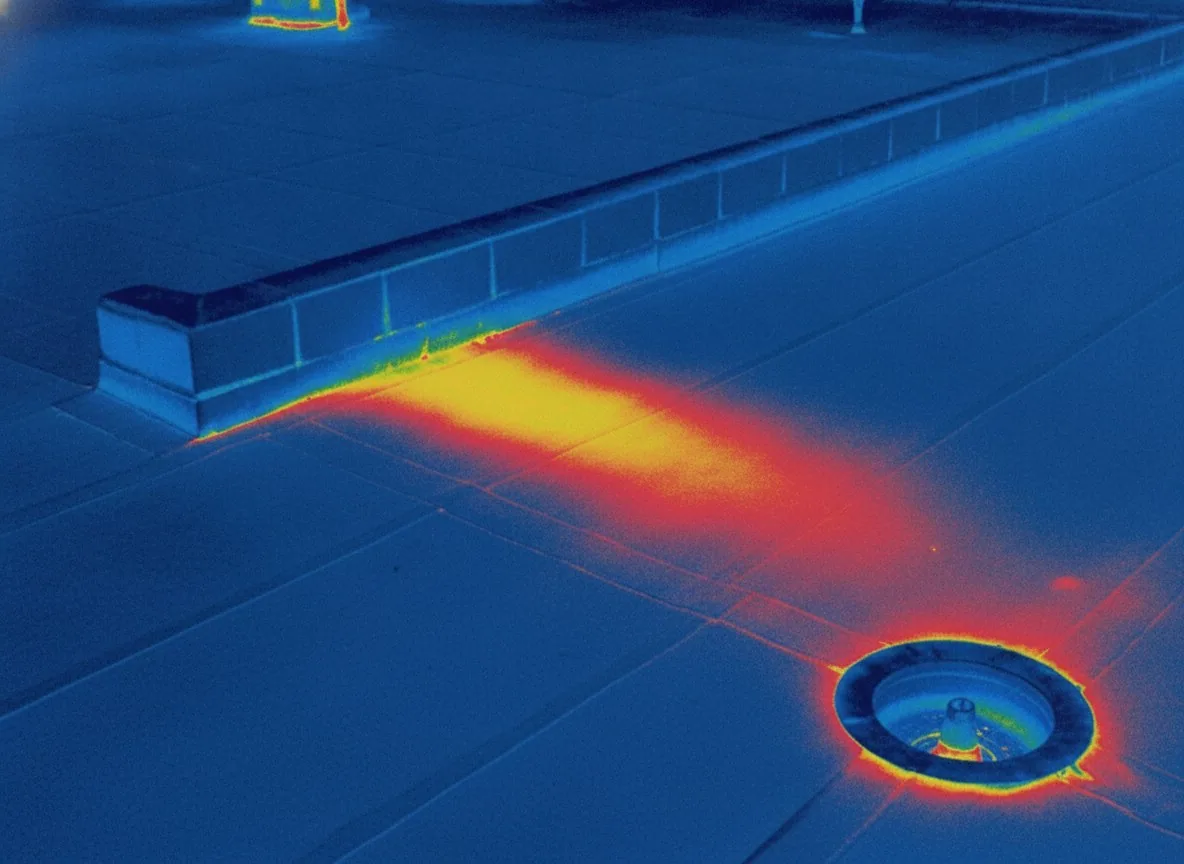
An infrared survey may help select test locations when roof and weather conditions suit the method. Thermal indications alone cannot establish an exact breach location or every removal quantity. Keep the agreed confirmation work and its examination boundaries in the record.
If opening the roof shows more damage, we record where, explain the added removal and rebuilding and get approval before continuing. The open area is protected until then. Structural concerns go to the right reviewer. The manager can see why quantities grew, and the original damage record stays intact instead of pretending the storm report or first photos showed everything underneath.
Include curb and edge repairs in the rebuild price
A permanent storm repair has to cover every flashing and edge involved, not just the field. We identify the existing materials and the repair products before ordering. Where the repair depends on a damaged edge, curb or penetration, that work is listed with it.
For curb and equipment support work, we inspect the curb and its base and line up the HVAC contractor before rebuilding flashing. A membrane patch cannot fix a damaged curb. If we cannot reach a curb yet, we note what the equipment owner needs to do.
If new insulation changes how the roof meets a curb or edge, we get the right review before ordering. The building's rules set work hours and material routes; we price any extra setup and protection they require. The property manager gets a complete repair price with responsibilities spelled out, not a membrane quantity that leaves the edges unfinished once the field is done.
Keep storm reports and finished repairs as separate records
Keep the event report, roof findings and repair record separate. Date each photograph, mark its roof location, list the material installed and identify the repair completed. If an area was not reachable, mark it for another inspection. Do not include it in the corrected quantity as though it were examined.
For a commercial roof near the I-5/I-605 Downey interchange, keep temporary cover and permanent repair on separate lines. Price only the building and sections examined.
Our storm repair condition report lists the products installed and where repairs were made, with photos and test results beside the removal and rebuild work. Approved changes are tied to the areas they affected. Areas we could not reach and HVAC work still pending are listed separately. The manager can see what was repaired and what still needs a look, with storm information kept apart from what we actually found and fixed.
Commercial Roofing Questions
What should I send when requesting a storm damage inspection?
The address, the affected roof areas, what you saw and when, any earlier repair records and a site contact. We keep the storm report separate from the damage we confirm, then explain any further testing needed before the permanent repair.
How is temporary protection different from the permanent repair?
Temporary protection is its own task, described by location and what it does not fix. The permanent repair comes after checking the materials, insulation and flashings. Areas waiting on HVAC work or further inspection stay listed until they can be finished.
What happens if removal finds more storm damage?
We record where it is, revise the removal and rebuild quantities, and get approval before going further. The area stays protected in the meantime, and structural concerns go to the right reviewer.
What records do I get after a storm repair?
The storm information you gave us, the damage we confirmed, products installed, repair locations, photos, test results and approved changes, plus a list of areas not inspected and work still pending.
Get storm damage inspected and repaired
Send us the property address, the affected roof areas and any photos or notes from the storm. We will inspect the roof and explain temporary protection, repairs underneath and the permanent flashing work needed.