Restaurant Roofing in Downey, CA
Restaurant roofing in Downey, CA: kitchen exhaust and curb flashing repairs, grease-damaged membrane, moisture checks and roof work planned around service hours.
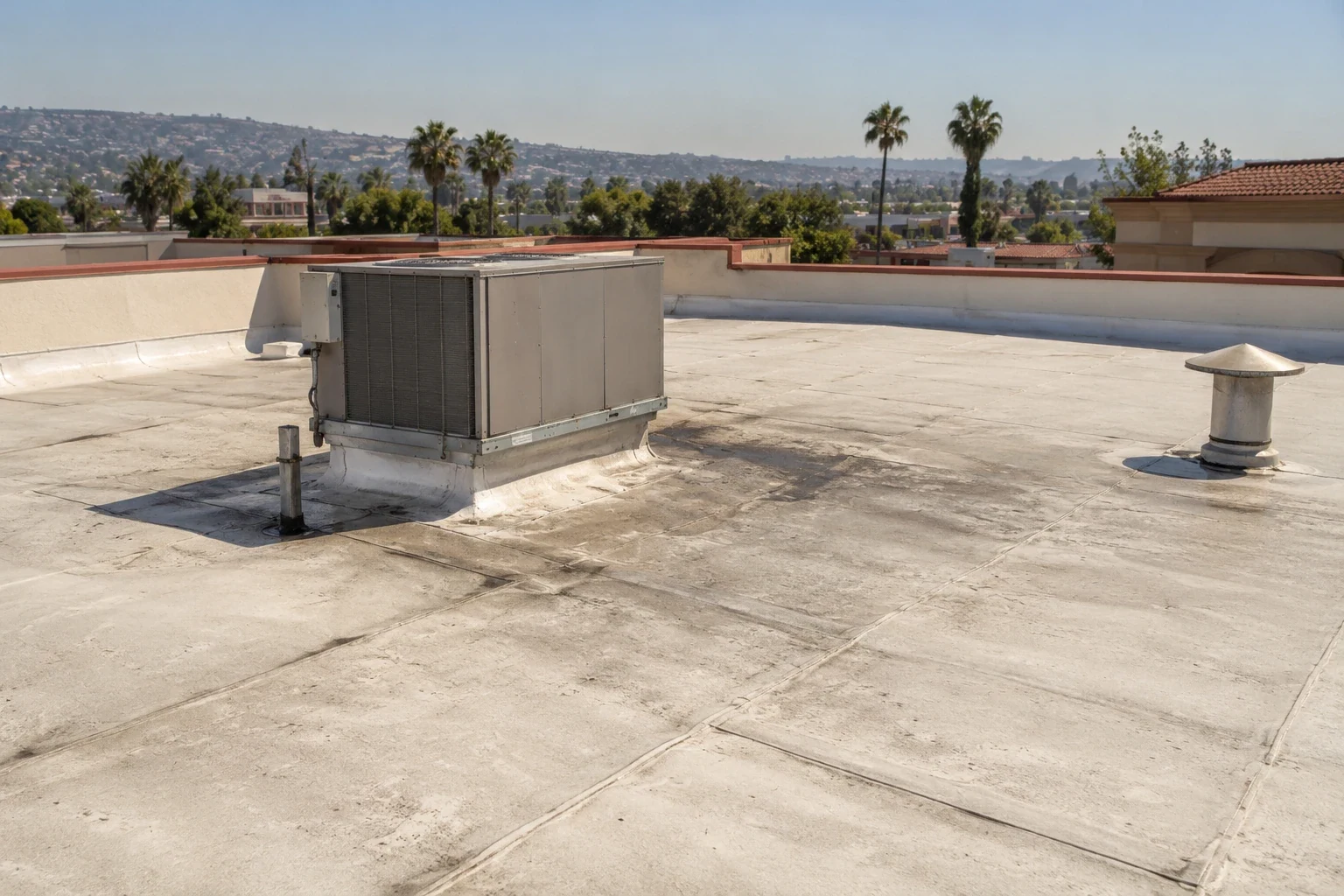
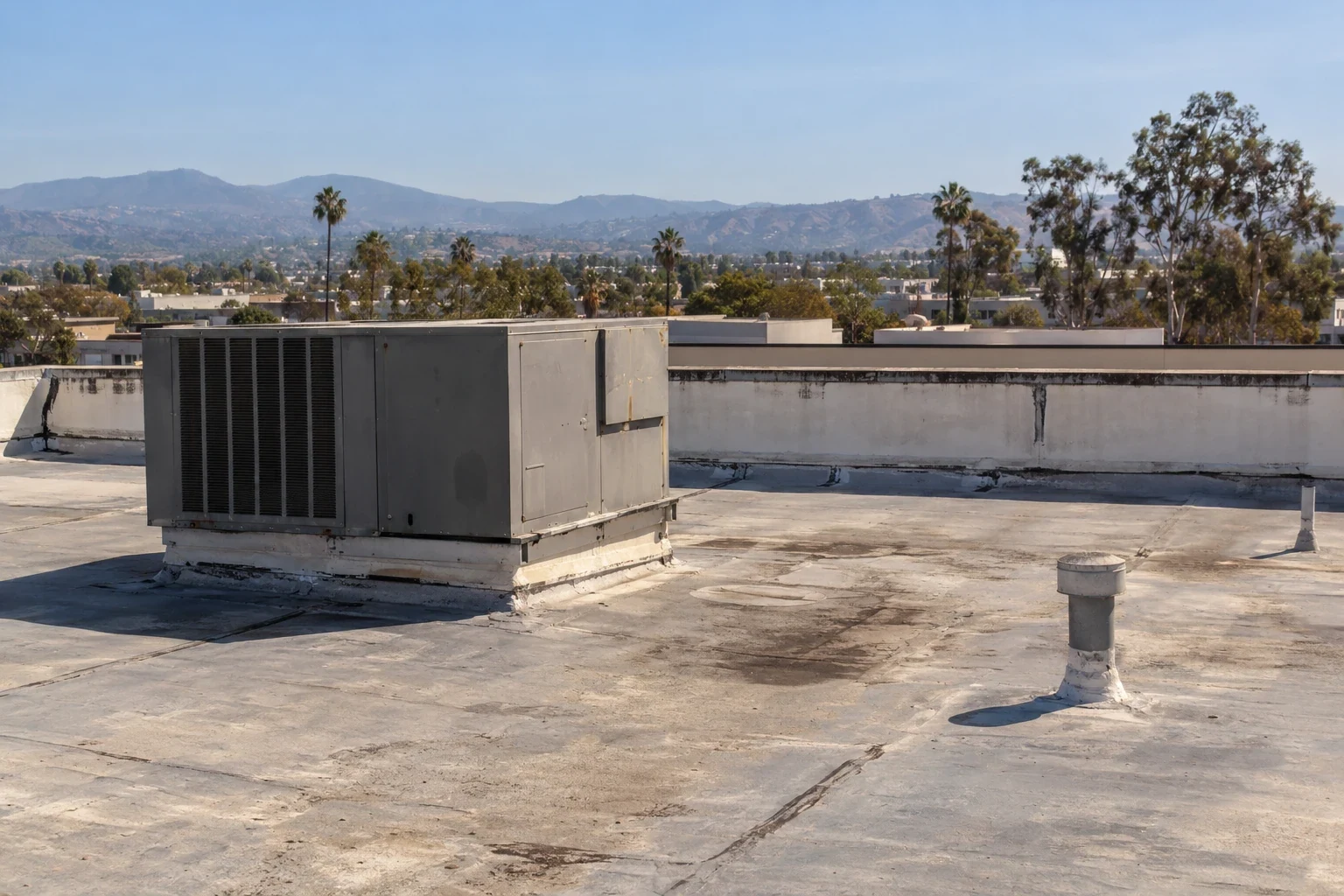
Restaurant roof quotes often leave out the equipment work right next to the leak. A leak at a kitchen exhaust fan or vent needs a repair that actually seals the curb, not just more membrane in the open roof. At a Downey, CA restaurant, we inspect that detail before deciding on the scope. We check the flashing and the material the repair will bond to. Exhaust and HVAC contractors handle service and prep for their units. The owner or operator arranges protection for the kitchen or dining room under any opening. Those responsibilities sit next to the roofing price, because a complete repair needs sound material and a prepared work area.
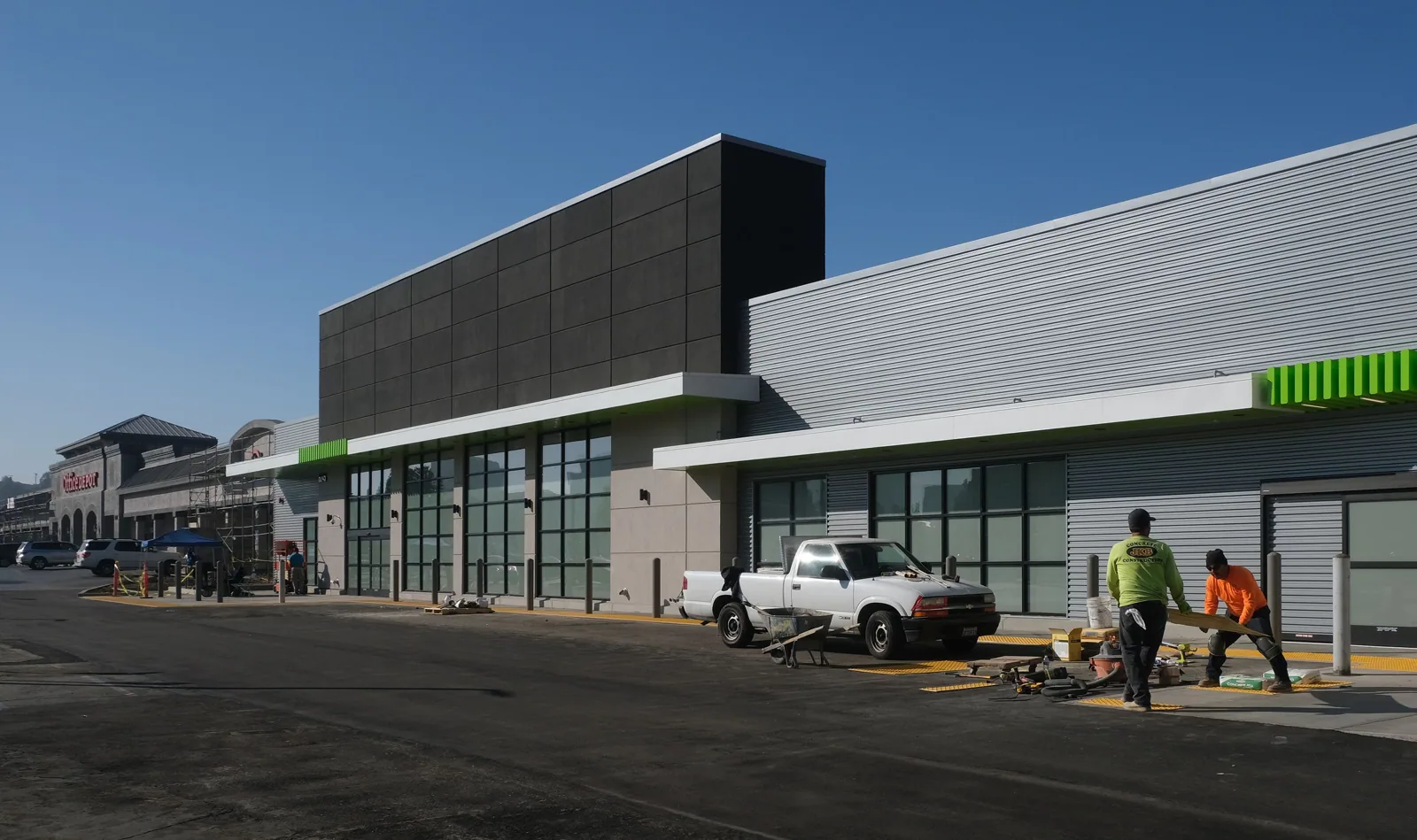
Downey retail includes Stonewood Center, which opened in 1958, and the Promenade at Downey power center. For restaurant work in a shopping property, identify the leased space, assigned roof section and equipment contact. The owner and operator may control different parts of a curb connection. Price the opening and interior protection with those arrangements established.
Inspect the penetration before adding membrane
The flashing around a fan curb or vent pipe can fail while the surrounding roof is still fine. Our skylight and penetration flashing work checks the flashing where the leak was reported. We look for split or loose flashing and the sound surfaces the repair needs. The equipment contractor handles service and prep for the unit. If a curb has to be raised or a support changed, an engineer may need to review it. The roofer does not decide every equipment question, so we show where our flashing will meet the equipment work, and the price includes that point.
We check the backing under the flashing before reusing it. Rot or damage can mean removing more than the visible split. We set the repair edges where the backing is sound. A strip over the split may just hide the problem. The equipment work and the roof work stay listed separately, and neither gets buried in a square-foot number. The owner can compare bids once both sides of the repair are spelled out.
Separate cleaning from cutting out bad membrane
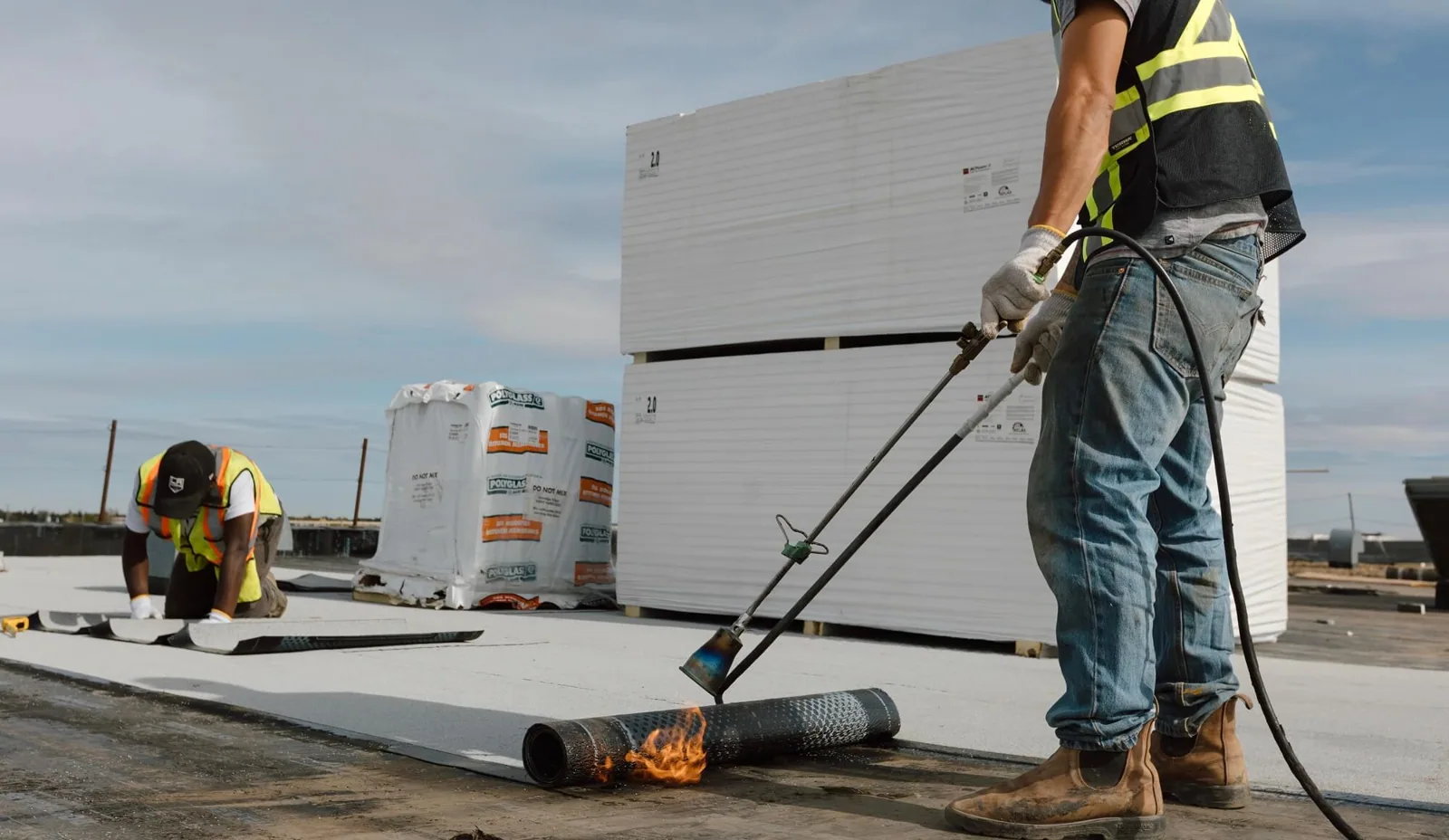
A lasting repair needs surfaces that match the existing roof. Our commercial roof repair starts by checking what the repair can bond to. Sound membrane may only need cleaning suited to its material. Grease and kitchen residue can soften membrane or stop adhesives and welds from holding, so heavily contaminated material may need to be cut out. We check the condition rather than assume a dirty surface is usable. TPO and PVC need clean, weldable material. Other roof types need their own primers and adhesives. The price follows the prep the existing roof actually needs.
That prep often explains why two patch prices differ. One may include cutting out damaged layers next to the leak, while the other only patches the visible spot. Compare where each bid's repair ends and what it finishes. More membrane in the field does not fix a failed curb, and a cheaper quote may leave out the backing repair. The owner needs a full explanation before deciding either price is better.
Kitchen exhaust fans and make-up-air units put repeated movement and heat near roof openings. Check curb flashing for splits, loose corners, and grease or residue that can interfere with adhesion. Look at the membrane upslope and downslope from each unit because water can follow a seam before it reaches a ceiling stain. A lasting repair needs sound material around the curb, a compatible patch, and any equipment-side preparation completed before the roofer closes the detail. Include the fan curb, duct transition, and nearby seam on the same roof sketch so the repair boundary remains clear after the equipment is put back in service.
Review equipment and dining areas before opening
Opening a restaurant roof can affect the kitchen, dining room or storage areas below. Our occupied-building reroofing plan describes the opening we propose. We identify where materials arrive and how debris leaves without passing through food areas. The owner or manager reviews the affected rooms and service hours. Exhaust and HVAC contractors decide when their equipment can be shut down and how it is protected. We price the resulting work with the tear-off and repair. Permission to inspect the roof does not cover changes inside, so we confirm the plan before work starts.
If more rotted backing turns up, the opening may extend beyond the reviewed area. We show the larger opening and the reason first. The manager reviews the affected equipment, access and protection again. Those steps are priced with the added roofing. The original plan does not cover every later area. A temporary seal can protect a spot while the permanent repair is scheduled, and it is listed separately from finished work.
Test the layers before keeping the old roof
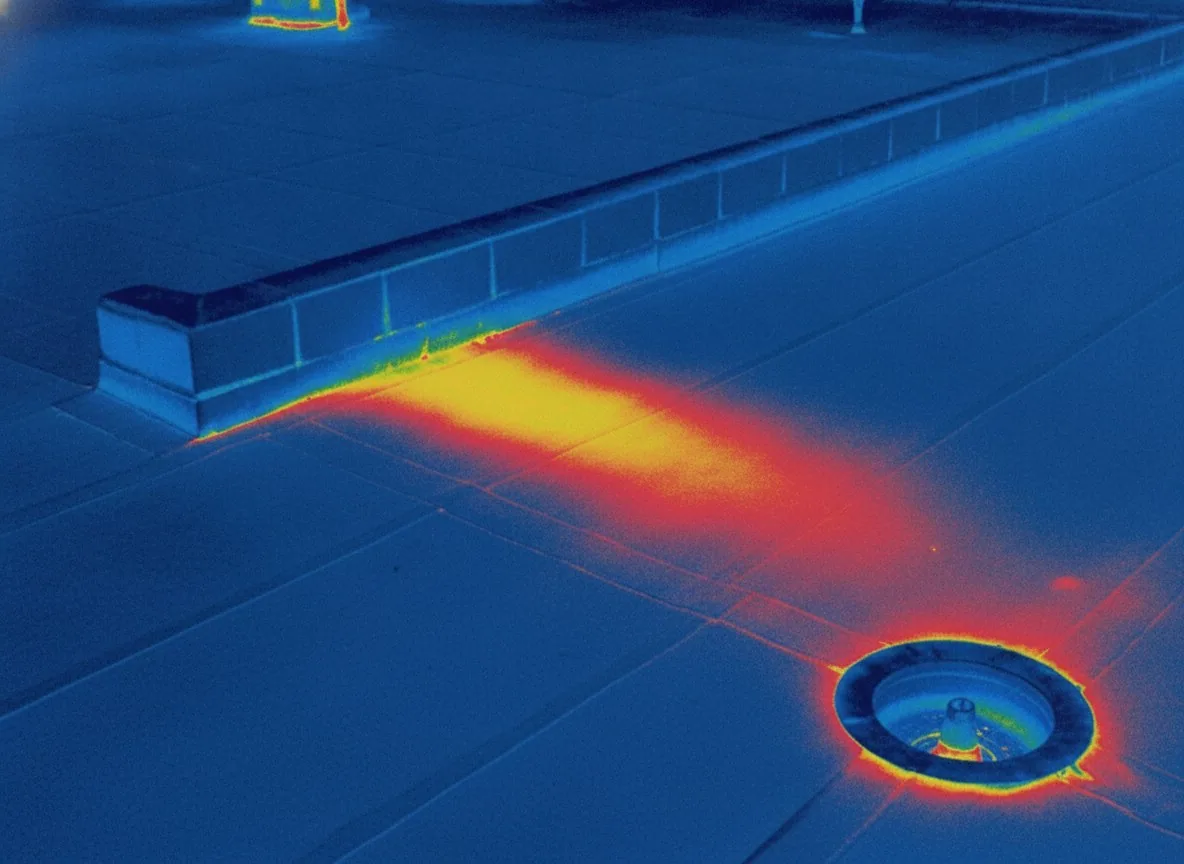
A roof that looks intact does not prove the insulation underneath is dry. Our infrared moisture survey compares thermal scans with the roof records. Weather and heat from kitchen equipment affect how we read the results. A temperature difference helps us find areas to check with a core cut. It cannot prove every hidden layer is sound. We test wherever keeping the old roof affects the repair method. Patching those cuts is part of the survey, and protection below each one is reviewed with the manager.
When a wet area is confirmed, we mark how much has to be replaced. Widespread moisture may need more testing before approving a repair that keeps the old roof. We explain which areas need to come out and which can stay. New membrane cannot fix wet insulation underneath. The owner needs that information before comparing options. A larger option should show the extra work and why it is needed, and both prices should follow this restaurant's actual roof.
Record finished roofing apart from equipment work
The closeout shows where permanent flashing and membrane repairs were made. It includes patched test cuts and backing problems found during tear-off. Temporary seals are marked separately from finished work. Equipment prep or related repairs still needed at each curb are listed. A finished roof does not mean the exhaust fan or HVAC unit has been serviced. The owner can use that list for the next approval. Photos show the actual repair, and any remaining budget covers only work still needed.
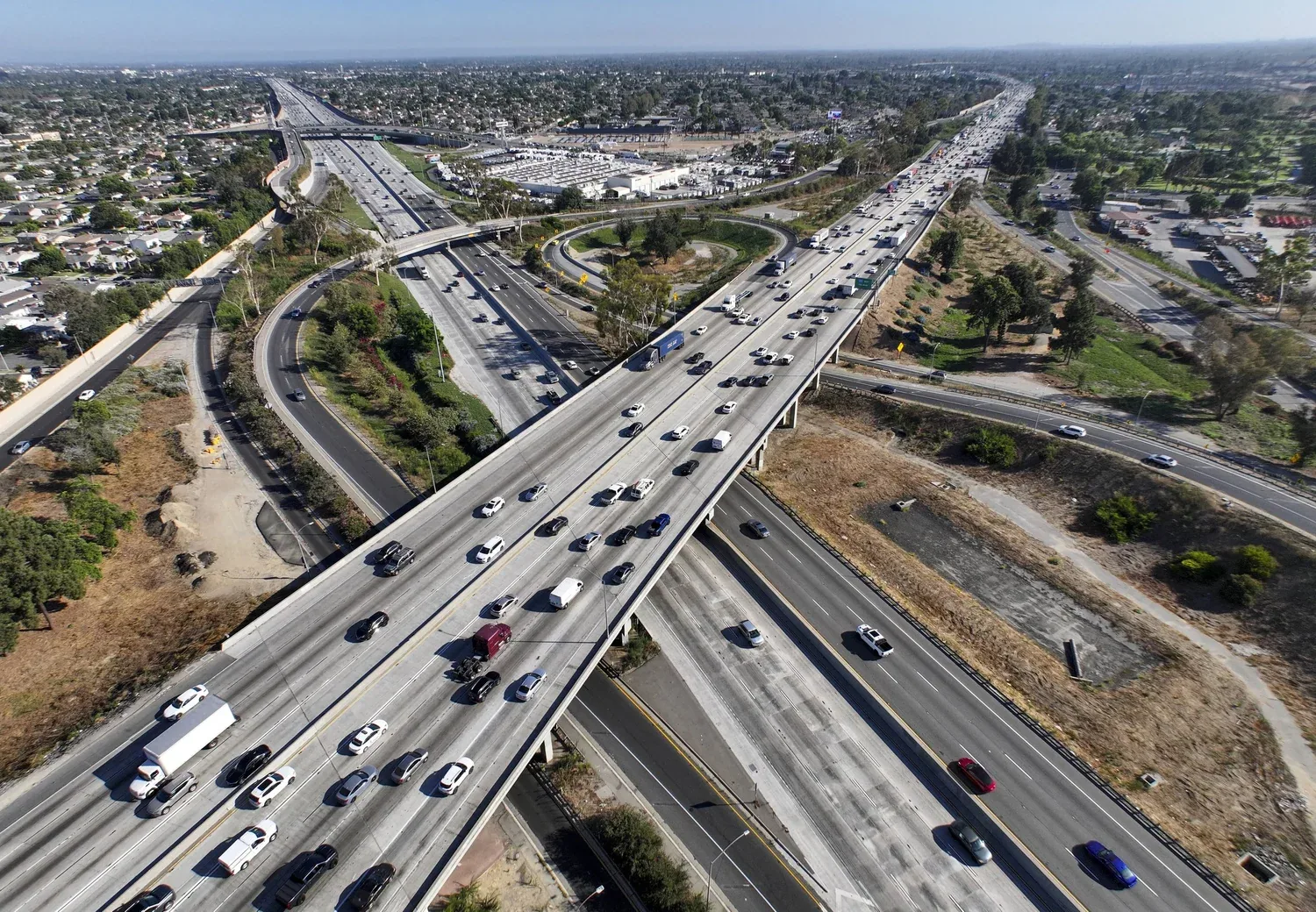
Keep the approved roof section, curb and equipment contact in the closeout. A restaurant roof visit near the I-5/I-605 interchange needs that property-specific record. Grocery store roofing and shopping center roof work across tenant spaces carry different access and approval needs. Record the membrane detail repaired and any equipment task still pending.
Commercial Roofing Questions
Why can a restaurant roof penetration repair cost more than a field patch?
Because the repair has to seal the curb or vent itself. That means sound backing under the flashing, removal of any grease-damaged or rotted material and prep by the equipment contractor. Compare complete curb repairs before picking a field price that may stop short of the actual leak.
Can cleaning alone get the existing membrane ready for a repair?
Sometimes. Sound membrane may only need cleaning for its material. Membrane softened by grease or worn out by age may need different prep or removal. We check the condition before accepting a smaller patch as the whole repair.
What needs to be reviewed if rotted backing makes the opening bigger?
We show the larger opening and which kitchen, dining or equipment areas are affected. The owner or manager arranges permission and checks with equipment contractors. Updated protection, access and handling are priced with the extra roofing. The first plan does not automatically cover the larger area.
What supports keeping the existing roof layers?
Testing where it matters. We use scans, roof records and core cuts, taking conditions during testing into account. Test cuts are patched and the space below is protected. The results show whether the layers can stay, need to come out or need more testing before you approve the price.
Get a restaurant roof and curb repair plan
Send us the building address, which fans, vents or curbs are leaking and any roof records you have. Working with your manager, we will inspect the roof and price the repair, the equipment coordination and protection for the space below.