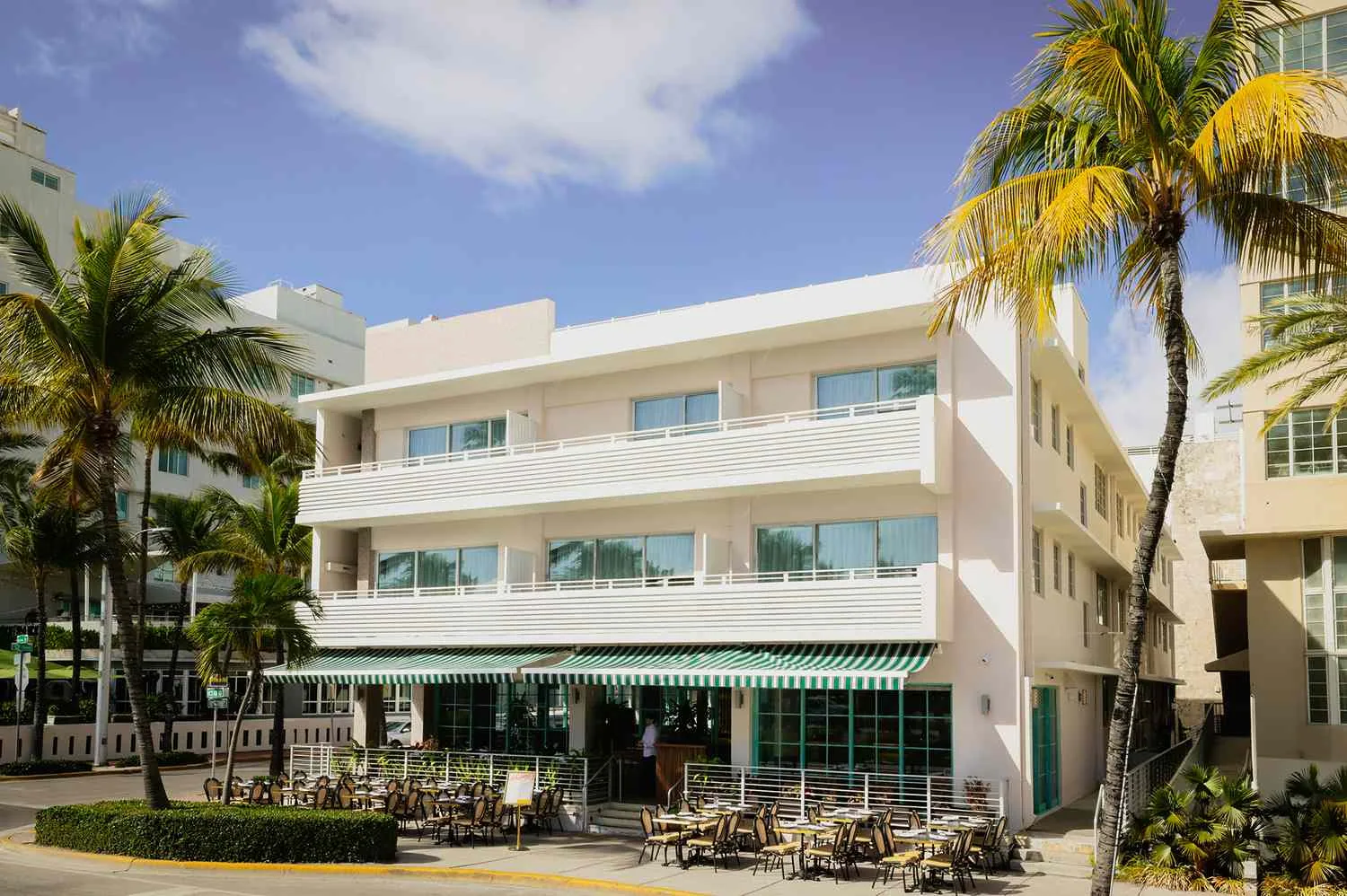
Hotel Roofing in Downey, CA
Hotel roofing in Downey, CA: leak tracing from guest rooms to the roof, curb and exhaust flashing repairs, moisture testing and openings planned around occupied rooms.
Hotel roof work has to be planned around the rooms underneath. Even a small opening can affect more than the roof material. In Downey, CA, we identify those rooms before the repair price is accepted. We inspect the roof and describe the repair it needs. The hotel manager arranges access to rooms and reviews any affected services. HVAC, kitchen and laundry equipment stays with the contractors who maintain it. Our proposal includes the protection that comes out of that review. A roof visit alone does not mean the rooms below are ready for tear-off.
A hotel leak can interrupt a guest room, meeting space or back-of-house area. Identify the room and inspect the roof above it. Check rooftop units, kitchen exhaust, drains, pipe penetrations and wall transitions. Water can travel before it drips, so match the room report with roof evidence. Photograph any stain and visible detail. Protect furnishings and finished ceilings before opening the roof. The manager should see which rooms could be affected, what the contractor will cover, and how the roof will close at the end of each stage. Include removal, insulation, flashing and membrane work in the proposal. Match the reported room to the roof section above it, then price the material and protection needed for permanent closure.
Identify the rooms below the planned tear-off
The approval needs to match the opening we actually plan. Our occupied-building reroofing plan outlines the tear-off, the repair and how materials will be handled. We show the hotel manager which rooms below could be affected and how materials and debris will move. Hotel staff decide on room blocks, guest notices and other operating changes. Equipment contractors handle their own systems. We price the protection needed alongside the roofing. A date on the schedule is not the same as a ready work area, so we confirm the plan first.
If more damage turns up, the work area can shift. A different room may be under the added opening. We explain the change before removing more roof, and the manager reviews access and protection for that room. The change price includes those steps along with the extra roofing. Approval for the first area does not cover another room. A temporary seal can protect a spot waiting for its permanent repair.
Trace the leak before choosing a repair
Water in a guest room ceiling may have entered the roof some distance away. Our roof leak repair starts with what staff saw: which room, where, and when it happened. We then check seams, penetrations and wall flashing above and around it. A plumbing or HVAC problem may need its own contractor. If we cannot explain the leak, we say so instead of promising a roof fix. Our recommendation follows a defect we actually found on the roof, which gives the owner a clear reason for the repair cost.
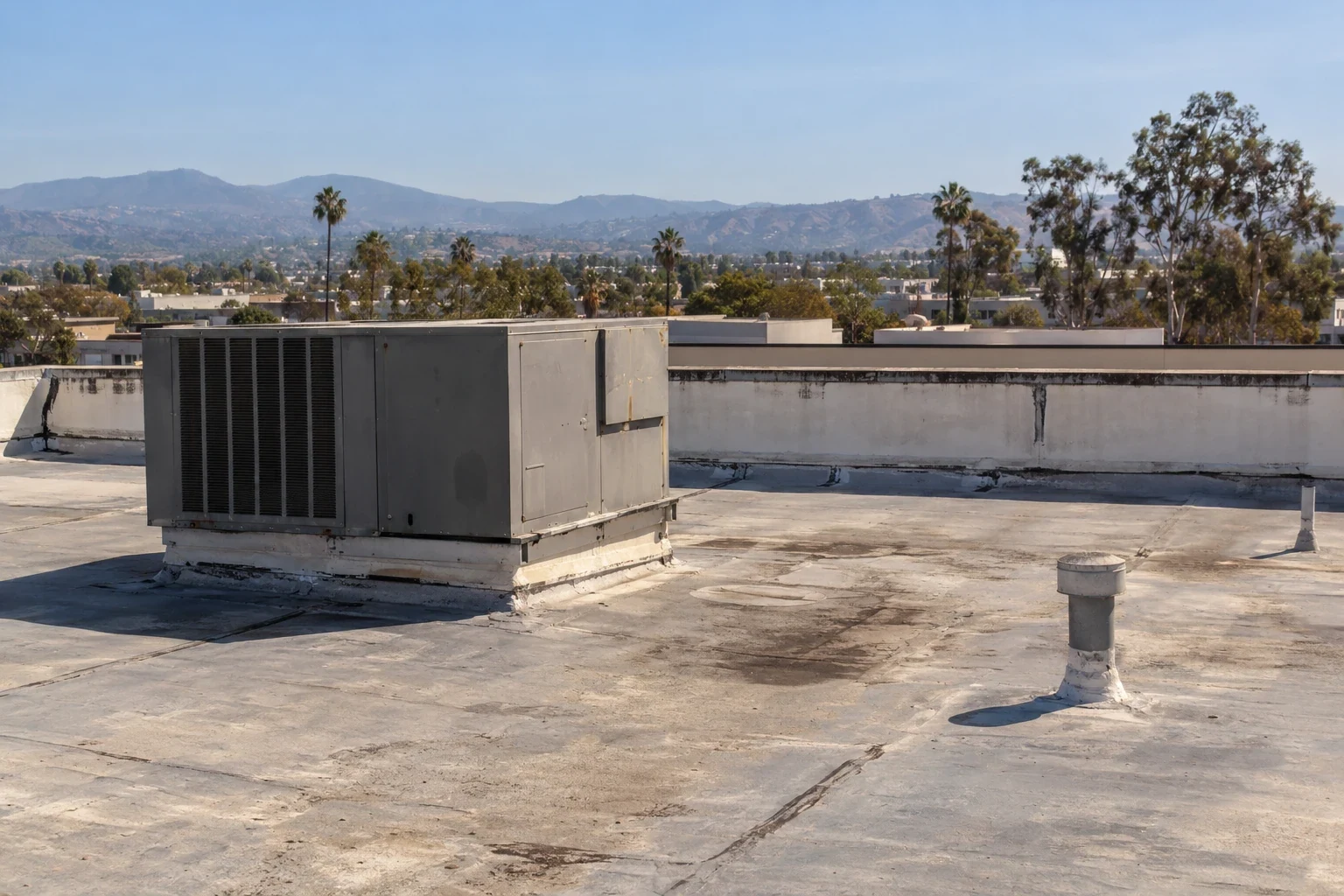
Inspect the roof around kitchen and laundry exhausts where grease or moisture can affect a detail. Check for open flashing and service penetrations. Price cleaning or equipment work separately from the membrane repair, and confirm the receiving surface before applying new material.
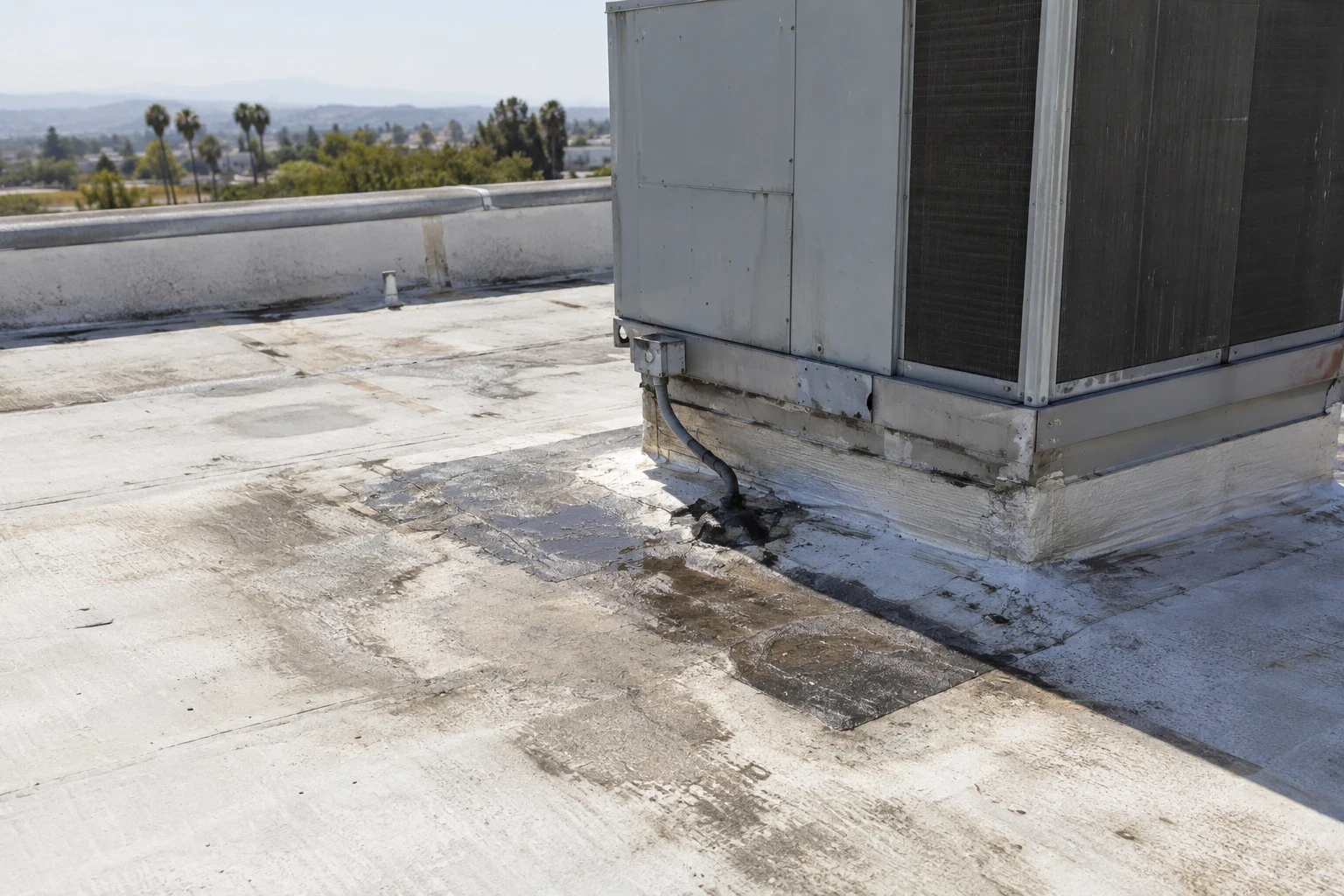
Once we find the opening, we check the membrane around it. Sound membrane may only need cleaning for the repair method. Brittle membrane or rotted backing may need to be removed past the visible split. We set the repair edges at sound material. A smaller patch may skip that preparation. The repair description shows how each edge will be sealed, so bids can be compared by the work involved rather than the size of the stain.
Include wall and equipment prep with the flashing
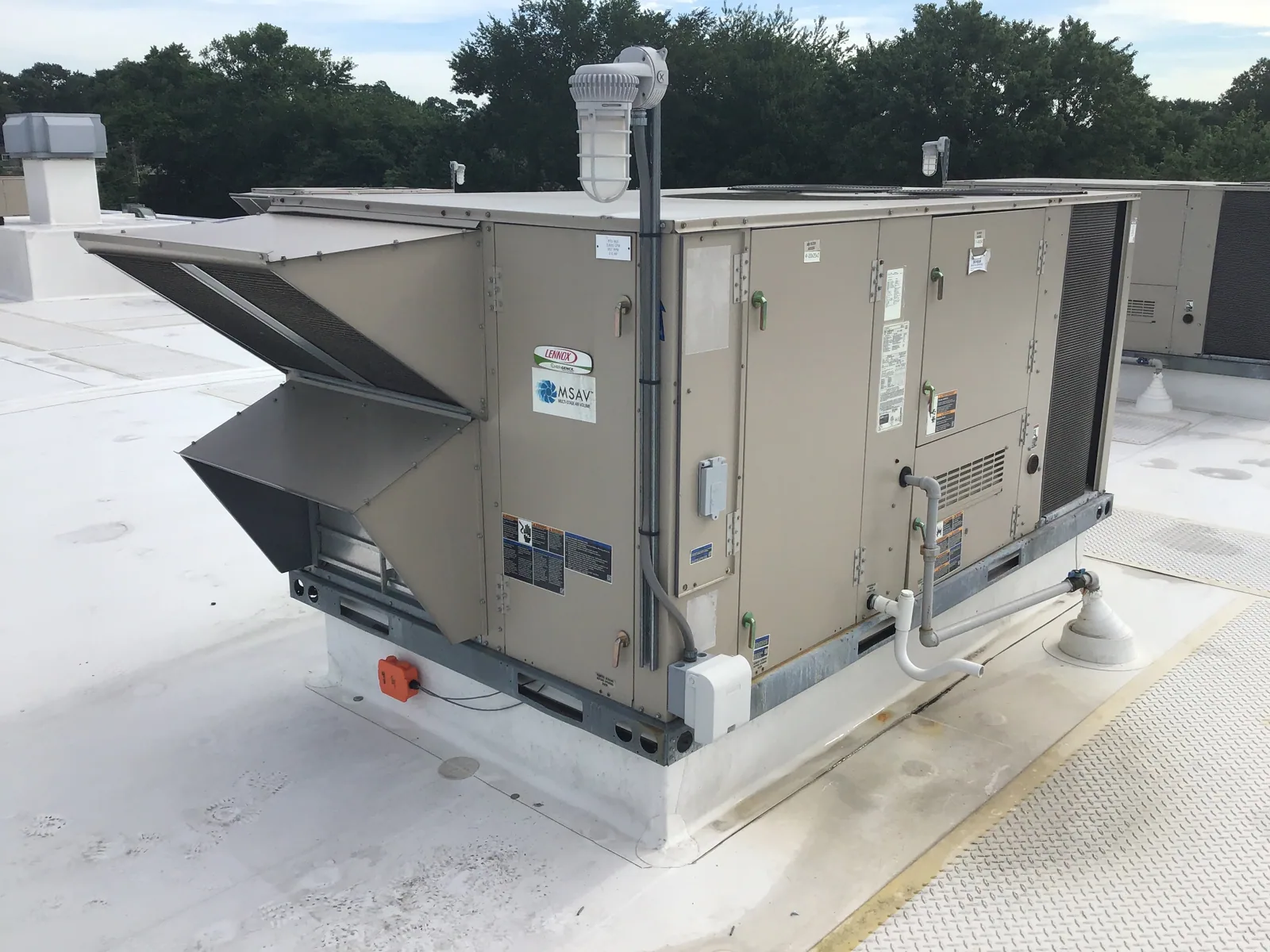
The roof often meets a curb or wall before it reaches solid backing. Our curb and equipment support work checks the flashing and backing at each unit. HVAC contractors handle service, clearances and prep for their equipment. If supports or attachments need to change, an engineer reviews it. A wall repair may fall to another contractor. We identify who provides the sound surface our flashing needs, and that work stays in the overall project. New flashing cannot seal against a wall or curb that is falling apart.
The existing roof decides how the repair is done. TPO and PVC need clean, weldable material. Other roof types need the right primers, adhesives and fasteners. We separate membrane that only needs cleaning from material too worn to repair. Changes to curb height or drainage may need an engineer's review, and those requirements are listed next to any larger repair option. The price should describe a repair that can actually be finished on this hotel roof.
Test the insulation before keeping the old roof
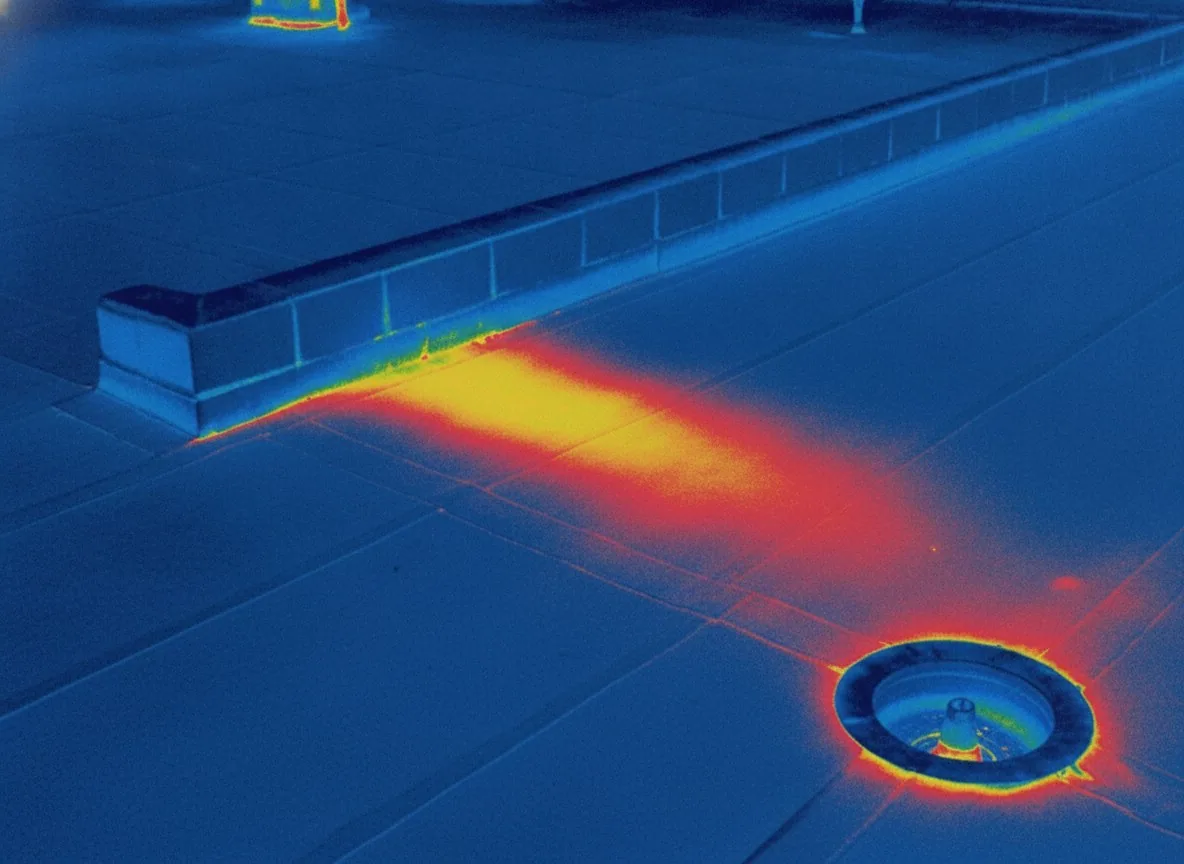
A roof that looks undamaged can hide wet insulation. Our infrared moisture survey compares thermal scans with the roof records, and we take the weather during the scan into account. A temperature difference points to an area to check. It cannot prove the whole roof is dry. We confirm with core cuts wherever keeping the existing layers affects the repair method. Patching those cuts is part of the survey, and protection for rooms under them is reviewed with the hotel manager.
The test results should explain the repair choice. A small wet area may support a local repair. Widespread moisture may need more testing before deciding on a method. We state which layers can stay and what work is required. Adding new roofing will not fix wet insulation underneath. The owner can then compare a local repair with a broader tear-off, and each price has a reason tied to this building.
Keep permanent repairs apart from temporary protection
The closeout shows where permanent membrane and flashing repairs were completed. It includes patched test cuts and anything found during tear-off. Temporary seals are marked separately from finished work. Any equipment or wall work still needed is listed. A finished roof does not mean every room or system is back to normal. The hotel manager gets an accurate list of what remains, which supports the next decision and lets the next estimate cover only unfinished work.
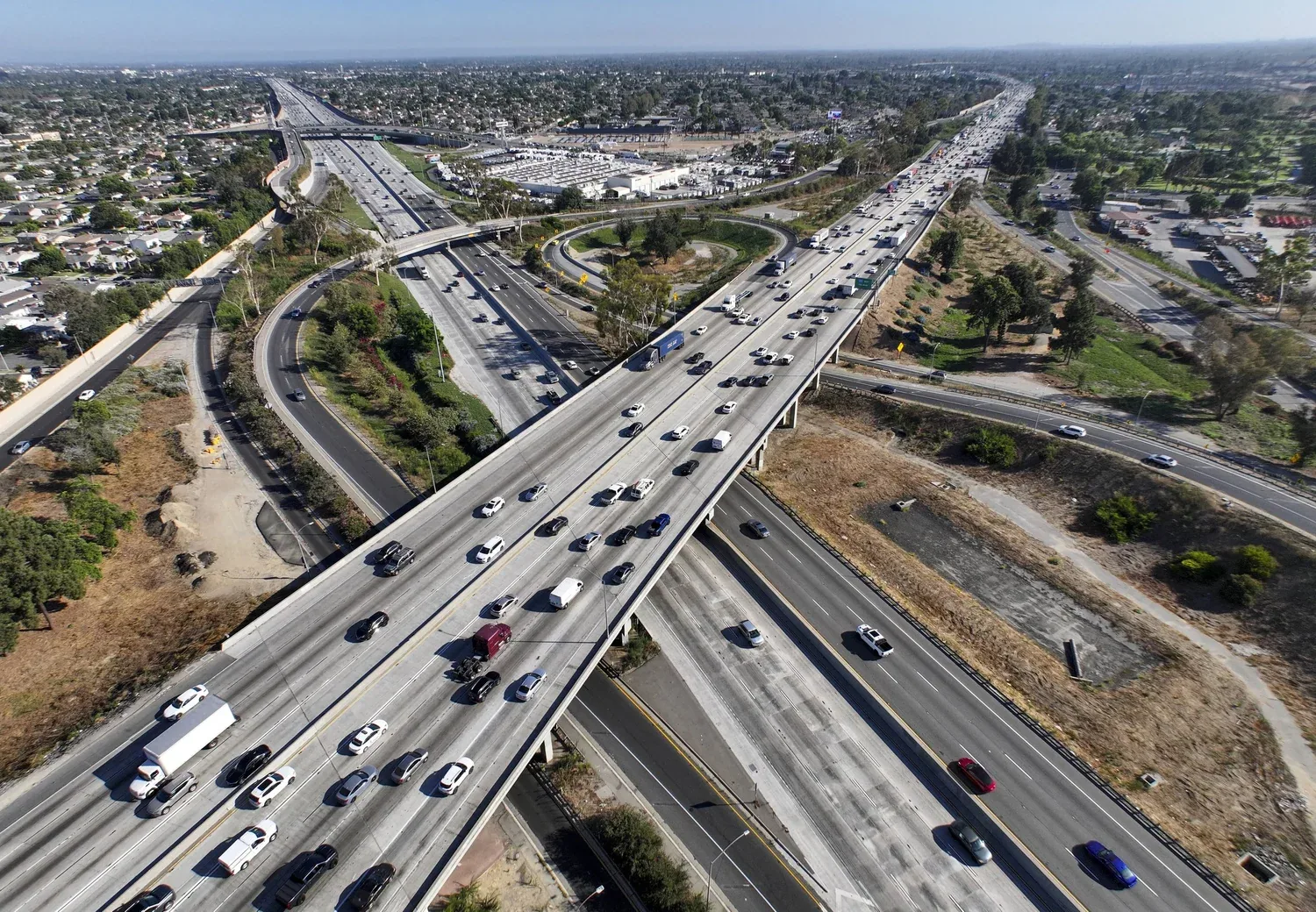
Hotel roofing work must protect rooms and shared spaces while the crew opens and closes the roof. We locate the reported leak, inspect the membrane and nearby equipment details, then agree on roof access and interior protection with the authorized contact. A project near the I-5/I-605 interchange is scheduled around the assigned property, not a nearby landmark. Apartment roofs and office buildings involve different occupancies; we describe the repair boundary and closure sequence for the hotel itself.
Commercial Roofing Questions
Does a roof inspection mean the rooms below are ready for work?
No. The inspection identifies the roof problem and the opening we are considering. The hotel manager arranges room access and reviews affected guests, events or services. The resulting protection is included in the repair price, and we confirm those arrangements separately before opening the roof over occupied rooms.
What gets priced if the damage reaches another room?
We describe the extra tear-off and which room is now affected. The manager reviews that room and any services before the opening grows. Changes in handling, access and protection are priced with the added roofing. Arrangements for the first room do not automatically cover the next.
What testing supports keeping the existing hotel roof layers?
We test wherever keeping the old layers affects the repair method, using scans, roof records and core cuts, and taking the weather into account. Test cuts are patched and the rooms below are protected. The results tell you whether to keep the layers, remove them or test further before approving the work.
What should the completion record show once the roof is done?
It should show where permanent membrane and flashing repairs were made, where test cuts were patched and anything important found during tear-off. Temporary seals and open equipment or wall items are listed separately. The next estimate then covers only what is still needed.
Plan your hotel roof repair around the rooms below
Send us the property address, which rooms are reporting leaks and any roof records you have. Working with your hotel manager, we will inspect the roof and price the permanent repair with the protection needed for guest rooms and shared spaces.