College and University Roofing in Downey, CA
College and university roofing near Downey, CA: building-by-building roof inspections, leak tracing, moisture testing and openings planned around classes and labs.
A campus roof budget should name the building and the part of the roof being repaired. One roof area cannot speak for every building an institution owns. For a request from the Downey, CA area, we start with the specific building. We inspect the roof and tie our recommendation to what we find there. The campus facilities contact arranges access and reviews the rooms affected below. We price the roofing together with the protection those rooms need. A proposal written against a general campus name misses that detail, and the owner needs a scope that can actually be carried out on that building.
A campus roof project can cover classrooms, labs, offices and residence buildings with different assemblies. Identify the building and roof section before combining leak reports. Check roof plans, repair records and accessible material. Inspect seams, drains, curbs, skylights and roof-to-wall transitions near each reported room. A stain in a lab or classroom may need interior protection before an opening is made. The facilities contact should identify rooms, equipment and access periods that affect the work. Price each roof area with its own removal, flashing and closure. Similar-looking roofs on campus do not prove that their layers or repair details match.
Inspect the roof on the building being priced
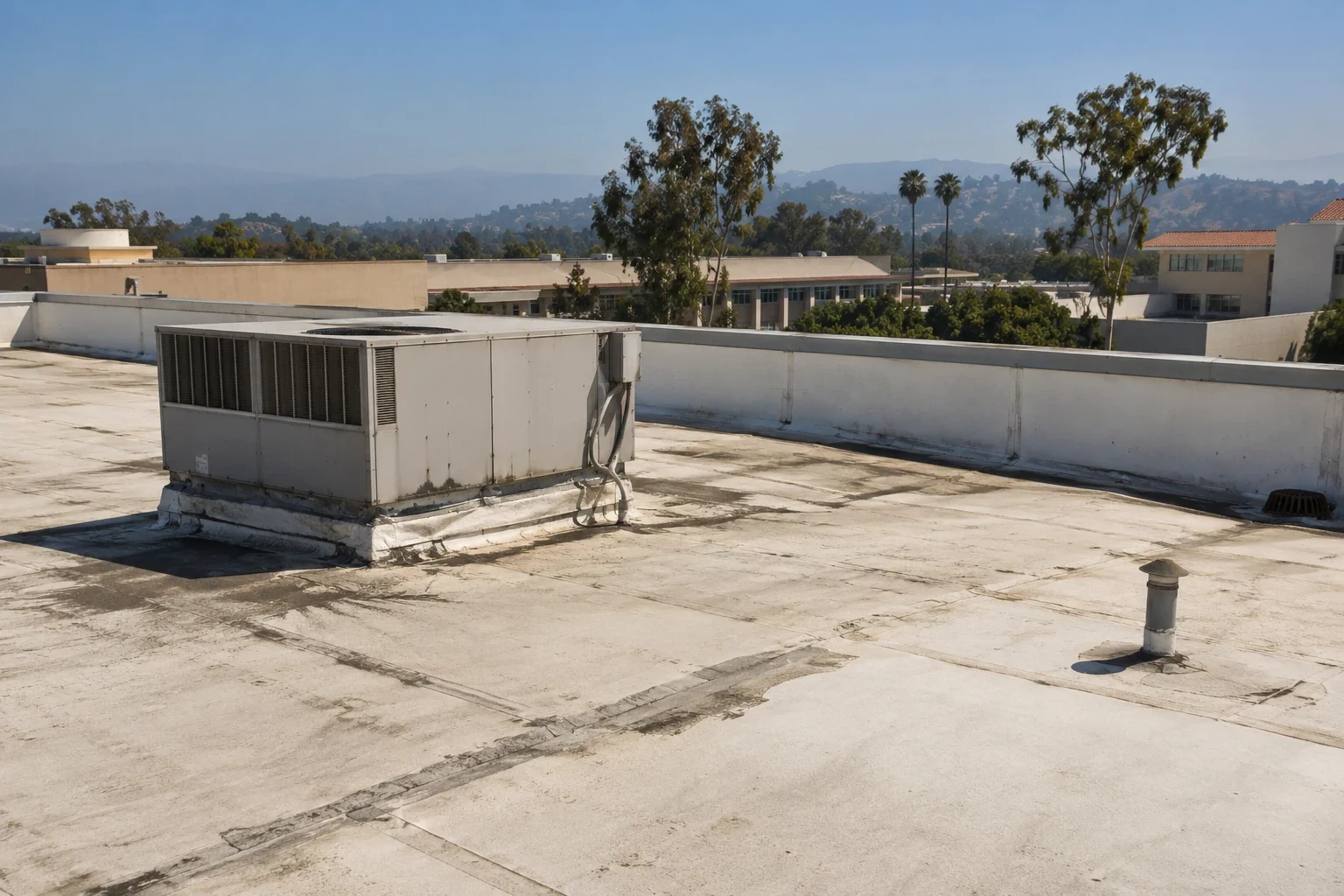
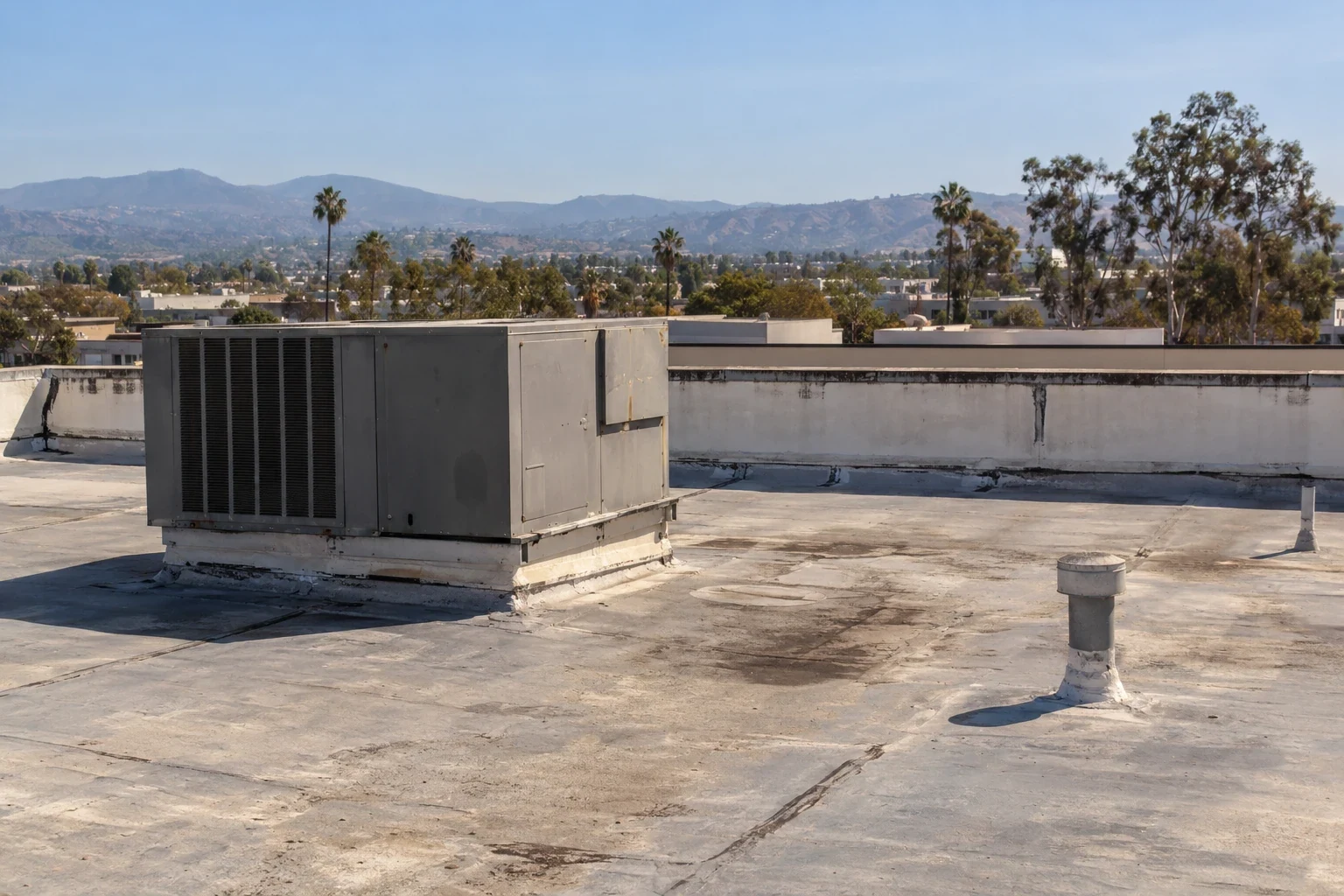
A repair that worked on one campus building does not prove the same fix suits another. The membrane and what is under it can be very different from one building to the next. Our commercial roof inspection checks the roof tied to the complaint. We look at the membrane, flashing details and any roof records before choosing a method. We explain what the visible findings support on that building. Where we cannot tell what is under the surface, we say so and suggest testing. A recently repaired roof next door is useful background, but it is not proof of what this roof needs.
We separate the options by the work each one involves. A spot repair may keep sound roofing around it. A larger repair may remove wet layers or fix more flashing. We explain those differences before you compare prices. A bigger number should come with a clear reason. A smaller one still has to reach sound material at its edges. Comparing roofs by square footage alone will not tell you whether either option actually fixes the problem.
Get the rooms below ready before opening the roof
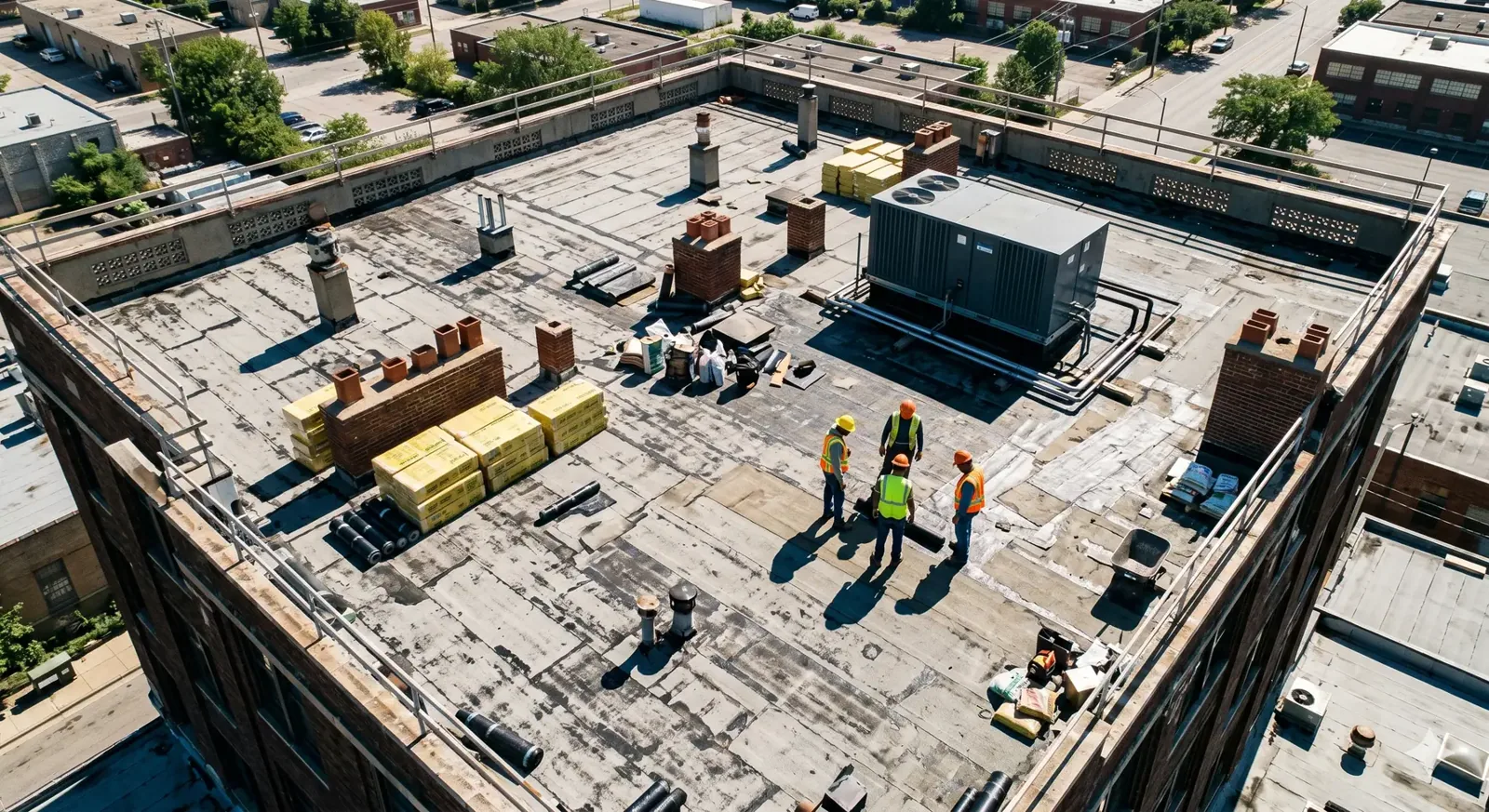
Tearing off roof over classrooms, labs or offices needs a plan for that specific area. Our occupied-building reroofing work spells out how materials will be handled and how crews will get to the roof. We show where deliveries arrive and how debris leaves. The campus contact works with the departments affected below to set access and schedules. We price the protection that comes out of that planning with the tear-off and roofing. A date on a calendar does not mean the area is ready, so we confirm the plan before opening anything.
Unexpected damage can push the work over another room. We explain the larger opening before making it, and the newly affected room or lab gets its own review. Permission is obtained, and updated protection is included in the change price. Pricing only the extra roofing would leave those steps out. A temporary seal can protect a section waiting for its permanent repair, and it is listed separately from finished work.
Trace the leak to the actual roof defect
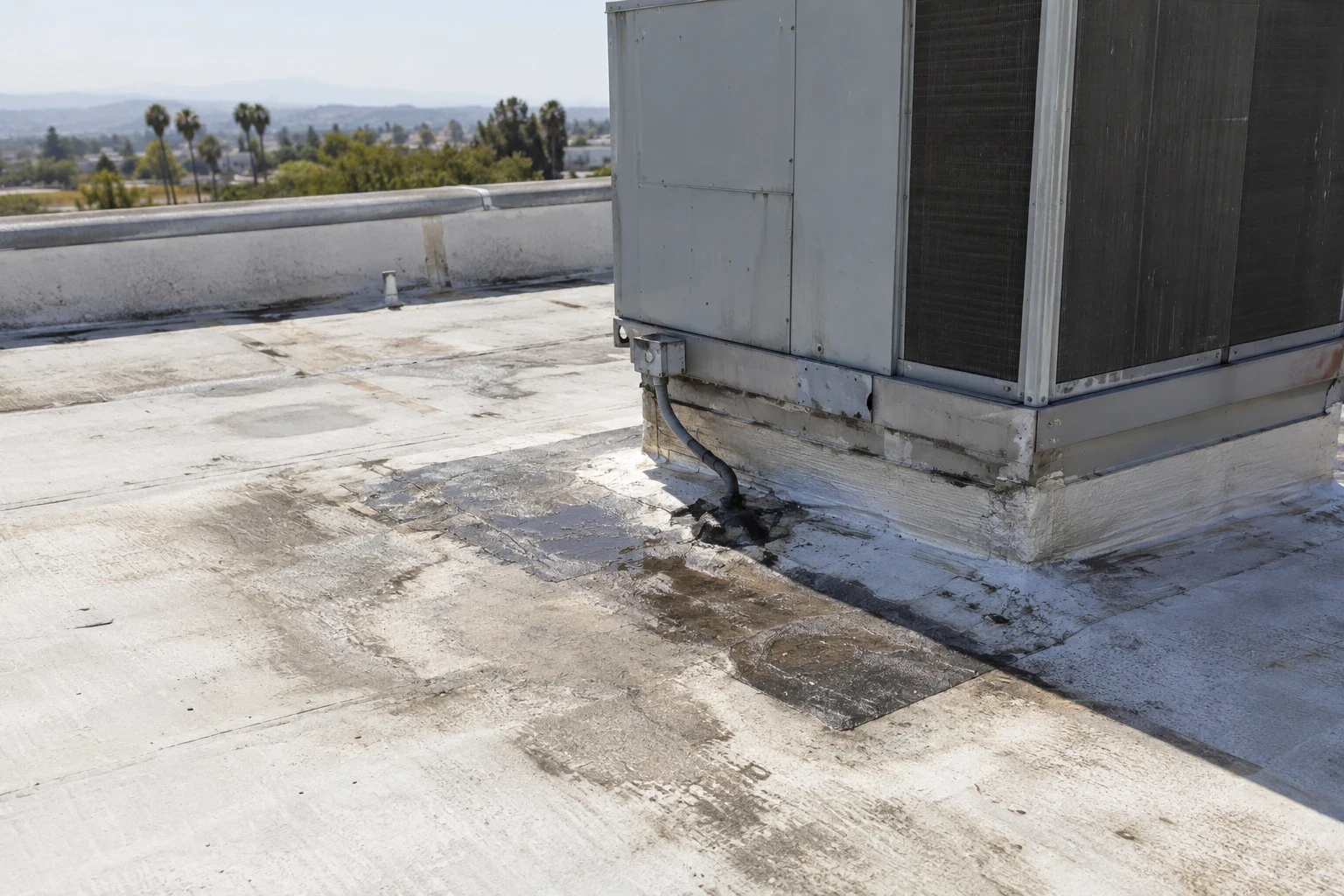
Where water appears in a classroom is not always where it enters the roof. Our roof leak repair checks the seams and flashing near the reported spot and compares what we find with where and when the water showed up. If the cause is a pipe or HVAC unit, that goes to the campus staff who maintain it. A stain we cannot explain should not become a promise of a roof fix. We identify the defect behind the proposed repair. If the cause is still unclear, more investigation may be the right next step, and the owner should know that before approving a method.
Before comparing proposals, ask each contractor to separate repairs by building and roof section. A dormitory with resident rooms needs different interior protection from a library or laboratory. Keep the assembly, leak report and schedule with each location. For college projects in Norwalk or Cerritos, use current building plans rather than city boundaries to group work. The roof inspection should decide each repair area.
Once we find the opening, we check the membrane and backing around it. Sound membrane may only need cleaning for the repair method. Damaged backing or brittle membrane can mean a larger repair area. We set the repair edges where the roof is sound. TPO and PVC need clean, weldable material. Other roof types use the right primers and fasteners. The repair description explains how much work is being priced at that spot.
Test the insulation before keeping the old layers
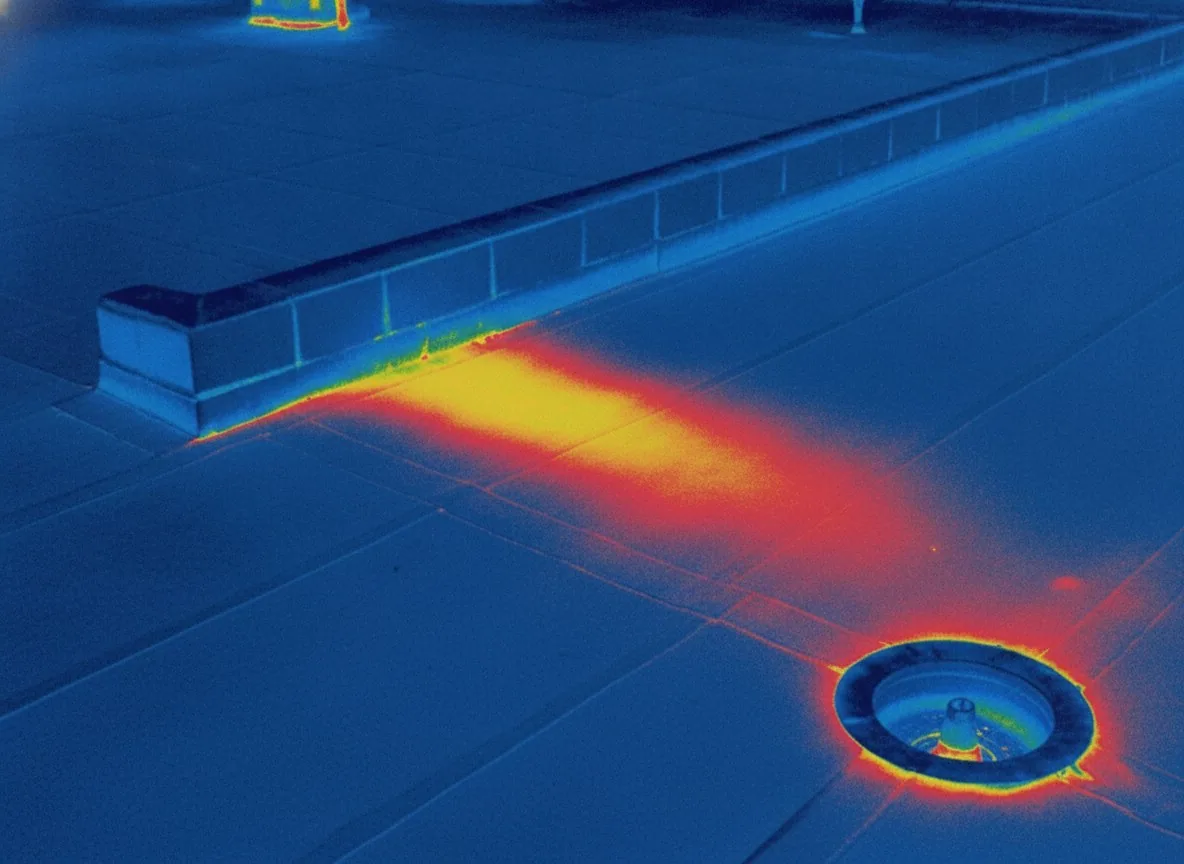
Keeping the existing roof layers should be a decision backed by testing. Our infrared moisture survey compares thermal scans with the roof records, and we take the weather during the scan into account. A temperature difference can point to wet insulation that needs checking. It cannot prove every layer is dry. We confirm with core cuts wherever keeping the old layers affects the repair. Test cuts are patched as part of the survey, and protection for each room below is reviewed with the campus contact.
We explain what the results mean for the work. A small wet area may just need that section replaced. Widespread moisture may need more testing before choosing a method. Another layer of roofing will not fix wet insulation. We say what is still unknown and how it affects each option. The owner can then compare keeping or removing the old roof for practical reasons, with the budget based on this building's roof rather than assumptions from another.
List finished repairs and work still pending
Campus closeout records show where each permanent repair was made. They include patched test cuts and backing problems found during tear-off. Temporary seals are marked separately from finished roofing. A wall or rooftop unit may still need work from another contractor, and HVAC staff handle their own equipment. Those open items are listed next to the completed roofing. A finished roof field does not close out every related task. A clear record makes the next building's roofing decision easier to explain.
Before a campus roof project in Norwalk, mark the building and inspected area on the roof plan. Compare school roof repairs with classroom protection and government building roof work only when each scope matches its own construction. Identify the test locations, layers retained and access limits for this building. A campus-wide estimate should separate each roof and include shared setup costs clearly. The owner can then approve work building by building without assuming that one inspection settles every classroom, office or residence wing.
Commercial Roofing Questions
Can an inspection on one campus building justify a repair on another?
No. Each building needs its own inspection of the roof layers, flashing and any hidden damage. We keep separate findings and access plans for each building. Shared ownership or a recently repaired roof nearby does not prove the other roof is built the same way or in the same condition.
What should a campus roof opening budget include?
It should show how much roof will be open, how materials and debris will move and which rooms are underneath. The campus contact arranges access and works with the departments affected. Protection for those rooms is priced with the tear-off and permanent repair. A calendar date or a square-foot price alone does not mean the area is ready.
What testing supports keeping the existing roof layers?
We test wherever keeping the old layers affects the repair, using infrared scans, roof records and core cuts, and we take the weather during the scan into account. Test cuts are patched and rooms below are protected. The results show whether to keep the layers, remove them or test further before you compare options.
What should the closeout show when other work is still pending?
It should show the roof repairs and patched test cuts we completed, plus anything important found during tear-off. Temporary seals and outstanding wall or equipment work are listed separately. The next estimate then covers only what is still needed on that building, and finishing the roof is not treated as signing off another contractor's work.
Get a roof scope for your campus building
Send us the building name, address and any roof records you have. Working with your campus facilities contact, we will inspect the roof and price the repair along with the protection needed for the rooms below.