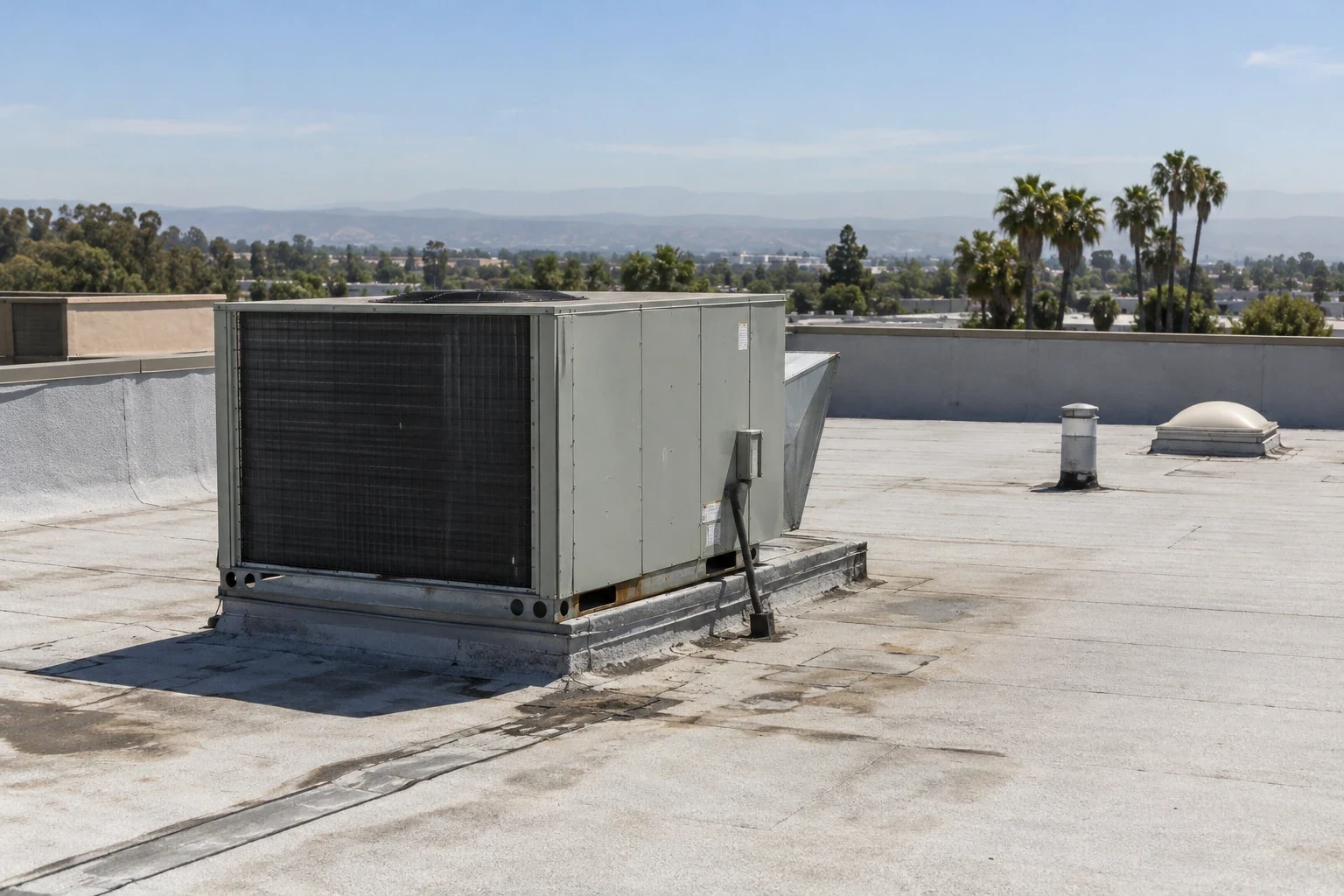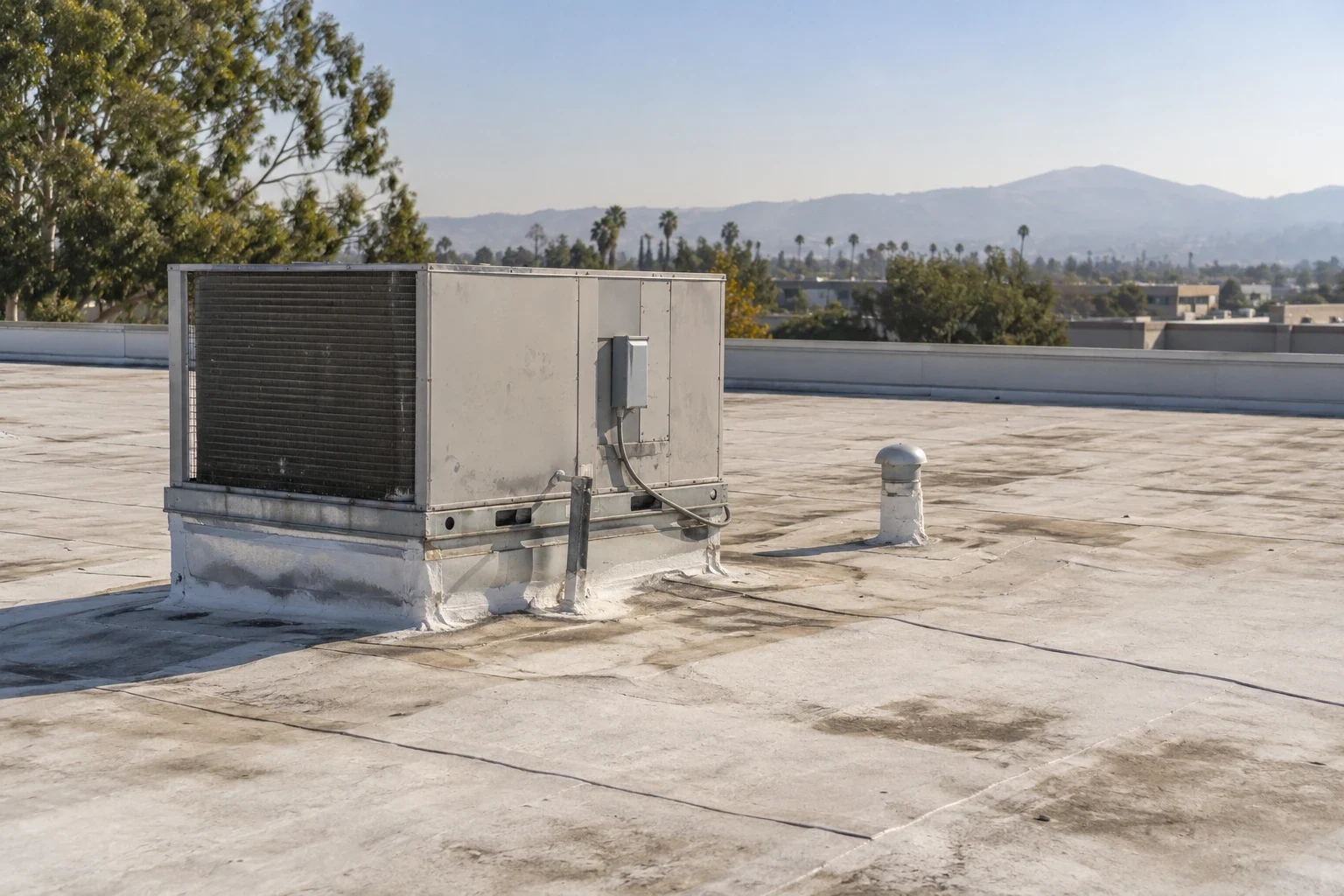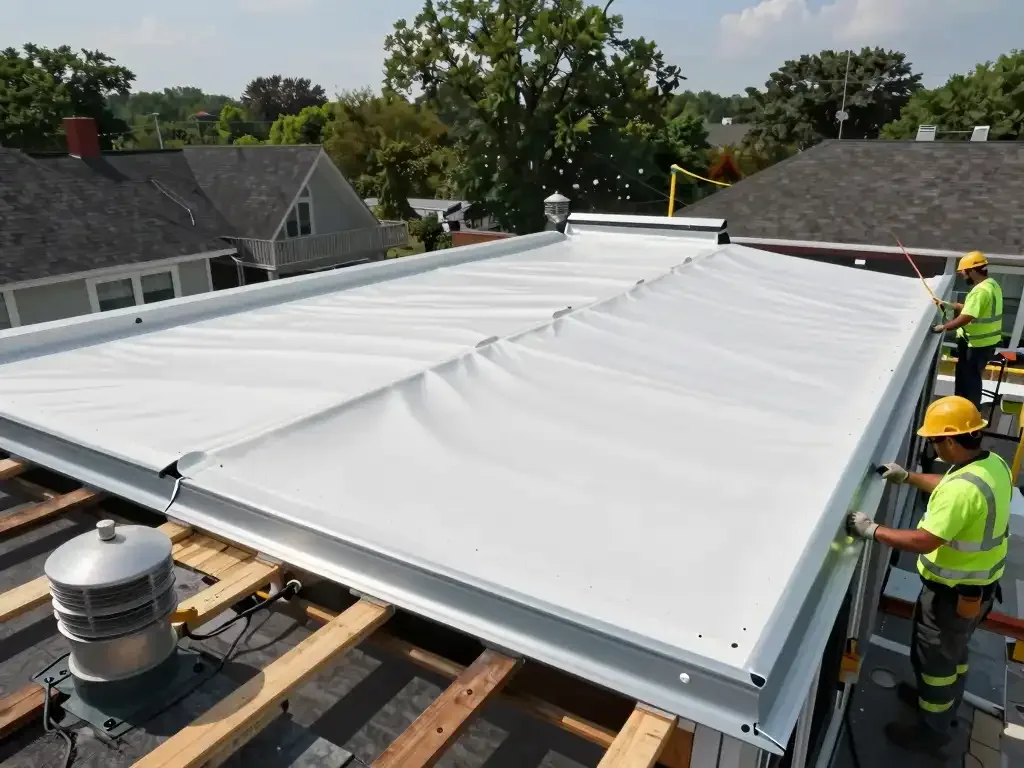
Commercial Roofing for Investors in Downey, CA
Commercial roofing for real estate investors and REITs in Downey, CA: roof budgets backed by real findings, comparable repair and replacement options, and clean records for each asset.
An investor needs to know what a roof allowance actually pays for. On a Downey acquisition or hold decision, the first question is whether the money fixes the roof or just pays to find out more. We inspect the roof, compare complete repair and replacement options, and give the owner specific findings and the questions still open. A "fair condition" label cannot tell you what a permanent repair will cost. Each approval should be tied to the work the roof actually needs.
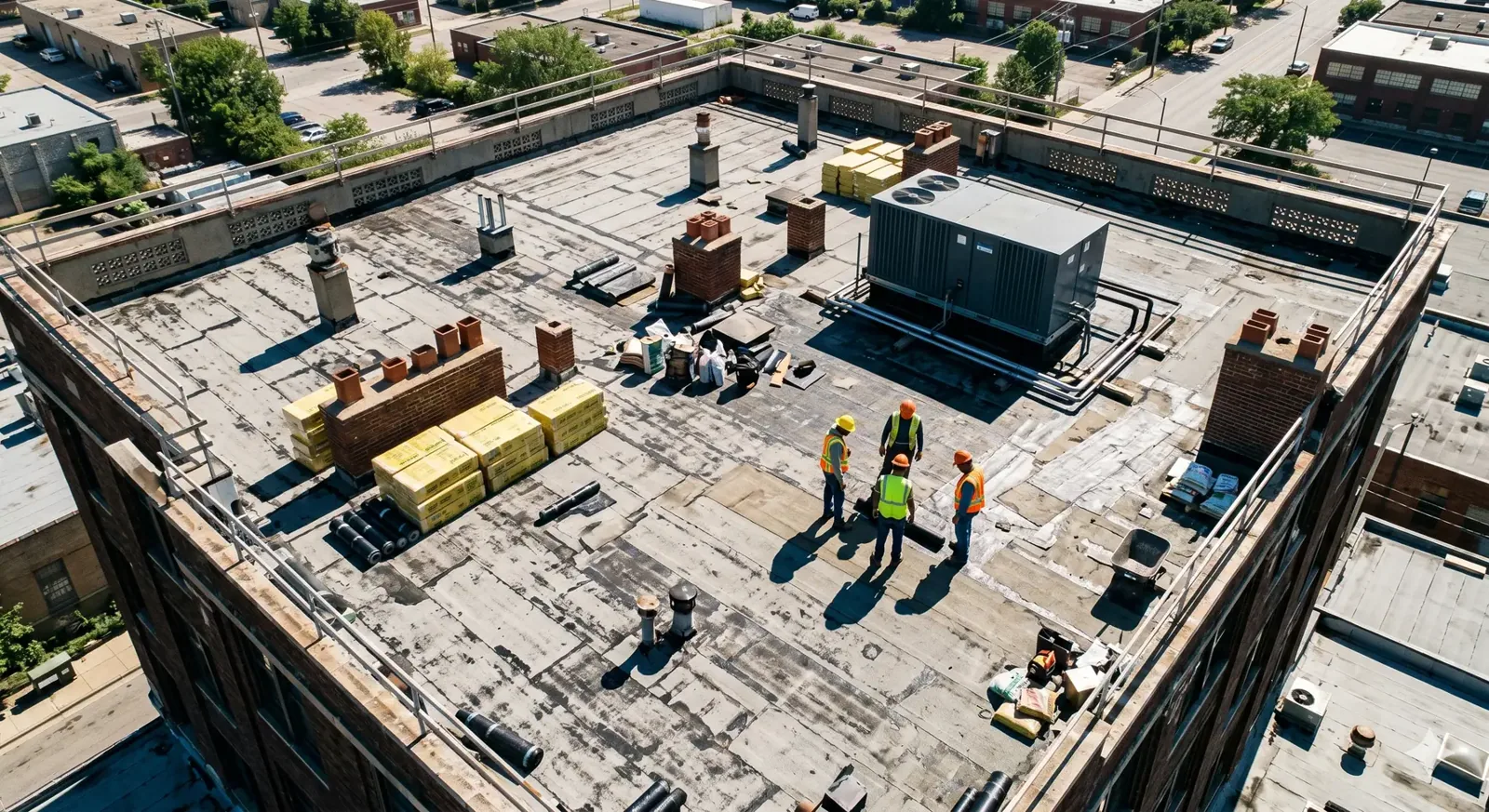
Portfolio decisions start with a roof record tied to each asset. Keep inspection dates, repair locations, material and remaining questions separate by building. A property manager can compare repair needs across Downey, Lakewood and Santa Fe Springs without assuming those roofs share a system or condition. For an office-building roof review, identify access, tenant exposure and the details that need permanent work. Use confirmed findings to set the next budget line.
Find the problem behind the number
We start with the issue affecting the owner's decision, often a leak history, a failed inspection or a roof near the end of its life. A ceiling stain points us in a direction but does not prove where water is entering. We inspect the roof and the details around it. If a wall or rooftop unit may be the source, we note it as a separate item. Hidden layers we have not tested stay listed as unknown, and the report says what it would take to find out.
A due-diligence roof survey states which areas we inspected and which we could not reach. An unreached section is not assumed to match the rest. Where keeping the existing roof depends on what is underneath, a test cut can answer the question, and we patch it the same day. The owner can judge the testing cost by the decision it helps make. A survey title alone does not justify a repair quantity.
Compare what each option delivers
A lower first price can leave more work for later. We list tear-off limits and which layers stay for each option, along with the prep work and how the repair finishes at walls, drains and edges. If an HVAC or plumbing contractor needs to do work before the roof can be finished, we note it next to the roofing it supports. That way the investor sees the finished result behind each price, not just the field material.
A commercial roof replacement option should explain why replacement is needed. Keeping the existing roof requires it to be sound and compatible. Drain and wall details can add cost in either case, and two roofs with the same membrane do not necessarily have the same details. Both options need properly finished flashing. Anything waiting on an answer stays marked as conditional until it comes back.
Get the answer that could change the decision
Testing makes sense when the result could change the plan, for example whether wet insulation means replacement instead of repair. We choose the test, record where we tested and list untested areas as unknown. One wet core does not mean the whole roof is wet. Test cuts are protected and patched as part of the cost. The owner should know whether a step gathers information or fixes something.
A commercial roof inspection shows what was covered. Equipment or design questions may need an engineer or another trade, and we note which detail they affect. If more damage turns up once work starts, we document it and submit the change through the agreed approval process, keeping the area protected while a decision is made. An earlier allowance does not cover new findings.
Plan the work around the deal timeline
A closing date or budget deadline does not give us access to the roof. We confirm the building contact and what we are allowed to inspect first. Tear-off and equipment moves need separate approval. If another trade has to go first, that is noted next to the roofing it affects, and a promised answer is not the same as one received. The investor sees what is holding up the work before a schedule is set.
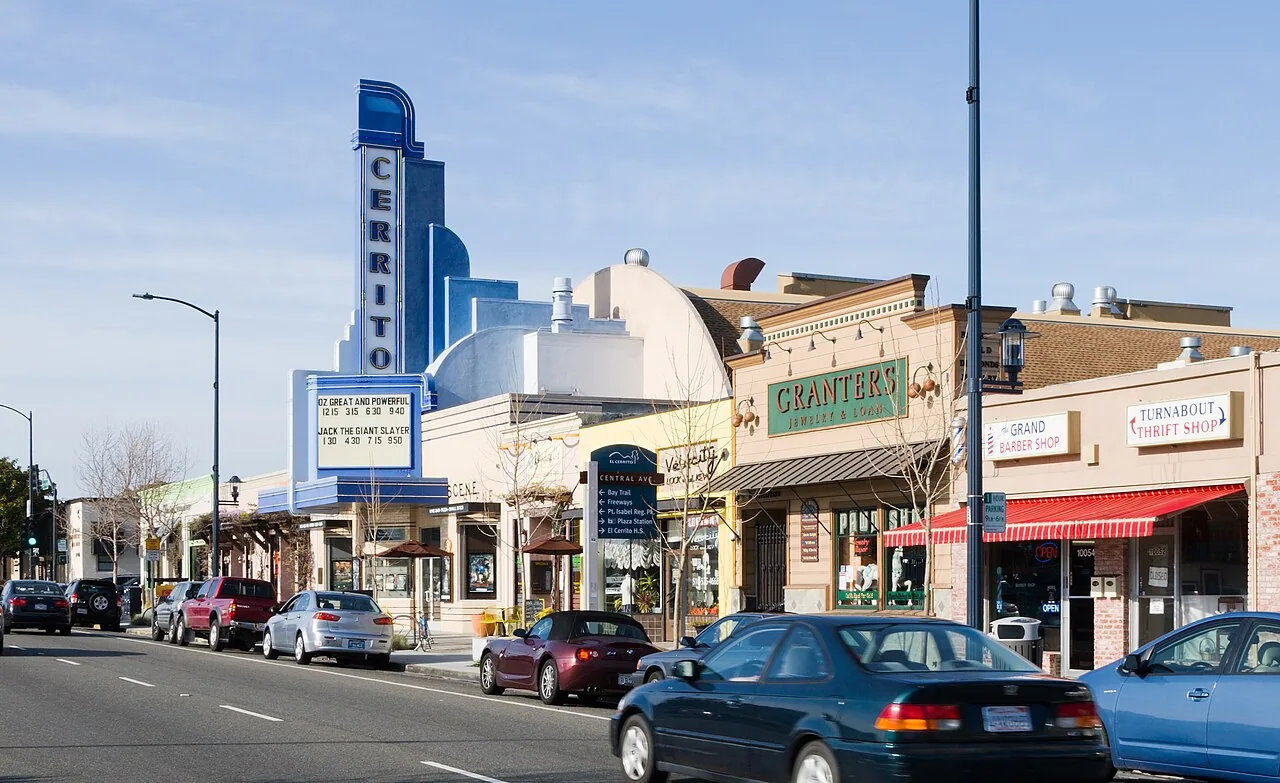
For a property in Cerritos, we confirm the building's access, staging and delivery arrangements with its contact. Several short phases add setup and protection costs. One continuous phase can cost less if everything is ready. We price both with the same full scope, so a shorter schedule does not quietly leave part of the roof undefined.
Keep the roof record clear when the asset changes hands
A good roof record names the building and the areas inspected, with dated findings. When a repair is finished, it notes what was done. Any work still owed by other trades is listed with who is responsible. A transferred file should show what was inspected and when, not suggest the roof was just checked. Temporary repairs are labeled as temporary.
A property management company taking over needs a clear list of open items. A general contractor coordinating work needs to know what other trades owe. If equipment changes or new leaks appear, the roof should be inspected again and the findings added with their dates. A similar problem elsewhere does not prove the same cause, and the next budget is based on current findings.
Before passing the file on, review what is still conditional. Each open question should say what answer or work is needed. The next person should be able to find the records without a site visit. Requests sent and answers received are kept separate. A clear record makes the next roof decision easier and keeps the earlier allowance honest.
Commercial Roofing Questions
What makes the roof allowance useful before an owner commits?
It is tied to specific findings and a complete repair or replacement option. It shows what stays, what prep work is needed and which questions still need testing. The owner should know whether the first step is information-gathering or a permanent fix.
Can the lower initial roof amount be compared without its remaining tasks?
No. Each option should include all the work needed to finish, including other trades and flashing details. A low price that leaves out a needed step is not a saving, just a cost that shows up later.
Which investigation should occur before the decision date where practical?
Testing that could change whether the existing roof can stay, such as checking for wet insulation. Agree on what it should answer, include patching of test cuts, and do it before the deadline when possible so the decision is based on real results.
What should carry forward when a manager receives the investment property?
Dated roof findings, completed repairs and any open items, with the limits of each inspection. The new manager should be able to see what is done and what is next without assuming the roof was recently checked everywhere.
Get a roof budget you can invest on
Tell us about the Downey property and the roof decision you are facing. We will inspect the roof and explain the repair options, any testing worth doing and what remains open.