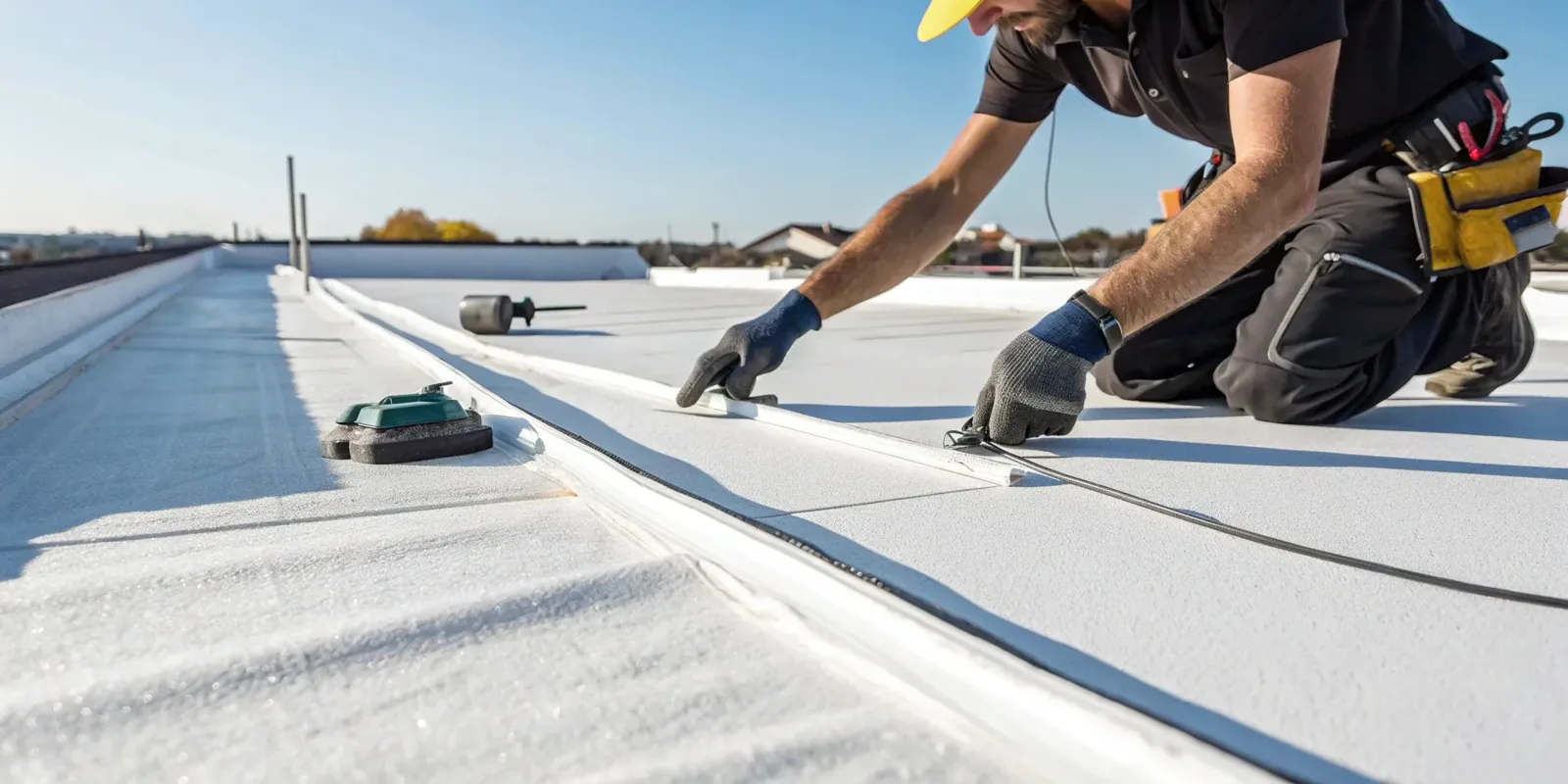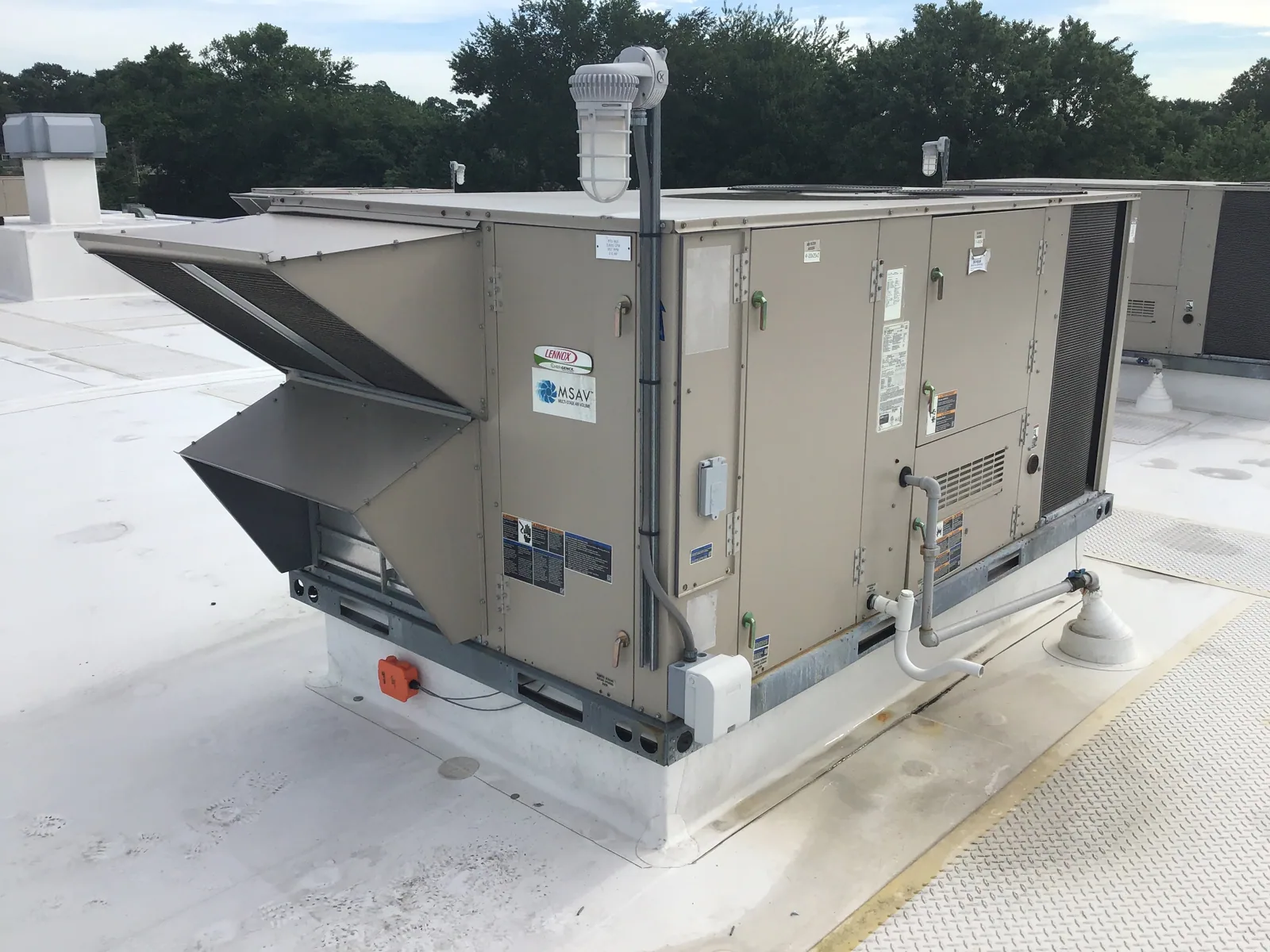
Duro-Last Roofing in Downey, CA
Downey Duro-Last roofing checks the PVC product, dimensions and retained construction before pricing compatible details, backing repairs and component work.
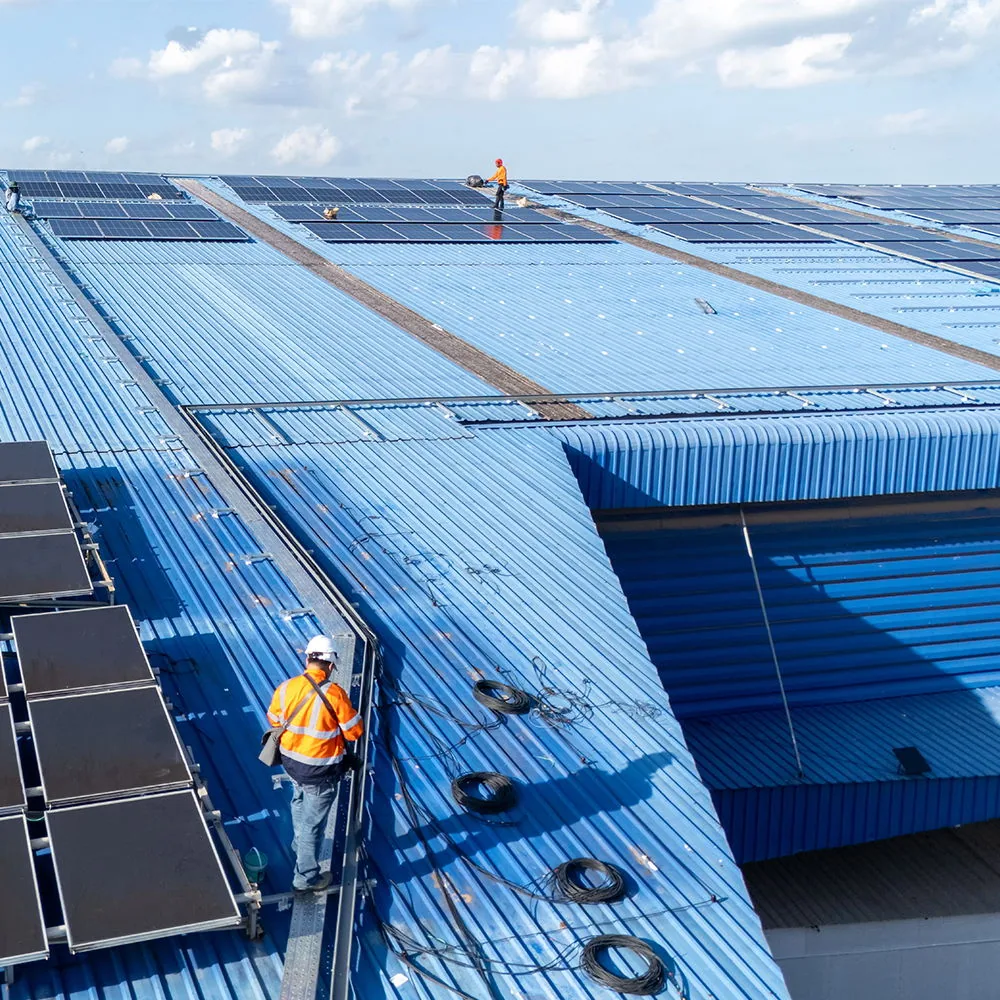
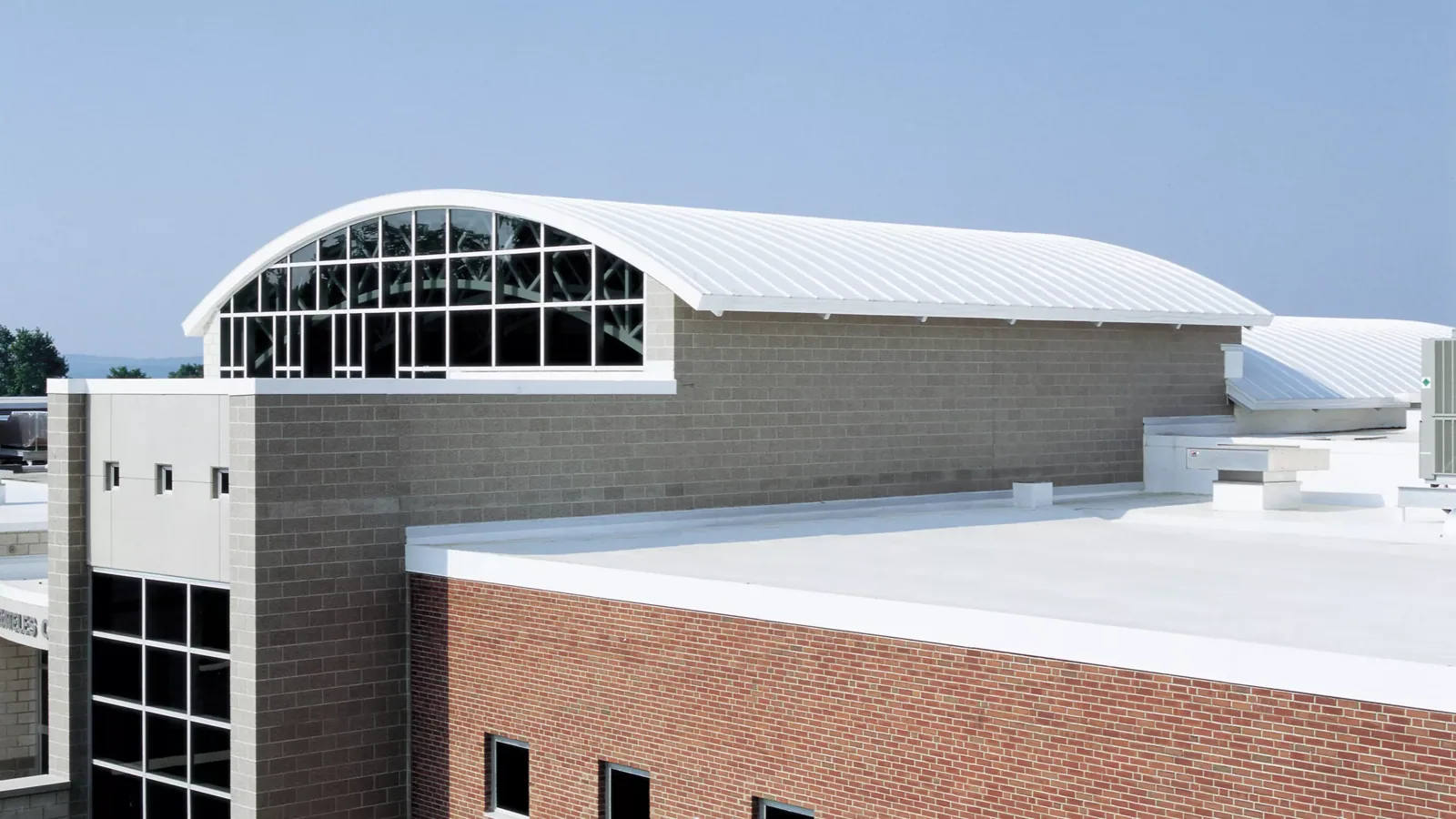
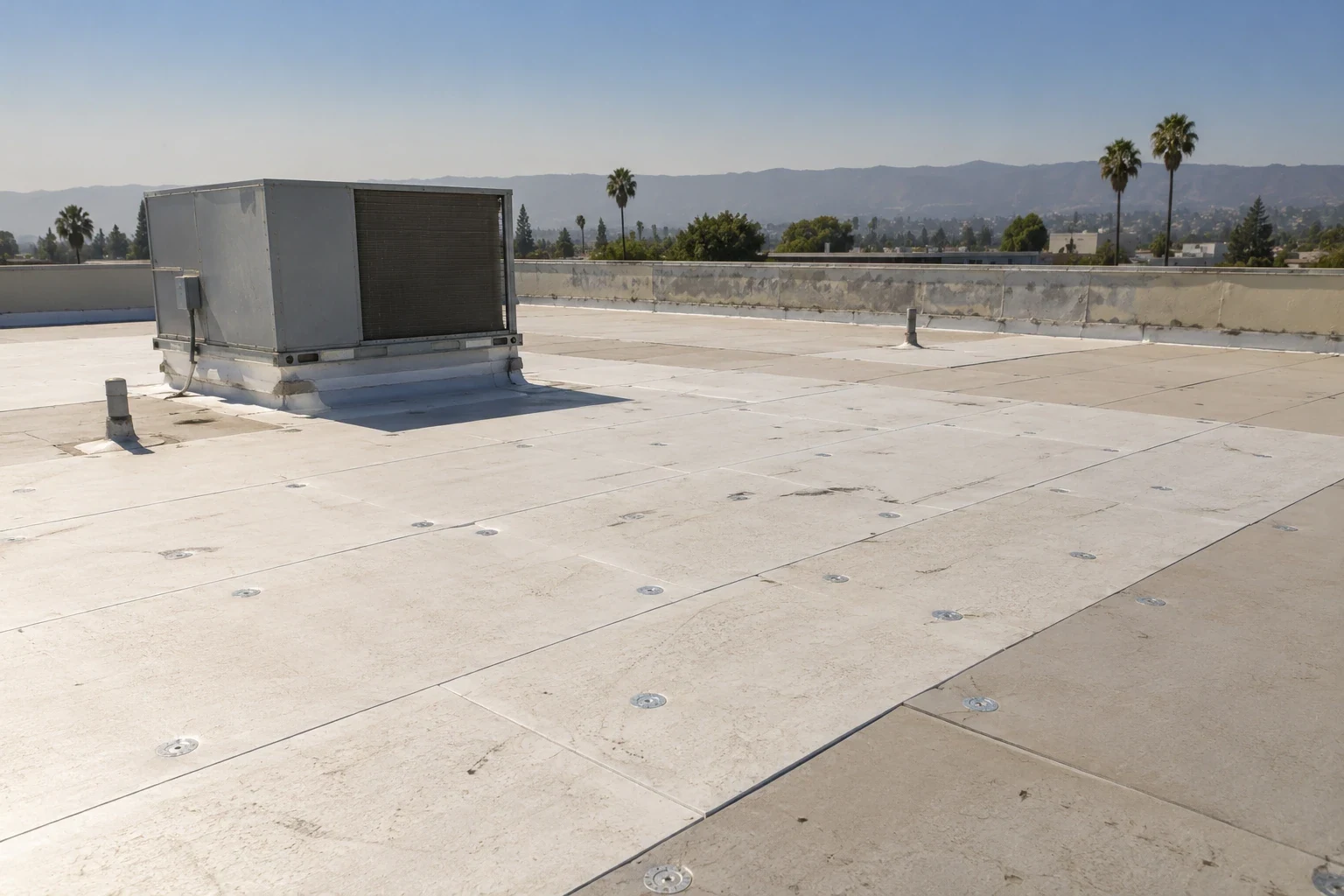
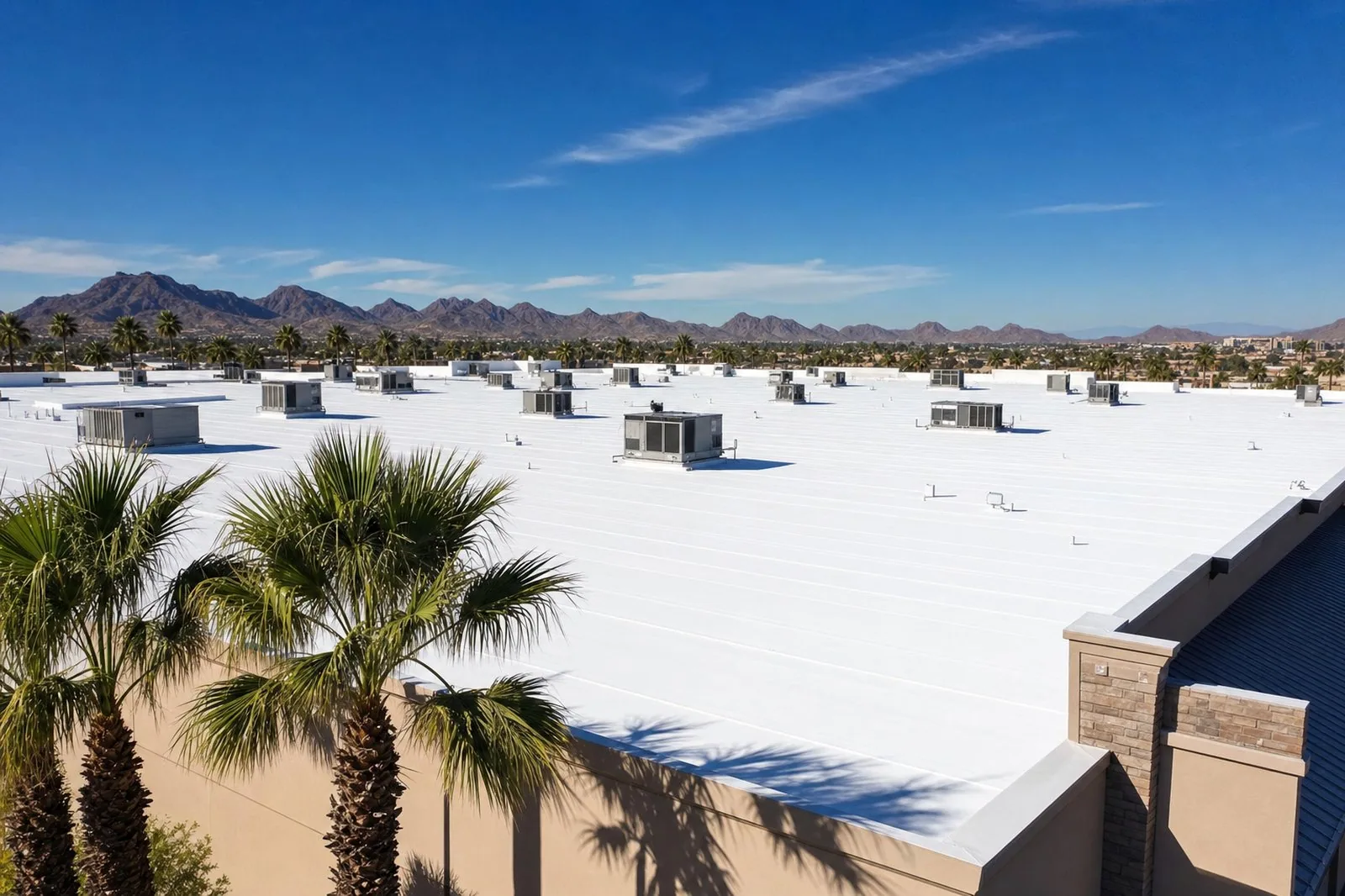
Duro-Last roofing costs start with the field detail, not the catalog. Downey’s hot dry months age exposed membrane and sealant. The short winter rain season then tests seams, drains, and curbs. Duro-Last makes PVC membranes and custom-fabricated accessories. Confirm the installed product and field dimensions before selecting a repair. Field dimensions, existing repairs, and roof conditions decide the actual work.
We inspect the membrane where the proposed repair will land. We check seams, penetrations, edges, and equipment connections nearby. A detail ordered before those measurements can miss the roof. A useful proposal separates membrane work from insulation, curb, and drainage corrections. The owner can compare a targeted repair with a larger replacement on real conditions.
Los Angeles-area rainfall averages roughly twelve to fifteen inches yearly, mostly from November through April. Dry months leave time to review details before the first storm. Santa Ana winds can also stress roof edges and exposed flashing. We look at those transitions while planning product and accessory work.
Identify the membrane and repair boundary
Start by confirming the sheet at each proposed repair. Record its color, surface, seam layout, and nearby patches. Do not price an edge detail from a product label alone. Earlier repairs can change the surface and preparation needed. Mark the repair limits on a roof plan or photographs.
Review the selected PVC roof assembly details for product-specific field conditions against the installed membrane. Keep the named product separate from the condition found. The inspection should record cracked seams, loose patches, exposed reinforcement, and any open termination.
Where another PVC material meets the repair, inspect both sides of the joint. A Sika Sarnafil membrane needs its own product identification and transition detail. It does not make two existing membranes interchangeable. Measure the transition and describe its preparation in the scope. If the connection needs a manufacturer-specific detail, identify it before procurement. That keeps a small repair from becoming an unplanned system change.
Measure accessories before fabrication
Custom-fabricated accessories depend on field dimensions. Measure the curb, wall, pipe, or edge that the part must meet. Record the material height and the usable space around it. Check nearby fasteners, seams, and the route water follows. A measurement sheet should show the points that control fit. Photographs help the property manager compare the order with the roof.
Inspect the backing beneath the connection wherever it is exposed. Soft or wet insulation changes the work below the membrane. The roof insulation and cover-board repairs beneath the membrane scope should state what comes out and what replaces it. Keep sound material separate from confirmed damage. The proposal can then show the cost of supporting work beside the accessory.
Opening a detail may uncover more than the walk revealed. Agree on a stop point and a priced allowance before removal begins. Photograph the condition, measure the added area, and update the work order. Protect the opening while that decision is made.
Plan seams, penetrations, and adjoining systems
A sound field sheet can still leak at a poor transition. Trace the seam beyond the visible stain. Check drains, wall terminations, penetrations, and equipment curbs. Heat can dry out old sealant before the first winter storm. Look for loose edges, open laps, and prior patches beside the proposed work. The repair should follow the water path, not just the interior mark.
If a different membrane occupies the next roof area, identify it before detailing the joint. A Versico membrane in another area needs separate product identification. For TPO roofing, confirm the installed material and connection details before applying a repair method. The proposal should state which material remains and how the new work reaches it.
Keep each penetration in the takeoff. Count pipes, curbs, skylights, and wall transitions that fall inside the work area. Note which can be repaired in one visit and which need another trade.
Coordinate rooftop equipment and building access
Rooftop units can block the flashing surface. Walk each curb before setting the repair sequence. Identify panels, conduits, piping, or supports that limit access. Confirm who can move or prepare each component. The curb and equipment support work around rooftop units scope should describe roof-side flashing separately from equipment work.
Plan protection for the areas tenants use below. Keep drains open and control debris during removal. If the building remains occupied, the reroofing plans for occupied buildings and active tenants should identify work hours, access paths, and temporary protection. Give the manager a schedule for noisy or disruptive steps. A clear sequence reduces return trips and keeps the repair area manageable.
Fabricated parts should arrive before the roof is opened. Match delivery to the measured dimensions and the agreed work window. Confirm staging space, lift access, and the route to the roof. If an equipment task delays the connection, protect the exposed area and reset the schedule.
Compare repair, coating, and replacement costs
Do not choose a coating because the roof has a PVC label. First check the membrane condition, seams, drainage, and earlier repairs. Identify where water stands and where the field remains sound. A coating proposal needs its own preparation and termination details. It should not hide a failed curb or wet backing.
Price a targeted correction when the damage stays local and adjoining material remains serviceable. Compare that with broader work when seams, transitions, or backing problems repeat. Show removal, replacement, accessory fabrication, and equipment coordination as separate budget lines. The owner can then see what changes the total. Keep assumptions visible and tie each quantity to a measured area.
For work near the commercial roofing near the I-5 and I-605 interchange, the same rule applies: inspect the roof that will receive the repair. Citywide conditions help set the season, but they do not replace a roof walk. Record the installation, identify the work area, and price the next useful action. That creates a practical decision before the first winter storm.
Close out the installed roof work
Record the membrane and accessory components installed. Photograph completed seams, terminations, curbs, and penetrations. Mark the repaired areas on the roof plan. Include the product information supplied for the job and the field dimensions used. The manager should be able to locate the work without guessing from an invoice description.
List any areas left outside the repair. Separate completed work from maintenance items and from conditions needing another inspection. If added damage changed the scope, attach the approval and revised quantity. Note any equipment or access item that delayed a connection. This gives the next roof visit a usable record and keeps future proposals from repeating the same investigation.
Before the next wet season, check drains, exposed edges, and repaired transitions. After strong wind, look for lifted edge metal or displaced flashing. A short follow-up walk can catch a small opening before water reaches insulation or interior finishes. Keep the record with the roof plan. That is a better basis for the next budget than assuming a product name describes every detail.
Commercial Roofing Questions
What should be checked before ordering Duro-Last accessories?
Confirm the installed membrane, measure the connection, and inspect nearby seams and backing. Mark earlier repairs that change preparation. Order from field dimensions, then list the curb or equipment work that must happen first.
Can a Duro-Last product name confirm that a roof can be coated?
No. Check membrane condition, seams, drainage, and previous repairs first. Price surface preparation and terminations separately. A product label alone does not show whether coating suits the roof.
What if removal exposes more damage than the proposal showed?
Stop at the agreed boundary, photograph and measure the new condition, and price the added removal or rebuilding. Get approval before expanding the permanent work. Protect the opening while the owner reviews the change.
What belongs in the closeout record?
Map the repaired areas and photograph completed seams, curbs, and penetrations. Include the accessory dimensions and product information used. List work left outside the repair so the next visit starts with a clear roof plan.
Have the roof measured before parts are ordered
Share the roof plan and affected details. We will inspect the membrane, measure the connections, and price the repair and supporting work before fabrication.