Commercial Roofing for Retail Chains in Downey, CA
Commercial roofing for retail and restaurant chains in Downey, CA: store-by-store inspections, kitchen exhaust and equipment coordination, and repairs scheduled around store hours.
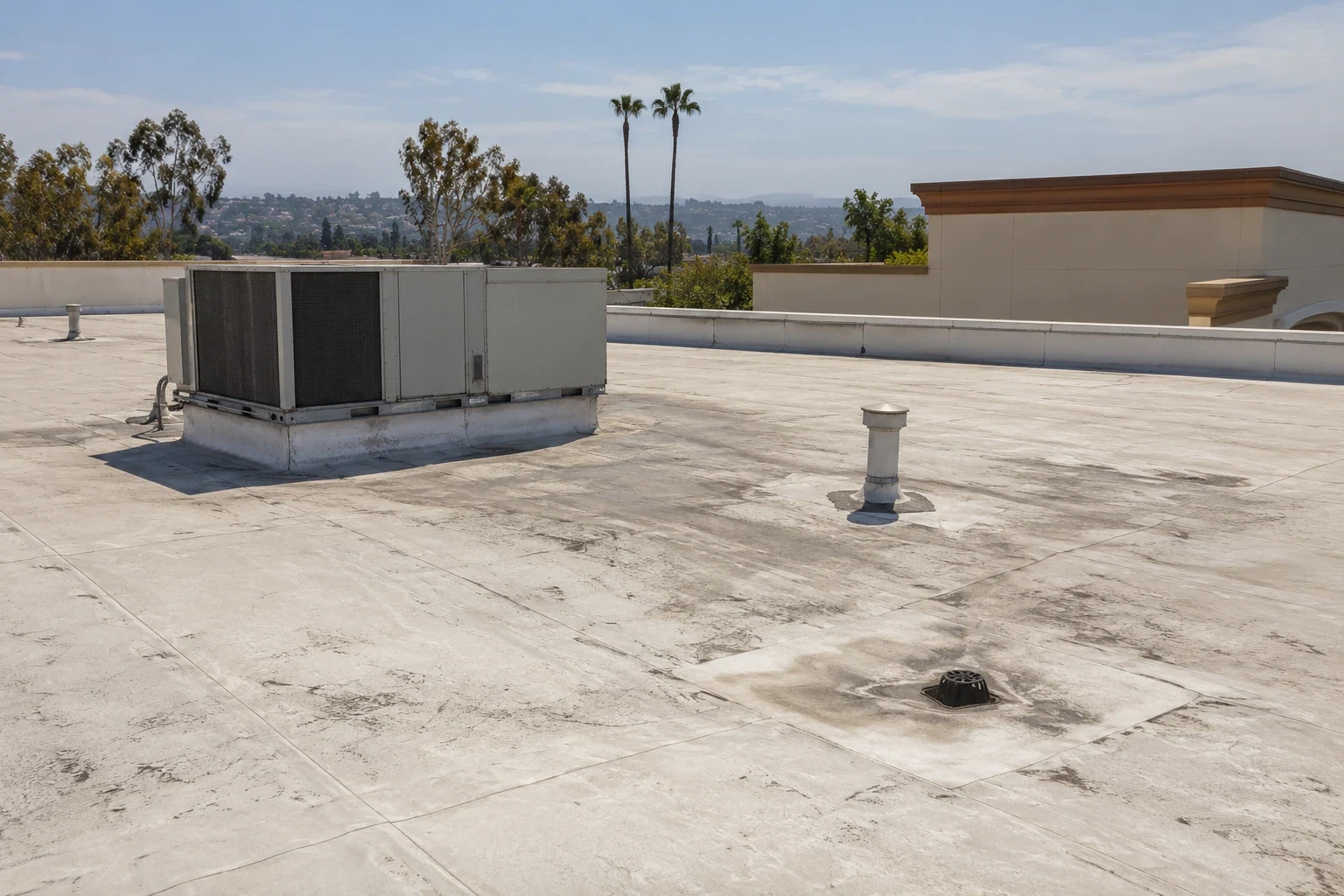
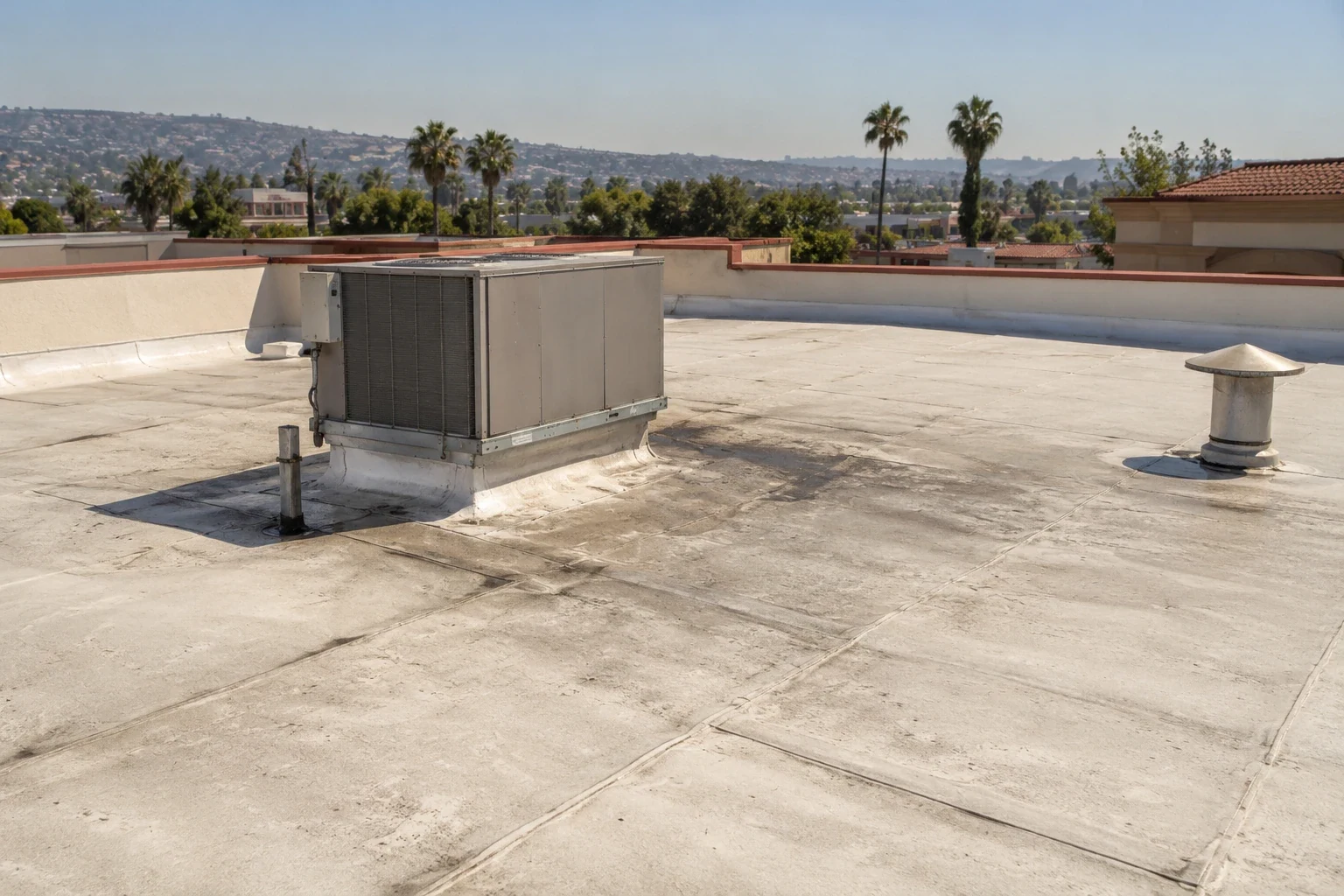
Before a store manager is told when roof work will happen, the repair needs to be fully scoped. In Downey, a small flashing leak above a sales floor can depend on an equipment contractor moving a unit first. For retail and restaurant chains in Downey, CA, we inspect each store's roof and explain complete repair options. The chain's representative gets real quantities and a list of what other trades need to do. Two stores in the same chain can have very different roofs and access rules, so each one is planned on its own.
Chain roof work needs each store's leak report and roof section identified. Inspect exhaust curbs, drains, membrane seams and perimeter metal above the affected dining or sales area. Keep kitchen or refrigeration work with its equipment operator. Store teams should confirm access, customer protection and delivery routes. For a restaurant roof inspection, price flashing and membrane closure with the equipment handoff. A neighboring retailer in Downey does not establish the roof or operating plan at another location. A store in Commerce needs its own inspection and delivery schedule.
Separate roof leaks from equipment problems
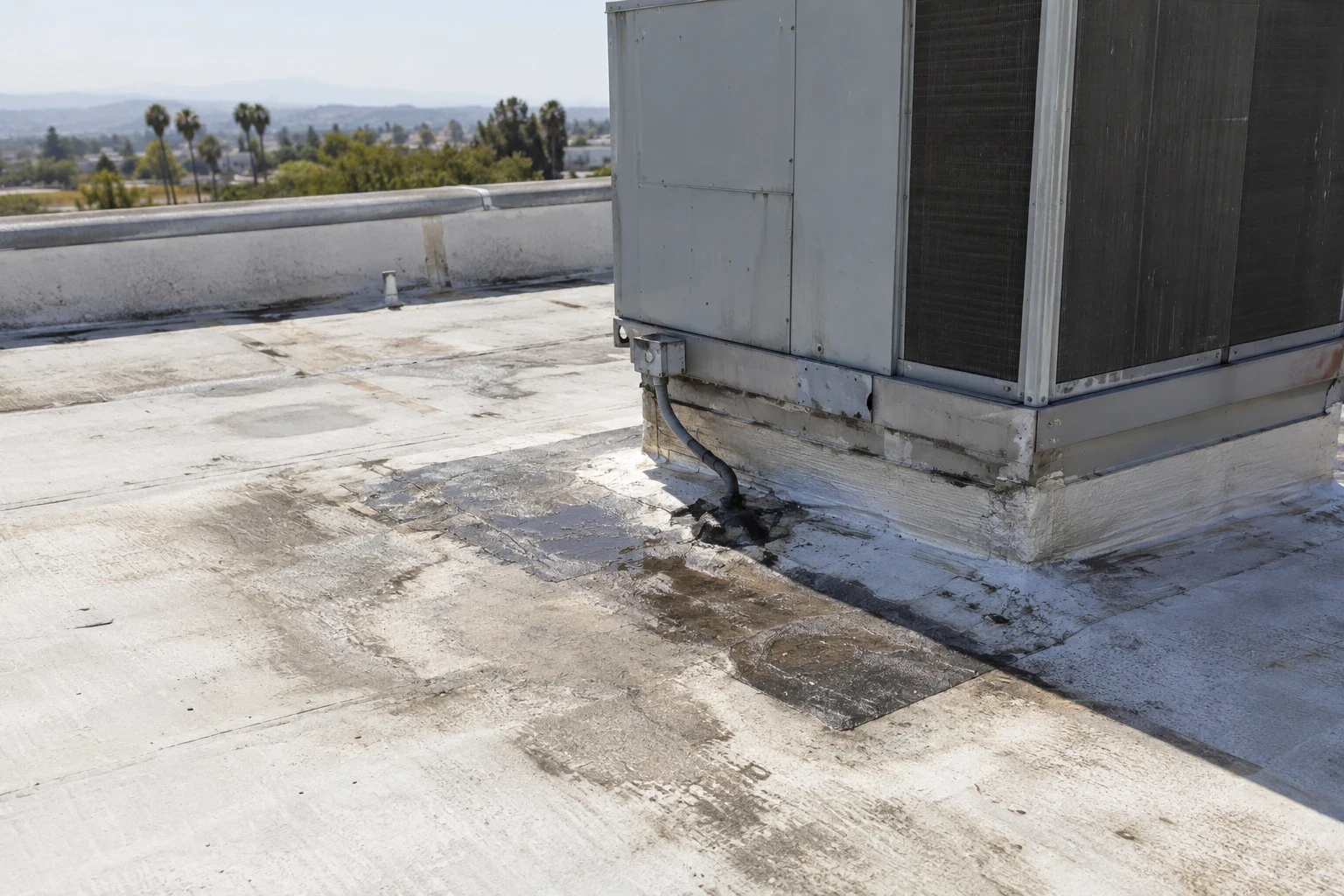
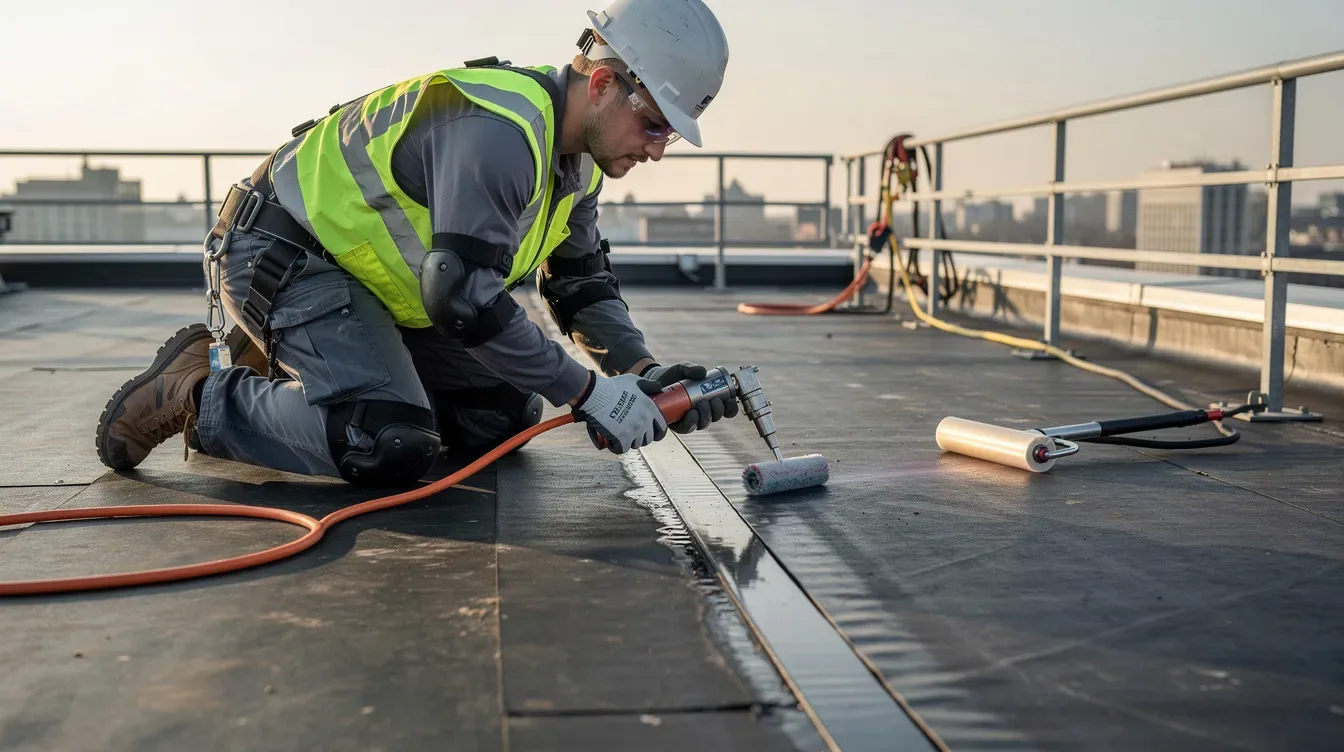
We start at the reported leak and inspect the roof above it. Water near a rooftop unit or kitchen exhaust might come from the roof, the unit itself or condensate lines. We check the membrane and flashing and note where a service contractor needs to look. The representative should know which finding supports which repair. A stain inside does not mean every connection nearby has failed, and we do not assume one cause for every piece of equipment.
Commercial roof leak repair at a store records what we inspected. A test cut can show what is under a curb or flashing, and we protect and patch it the same day. Areas we could not reach are noted. The same equipment at another store does not tell us about this one. The proposal says what still needs answering, so the representative can approve a sensible inspection without assuming every location needs the same repair.
Include equipment coordination in the repair
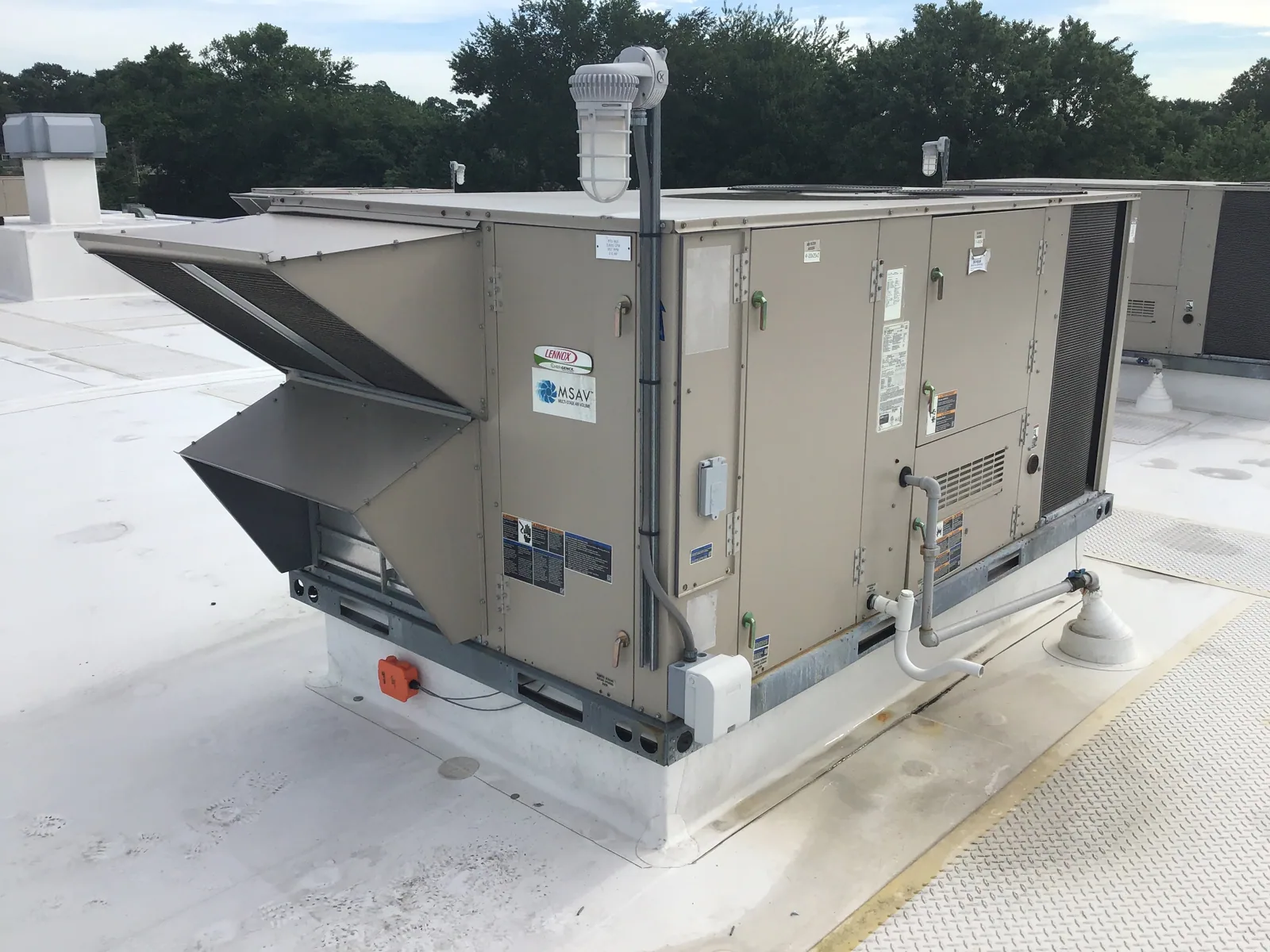
A finished flashing needs solid backing and sound membrane underneath. We note what prep work is needed and which layers can stay. If an HVAC or refrigeration unit has to be moved or adjusted, the equipment contractor does that before we close the roof. We list that step next to the roofing it supports. A small "flashing repair" line item can hide a step that would force the roof to be reopened later.
Work on rooftop equipment curbs and supports follows the actual setup on that roof. Structural or service questions go to the right contractor. Walls and penetrations can need different repair methods. If several repairs share a setup charge, we still list each one separately. A chain name does not mean every store has the same roof. The representative can compare a coordinated repair with a larger tear-off based on complete work.
Check hidden damage before expanding the budget
A visible opening can hide wet insulation or a damaged deck. We test where the answer could change whether a section stays or comes off, and agree on the question first. Results stay tied to the areas tested. Another store's roof is not assumed to match because it has the same owner. Test cuts are protected and patched, and that cost is included. The representative can decide whether testing is worth it before the bigger repair is priced.
A roof condition report lists the open questions. If more damage turns up during the work, we document it and use the agreed approval process for the added cost. Requests sent to equipment contractors are tracked separately from answers received. An old allowance does not cover new findings, and every change comes with a clear explanation before the next approval.
Schedule the work with the store
Before promising a work period to the store manager, confirm what we are approved to do. An inspection visit does not cover tear-off or equipment moves. If an equipment contractor needs to go first, we show when they are scheduled next to the roofing that depends on them. We only open the roof when we can close it up properly. The store confirms affected areas and access routes. A chain-wide calendar does not account for each store's hours and deliveries.
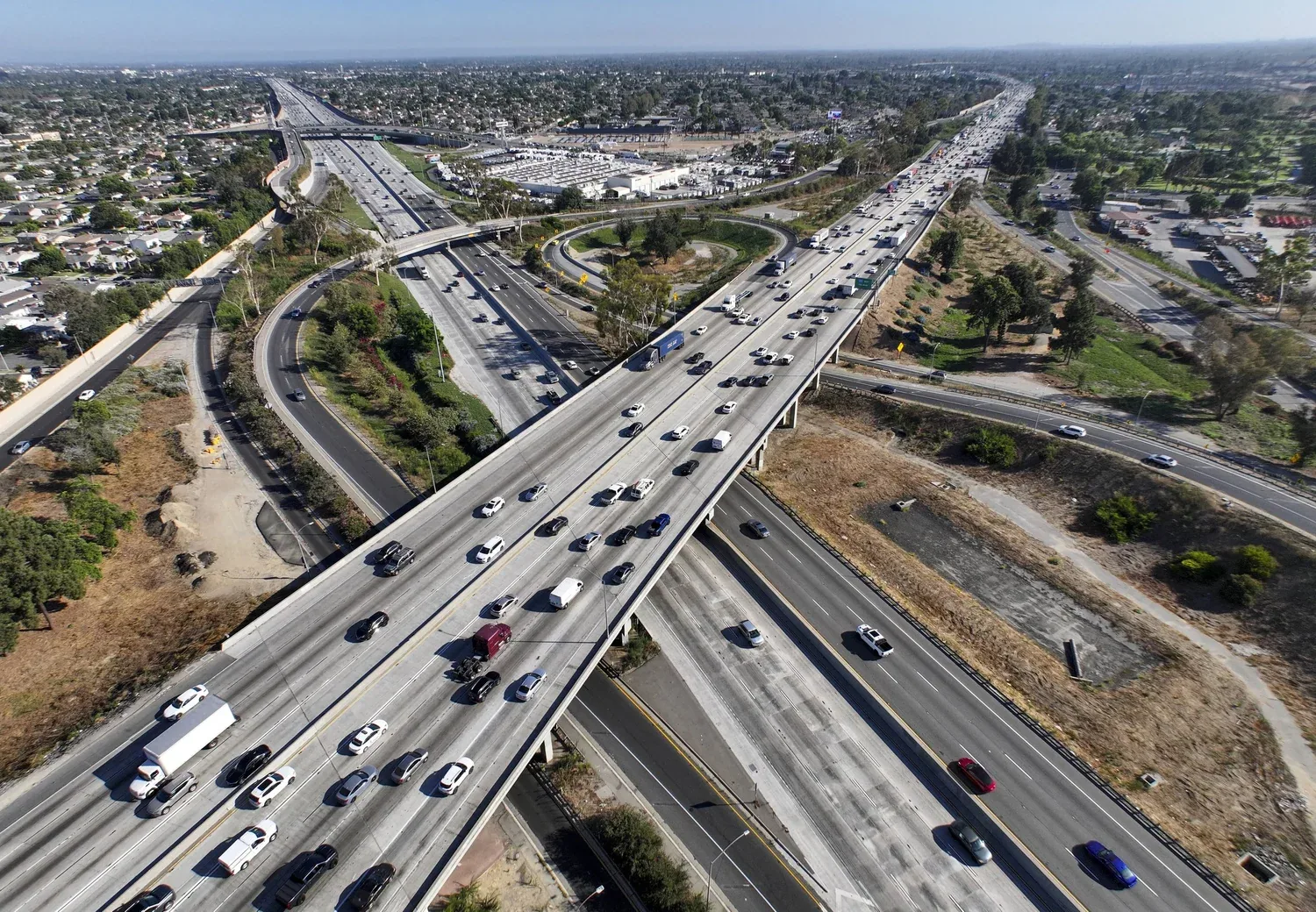
A multi-store roof program should separate recurring repairs from each building’s access costs. Set work around tenant hours, deliveries, and the roof sections that can be opened and closed safely. Use consistent inspection records, but price curbs, drains, and membrane work from each site. Owners with buildings near the I-5/I-605 interchange or the Vernon-Commerce corridor can coordinate visits with managers before approving a portfolio schedule.
Keep each store's record separate
The final record names the store and the repaired area. Photos of the prep work show what is under the new material. We note which layers stayed and which details were finished. Equipment work still owed by another contractor is listed with its location and who is responsible. Temporary protection is labeled as temporary until the permanent repair is done.
A property management company taking over a store needs to know what the inspection covered. Hospitality groups with similar buildings keep their own inspection records. New equipment or new leaks can change things, so new findings are added with their dates. A similar leak at another store does not mean the same repair, and the next budget is based on each building's current condition.
Review the store list before scheduling another round of work. Each open item should say what is still needed. The next contact should be able to find the records without visiting the roof. Requests sent and answers received are kept separate. A clear record makes the next approval easier and shows what was actually fixed.
Commercial Roofing Questions
Can a chain use the same repair quantity at similar looking stores?
No. Each store's roof needs its own inspection. Similar-looking roofs can have different insulation, flashing and hidden damage. Shared setup can save money, but each store's repair should be priced from its own findings.
Which equipment duty should precede permanent roof closure?
Any equipment work that affects the roof detail, such as moving or resetting a unit or replacing a curb, should be done before the roof is closed. Otherwise the new flashing may have to be cut open again. We coordinate the order with the equipment contractor and protect the roof while we wait.
What makes another examination useful before the broader repair amount?
When the result could change whether a section can stay or has to come off. Agree on the question first and include protection and patching of test cuts. The larger repair is then based on real results, not on assumptions about this or another store.
What should the chain retain after the roof stage is finished?
Keep each store’s roof plan, completed detail and preparation photographs together. List open equipment or drainage work separately, with the responsible party and current status. Work at one store does not settle the remaining work at another. A regional manager should be able to find the next task without expanding the roofing scope already completed.
Get a roof plan for your store
Tell us about the Downey store and the roof problem. We will inspect the roof and explain the repair options, any testing worth doing and the equipment work needed before the roof can be finished.