Commercial Roofing for School Districts in Downey, CA
School district roofing in Downey, CA: roof repairs and replacements for campus buildings, scheduled around classes and documented building by building.
A school roof bid has to show all the work behind the price. In Downey, a classroom leak repair may depend on an HVAC contractor resetting a unit before we can close the roof. For school districts, we inspect the roof areas we are allowed to access and explain realistic repair options. The district representative gets specific findings and a clear next step. A preferred summer work window does not replace prep work or approvals, so we list what needs to happen before the roofing scope is approved.
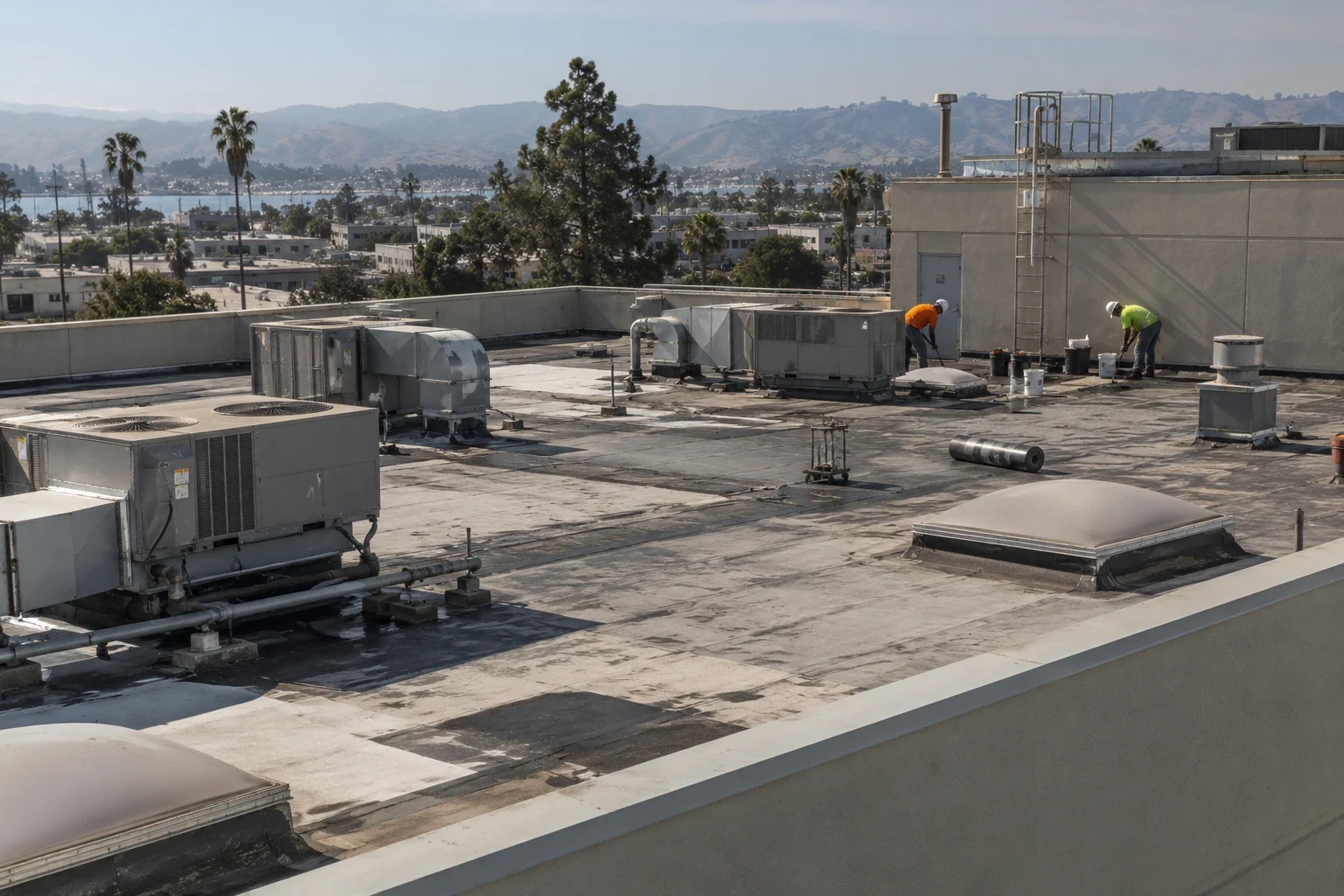
District roofing work should identify each campus building, room report and roof section before pricing a larger program. Check seams, drains, walls, skylights and rooftop units above classrooms and common areas. Keep room protection, access and student circulation with the facilities contact. Districts serving Downey and Norwalk can use a shared repair log, but each roof needs its own inspection and material record. A school roof repair should show confirmed work and any area still awaiting examination.
Find the leak at the right building
We start with the classroom or hallway where the leak was reported and inspect the roof above it. A water stain points us in a direction but does not prove where water entered. We check the membrane, flashing, drains and rooftop units nearby. If a wall or piece of equipment may be the cause, we note that it needs its own check. A general campus rating does not tell you what each building needs, and areas we could not reach stay listed as unknown.
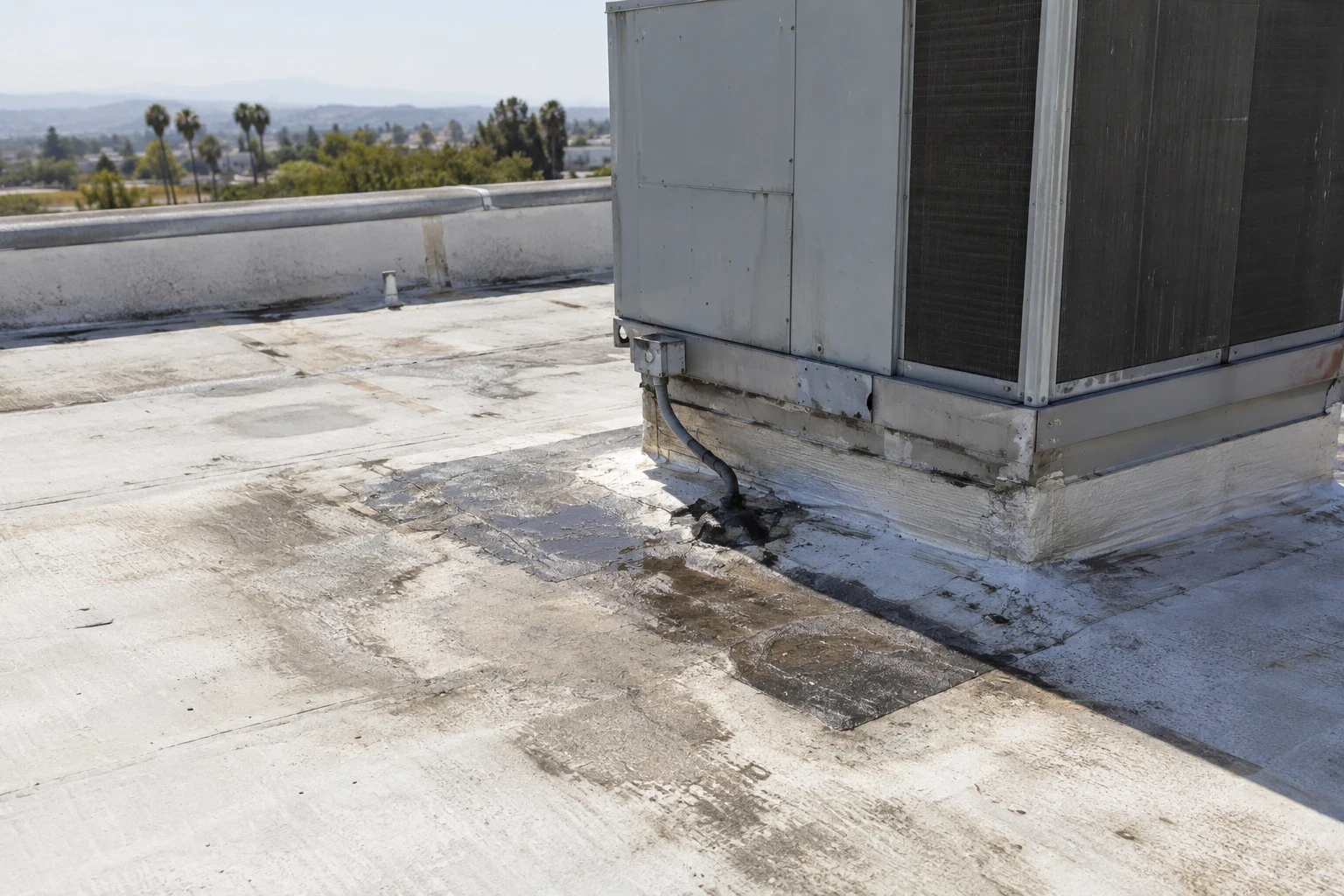
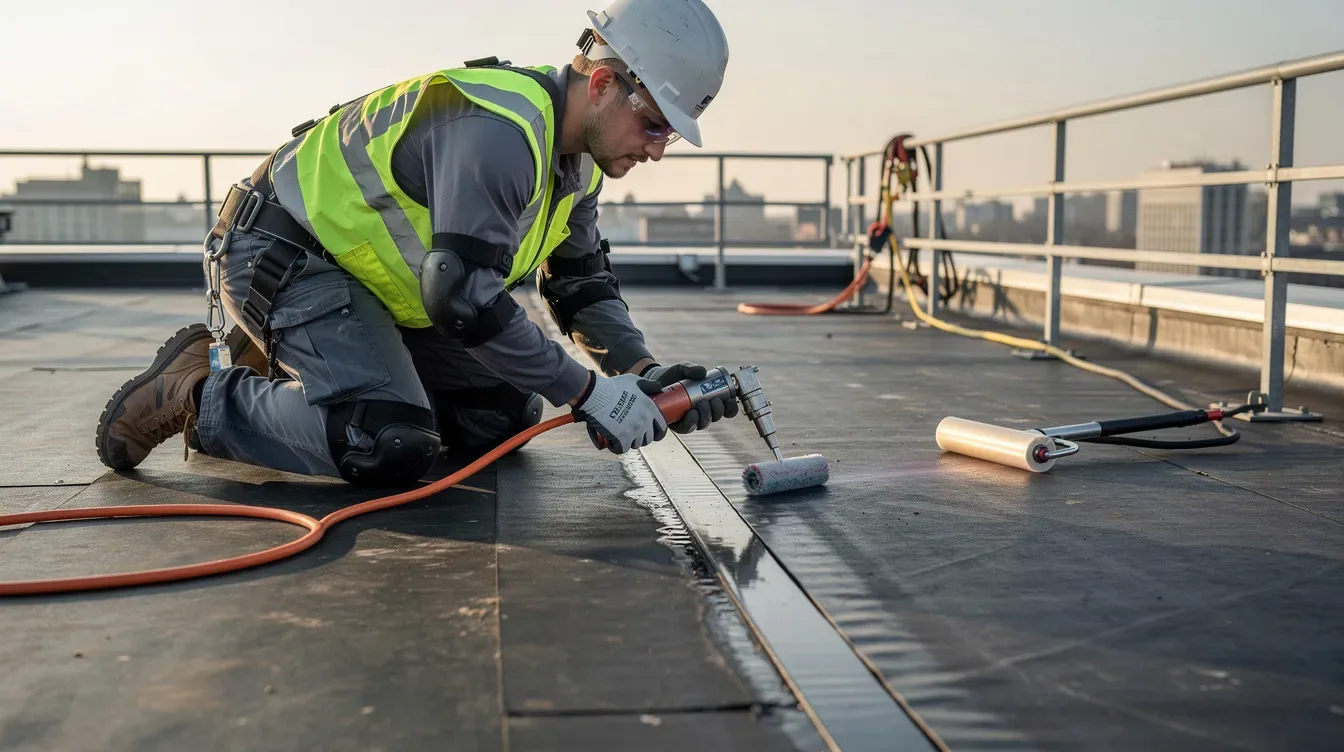
Commercial roof leak repair at a school records what we inspected and what we found, with photos that show where on the roof the problem is. A test cut can reveal hidden damage when it matters for the repair. We protect and patch it the same day. Equipment or structural questions go to the right professional. One limited visit does not mean every roof on campus is ready for work.
Compare repairs with everything they include
A bid should show all the work needed to finish the repair. We note what comes off and what stays, based on what we found. The repair may need to extend beyond the visible damage to reach sound material. If a drain, wall or rooftop unit needs another trade first, we list that next to the roofing it supports. The district should see what each price actually delivers, not just the membrane square footage.
A commercial roof replacement option for a campus building needs clear tear-off limits. Keeping the existing roof means it has to be sound and compatible with the new system. Some details may need an architect's or engineer's input before ordering material, and we track whether that answer has come back. Both options include finished flashing and edges. A lower bid that leaves out a required detail is not a fair comparison.
Test when it could change the scope
A roof can look intact and still have wet insulation or a damaged deck underneath. We test where the answer could change whether a section stays or comes off. We agree on the question first, record where we tested and list untested areas as unknown. One building's results do not apply to another building on the same campus. Test cuts are protected and patched, and that cost is included in the testing price.
A roof condition report lists the questions still open. Requested tests are tracked separately from completed results. If more damage turns up once work starts, we document it and submit the change through the district's approval process. Engineering or equipment questions stay with the right professional. Each change to the scope comes with a clear explanation before it is approved.
Confirm access before choosing the work dates
A target date only works if access is approved and the roof is ready. We confirm the district contact and what we are allowed to inspect before the visit. Tear-off and equipment work may need separate approval. If another trade must go first, that step is listed next to the roofing it affects. A promised answer is not a completed one. We only open the roof when we can close it up properly.
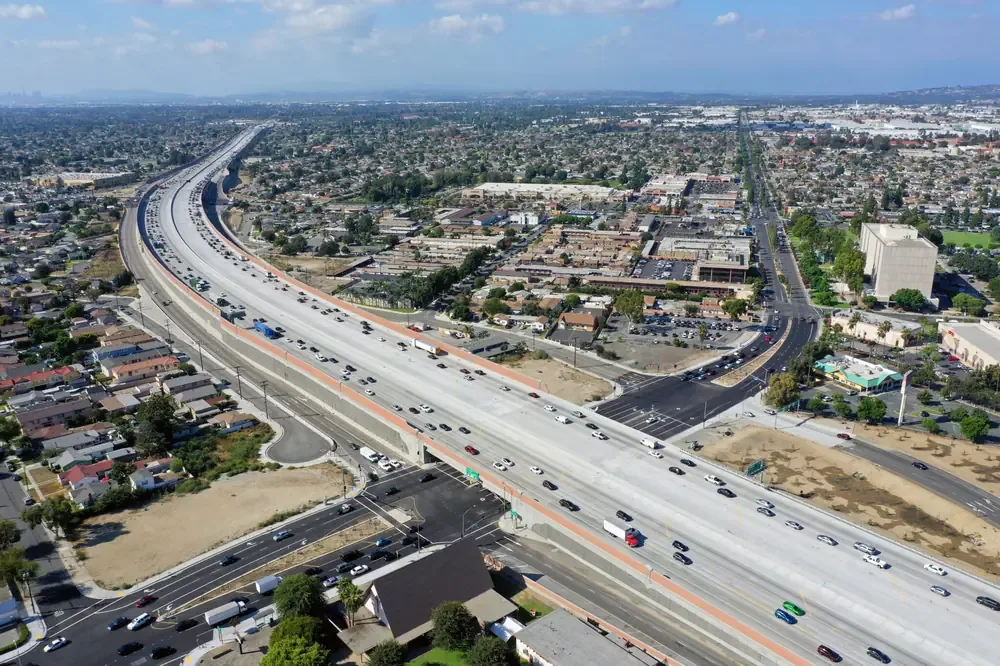
For a building near Imperial Highway, we confirm the campus hours, student routes and staging area with that school's contact. Short phases limit how much roof is open at once but repeat setup. One continuous phase can cost less if the building and other trades are ready. We price both with the same full scope. A shorter schedule should not leave a needed step out.
Keep a clear record for the district
The close-out record names the building and the repaired area, with photos of the prep work before it was covered. It notes which layers stayed and which details we finished. Work still owed by other trades is listed with who is responsible. Temporary protection is labeled as temporary until the permanent repair is done. The district can see what is finished and what is left.
A public agency using these findings needs to know what the original inspection covered. A general contractor working on campus needs to know where our work meets theirs. If equipment is added or new leaks appear, the roof should be inspected again and the new findings added with their dates. A similar problem on another building does not prove the same cause.
Before the next project, review the open items with the district's facilities contact. Each should say what answer or work is still needed. The next person should be able to find the records without a site visit. Requests sent and answers received are kept separate. A clear handoff makes the next roof approval easier and shows exactly what was completed.
Commercial Roofing Questions
What should the district receive before approving a roof correction?
Specific findings with locations, the complete repair each option includes, what stays and what is replaced, and any work by other trades. The district can then compare real options instead of a vague campus rating.
Can a preferred school work period establish readiness for removal?
No. The roof is ready when access is approved and any work by other trades is done or scheduled. We confirm those steps separately. A summer break helps with scheduling, but it does not replace the prep work and approvals.
When should a selected investigation precede the broader bid?
When the result could change how much roof comes off, such as whether insulation is wet. Agree on the question first and include protection and patching of test cuts. The full bid is then based on real results instead of assumptions.
What should carry forward after the roofing stage is complete?
The building, repaired areas, photos of the prep work, inspection dates and limits, and any open items for other trades. The next district contact should be able to see what was done without assuming every roof on campus was checked.
Get a clear plan for your school roof
Tell us which Downey school building has the problem and what needs to be decided. We will inspect the roof and explain the repair options, any testing worth doing and what affects the schedule.