Commercial Roof Insurance Restoration in Downey, CA
Insurance restoration roofing in Downey, CA: dated damage documentation, temporary protection and a permanent repair scope, kept separate from the insurer's coverage decision.
Documenting roof damage and pricing a permanent repair are two different jobs, and an owner needs both done well. For insurance restoration work in Downey, CA, we inspect the roof, photograph the damage and explain what a complete repair involves. The insurer and adjuster make the coverage decision; that is not our call, and sending them our report does not mean the claim is approved or the roof is fixed. We keep the physical findings, the temporary protection and the permanent repair clearly separated so the owner can make the next decision.
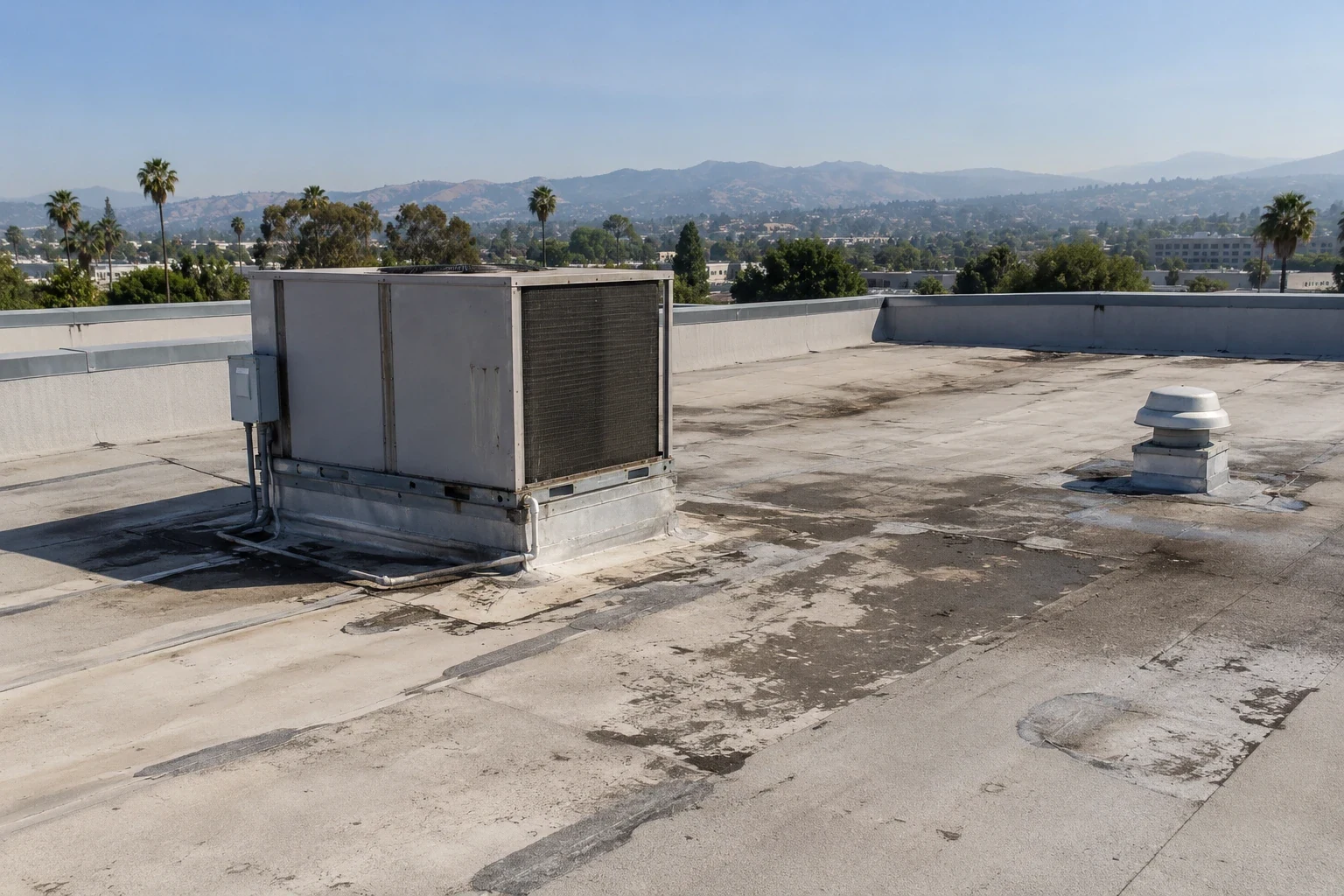
For a roof claim, preserve dated photos and the inspection findings that support each quantity. Identify the damaged membrane, confirmed layer loss and permanent detail restored. Keep an estimate tied to the building and roof section reviewed. The scope should separate temporary weather protection from permanent reconstruction. Downey's concentrated winter rain makes a secure closure important while claim decisions are pending.
Document the damage where it is
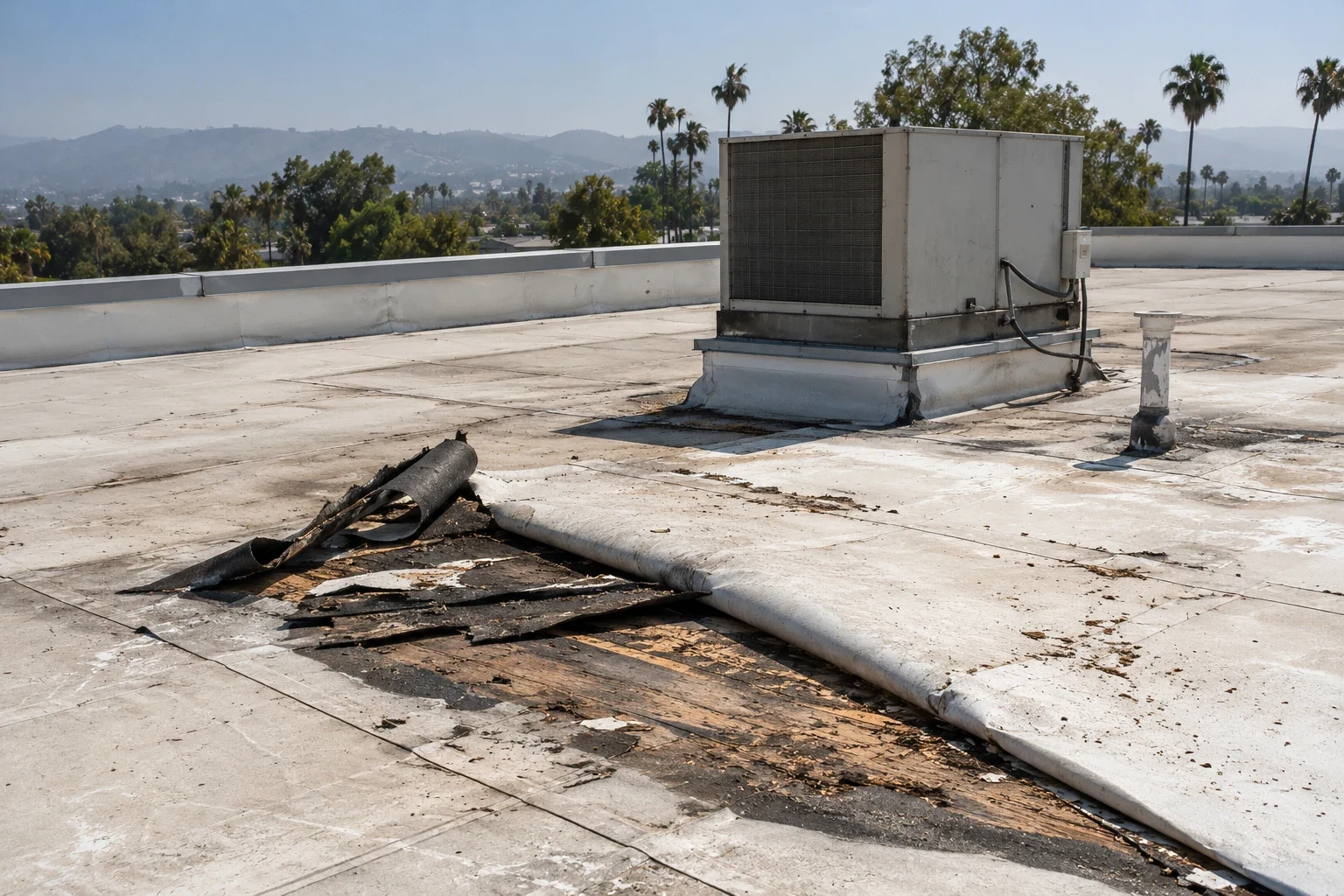
We start at the reported damage and the area of the building affected below it. We photograph what we see and note what has caused it, where that is clear, and what still needs to be confirmed where it is not. A leak near a wall may come from the wall or a rooftop unit rather than the roof, and those need their own review. A storm does not mean every part of the roof was damaged, so we report each area separately and note any we could not reach.
Roof insurance claim assistance starts with clear photos that show where on the roof they were taken and when. Older photos or inspection reports help show what changed, but they do not prove the current condition on their own. If we need a test cut to see what is under the membrane, we protect and patch it the same day. The owner should know what that first inspection answers, and that a photo report is not the repair.
Separate temporary protection from the permanent repair
Temporary protection, such as tarps, sealant or a quick patch, keeps water out while decisions are made. It is not the repair. We install it where needed and label it as temporary. The permanent repair needs its own scope: what comes off, what gets replaced and how the new work ties into sound roof. If a rooftop unit or wall needs another trade first, we list that next to the roofing it supports. That way the owner can see what each approval actually buys.
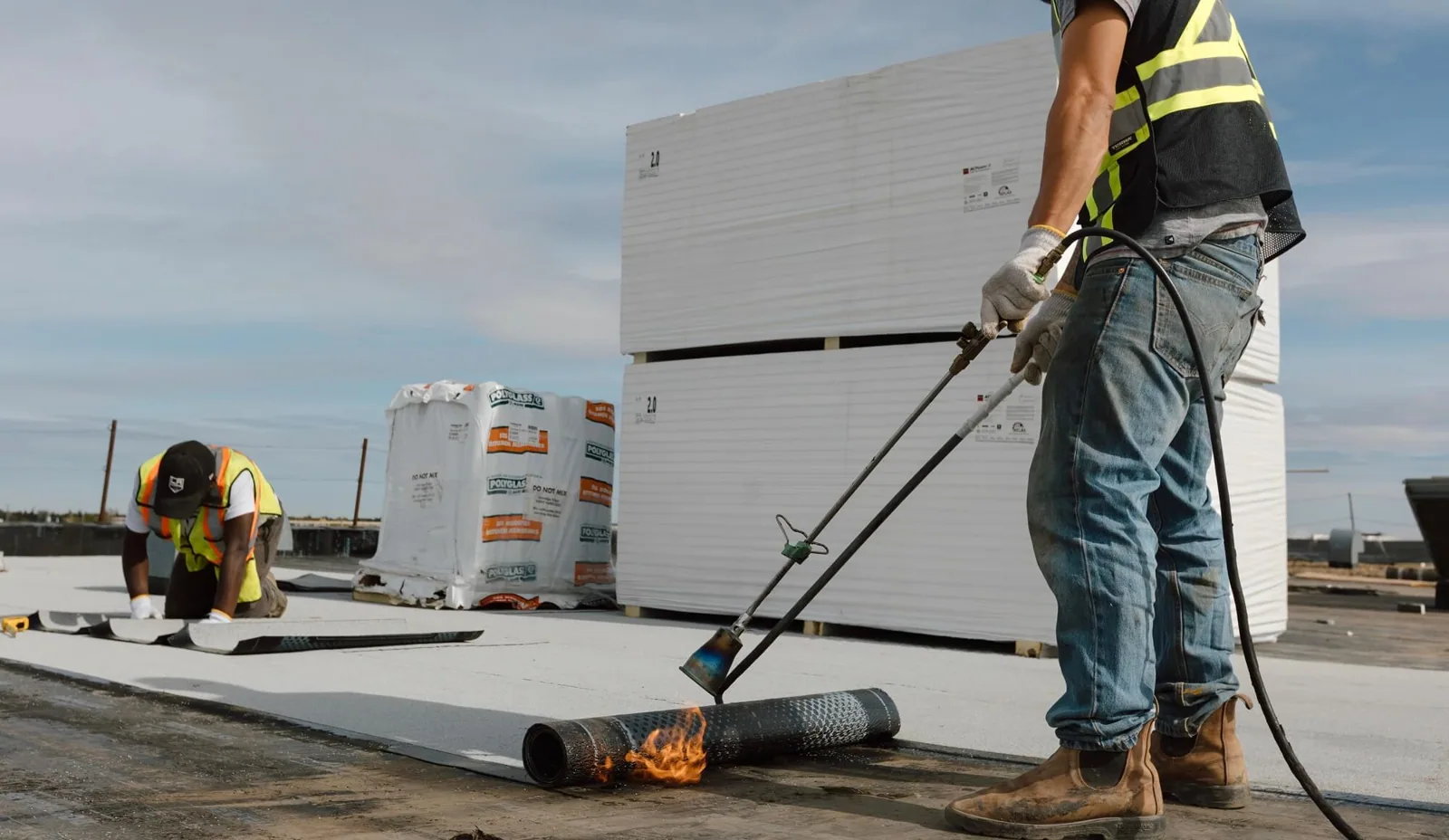
A commercial roof repair for storm or impact damage follows what we found. If the existing roof stays, it has to be sound and compatible with the repair. A larger repair or replacement may change the tear-off and the work by other trades. We compare complete options, not just material totals. Anything not yet confirmed stays marked as conditional. The owner can then judge the repair on its merits, separately from whatever the insurer decides.
Test for hidden damage before pricing
Visible damage on top can hide wet insulation or a damaged deck underneath. We test where the answer would change whether the existing roof can stay or has to come off. Before testing, we agree on what question it should answer. Results stay tied to the areas tested, and untested areas are listed as unknown. Test cuts are protected and patched as part of the job, so the inspection does not create a new leak.
A commercial roof inspection for a damage claim lists the questions still open. If more damage turns up once the work starts, we document it and submit the extra work through the agreed approval process. Work by other trades stays on their list with its location. A request sent to the adjuster or engineer is not the same as an answer received, and we track them separately. The original damage report does not automatically cover new findings, so each one gets its own explanation and price.
Schedule the repair when the building is ready
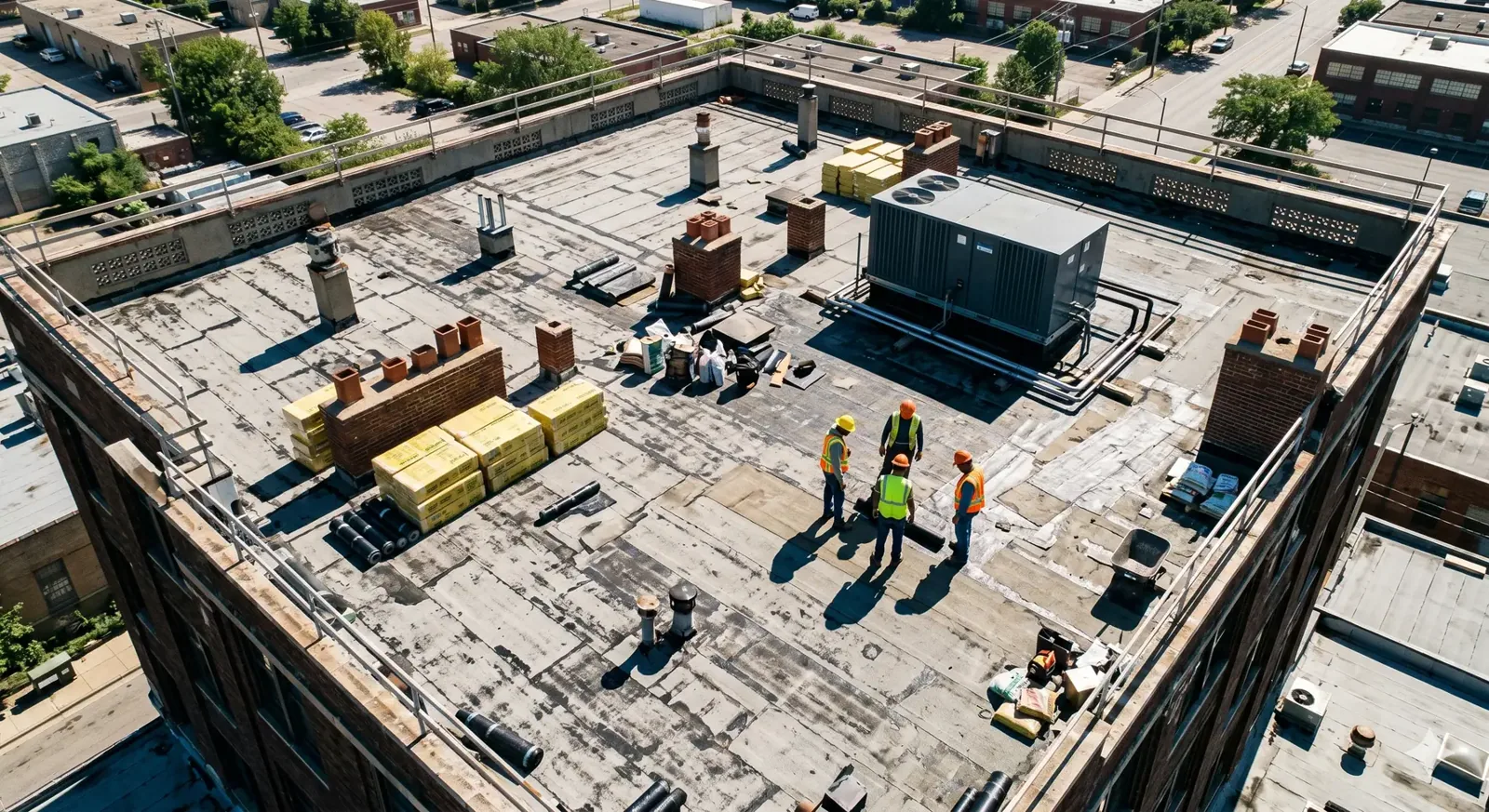
The building contact confirms what we are allowed to do on site. An inspection visit does not cover tear-off or moving equipment, so we confirm those separately before opening the roof. If another trade needs to work first, we wait until they are ready and keep the roof protected in the meantime. A filed claim does not get the roof ready for work. The owner should compare schedules based on what can actually be done.
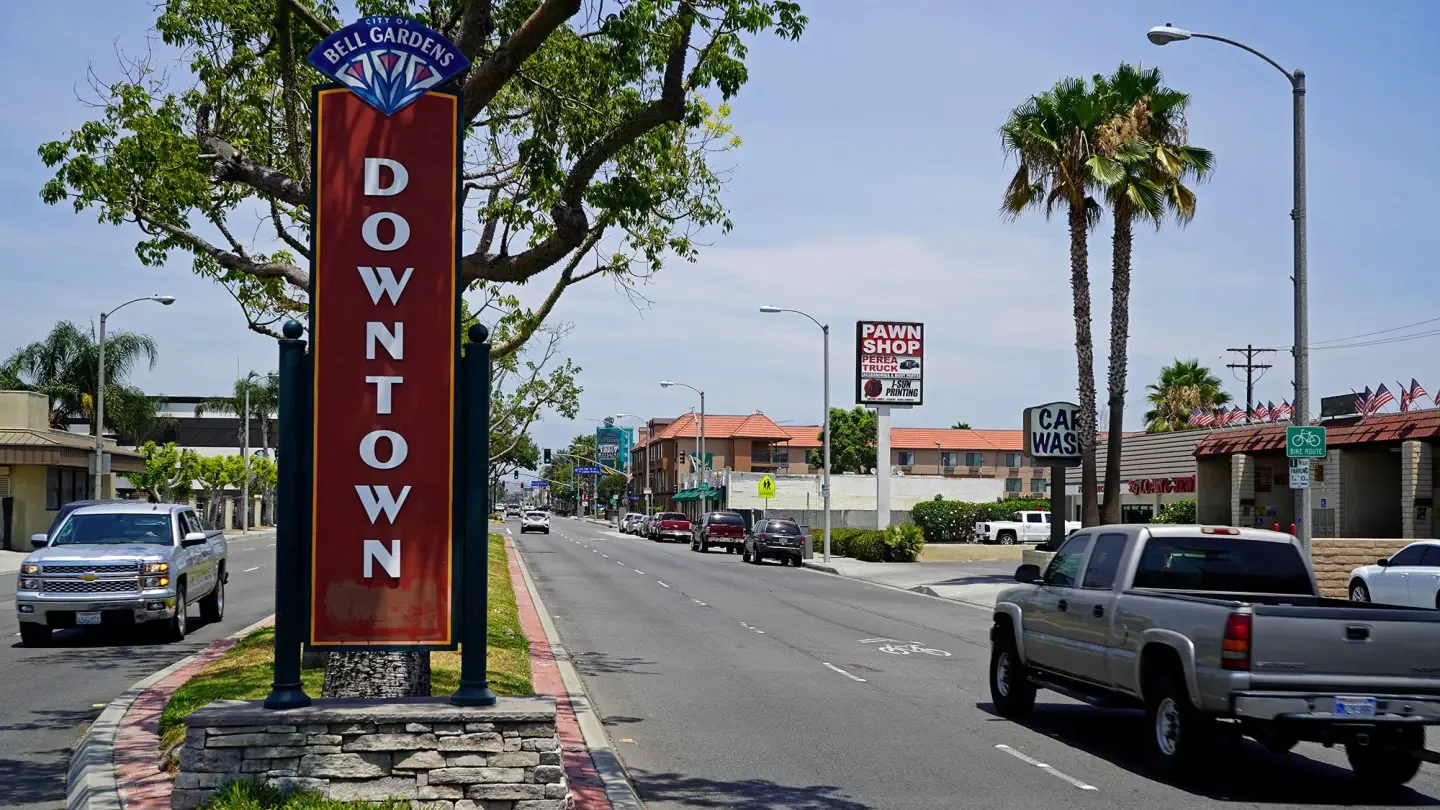
For a repair in Bell Gardens, we confirm the building's access, staging and work hours with the site contact. Doing the work in small stages limits how much roof is open at once but repeats setup costs. One continuous job is usually cheaper if the building and other trades are ready. We price both with the same full scope. A shorter job that leaves out another trade's necessary repair is not really finished.
Keep the damage record with the finished work
At close-out, the owner gets a record that names the building and the repaired areas, with photos of the prep work before the new material covered it. It notes which layers stayed in place and where the repair ends. Open items for other trades are listed with who is responsible. Our close-out does not settle the insurance claim, and any remaining temporary cover is labeled as temporary until the permanent repair replaces it.
A property management company taking over the building needs to know what the original inspection did and did not cover. A general contractor handling the interior restoration needs to know where the roof work meets theirs. If new leaks or equipment changes come later, the roof should be inspected again and the new findings added with their dates. A similar-looking problem elsewhere is not assumed to be the same damage.
Before handing the file over, review any missing records and open work. Each open item should say what is still needed. Photos and findings should be easy to find for the next contact. Requests sent and answers received are kept separate. A clear record explains what the roofing work delivered and what remains, without implying anything about coverage.
Commercial Roofing Questions
Does a roof damage record establish the claim review completed?
No. Our report documents the roof damage with dated photos and locations. The insurer and adjuster decide coverage. Sending them the report does not mean the claim has been reviewed or approved, and it does not mean the roof has been repaired.
What distinguishes the protective measure from the permanent amount?
Temporary protection, like a tarp or a quick patch, keeps water out while decisions are made. The permanent repair removes damaged material, replaces what is needed and ties the new work into sound roof, including flashing and any work by other trades. They are priced and recorded separately.
When should further layer confirmation occur before reinstatement is priced?
Before the repair is priced, whenever hidden damage could change whether the roof can be repaired or has to be replaced. We agree on what the test should answer, patch the test cuts and base the repair on what we find rather than assuming the whole roof is damaged.
What should remain available after the roofing task is finished?
Photos of the prep work and finished repair, the areas repaired, any open items for other trades and the status of any requests to the adjuster or others. That lets the owner see what roofing work is done without confusing it with the insurance decision.
Get the roof damage documented and repaired
Tell us about your Downey property, the damage and any dated photos or reports you have. We will inspect the roof, document what we find and explain the repair options and what each includes.